

Map your garden's sun and soil
Native plants are already adapted to your local climate, but they still need the right micro-environment to establish themselves. Before you buy a single native plant, you need to understand the specific conditions of your garden plot. This assessment prevents wasted money and ensures your wildlife-friendly garden survives its first year.
Start by mapping the sunlight. Walk your yard at three different times: morning, noon, and late afternoon. Mark where direct sun hits and where shadows linger. Most native perennials need at least six hours of direct sun, while woodland natives like trillium or ferns prefer dappled shade. Knowing these zones helps you place plants where they naturally thrive.
Next, check your soil texture. Grab a handful of damp soil from several spots in your yard. Rub it between your fingers. If it feels gritty and falls apart, you have sandy soil. If it feels sticky and forms a ribbon, it’s clay. Native plants are often adapted to local soil types, so matching your planting choices to your soil texture reduces the need for amendments.
Finally, observe water flow. After a rain, watch where water pools or runs off. Areas that stay wet for days need moisture-loving natives like cardinal flower or Joe-Pye weed. Dry, sloped areas need drought-tolerant species like coneflower or sedum. This simple observation prevents root rot and plant stress.
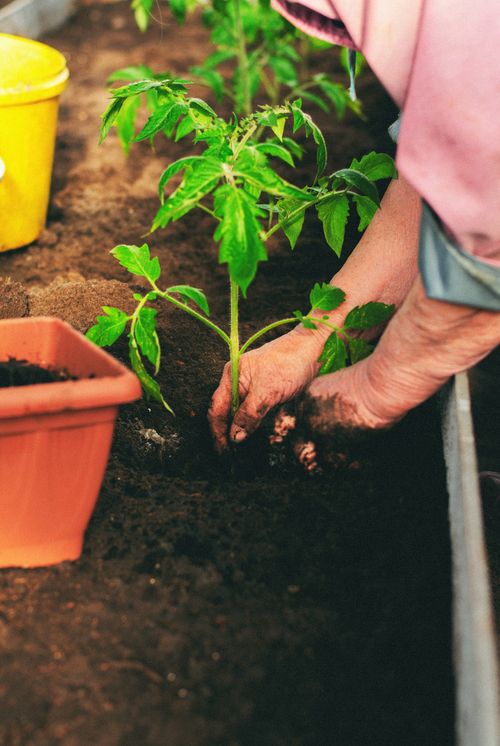
Draw a rough outline of your garden space. Use different colors or shading to mark full sun, partial shade, and full shade areas based on your walk-through observations.
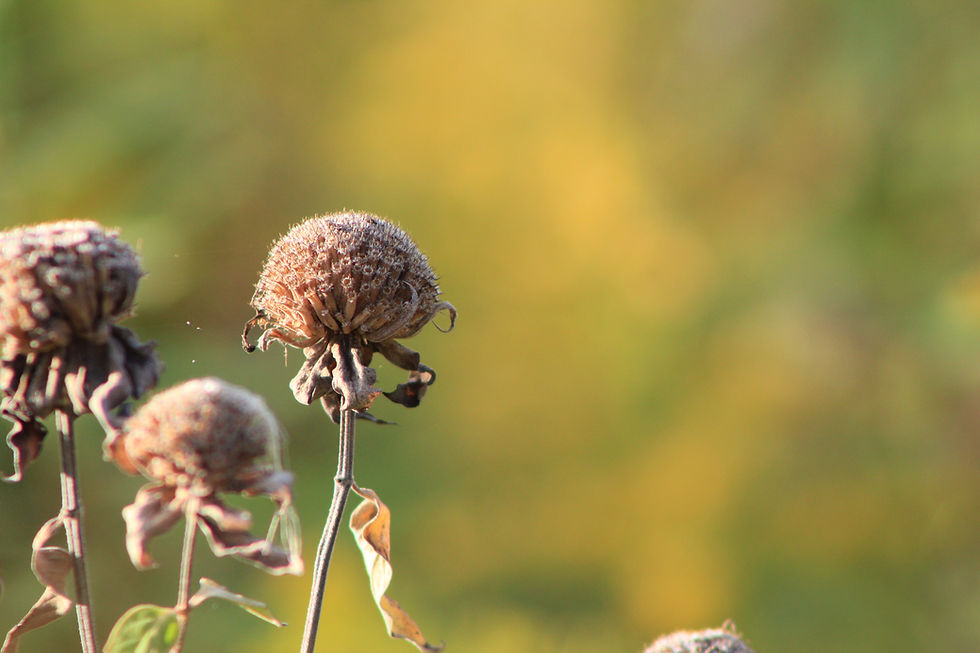
Collect soil samples from different areas, especially near trees or slopes. Perform the ribbon test to determine if your soil is sandy, loamy, or clay-heavy. Note these variations on your map.
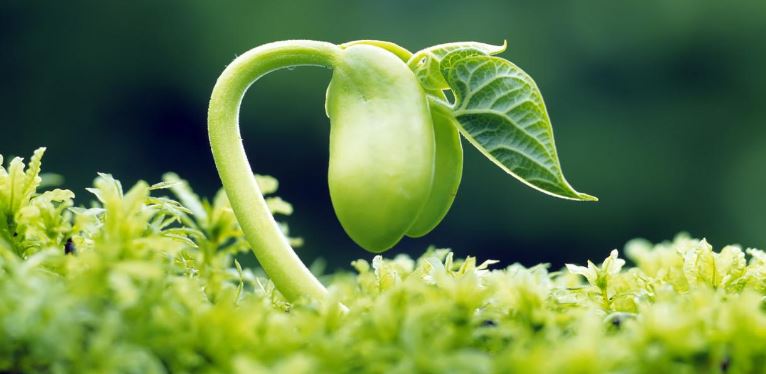
Watch your yard after a heavy rain. Mark low spots where water pools for more than 24 hours. These areas require native plants that tolerate wet feet, such as certain sedges or rushes.
Choose local native plant species
Selecting plants that evolved in your specific region is the foundation of a wildlife-friendly garden. Native species have co-evolved with local insects, birds, and soil microbes, creating a self-sustaining ecosystem that requires minimal intervention. Unlike exotic ornamentals, which often provide little nutritional value to local fauna, native plants serve as essential host plants for caterpillars and other pollinators.
Start by identifying your USDA hardiness zone and local soil conditions. This geographic filter narrows your options to species that can thrive without excessive watering or fertilizers. For example, planting milkweed in the Midwest supports monarch butterflies, while planting serviceberry in the Northeast feeds native songbirds. This targeted approach reduces maintenance needs significantly because the plants are already adapted to your local climate extremes.
Consult your local cooperative extension office or a regional native plant society for curated lists. These organizations maintain databases of plants proven to support local biodiversity in your specific area. Avoid big-box garden centers that stock generic "native" mixes; instead, seek out local nurseries that specialize in region-specific stock. This ensures you are getting true native cultivars rather than hybridized varieties that may have lost their ecological value.
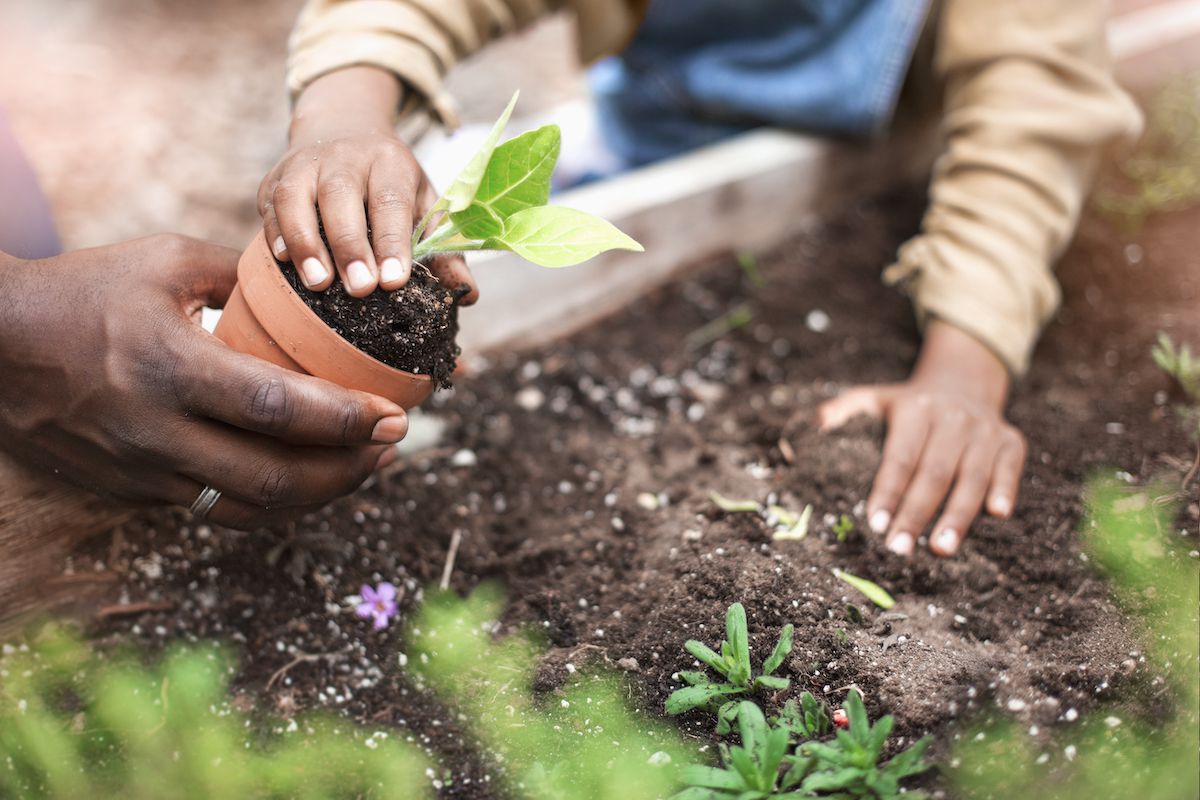
By prioritizing local genetics, you create a garden that functions as part of the wider landscape. This strategy not only supports biodiversity but also reduces your long-term labor and resource input. The result is a resilient, low-maintenance space that actively contributes to the health of your local environment.
Plant in layers for habitat depth
Think of your garden as a vertical city. Just as buildings serve different purposes for residents, different plant heights provide distinct niches for wildlife. A flat lawn offers little more than a runway for hawks; a layered native garden offers homes, hiding spots, and dining rooms for insects, birds, and small mammals. By stacking plants from the ground up, you maximize the biological activity in a small footprint.
Start with the canopy layer. In a residential setting, this is often a single native tree like an oak or a maple. These trees support the most life—thousands of caterpillar species rely on them for food. If space is tight, skip the large tree and move to the understory layer. This includes smaller shrubs and saplings that provide dense cover for nesting birds and protection from predators.
The final layer is the groundcover. This is the foundation of your soil ecosystem. Native grasses, ferns, and low-growing perennials keep the soil cool and moist, preventing erosion and hosting beneficial insects. When these three layers overlap, you create a self-sustaining loop where pollinators feed on flowers, birds eat the insects, and leaf litter feeds the soil.
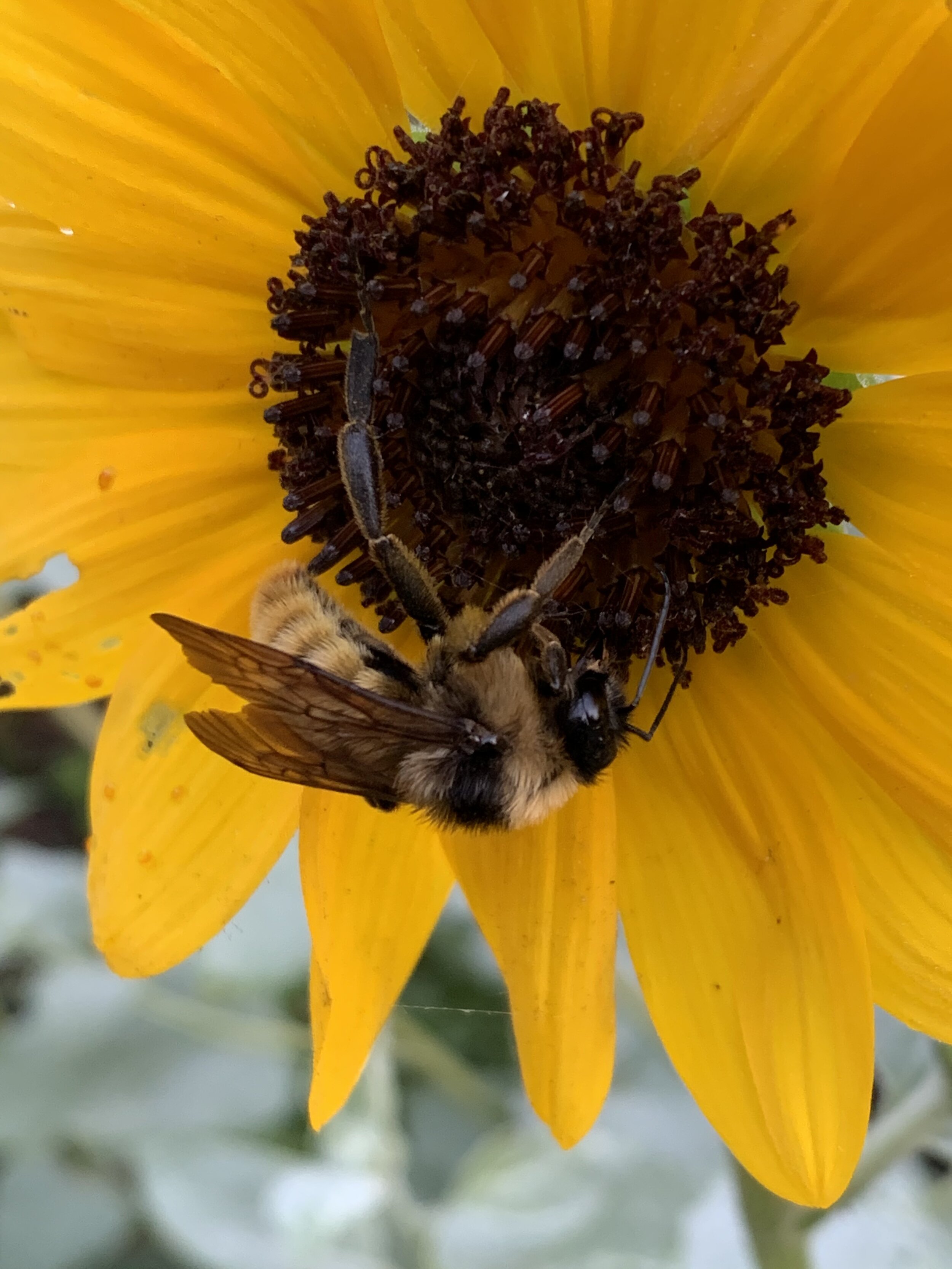
Choose a tree or large shrub native to your specific region. Oaks, willows, and cherries are particularly valuable for supporting caterpillar populations, which are the primary food source for most songbirds raising their young. Plant this layer first, as it will define the light conditions for the plants below.
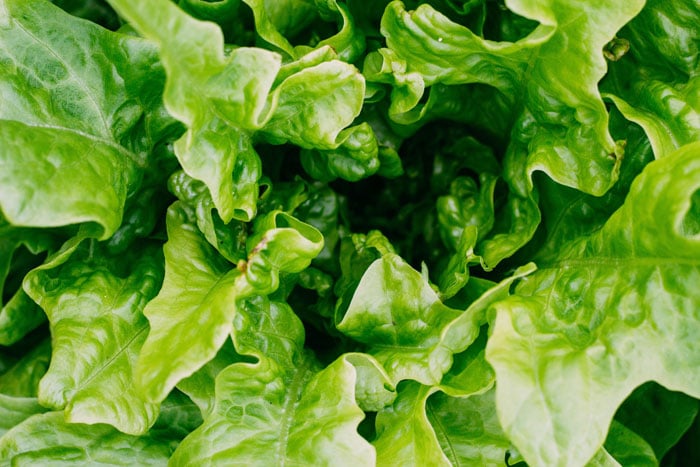
Place mid-height shrubs beneath the canopy. Species like serviceberry, dogwood, or viburnum offer dense foliage for nesting and produce berries that sustain birds through winter. Space these to allow airflow, which reduces disease and makes it easier for smaller birds to plan around the thickets.
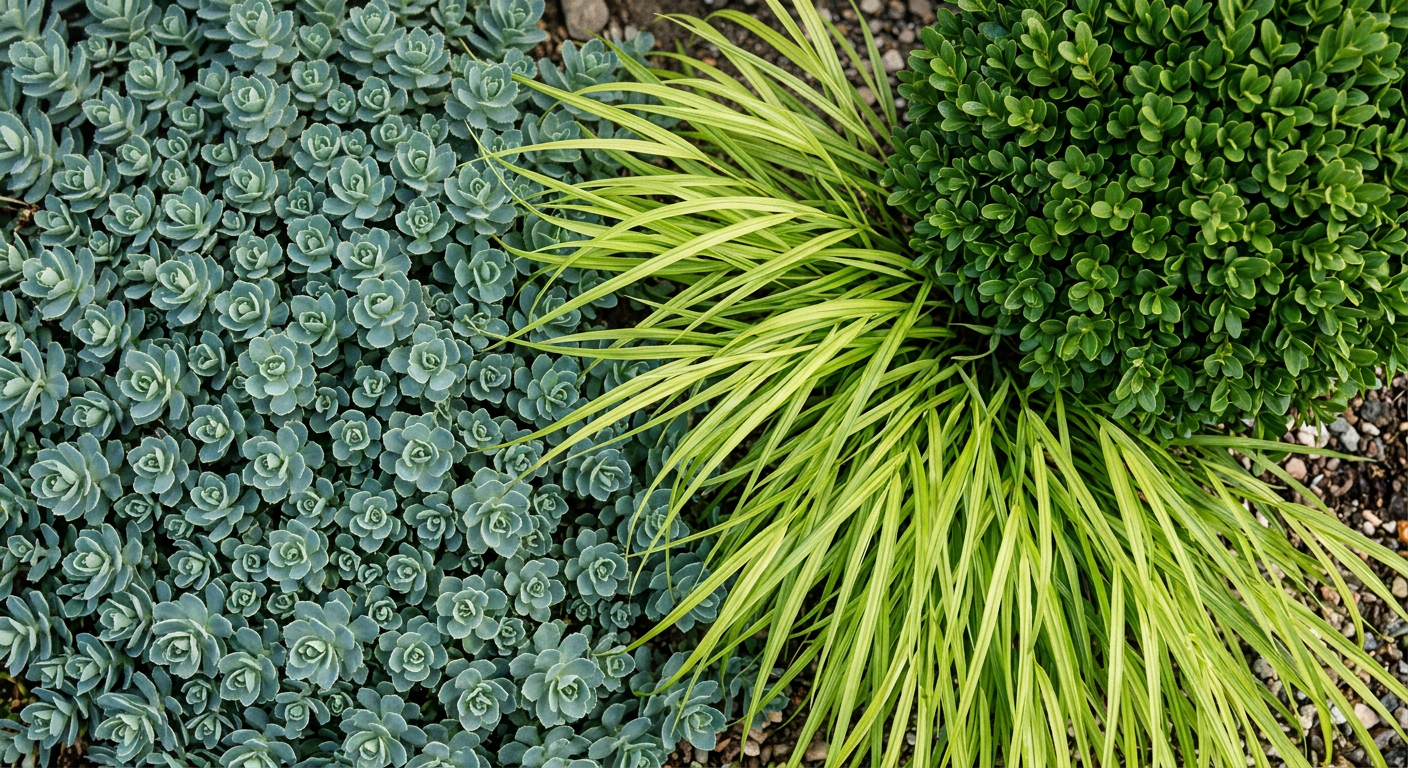
Plant the bottom layer with native grasses, sedges, and wildflowers. These plants stabilize the soil and provide habitat for ground-nesting bees and beneficial insects. Keep the soil covered with leaf litter or mulch to mimic natural forest floors, which retains moisture and feeds the soil food web.
Set up water and soil systems
A wildlife-friendly garden needs two things to thrive: consistent moisture and living soil. Instead of fighting nature with heavy irrigation and synthetic fertilizers, build infrastructure that captures rain and feeds the ground. This approach reduces your maintenance workload while providing reliable resources for pollinators, birds, and beneficial insects.
Connect a rain barrel to your home’s downspout to catch runoff. This simple setup provides free, chemical-free water for your native plants during dry spells. Position the barrel on a stable, level surface and ensure the outlet hose is accessible near your garden beds. This practice directly conserves water and reduces stormwater runoff, a key goal for sustainable gardening.
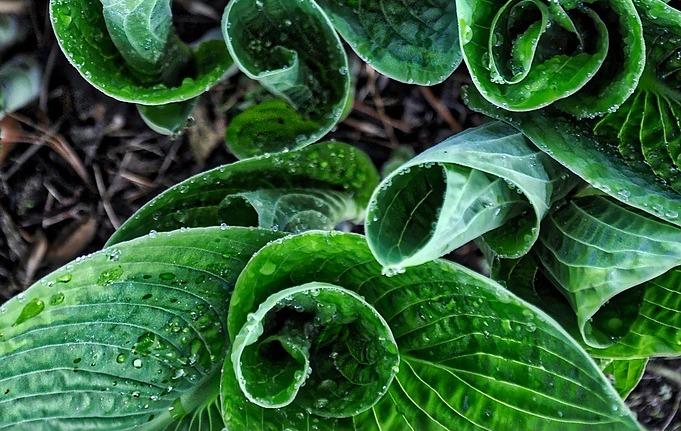
Start by smothering existing grass or weeds with a thick layer of cardboard. Cover this barrier with 2-3 inches of compost or leaf mold. This no-till method suppresses weeds without herbicides and introduces organic matter directly to the root zone. As the cardboard breaks down, it creates a habitat for earthworms and microbes that improve soil structure.
Spread 3-4 inches of shredded leaves, wood chips, or straw around your plants. Mulch acts like a sponge, holding moisture in the soil and regulating temperature. It also prevents erosion and suppresses weed growth. Avoid piling mulch directly against plant stems to prevent rot, but keep it deep enough to protect the soil surface from heavy rain impact.
Place a shallow dish or birdbath with stones or corkscrew plants inside to provide safe landing spots. Many pollinators and small mammals need water but cannot swim. Keep the water fresh and change it every few days to prevent mosquito breeding. This small addition turns your garden into a critical rest stop for local wildlife.
By focusing on these four infrastructure steps, you create a self-sustaining ecosystem. The rain barrel reduces your reliance on municipal water, while the soil amendments build long-term fertility. This foundation allows your native plants to establish strong root systems with minimal intervention.
Maintain without chemicals
Protecting native plants means keeping your garden ecosystem closed and balanced. Synthetic pesticides and herbicides often kill the beneficial insects and soil microbes that native species rely on. Instead of relying on external inputs, you can manage pests and weeds through physical barriers, companion planting, and soil health.
Step 1: Remove weeds by hand
Pulling weeds by hand is the most direct way to protect native plants from competition without disturbing the soil structure. Focus on removing weeds before they set seed to prevent future infestations. Use a weeding fork to loosen the soil around deep-rooted species like dandelions, ensuring you remove the entire root system. This method also allows you to inspect the soil for early signs of pest activity.
Step 2: Use physical barriers for pests
Physical barriers prevent pests from reaching your plants in the first place. Use floating row covers over seedlings to protect them from cabbage moths and other common garden pests. These lightweight fabrics allow sunlight and water to penetrate while keeping insects out. For larger pests like deer, consider installing temporary fencing or using repellents made from natural ingredients like garlic or egg whites.
Step 3: Encourage natural predators
A healthy garden attracts beneficial insects that eat pests. Plant flowers like yarrow, dill, and coneflower to provide nectar for ladybugs, lacewings, and parasitic wasps. These predators help control populations of aphids, mites, and caterpillars naturally. Leave some leaf litter and bare soil areas to provide habitat for ground beetles and spiders, which are effective hunters of garden pests.
Step 4: Build healthy soil
Healthy soil grows healthy plants that can resist pests and diseases. Add compost to your garden beds to improve soil structure and provide slow-release nutrients. Avoid synthetic fertilizers, which can promote rapid, weak growth that is more susceptible to pest attacks. Mulch around your native plants to retain moisture, suppress weeds, and add organic matter as it breaks down.
Step 5: Monitor and intervene only when necessary
Regularly inspect your garden for signs of pest damage or disease. Not every insect is a pest; many are beneficial or neutral. Only take action when pest populations exceed a threshold that threatens plant health. Use the "wait and see" approach for minor damage, as natural predators often resolve the issue on their own. This patience helps maintain the ecological balance of your wildlife-friendly garden.
Watch your garden come alive
The most rewarding part of planting a native garden is watching the ecosystem take shape. You aren't just growing plants; you are building a habitat. Over time, the native plants you installed will attract local pollinators, birds, and beneficial insects.
Patience is essential during the first season. Plants establish roots before they put on a big show. Once established, your garden requires less water and care while supporting more wildlife. This shift from maintenance to observation is the ultimate goal.
Common questions about native gardens
Will native plants take over my yard?
Native plants are adapted to your local climate and soil, which means they thrive without constant intervention. Unlike aggressive non-native species, most native plants grow within their natural ecological boundaries. If a plant spreads too vigorously, you can manage it by dividing clumps in early spring or deadheading spent blooms to prevent excessive self-seeding.
How much maintenance does a native garden require?
Once established, native gardens demand significantly less water, fertilizer, and pesticide use than traditional landscapes. The Chicago Botanic Garden notes that sustainable gardening focuses on minimizing external inputs by working with natural cycles. Expect a higher workload during the first year as roots establish, but maintenance drops to seasonal weeding and pruning thereafter.
Are native plants safe for pets and wildlife?
Native plants support local ecosystems by providing food and shelter for pollinators, birds, and beneficial insects. While most are harmless, some may be toxic if ingested by pets. Check specific species against the ASPCA’s database of toxic and non-toxic plants to ensure your garden is safe for dogs and cats while still attracting wildlife.
No comments yet. Be the first to share your thoughts!