

Beyond Organic: What is Regenerative Gardening?
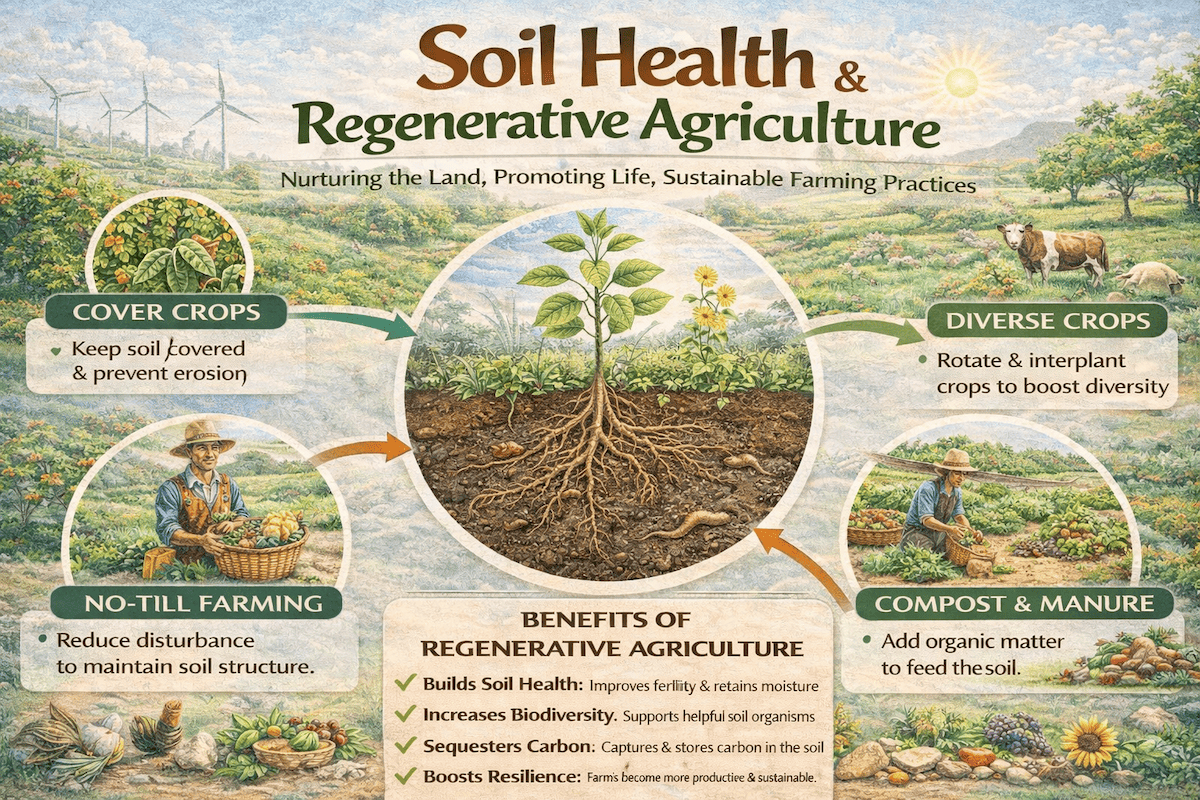
For years, organic gardening has been held up as the gold standard for sustainable practices. But what if we could go further? Regenerative gardening isn’t just about sustaining our soil; it’s about actively rebuilding it. It’s a shift in perspective, moving from simply taking from the land to working with nature to improve it. This approach considers the garden as a complete ecosystem, not just a place to grow food.
The core principles are straightforward: minimize soil disturbance, maximize biodiversity, keep the soil covered, maintain living roots year-round, and integrate livestock where possible. Even a small backyard can benefit from mimicking natural systems. Think about how a forest floor functions – it’s rarely bare, constantly layered with organic matter, and teeming with life. That’s the model we're aiming for.
Conventional agriculture often strips the soil of its nutrients, relying heavily on synthetic fertilizers. Organic methods are better, but can still involve tilling, which disrupts the soil food web. Regenerative gardening seeks to address these shortcomings by prioritizing soil health as the foundation for a thriving garden. It’s about working with natural processes, not against them.
The urgency of this approach is becoming increasingly clear. With climate change accelerating and soil degradation impacting food security, we need practices that not only produce food but also sequester carbon, improve water infiltration, and build resilience. It’s a powerful way to contribute to a healthier planet, one garden at a time.
The Soil Food Web: Nature’s Recycling System
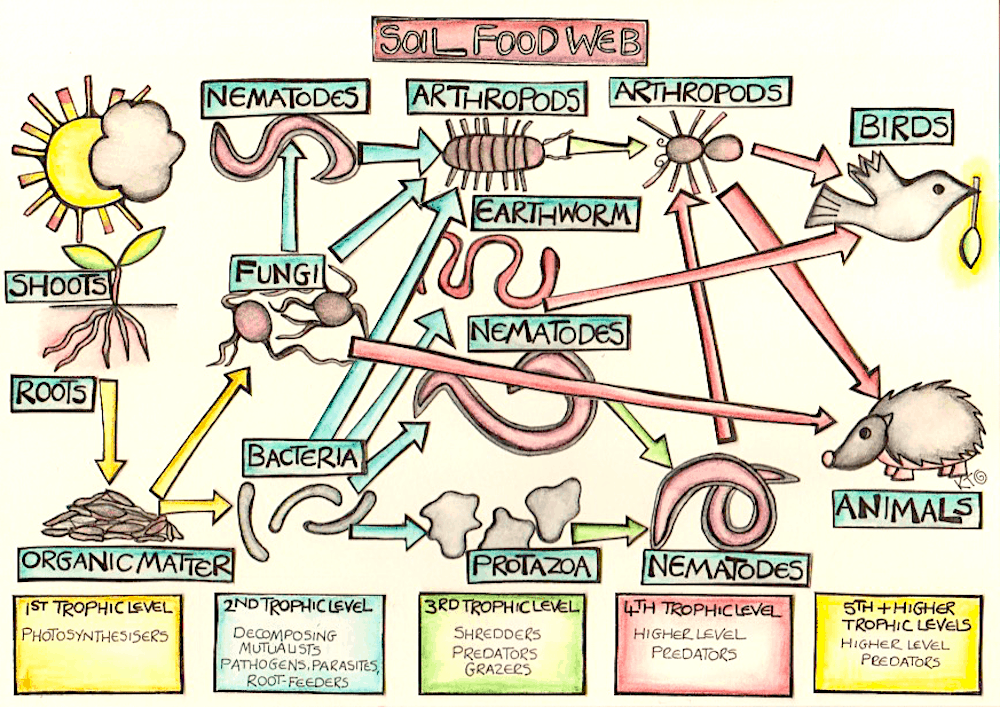
Imagine a bustling city beneath your feet—that’s the soil food web. It’s a complex network of organisms, from microscopic bacteria and fungi to larger creatures like earthworms and insects, all interacting to create healthy soil. This isn’t just dirt; it's a living ecosystem. The USDA NRCS has excellent resources detailing the importance of soil health, and they really emphasize this interconnectedness.
Bacteria are the primary decomposers, breaking down organic matter into simpler compounds that plants can use. Fungi, especially mycorrhizal fungi, form symbiotic relationships with plant roots, extending their reach and improving nutrient uptake. Think of them as tiny extensions of the root system, accessing nutrients plants couldn’t reach on their own. Protozoa and nematodes feed on bacteria and fungi, releasing nutrients in a plant-available form.
Arthropods, like mites and springtails, shred larger pieces of organic matter, making it accessible to other organisms. All these interactions create a continuous cycle of nutrient cycling and soil structure improvement. A healthy soil food web results in better water infiltration, increased nutrient availability, and enhanced plant growth. It’s a self-regulating system, if allowed to flourish.
It can be a bit overwhelming to think about all these organisms, but the key takeaway is this: healthy soil isn’t just about the nutrients in the soil, it’s about the life in the soil. The more diverse and abundant the soil food web, the healthier your garden will be. Focus on feeding the soil, not just the plants, and the rest will follow.
- Bacteria: Decompose organic matter, release nutrients.
- Fungi: Form symbiotic relationships with plant roots, improve nutrient uptake.
- Protozoa & Nematodes: Feed on bacteria and fungi, release nutrients.
- Arthropods: Shred organic matter, improve soil structure.
No-Till Gardening: A Foundation for Regeneration
Tilling, the practice of turning over the soil, has long been a standard gardening technique. But it’s also incredibly disruptive to the soil food web. No-till gardening, as the name suggests, avoids disturbing the soil structure. This has a cascade of benefits, including reduced erosion, improved water infiltration, increased organic matter, and enhanced soil biology. It’s a cornerstone of regenerative gardening.
There are several no-till methods. Sheet mulching (also known as lasagna gardening) involves layering cardboard, compost, and other organic materials to create a rich growing medium. Direct seeding involves planting seeds directly into undisturbed soil, often with the aid of cover crops. Broadforking gently loosens the soil without inverting it, improving aeration and drainage. Each method has its place, depending on your soil type and garden setup.
A common concern with no-till is weed control. Mulching heavily with organic materials like straw, wood chips, or leaves is essential. Another concern is compaction, particularly in clay soils. Adding plenty of organic matter and using cover crops can help alleviate this. I'm not sure about the absolute best methods for extremely heavy clay soils, but incorporating biochar might be a worthwhile experiment.
Cover crops are particularly important in a no-till system. They protect the soil from erosion, suppress weeds, and add organic matter. They also help build soil structure and improve nutrient cycling. Choosing the right cover crops for your climate and soil type is key to success.
Cover Crops: Soil's Best Friends
Cover crops are plants grown specifically to benefit the soil, rather than for harvest. They're a powerhouse of regenerative gardening, offering a multitude of benefits. These include nitrogen fixation (especially with legumes), weed suppression, erosion control, and improved soil structure. They're truly soil’s best friends.
Different types of cover crops offer different advantages. Legumes, like clover and vetch, fix nitrogen from the atmosphere, enriching the soil. Grasses, like rye and oats, have extensive root systems that improve soil structure and prevent erosion. Brassicas, like radishes and mustard, can break up compacted soil and suppress nematodes.
Choosing the right cover crop depends on your specific needs and climate. For example, crimson clover is a good choice for adding nitrogen in the spring, while winter rye is excellent for suppressing weeds over the winter. Extension.umd.edu provides regionally specific recommendations for Maryland gardeners, and similar resources exist for other areas.
Incorporating cover crops into your garden rotation doesn’t have to be complicated. You can sow them after harvesting your main crops in the fall and terminate them in the spring before planting again. Or, you can use them as a green manure, chopping them down and incorporating them into the soil to add organic matter.
Cover Crop Comparison for Regenerative Gardening
| Cover Crop Species | Key Benefits | Climate/Soil Suitability | Planting Season | Termination Method |
|---|---|---|---|---|
| Crimson Clover | Excellent nitrogen fixation, good biomass production, attracts pollinators | Cool-season, adaptable to various soil types, prefers well-drained | Fall (September-October) or early Spring (February-March) | Mowing, rolling/crimping, or light tillage |
| Winter Rye | Strong weed suppression, significant biomass, improves soil structure | Cold-tolerant, adaptable to a wide range of soil types, including poor soils | Fall (September-November) | Mowing, rolling/crimping, or tillage before planting cash crop |
| Hairy Vetch | High nitrogen fixation, good ground cover, suppresses weeds | Cool-season, prefers well-drained soils, can tolerate some shade | Fall (September-October) | Mowing, rolling/crimping, or light tillage |
| Oats | Rapid biomass production, good soil conditioner, scavenges nutrients | Cool-season, adaptable to various soil types, prefers moderate moisture | Spring (March-May) or late Summer (August-September) | Mowing or frost kill (winter termination) |
| Buckwheat | Fast-growing, improves soil phosphorus availability, attracts beneficial insects | Warm-season, prefers well-drained soils, sensitive to frost | Late Spring/Summer (May-August) | Mowing or tillage before flowering |
| Austrian Winter Pea | Good nitrogen fixation, provides early spring biomass, suppresses weeds | Cool-season, prefers well-drained loamy soils | Fall (September-November) | Mowing, rolling/crimping, or tillage |
Illustrative comparison based on the article research brief. Verify current pricing, limits, and product details in the official docs before relying on it.
Native Plants & Wildlife Habitats: Building an Ecosystem
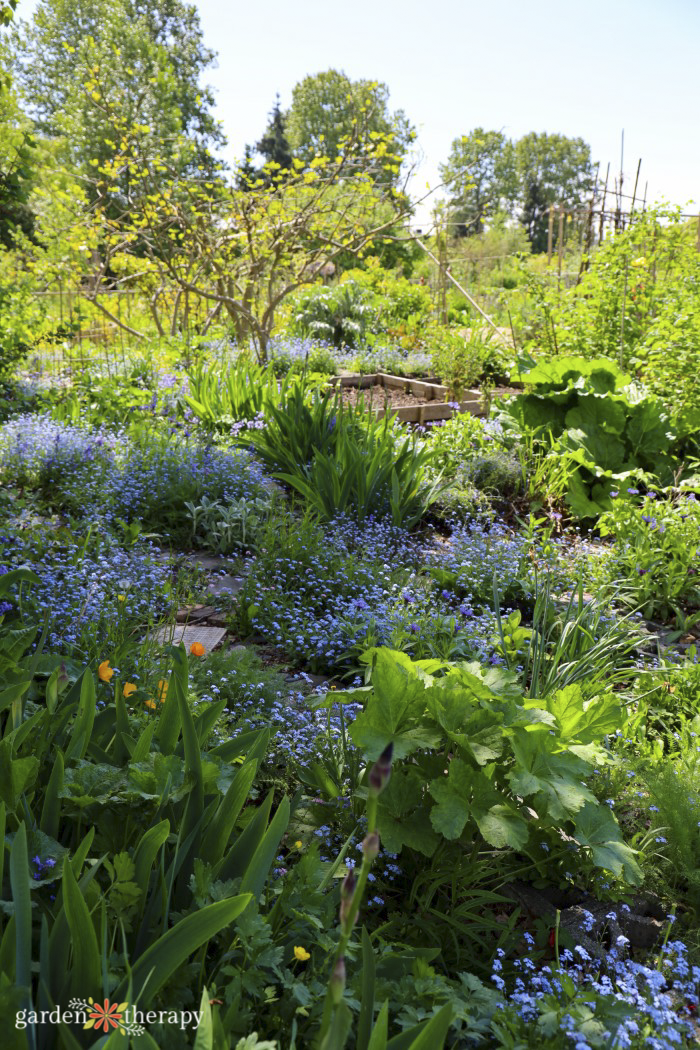
A truly regenerative garden isn't just about healthy soil; it's about creating a thriving ecosystem. Native plants are the foundation of that ecosystem. They’ve evolved alongside local wildlife, forming intricate relationships that support biodiversity. Using non-native plants can disrupt these relationships, offering little to no benefit to local pollinators and other animals.
The concept of food webs is central here. Native plants provide food and shelter for insects, which in turn feed birds and other animals. When you plant native species, you’re not just providing food for one creature; you’re supporting an entire web of life. This creates a more resilient and balanced garden ecosystem.
Creating diverse habitats is also crucial. A meadow filled with wildflowers provides food for pollinators. A hedgerow offers shelter and nesting sites for birds. A brush pile provides habitat for small mammals and insects. The more diverse your garden, the more wildlife it will attract.
Consider plants like milkweed for Monarch butterflies, coneflowers for bees, and native grasses for birds. Research plants native to your specific region – resources from local nurseries and conservation organizations are invaluable. A garden filled with native plants isn’t just beautiful; it’s a vital contribution to local biodiversity.
- Milkweed: Supports Monarch butterflies.
- Coneflowers: Attracts bees and other pollinators.
- Native grasses: Provide food and shelter for birds.
- Goldenrod: Late-season nectar source for pollinators.
Native Plant Spotlight
- New England Aster (Symphyotrichum novae-angliae) - A vibrant purple wildflower blooming late in the season, providing a crucial nectar source for migrating Monarch butterflies and native bees. Prefers full sun and moist soil. Zones 3-8.
- Black-Eyed Susan (Rudbeckia hirta) - These cheerful yellow daisies are magnets for pollinators, especially bees and butterflies. They're also a host plant for the Silvery Checkerspot butterfly. Thrives in full sun and well-drained soil. Zones 3-9.
- Milkweed (Asclepias spp.) - Essential for Monarch butterfly larvae, various milkweed species offer different colors and growth habits. Common Milkweed (Asclepias syriaca) and Butterfly Weed (Asclepias tuberosa) are popular choices. Requires full sun. Zones 3-10 (depending on species).
- Blueberry (Vaccinium spp.) - Not just for delicious pies! Native blueberry bushes provide food and shelter for birds and attract pollinators during bloom. Requires acidic soil and full sun to partial shade. Zones 3-7 (depending on species).
- Wild Lupine (Lupinus perennis) - A beautiful flowering plant that supports the Karner Blue butterfly, a federally endangered species in some regions. Prefers well-drained, sandy soil and full sun. Zones 3-8.
- Goldenrod (Solidago spp.) - Often unfairly blamed for allergies, Goldenrod is a late-blooming powerhouse for pollinators preparing for winter. Numerous species exist, offering varying heights and bloom times. Prefers full sun and adaptable to many soil types. Zones 2-9.
- Serviceberry (Amelanchier spp.) - A small tree or shrub offering beautiful spring blossoms for pollinators and edible berries for birds and people. Prefers full sun to partial shade and well-drained soil. Zones 4-8.
Composting & Nutrient Cycling: Closing the Loop
Composting is the natural process of breaking down organic matter into a nutrient-rich soil amendment. It’s a cornerstone of regenerative gardening, allowing you to return nutrients to the soil and reduce waste. It's essentially mimicking the decomposition process that happens naturally in forests.
There are several composting methods. Hot composting involves maintaining a high temperature to accelerate decomposition, while cold composting is a slower, more passive process. Vermicomposting, using worms, is a great option for smaller spaces. The method you choose depends on your space, time, and resources.
Successful composting requires a balance of “greens” (nitrogen-rich materials like food scraps and grass clippings) and “browns” (carbon-rich materials like leaves and shredded paper). Turning the compost pile regularly helps aerate it and speed up decomposition. Compost tea, made by steeping compost in water, can be used as a liquid fertilizer.
Don’t overthink composting. It's a natural process, and it doesn't have to be perfect. Even a simple pile of leaves and kitchen scraps will eventually break down into valuable compost. It’s a powerful way to close the loop and create a more sustainable garden.
Water Conservation: Working with Nature
Water is a precious resource, and regenerative gardening emphasizes water-wise practices. This means using techniques that conserve water and work with natural hydrological cycles. Healthy soil, rich in organic matter, is the foundation of water conservation, as it has a greater capacity to hold water.
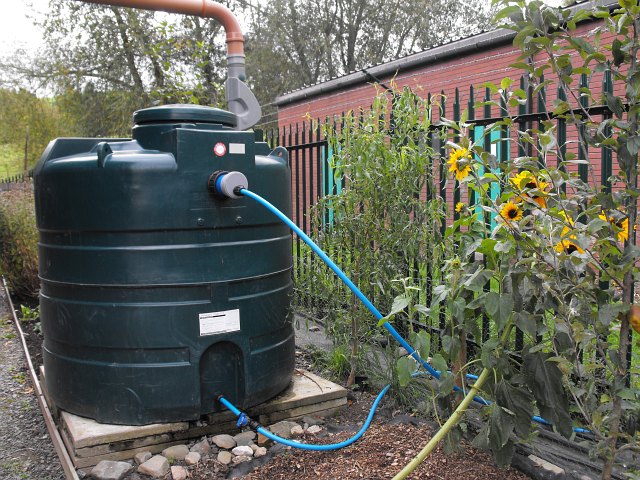
Rainwater harvesting is a simple and effective way to collect water for your garden. Mulching with organic materials helps retain moisture in the soil and suppress weeds. Drought-tolerant plants require less water once established. Efficient irrigation methods, like drip irrigation, deliver water directly to the roots.
Techniques like swales and rain gardens can help capture and infiltrate rainwater, reducing runoff and replenishing groundwater. Swales are shallow ditches designed to slow down and divert water, while rain gardens are depressions planted with native plants that filter and absorb rainwater.
Focusing on soil health is paramount. A soil teeming with life will naturally hold more water, reducing your reliance on irrigation. By working with nature, rather than against it, you can create a garden that is both beautiful and sustainable.
Regenerative Gardening in 2026: Trends & Resources
Regenerative gardening is gaining momentum, and several exciting trends are emerging. Permaculture, a design system based on ecological principles, is becoming increasingly popular. Agroforestry, integrating trees and shrubs into agricultural systems, is another promising approach. Biochar, a charcoal-like substance made from biomass, is being explored as a soil amendment to improve fertility and sequester carbon.
There are a wealth of resources available to help you. Books like 'Gaia’s Garden' by Toby Hemenway offer a comprehensive introduction to permaculture. Websites like the USDA NRCS and Garden Therapy provide valuable information and resources. Local workshops and community gardens can offer hands-on learning opportunities.
The future of gardening is regenerative. By embracing these principles, we can create gardens that not only provide us with food but also contribute to a healthier planet. It's a journey, not a destination, and every small step counts. Let's all work together to restore our soil and build a more sustainable future.
What is your biggest challenge when it comes to regenerative gardening?
Vote below!

No comments yet. Be the first to share your thoughts!