

Start with a soil health check
Healthy soil is the foundation of a wildlife-friendly garden. It supports native plants, which in turn provide food and shelter for local insects, birds, and small mammals. Before planting, take time to assess your soil’s current condition. Good soil feels crumbly, smells earthy, and drains water without becoming soggy.
Begin by testing your soil’s pH and nutrient levels. Most native plants prefer slightly acidic to neutral soil, but specific needs vary by species. You can buy inexpensive test kits at garden centers or send samples to a local cooperative extension service for a detailed analysis. This data tells you exactly what amendments are needed, preventing guesswork and waste.
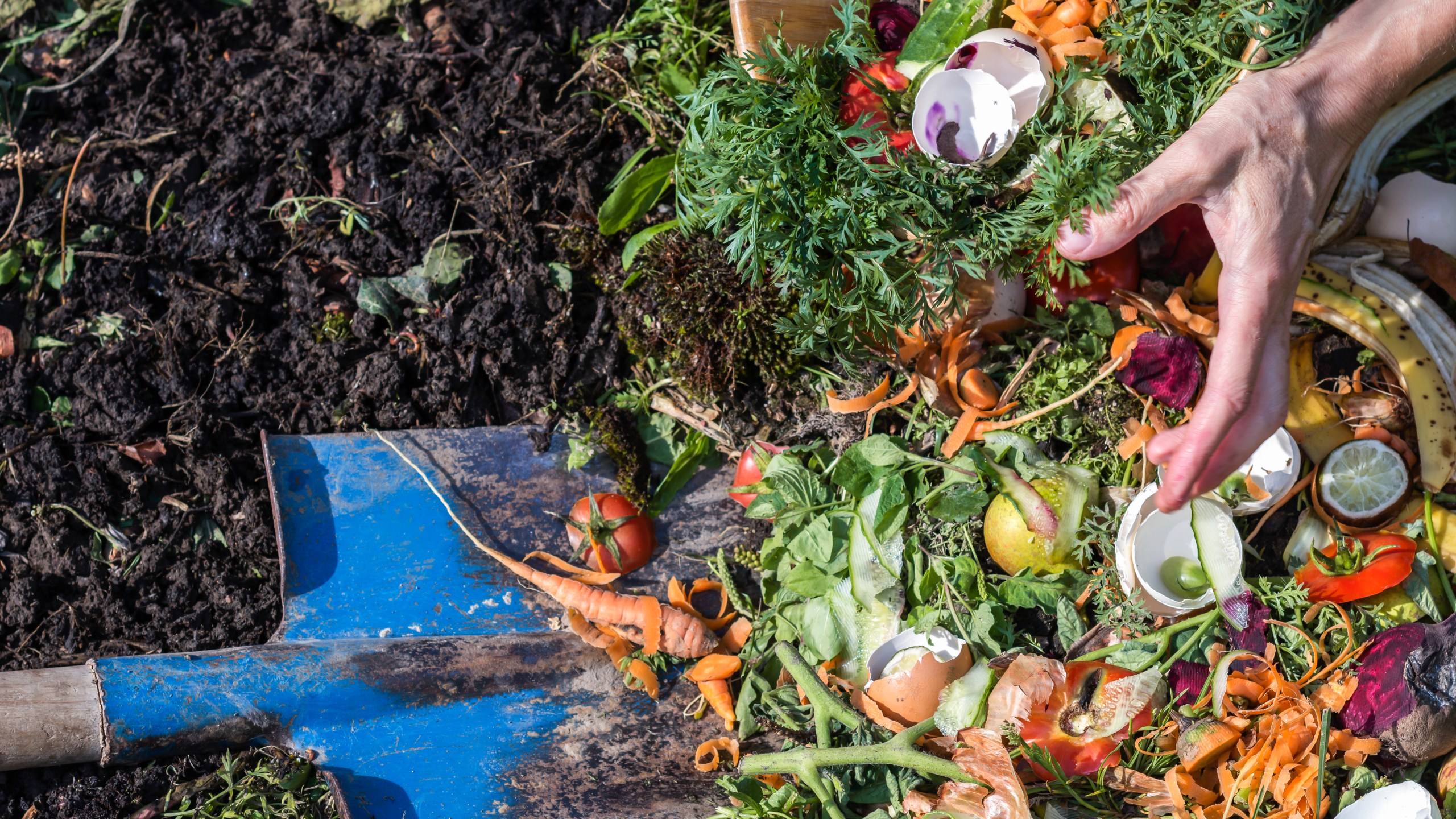
Once you know your soil’s baseline, focus on building organic matter. Compost is the single best amendment for improving soil structure, water retention, and microbial life. Mix two to three inches of finished compost into the top six inches of your garden bed before planting. If you don’t have a compost pile, collect fallen leaves, grass clippings, and kitchen scraps to create your own free, nutrient-rich soil food.
Avoid synthetic fertilizers. While they provide a quick green boost, they often wash away into waterways, causing algae blooms that harm aquatic life. They can also disrupt the delicate balance of soil microbes that native plants rely on. Instead, feed the soil with compost and organic mulches like wood chips or straw. This approach mimics natural forest floors, encouraging a self-sustaining ecosystem.
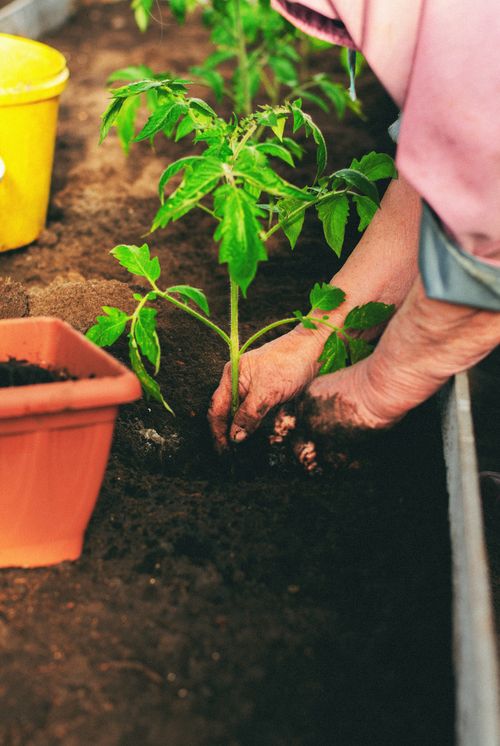
Use a pH test kit or send a sample to your local extension office to determine nutrient levels and acidity. This step prevents unnecessary amendments and guides your planting choices.
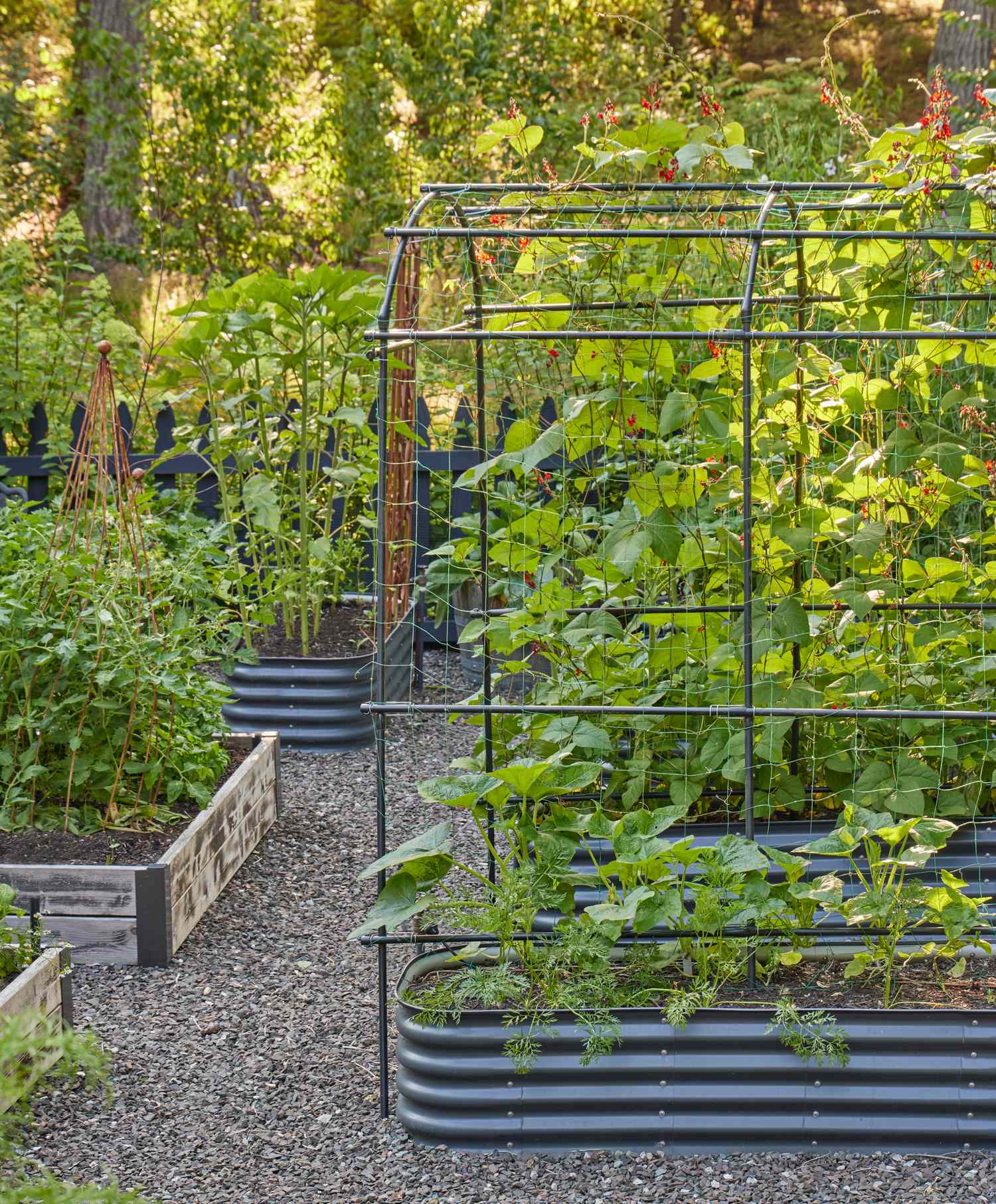
Spread two to three inches of finished compost over your garden beds. Work it into the top six inches of soil to improve drainage and provide slow-release nutrients.
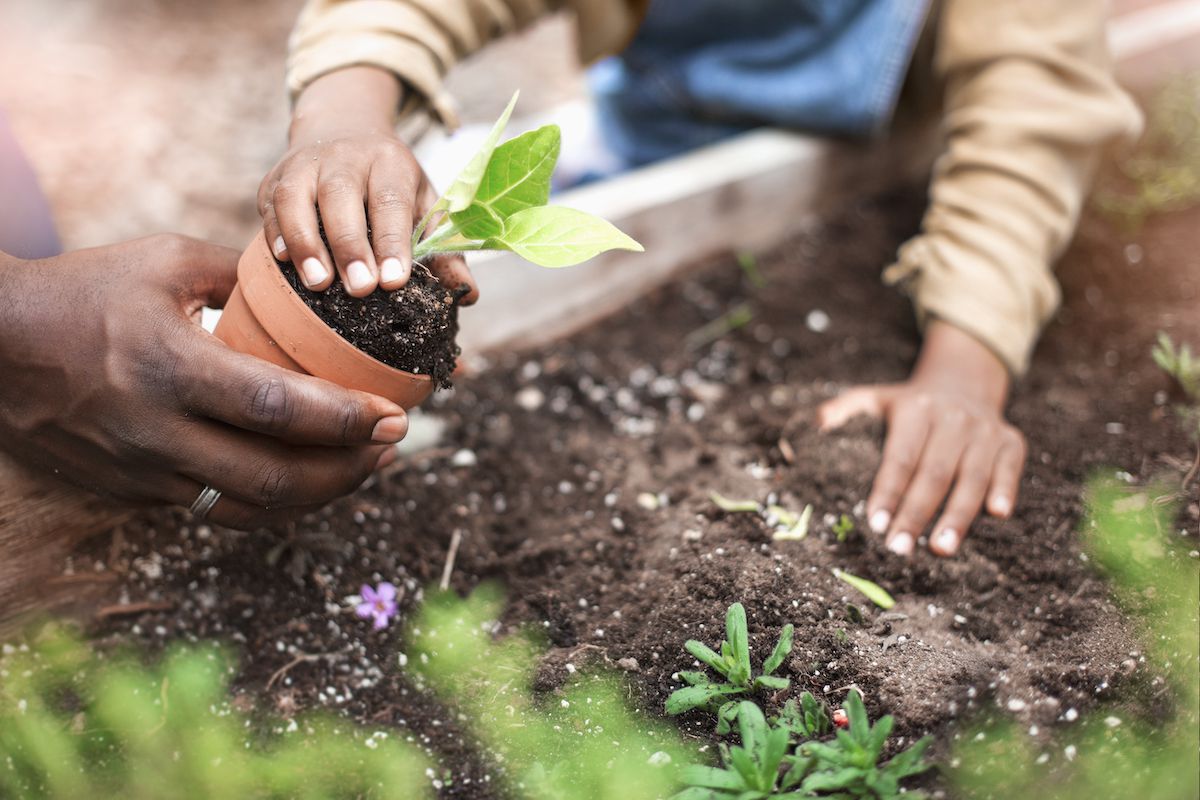
Apply a layer of organic mulch, such as wood chips or shredded leaves, around your plants. This retains moisture, suppresses weeds, and gradually breaks down to feed the soil.
Select native plants for your zone
Choosing native plants for your zone is the single most effective step in building a wildlife-friendly garden. Native species have evolved alongside local pollinators and birds, providing the specific nectar, pollen, and foliage those creatures rely on. Unlike exotic ornamentals, these plants are adapted to your regional climate and soil, which drastically reduces the need for watering, fertilizing, or chemical pest control.
Start by identifying your USDA Hardiness Zone and local ecological region. This data determines which species can survive your winter lows and thrive in your summer heat. Once you know your zone, look for plants that bloom at different times of the year to ensure a continuous food source for bees, butterflies, and hummingbirds. Prioritize native milkweeds for monarchs, coneflowers for bees, and berry-producing shrubs for birds.
Design layers for habitat structure
Build a Wildlife-Friendly Garden with Native Plants works best as a clear sequence: define the constraint, compare the realistic options, test the tradeoff, and choose the path with the fewest hidden costs. That order keeps the advice usable instead of decorative. After each step, pause long enough to check whether the recommendation still fits the reader's actual situation. If it depends on perfect timing, unusual access, or a best-case budget, include a simpler fallback.
Install Water and Shelter Features
A garden with native plants feeds wildlife, but animals also need water and a safe place to hide. Adding these elements turns your yard from a simple planting bed into a complete habitat. Think of your garden as a house: the plants are the kitchen, but the water source and shelter are the bedroom and bathroom. Without them, wildlife will pass through but won’t stay.
Start by installing a water source. Birds and insects need fresh water for drinking and bathing, especially during hot months. A shallow birdbath is the most effective option. Place it on a stable surface near some cover, like a shrub or tree, so birds can escape predators if they feel threatened. Add smooth stones or pebbles to the bottom to create shallow landing spots for smaller insects and butterflies. Change the water every two to three days to prevent mosquitoes from breeding.
Next, build shelter. Many native pollinators and small mammals need protected spaces to nest or hibernate. You can create a brush pile by stacking dead branches and twigs in a corner of the garden. This simple structure provides insulation and hiding spots for beneficial insects, frogs, and small mammals. For bees, consider leaving some bare patches of soil or installing a small "bug hotel" made of hollow reeds and drilled wood. Ensure these features are placed in quiet, undisturbed areas of the garden.
Select a birdbath with a slope or add stones to a bowl to ensure the water is shallow enough for birds and insects to land safely. Avoid deep bowls that can drown small creatures.
Place the water feature within 10 feet of native shrubs or trees. This gives wildlife a quick escape route from predators like hawks or cats while they drink or bathe.
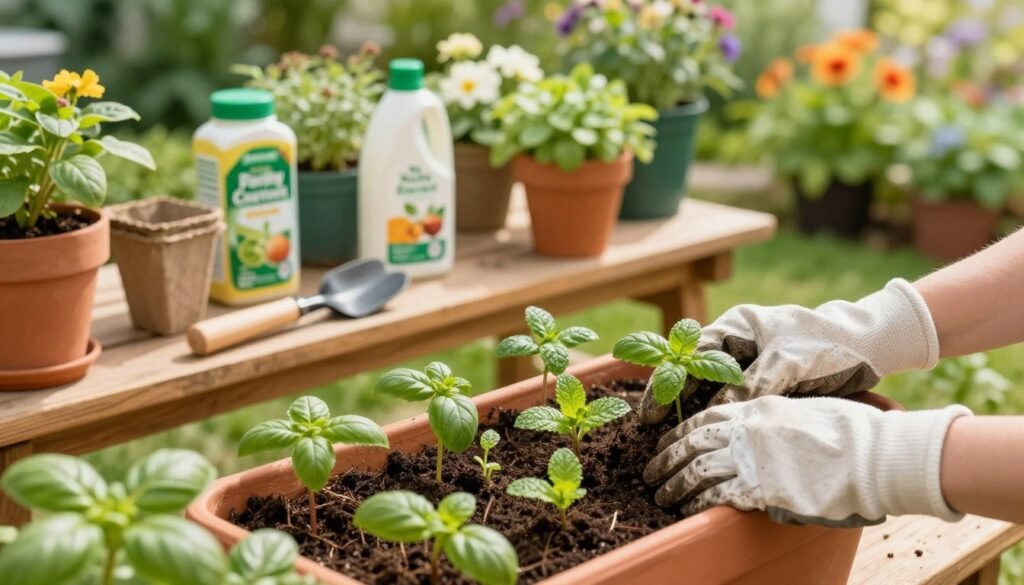
Stack dead branches, leaves, and twigs in a corner of the garden to create a brush pile. For solitary bees, drill holes into untreated wood blocks or bundle hollow reeds to create a bug hotel.
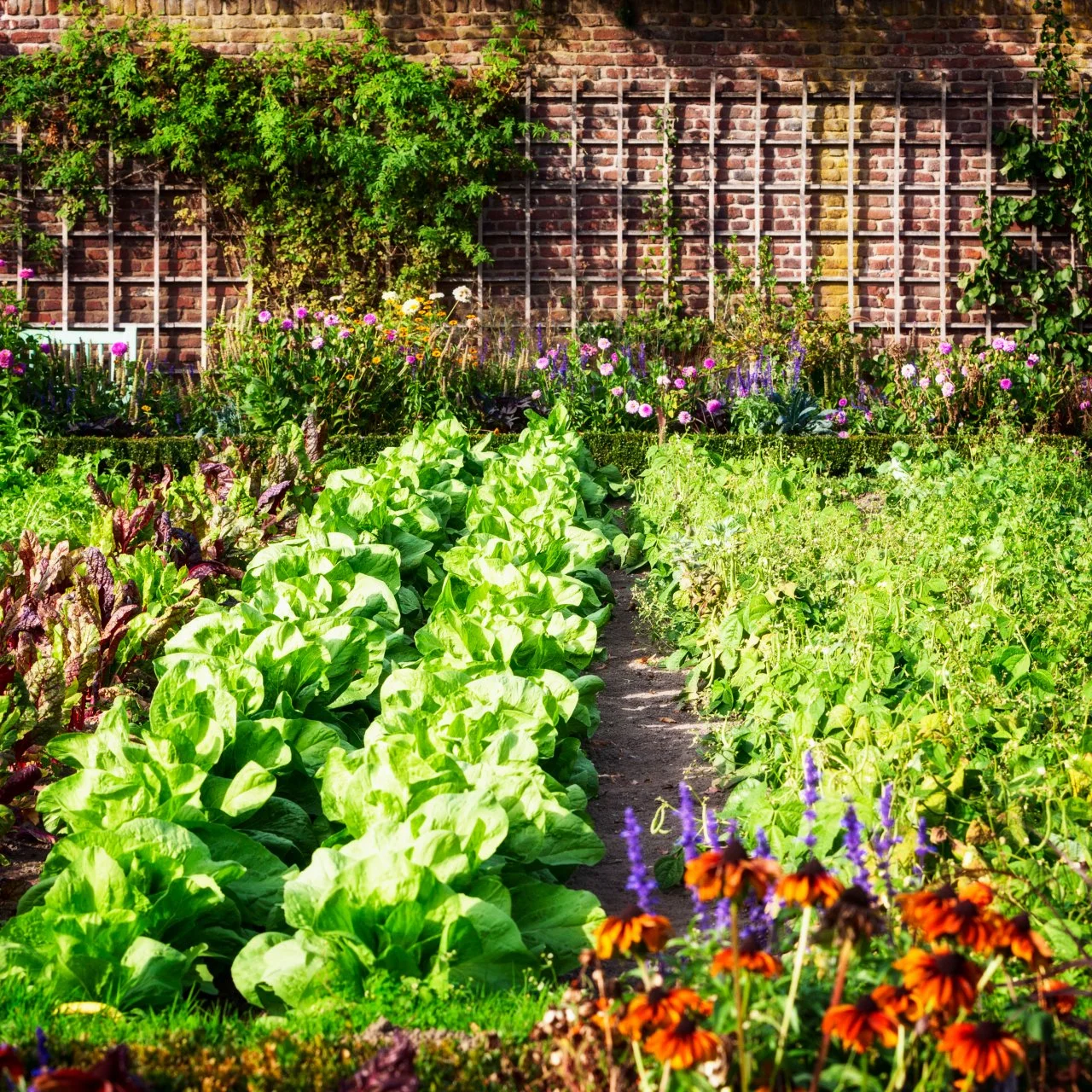
Clean the birdbath regularly to prevent algae and disease. Check the brush pile periodically to ensure it remains dry and structurally sound. Replace hollow reeds in bug hotels annually to prevent parasite buildup.
Maintain without chemicals
Keep your native plant garden thriving by replacing synthetic inputs with organic habits. This approach protects soil health, safeguards pollinators, and reduces runoff into local waterways. The goal is to work with natural cycles rather than against them.

Inspect plants weekly for aphids, caterpillars, or beetles. Remove heavy infestations by hand or spray them off with a strong jet of water. Prune only diseased or dead branches to improve air circulation, which naturally discourages fungal growth.
Spread a two-inch layer of shredded leaves, wood chips, or straw around the base of your plants. Mulch suppresses weeds, keeps soil temperatures stable, and breaks down slowly to feed the soil. Keep mulch a few inches away from plant stems to prevent rot.
Instead of synthetic fertilizers, add a thin layer of compost in early spring and fall. Compost introduces beneficial microbes and slowly releases nutrients that native plants are adapted to absorb. This builds long-term soil structure and water retention.
In autumn, resist the urge to rake every leaf. Many native bees, butterflies, and beneficial insects overwinter in hollow stems and leaf piles. Rake only pathways and lawns; leave garden beds undisturbed until spring growth emerges.
Once established, most native plants require minimal irrigation. When you do water, do so deeply to encourage deep root growth. Water early in the morning to reduce evaporation and prevent fungal issues. Check soil moisture before watering to avoid over-saturation.
By following these organic maintenance steps, you create a resilient ecosystem that supports local wildlife while reducing your environmental footprint. The Chicago Botanic Garden notes that sustainable gardening minimizes external inputs, allowing the garden to function more like a natural habitat. This shift from control to cooperation is the foundation of a truly wildlife-friendly space.
Common questions about native gardens
Building a wildlife-friendly garden with native plants often raises practical concerns before the first shovel hits the soil. Here are the most frequent questions about cost, maintenance, and regulations.
Are native plants expensive?
Native plants are not necessarily cheap, but they save money over time. Because they are adapted to your local climate, they require less watering, fertilizer, and replacement than exotic species. The initial investment pays off as these plants establish deep root systems and thrive with minimal intervention.
Do native gardens require more maintenance?
Once established, native gardens generally require less maintenance than traditional lawns. They are resistant to local pests and diseases, reducing the need for pesticides. However, the first year requires consistent watering to help roots settle. After that, maintenance shifts to seasonal pruning and mulching rather than constant weeding or mowing.
Are there legal restrictions on native gardening?
Most areas encourage native gardening, but some homeowners associations (HOAs) have strict landscaping rules. Check your local HOA guidelines before planting. Additionally, some regions have regulations regarding invasive species or water usage. Contact your local extension office for specific regional advice on permitted native species.
No comments yet. Be the first to share your thoughts!