
Why native plants matter for local wildlife
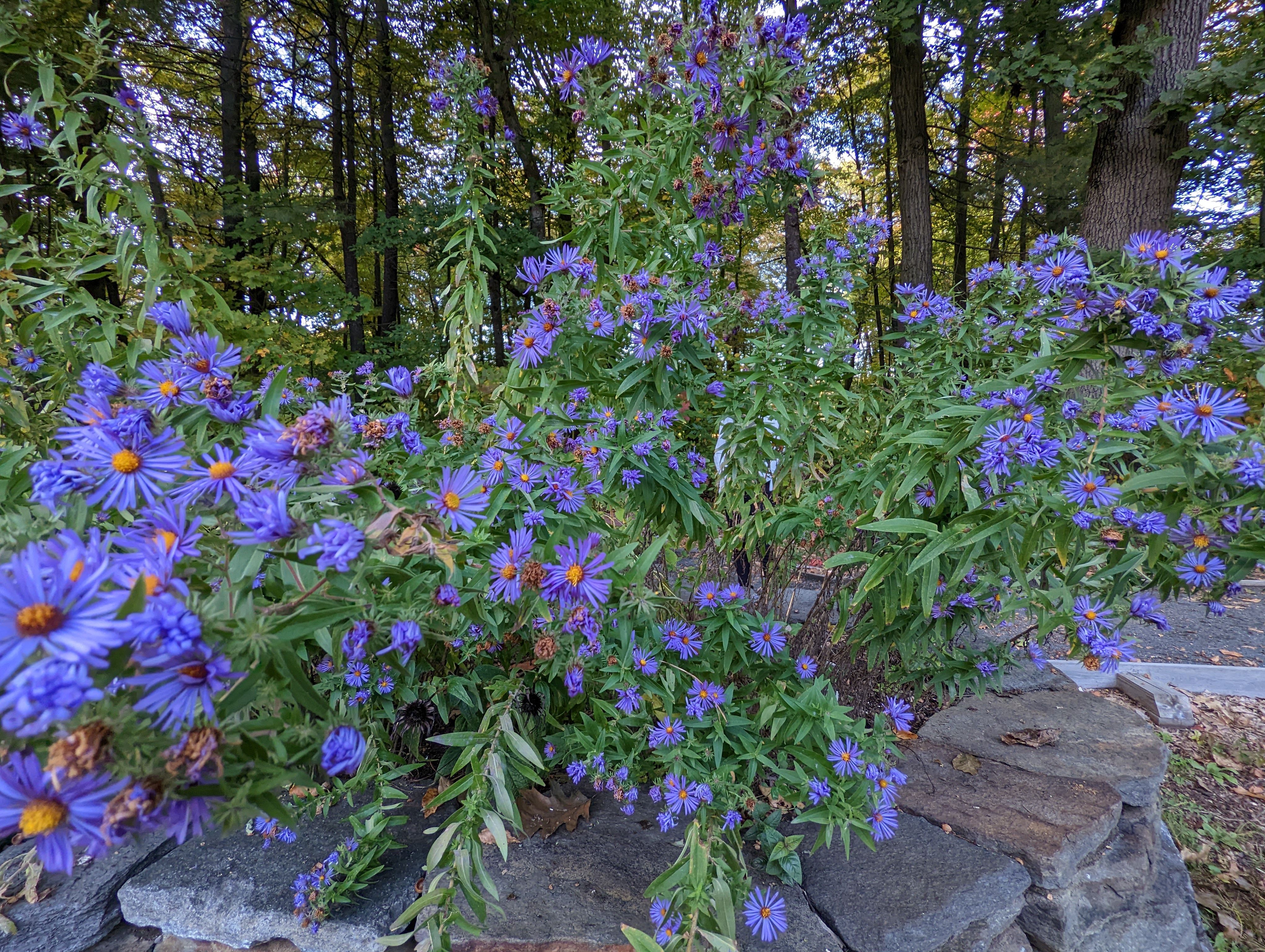
Native plants form the backbone of a thriving ecosystem, acting as the primary food source and shelter for local fauna. Unlike exotic ornamentals that often offer little nutritional value, indigenous species have co-evolved with regional insects, birds, and mammals over thousands of years. This evolutionary relationship means that native flora supports a far higher density of life, turning a simple garden into a functional habitat.
The connection between native plants and pollinators is particularly strong. Many bee and butterfly species rely on specific native flowers for nectar and pollen, while their larvae require native host plants to survive. For example, oak trees support hundreds of caterpillar species, which in turn feed hungry nestling birds. By planting species like milkweed or coneflower, you directly sustain the insect populations that keep your garden healthy and productive.
Birds also depend heavily on native vegetation. The National Audubon Society notes that creating bird-friendly habitats starts with choosing plants that produce berries, seeds, and nectar native to your region. These plants provide the energy birds need for migration and breeding, offering a sustainable alternative to artificial feeders that can sometimes spread disease.
Creating a wildlife-friendly garden is not just about aesthetics; it is about restoring ecological balance. When you prioritize native species, you reduce the need for chemical fertilizers and pesticides, as these plants are adapted to your local climate and soil conditions. This approach fosters a resilient garden that requires less maintenance while offering maximum benefit to the surrounding environment.
Top native perennials for pollinators
Native perennials are the backbone of a wildlife-friendly garden. Unlike hybrid varieties bred for uniformity, these plants are adapted to local bees and butterflies, offering the specific nectar and pollen they need to thrive. Choosing the right species transforms your garden into a reliable food source, supporting pollinator populations right from your backyard.
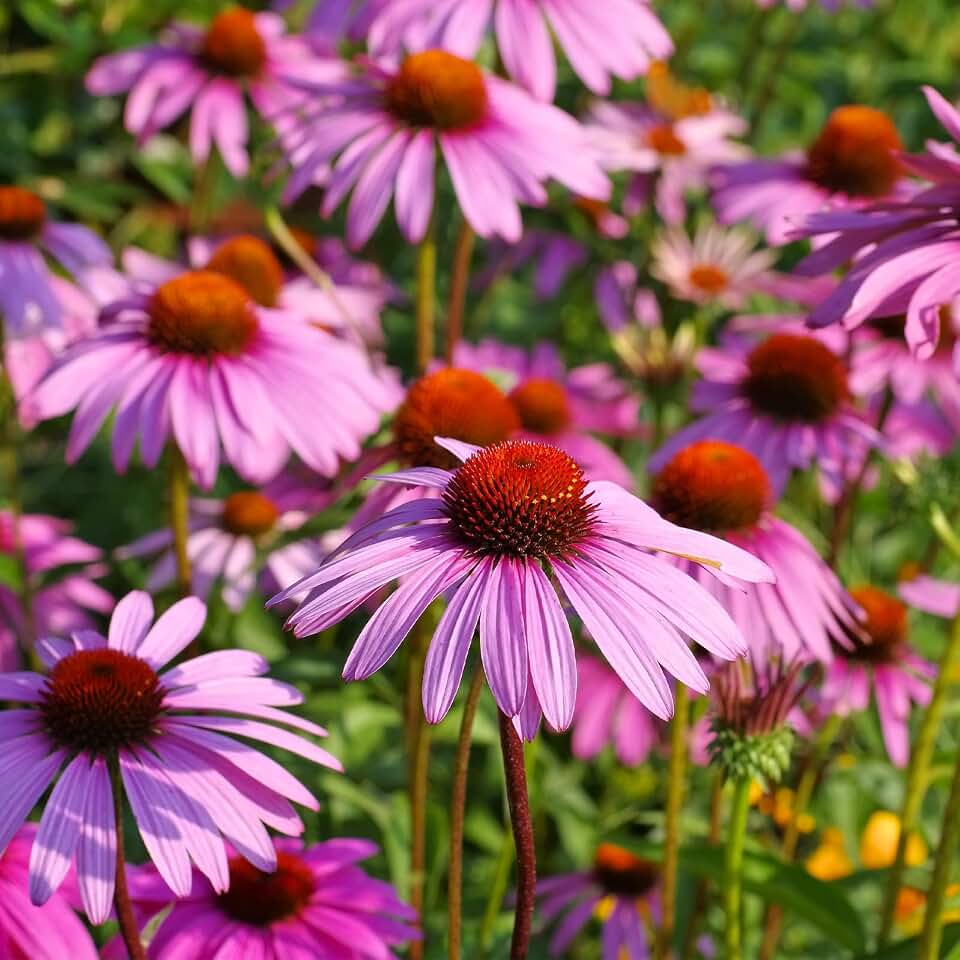
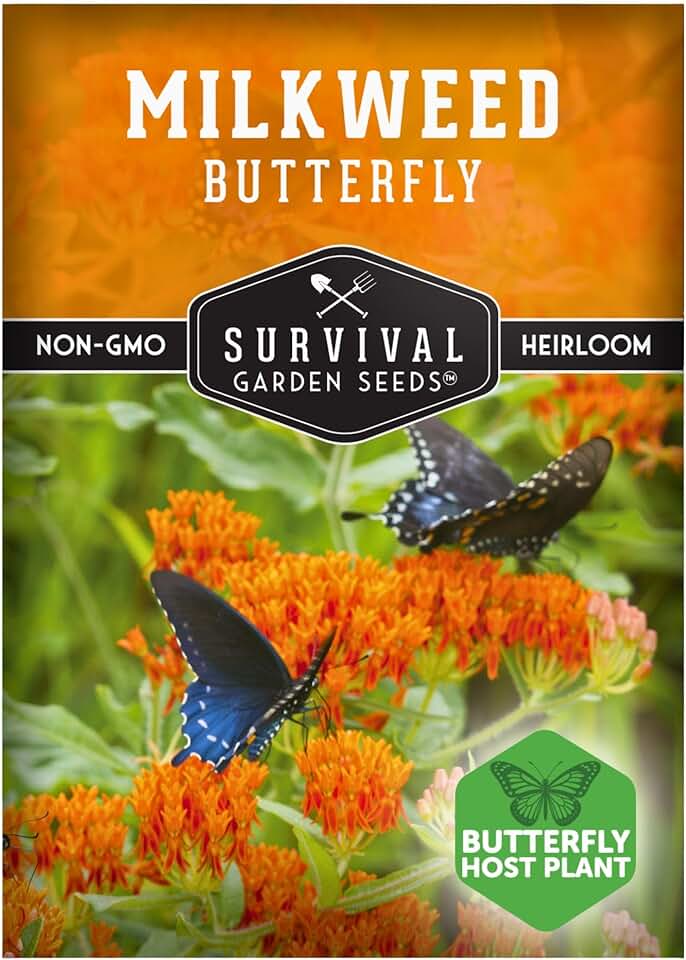
When selecting plants, focus on those with open flower structures that allow easy access for pollinators. Coneflowers, black-eyed Susans, and milkweed are proven favorites that attract a wide variety of insects. These perennials return year after year, building a resilient ecosystem that requires less maintenance than non-native alternatives.
To help you get started, we’ve curated a selection of popular native perennial options available for purchase. These plants are known for their hardiness and ability to attract bees, butterflies, and other beneficial insects.


As an Amazon Associate, we may earn from qualifying purchases.
Shrubs and trees for bird habitats
Shrubs and trees form the structural backbone of a wildlife-friendly garden. While perennials provide seasonal blooms, woody plants offer the permanent shelter and consistent food sources that birds need to survive year-round. Native species are particularly effective because local birds recognize specific berries, nuts, and foliage as reliable resources.
Choosing the right mix of understory shrubs and canopy trees creates vertical layers in your landscape. This mimics natural forest edges, providing safe nesting spots away from predators and abundant foraging opportunities. When selecting plants, prioritize those that produce fruit, nuts, or seeds, as these are critical energy sources, especially during migration and winter months.
To help you get started, we’ve selected a few native shrubs and trees that are widely available and proven to attract diverse bird species. These selections focus on ease of growth and high wildlife value.


As an Amazon Associate, we may earn from qualifying purchases.
These plants not only support bird populations but also contribute to a sustainable, low-maintenance garden. By incorporating these native woody plants, you create a resilient ecosystem that requires less water and fewer chemicals than non-native alternatives. The result is a garden that buzzes with life and supports local biodiversity.
How to choose plants for your region
Native plants are not one-size-fits-all. A plant that thrives in the humid Southeast may rot in the dry Southwest. Choosing the right native plants for your region ensures they support local ecosystems without requiring excessive water or chemical interventions.
1. Find your USDA hardiness zone
Your hardiness zone determines which plants can survive your winter lows. Check the USDA Plant Hardiness Zone Map to identify your specific zone. This is the first filter for any wildlife-friendly garden, as it eliminates plants that cannot handle your climate.
2. Search a regional native plant database
Use local databases to find species that are already adapted to your area. The Native Plant Society of Texas and similar regional organizations maintain lists of plants available at local nurseries. These sources help you avoid non-native look-alikes that offer no value to local pollinators.
3. Verify local nursery availability
Even if a plant is native to your region, it might not be sold in your local garden center. Check with regional native plant nurseries or online retailers like Garden for Wildlife to see what is actually in stock. Buying locally sourced stock often results in better establishment rates.
4. Match plants to your garden’s conditions
Native plants still have preferences for sun, shade, and soil type. A sun-loving coneflower will struggle in deep shade, even if it is native to your county. Assess your garden’s microclimates and select plants that match those specific conditions.
5. Prioritize plants that support local wildlife
Look for species that are known hosts for local butterflies, bees, and birds. For example, milkweed is essential for monarch butterflies, while oak trees support hundreds of caterpillar species. Choosing these plants creates a functional habitat, not just a decorative space.
| Criterion | Detail |
|---|---|
| Hardiness Zone | Must match your USDA zone |
| Source | Regional native plant society |
| Availability | Local nursery or verified retailer |
| Wildlife Value | Host plant for local pollinators |
Frequently asked questions about native plants
Do native plants actually save water and reduce maintenance? Yes. Because they are adapted to your local climate, native plants generally require less irrigation and no fertilizers once established. The California Native Plant Society notes that these plants help save water, reduce maintenance, and cut down on pesticide use while inviting beneficial pollinators to your yard.
Where can I buy specific native plant species? You can find reliable sources for native species through local botanical gardens, native plant societies, or specialized nurseries. For broader availability, many reputable growers offer popular native varieties on Amazon. Look for products with specific scientific names in the title to ensure you are getting true natives rather than hybrid cultivars.
Are native plants safe for local wildlife? Absolutely. Native plants form the foundation of local ecosystems, providing essential food and shelter for birds, bees, and butterflies. Unlike exotic ornamentals, they support the life cycles of local insects, which in turn feed birds and other small animals, creating a truly wildlife-friendly garden.
How difficult is it to start a native plant garden? Starting is easier than you might think. Many native plants are tough and resilient. The key is to choose species that match your site's sun and soil conditions. Once planted, they often outperform high-maintenance exotics because they are already suited to your environment.
No comments yet. Be the first to share your thoughts!