

The high cost of a green lawn
For generations, the American lawn has been a symbol of the good life. But increasingly, people are questioning the cost – both environmental and personal – of maintaining these expanses of grass. Traditional lawns demand significant inputs: water, fertilizers, and often, pesticides. These inputs don’t just impact your wallet; they contribute to water pollution, greenhouse gas emissions, and a decline in biodiversity. It's a system built on a lot of work for relatively little ecological return.
Consider the sheer amount of water used to keep lawns green, especially in drier climates. Fertilizer runoff carries excess nutrients into waterways, creating algal blooms and dead zones. The constant mowing emits carbon dioxide and contributes to air pollution. A lawn, in many ways, is an ecological dead zone – offering little habitat for wildlife and doing little to support the local ecosystem. It’s a monoculture, essentially.
Native plants grew here long before we arrived, so they don't need the constant life support of sprinklers and chemicals. When you swap grass for local species, you're building a home for the bees and birds that actually belong in your neighborhood. It looks better, sure, but it also works better.
The NOAA Science Advisory Board has emphasized the importance of integrating Indigenous and Local Ecological Knowledge (ILEK) into conservation efforts. This approach recognizes that local communities often possess a deep understanding of their environment and can offer valuable insights for sustainable land management. Lawn conversion, in a sense, is a modern application of this principle—working with natural systems, not against them, and respecting the inherent value of local biodiversity. It’s about shifting from a mindset of control to one of collaboration.
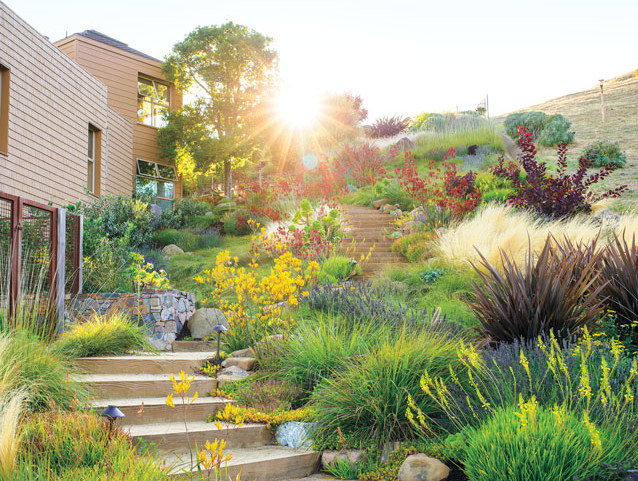
Know your dirt and your zone
Before you start digging, it's crucial to understand what should be growing in your area. A "local’ ecosystem isn’t simply what your neighbors have planted; it"s the plant communities that evolved over centuries in your specific bioregion. This means considering your zip code, elevation, rainfall patterns, and soil type. Plants that thrive in one part of the country may struggle – or even be invasive – in another.
The concept of a bioregion can be a little abstract for beginners. Think of it as a geographic area with distinct ecological characteristics. It’s larger than your yard, but smaller than a state or country. Resources like the Lady Bird Johnson Wildflower Center () allow you to search for native plants by zip code, providing a great starting point. Your state’s native plant society is another excellent resource; they often have plant lists tailored to specific regions.
Don't overlook the importance of soil. Is your soil sandy, clay-rich, or loamy? What’s the pH level? A simple soil test can provide valuable information. Also, observe the microclimates within your yard. Are there areas that are consistently shaded, or particularly exposed to wind? These variations will influence which plants will thrive. Knowing your soil and microclimates will save you time and money in the long run.
Understanding the historical context of your land can also be helpful. What plant communities were likely present before European settlement? This information can be gleaned from historical records, ecological studies, and, importantly, from consulting with local Indigenous communities, where appropriate and respectful collaboration is possible. Remember that native plants aren’t just about recreating a historical landscape; they’re about building a resilient ecosystem for the future.
- Lady Bird Johnson Wildflower Center database
- State Native Plant Societies: Search online for your state’s organization.
- University Extension Offices: Provide local gardening advice and resources.
How to kill the grass
Okay, you’ve planned, researched, and you’re ready to get rid of the grass. There are several methods, each with its own advantages and disadvantages. Manual sod removal is the most labor-intensive, involving physically cutting and lifting the grass. It’s effective, but requires significant effort, especially for large areas. It’s a good option if you want immediate results and are physically able.
Sheet mulching, also known as lasagna gardening, is a slower but less strenuous method. It involves layering cardboard, compost, and other organic materials over the grass, effectively smothering it. This process takes several months, but it also improves soil health and suppresses weeds. Solarization is similar, but uses clear plastic to trap heat and kill the grass. This method is best suited for warm, sunny climates.
Timing is critical. In most climates, fall is the best time to remove grass, allowing the soil to rest over the winter and be ready for planting in the spring. However, in warmer regions, you may be able to remove grass in the spring. Be prepared for persistent weeds and grasses. Some may require multiple treatments or manual removal. Don’t be discouraged – it’s a common challenge.
After removing the grass, prepare the soil by amending it with compost and other organic matter. This will improve drainage, aeration, and fertility. Avoid tilling, as it can disrupt the soil structure and bring weed seeds to the surface. A no-till approach is generally preferred. The goal is to create a healthy, living soil that will support your native plants.
- Manual Sod Removal: Labor-intensive, immediate results.
- Sheet Mulching: Slower, improves soil health.
- Solarization: Best for warm climates, uses plastic sheeting.
Native Plant Selection: Building a Diverse Palette
Now for the fun part: choosing your plants! The key is diversity. A diverse plant community is more resilient to pests, diseases, and climate change. Categorize your needs – do you need groundcovers to prevent erosion, shrubs for privacy, or trees for shade? Consider the growing conditions in different parts of your yard: sun, shade, and moisture levels.
Pollinator attractors are essential. Plants like bee balm ( Monarda spp.), coneflowers (Echinacea spp.), and milkweed (Asclepias spp.) are magnets for bees, butterflies, and hummingbirds. Bird-friendly plants provide food and shelter. Serviceberry (Amelanchier spp.) offers berries for birds, while oaks (Quercus spp.) support a wide range of insect life that birds feed on. Don’t forget about fall and winter interest – plants with berries or attractive bark can provide beauty and food sources during the colder months.
Vary bloom times to provide continuous food sources for pollinators throughout the growing season. Spring-blooming plants like wild columbine (Aquilegia canadensis) can support early-emerging bees, while late-blooming asters (Symphyotrichum spp.) provide nectar for migrating butterflies. Avoid cultivars that have been bred for showy flowers but lack nectar or pollen. Straight species – the original, uncultivated plants – are generally more beneficial to wildlife.
Consider the size and shape of your space. Don't plant a tree that will eventually outgrow its location. Choose plants that are appropriate for your soil type and climate. And remember, native plants aren’t just about what they do for wildlife; they’re also about creating a beautiful and sustainable landscape that you can enjoy.
- Pollinator Attractors: Bee balm, coneflowers, milkweed.
- Bird-Friendly Plants: Serviceberry, oaks.
- Groundcovers: Wild ginger (Asarum canadense), creeping phlox (Phlox subulata).
Choosing Plants for Your Goals
| Plant Type | Attract Pollinators | Provide Bird Food | Erosion Control | Shade |
|---|---|---|---|---|
| Tree | Medium | High | High | High |
| Shrub | High | Medium | Medium | Medium |
| Perennial | High | Medium | Low | Low |
| Groundcover | Medium | Low | Medium | Low |
| Vine | High | Medium | Low | Low |
| Grass (Native) | Medium | Low | High | Low |
| Fern | Low | Low | Medium | Low |
Illustrative comparison based on the article research brief. Verify current pricing, limits, and product details in the official docs before relying on it.
Creating Habitat: More Than Just Plants
A native plant garden isn’t just about the plants themselves; it’s about creating a functioning ecosystem. Providing water sources is crucial. A bird bath, a small pond, or even a shallow dish of water can make a big difference. Brush piles provide shelter for insects, birds, and small mammals. Leaving leaf litter in the fall provides overwintering habitat for many beneficial insects.
Minimize or eliminate pesticide and herbicide use. These chemicals can harm pollinators, birds, and other wildlife. Opt for natural pest control methods, such as attracting beneficial insects or hand-picking pests. Embrace a little "messiness". Leaving some areas of the garden a bit wild – allowing plants to self-seed and grow naturally – can provide valuable habitat.
Think about height. Trees and shrubs offer different nesting spots than groundcovers. You can also hang a birdhouse or a bee hotel. Some gardeners find that specific layering can triple the number of bees visiting the yard.
A naturalized garden doesn't have to look unkempt. With careful planning and design, you can create a beautiful and functional landscape that supports wildlife and enhances your property's aesthetic appeal. It’s a shift in perspective—from a manicured lawn to a thriving ecosystem.
Maintenance & Long-Term Stewardship
Converting a lawn is not a one-time project, it’s an ongoing process. Regular maintenance is essential to keep your native plant garden thriving. Weeding is a necessary task, especially in the early years as native plants become established. Pruning may be required to maintain plant health and shape. Monitor your plants for signs of pests or diseases, and address any issues promptly.
Encourage natural succession. Allow plants to self-seed and spread, creating a more diverse and resilient community over time. Resist the urge to "tidy up" too much. A little leaf litter and dead stems provide valuable habitat for wildlife. Responsible seed saving and propagation can help you expand your garden and share plants with others.
Native plant gardens are dynamic ecosystems, and some level of "messiness" is to be expected and even encouraged. Embrace the natural rhythms of the garden, and allow it to evolve over time. Observe how different plants interact with each other and with the surrounding environment.
Regularly assess the health of your plant communities. Are certain species dominating? Are there any gaps in the ecosystem? Adjust your management practices as needed to maintain diversity and resilience. Long-term stewardship is key to ensuring the success of your lawn conversion project.
Resources for Native Plant Conversion
- Native Plant Societies - These organizations, often state-specific, provide localized information on native plants, conservation efforts, and volunteer opportunities. They are excellent resources for plant lists tailored to your region.
- Lady Bird Johnson Wildflower Center - Based in Texas, this center offers a comprehensive native plant database with photos, growing information, and regional recommendations. Their website is a valuable tool for plant selection.
- The Xerces Society for Invertebrate Conservation - Focusing on pollinator and beneficial insect habitat, the Xerces Society provides guides and resources for creating gardens that support these crucial species.
- Local University Extension Offices - Your state’s land-grant university extension office offers research-based gardening advice, soil testing services, and workshops specific to your local climate and conditions.
- Tallgrass Prairie Restoration Guide by Stephen Packard - A foundational text for understanding and implementing prairie restoration, offering insights into site preparation, plant selection, and long-term management.
- Bringing Nature Home by Douglas W. Tallamy - This influential book highlights the ecological importance of native plants and their role in supporting local food webs, particularly for insect populations.
- Regional Plant Guides from Timber Press - Timber Press publishes a wide range of regional plant guides, offering detailed information on native species suitable for specific geographic areas.
No comments yet. Be the first to share your thoughts!