

Map your current garden space
Before introducing new plants, you need a clear picture of what you already have. Think of this step as drawing a blueprint for your wildlife-friendly garden. A simple sketch helps you identify sun patterns, soil types, and existing vegetation that might support pollinators.
Start by measuring your garden’s dimensions and noting which areas get full sun, partial shade, or full shade throughout the day. Mark the location of trees, shrubs, and any native plants currently growing. This base plan reveals where you can add nectar sources without overcrowding.
Pay attention to soil conditions in different zones. Some pollinators prefer dry, sandy spots, while others thrive in moist, rich soil. Identifying these microclimates allows you to place plants where they will naturally succeed, reducing the need for constant watering or fertilizing.
Plant native flowers in layers
Creating a wildlife-friendly garden starts with structure. Native plants provide the specific nectar and pollen that local pollinators have evolved to trust. By layering these plants from back to front, you create a vertical habitat that supports bees, butterflies, and birds throughout the growing season.
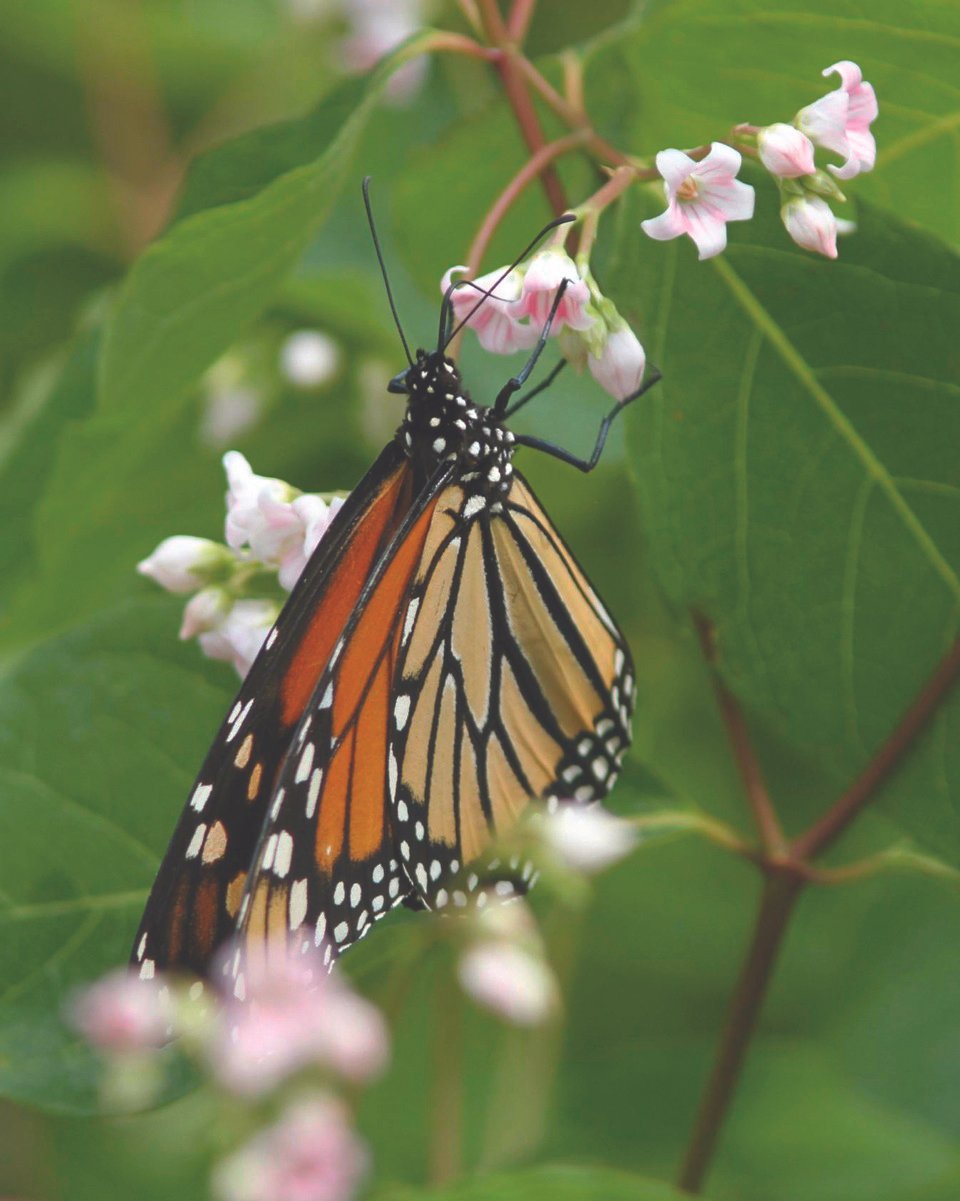
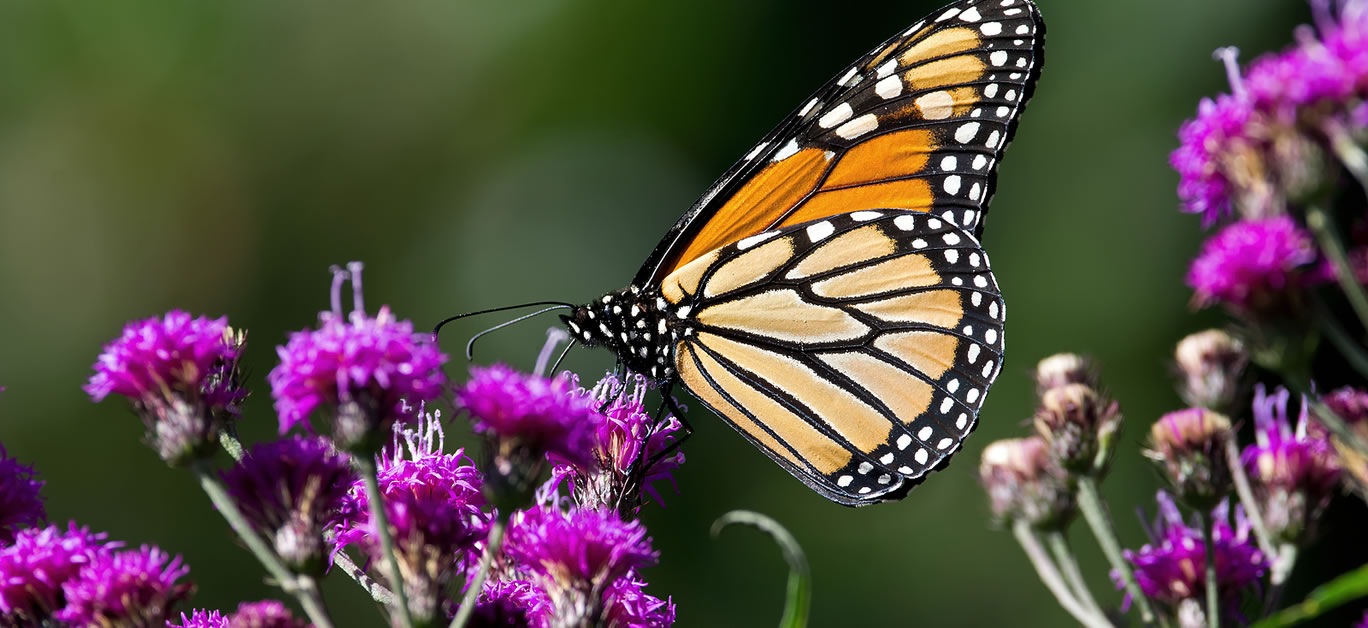
Start with your tallest native perennials, such as milkweed or switchgrass. Position these at the north or back edge of the bed so they don’t shade out smaller plants. These tall stems offer shelter for birds and serve as landing pads for larger butterflies like monarchs.
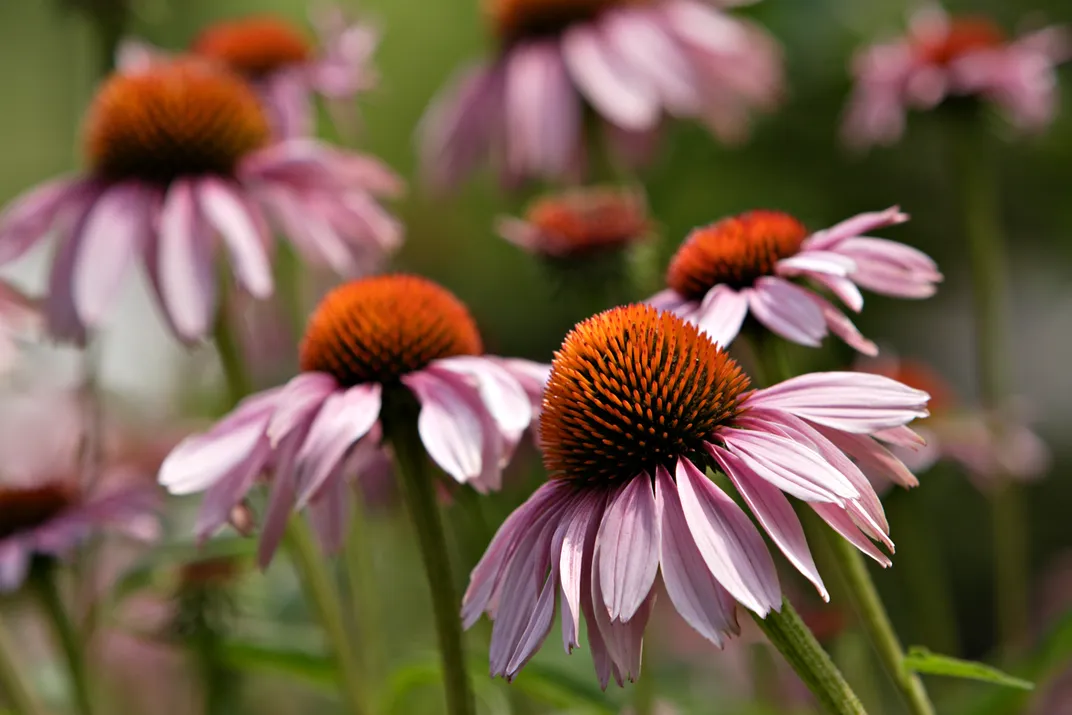
Fill the center of your garden with mid-height native flowers like coneflowers, black-eyed susans, or bee balm. These plants are the workhorses of pollinator attraction. Plant them in clusters of three or more to create a visible target for insects flying through the yard.
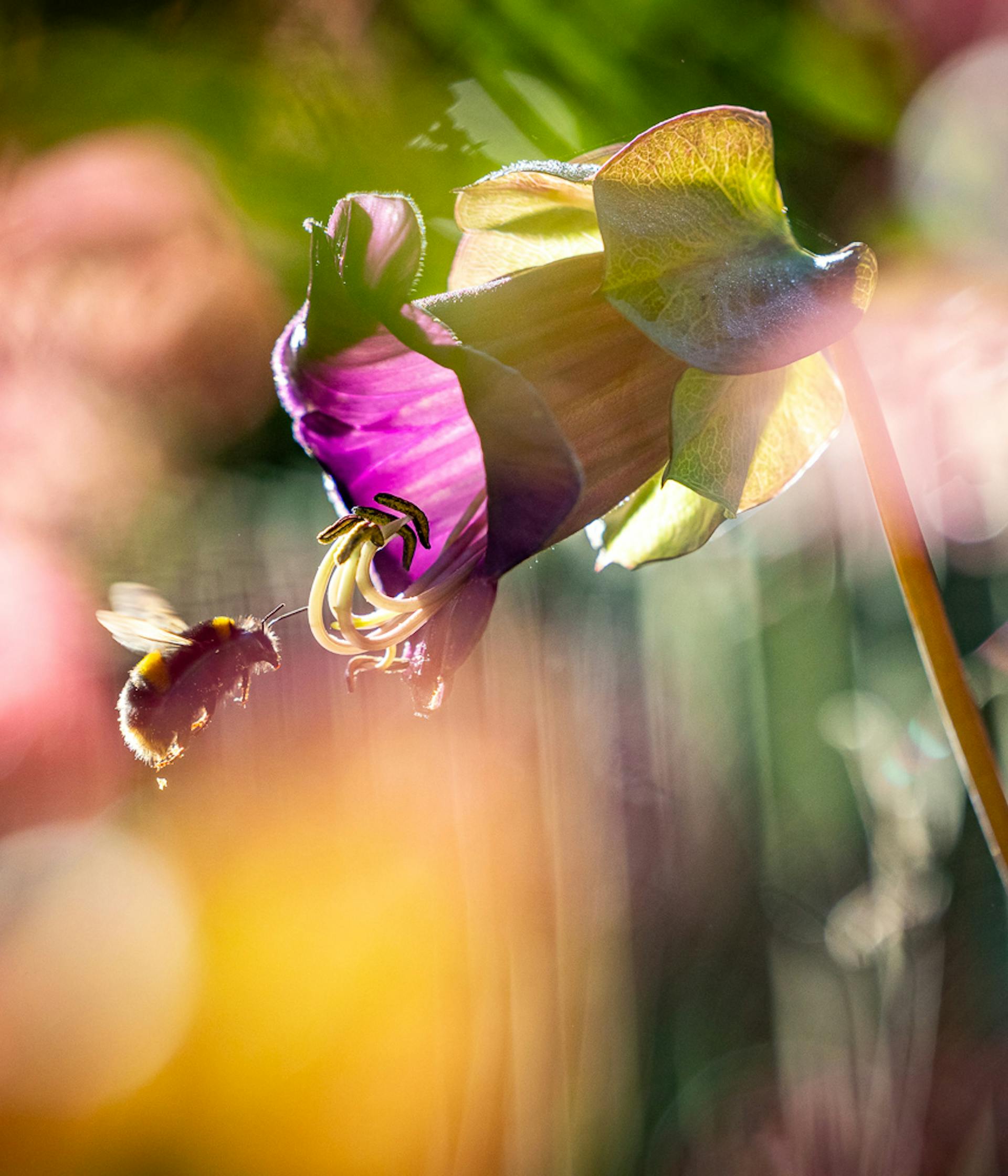
Line the front edge with low-growing natives like creeping phlox, sedum, or wild strawberry. These ground covers protect soil moisture and provide early-season nectar for emerging bees. They also fill in the gaps between larger plants, creating a dense, inviting environment for ground-nesting pollinators.
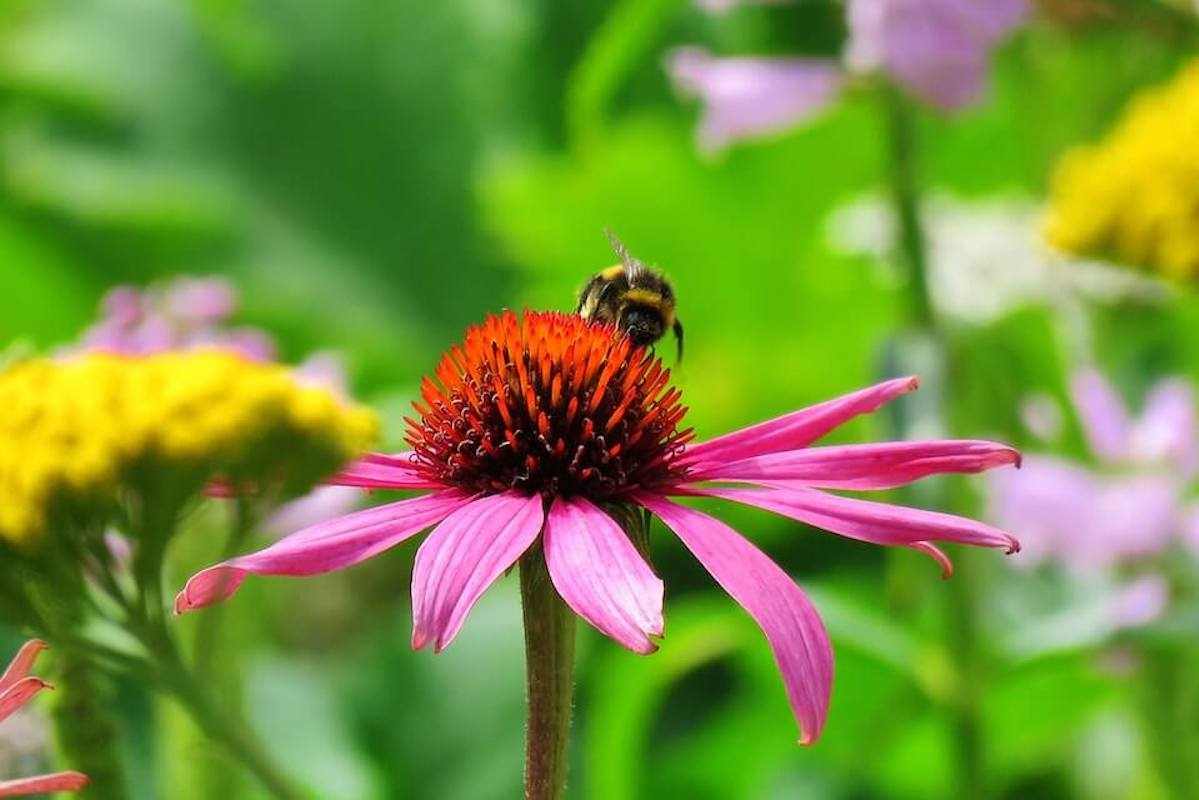
Select native species that flower at different times of the year. You want to ensure there is always something blooming from early spring through late fall. This continuous food source prevents pollinators from starving during transitional periods and keeps the garden visually interesting.
By arranging your native flowers in these distinct vertical layers, you mimic the natural meadow structure that pollinators prefer. This approach not only maximizes space but also ensures that your garden remains a reliable resource for wildlife long after the initial planting is done.
Install water and shelter features
Pollinators need hydration and safe places to rest, especially during hot weather. Adding simple water sources and shelter structures turns a garden from a food source into a complete habitat. These elements require minimal maintenance but provide immediate value to bees, butterflies, and other beneficial insects.
Fill a shallow saucer or birdbath with clean water. The depth should be no more than an inch to prevent drowning. Place smooth stones or marbles in the water to give bees and butterflies a dry place to land while they drink. Position this station in a quiet corner away from high-traffic areas to reduce disturbance.
Construct a small shelter using natural materials like hollow bamboo canes, drilled hardwood blocks, or stacked pine cones. Place the structure against a sunny, south-facing wall to maximize warmth. Leave the bottom open to allow ground-dwelling insects to enter easily. Avoid using treated wood or plastic tubes, which can harbor mold and disease.
Collect fallen leaves in a designated corner of the garden and let them decompose naturally. This leaf litter provides crucial overwintering habitat for moth pupae and other beneficial insects. Similarly, leave dead wood stumps or branches in place; they serve as nesting sites for solitary bees and food for decomposers that enrich the soil.
Plant native shrubs like dogwood, viburnum, or serviceberry to create thick, impenetrable cover. These plants offer protection from predators and harsh weather. Their dense branching structure is particularly valuable for small birds and insects seeking refuge. Ensure the shrubs are spaced appropriately to allow for air circulation and healthy growth.
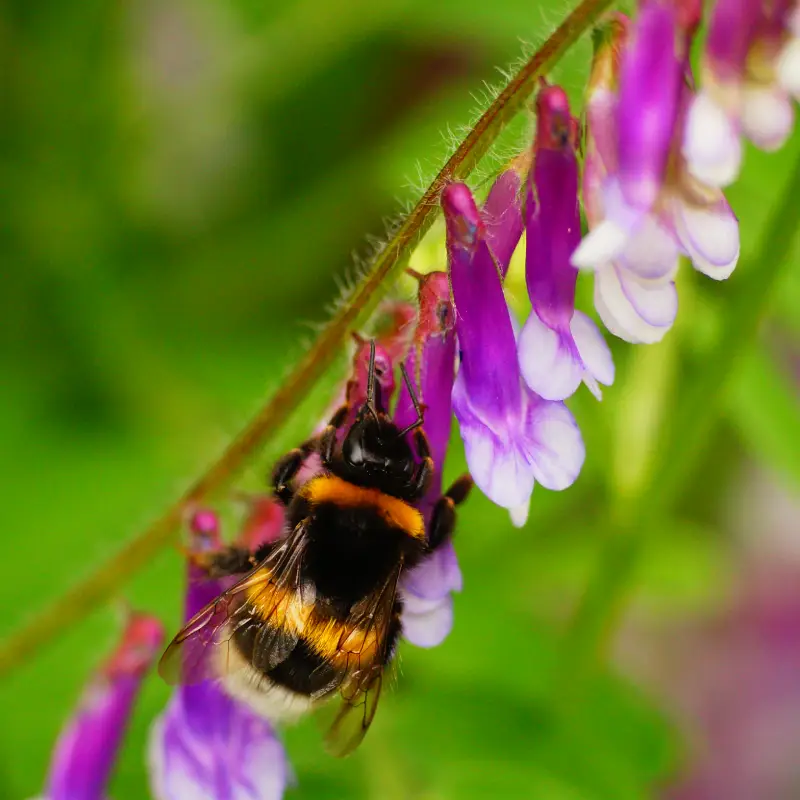
Drill holes of varying diameters (2-10mm) into untreated hardwood blocks or bundle bamboo canes. Mount the blocks on a post or wall at bee height, facing away from prevailing winds. Clean or replace the blocks annually to prevent parasite buildup. This simple addition supports a wide variety of solitary bee species that do not live in hives.
Rotate the location of water features and shelters each season to prevent disease accumulation and encourage diverse habitat use. Clean birdbaths weekly to stop mosquito breeding. Update leaf piles by adding fresh layers in autumn. Regular maintenance ensures these features remain effective and safe for wildlife throughout the year.
These features work together to create a resilient ecosystem. By providing water, shelter, and nesting sites, you support the full life cycle of pollinators, from egg to adult. This approach requires less intervention than traditional gardening and results in a more vibrant, self-sustaining garden space.
Leave plant stems and leaves over winter
Most gardeners rush to cut back perennials and rake up fallen leaves the moment the first frost hits. This habit creates a tidy look, but it strips away the shelter that native pollinators need to survive the cold months. Many solitary bees, moth caterpillars, and butterfly pupae spend the winter inside hollow stems or tucked under leaf litter. Removing these materials is like demolishing their winter homes.
Instead of a full cleanup, leave standing plant stems and a layer of leaves in place until late winter or early spring. This practice supports wildlife-friendly gardening by providing essential habitat. Hollow stems offer protected nesting sites for mason and leafcutter bees, while dense clumps of dried foliage insulate ground-nesting insects from freezing temperatures.
A simple way to manage this is to leave seed heads intact. These not only provide visual interest in the dormant garden but also serve as a food source for birds. The Royal Horticultural Society notes that leaving plant structures helps maintain garden biodiversity by supporting the full life cycle of local species RHS.
When you do cut back, save the prunings and leaves. Chop the stems and pile the leaves in a quiet corner of the garden or in a compost bin. This creates a dedicated "bug hotel" where insects can safely overwinter, ensuring they return in spring to pollinate your flowers and plants.
Watch for pollinator activity
The true test of your wildlife-friendly garden is what shows up. Instead of guessing, set aside time to observe. Sit quietly near your native plants for ten minutes. Look for native bees, butterflies, and hoverflies visiting the blooms. This direct observation confirms whether your plant choices are working.
If you see few visitors, check your plant health and water access. Ensure native flowers are blooming and not covered in heavy mulch. A thriving pollinator garden should show steady activity throughout the growing season.
Wildlife garden setup checklist
Use this checklist to ensure your wildlife-friendly garden is complete and ready to support local pollinators.
-
Map existing vegetation and identify native plants already in place
-
Select a sunny, sheltered spot for wildflower patches
-
Plant a variety of native flowers that bloom in succession
-
Install a shallow water source with stones for landing
-
Leave leaf litter and dead wood for insect shelter
-
Avoid using chemical pesticides and herbicides
-
Map existing vegetation
-
Select sunny, sheltered spot
-
Plant native wildflowers
-
Install shallow water source
-
Leave leaf litter for shelter
-
Avoid chemical pesticides
Common questions about wildlife gardens
Building a wildlife-friendly garden doesn't mean letting your yard go wild. You can maintain a tidy, attractive space that still supports pollinators and local birds. The secret lies in choosing the right plants and managing maintenance habits intentionally.
Do I have to use native plants?
Native plants are the most reliable choice for pollinators because local insects have evolved alongside them. They offer the specific nectar and pollen sources that bees, butterflies, and other pollinators need to survive. While exotic plants can add color, they often lack the nutritional value or structural benefits that native species provide for local wildlife.
Will a wildlife garden look messy?
A well-designed wildlife garden looks intentional, not neglected. You can achieve this by grouping plants in clusters and keeping edges neat. Leave some areas of bare soil for ground-nesting bees and leave leaf litter under shrubs for overwintering insects. These "messy" spots are actually critical habitat layers that many gardeners overlook.
How much maintenance does it require?
Once established, a wildlife garden requires less maintenance than a traditional lawn. Reduce mowing frequency to allow clover and native grasses to bloom. Avoid using pesticides, which harm the very pollinators you are trying to attract. Simple tasks like deadheading flowers and adding compost are usually enough to keep the garden thriving.
No comments yet. Be the first to share your thoughts!