

Timing your garden for wildlife
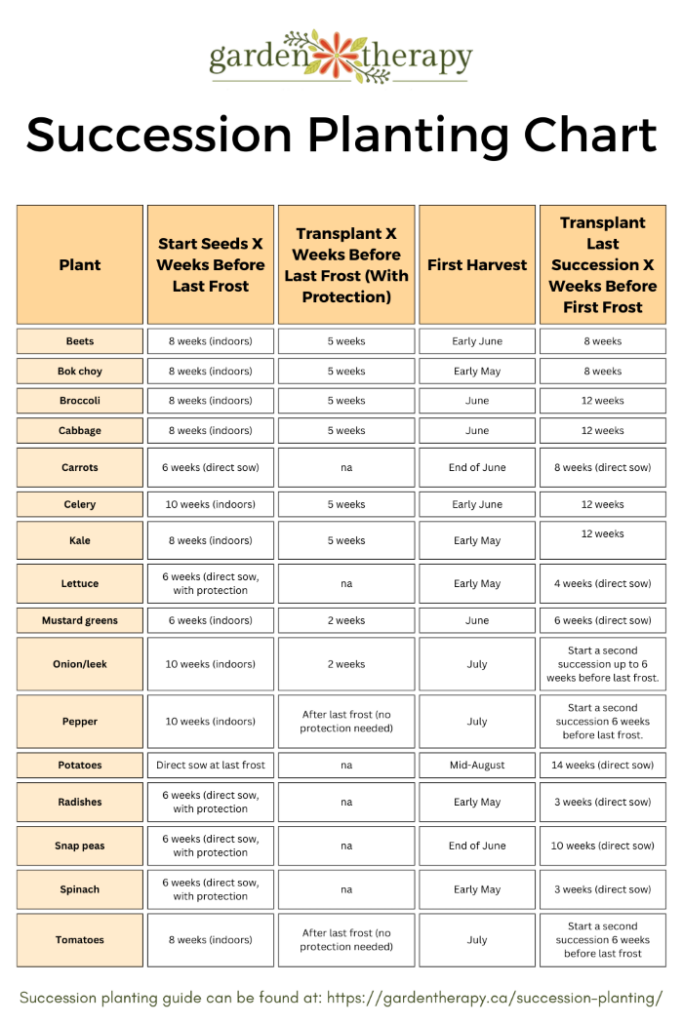
Most people picture a garden as a single snapshot—flowers blooming on a sunny afternoon. But wildlife needs more than a static scene. Migrating birds and insects arrive at different times and need a steady supply of food and cover. I think of native plant succession as the schedule for your backyard; it ensures the buffet stays open all year.
Traditionally, a lot of gardening focuses on a peak bloom – a showy display for a limited time. This simply isn’t enough for creatures on the move. Butterflies, birds, and other animals need nectar, pollen, seeds, and shelter at different points in their journey. A succession plan aims to provide these resources throughout the entire year, bridging the gaps between natural blooms and ensuring a consistent food supply.
This isn’t about absolute control. We’re not trying to force nature to conform to our expectations. Instead, it's about understanding natural processes and working with them. By selecting plants that bloom at different times, we can extend the period of resource availability, creating a more hospitable environment for migrating species. It’s a shift in perspective – from a garden as a display to a garden as a habitat.
How plant communities change
Plant succession is a natural process where plant communities replace one another over time. The USDA NRCS defines it as the progressive plant development, or the replacement of one plant community by another, a long-term process driven by changing environmental factors. Think of an abandoned field – it doesn’t stay bare forever. First, you get fast-growing grasses and weeds, then shrubs, and eventually trees. Each stage prepares the way for the next.
In our gardens, we can mimic these stages to create a more resilient and self-sustaining habitat. Pioneer species – those first colonizers – are often annuals or fast-growing perennials that quickly establish themselves. Intermediate species are slower-growing perennials and shrubs, while the climax community represents the mature forest or prairie ecosystem. We don’t need to recreate a full-blown climax community, but incorporating elements of each stage can increase biodiversity.
Disturbance plays a key role in succession. A fire, a flood, or even mowing resets the process, creating opportunities for pioneer species to take hold. We can use this to our advantage by intentionally creating small-scale disturbances – pruning shrubs, dividing perennials – to encourage regeneration and maintain a diversity of plant life. It's a reminder that change is a natural part of a healthy ecosystem, and our gardens should reflect that.
- Pioneer species like fast-growing annuals that cover bare dirt quickly.
- Intermediate Stage: Perennial wildflowers and shrubs
- Climax Stage: Mature trees and long-lived perennials
Filling the seasonal gaps
Migrating species face critical resource bottlenecks at different times of the year. Early spring is a particularly challenging period. Pollinators are emerging from hibernation, hungry and in need of nectar, but few native flowers are in bloom. This is where early-blooming plants like spring ephemerals – bloodroot, trillium, and skunk cabbage – become incredibly important.
Late fall is another gap. Many seed heads have been consumed by birds, and insects are preparing for winter. Providing late-blooming asters, goldenrods, and sunflowers with persistent seed heads can be a lifeline for migrating birds and overwintering insects. Different species have different needs, so a diverse planting plan is essential. For example, monarch butterflies rely on late-season nectar sources to fuel their migration south.
You have to look at your own zip code. A plant that feeds a monarch in Missouri might bloom too late for one in Maine. I suggest checking the Missouri Prairie Foundation’s Grow Native! program if you're in the Midwest, as they track these local timing shifts better than a general seed packet will.
A guide to continuous blooms
Creating a succession of blooms requires careful planning. The goal is to ensure there’s always something in flower, providing nectar and pollen for pollinators throughout the growing season. Cydney Ross’s Grow Native! webinar emphasized the importance of thinking beyond just the showy blooms and considering the entire bloom sequence.
If you are starting from scratch, look for Bloodroot and Skunk Cabbage for the first thaw. Follow those with Wild Geranium and Virginia Bluebells in late spring. By summer, you want the heavy hitters like Butterfly Weed and Bee Balm. Finish the year with Goldenrods and Asters; they are the last gas station for insects heading south.
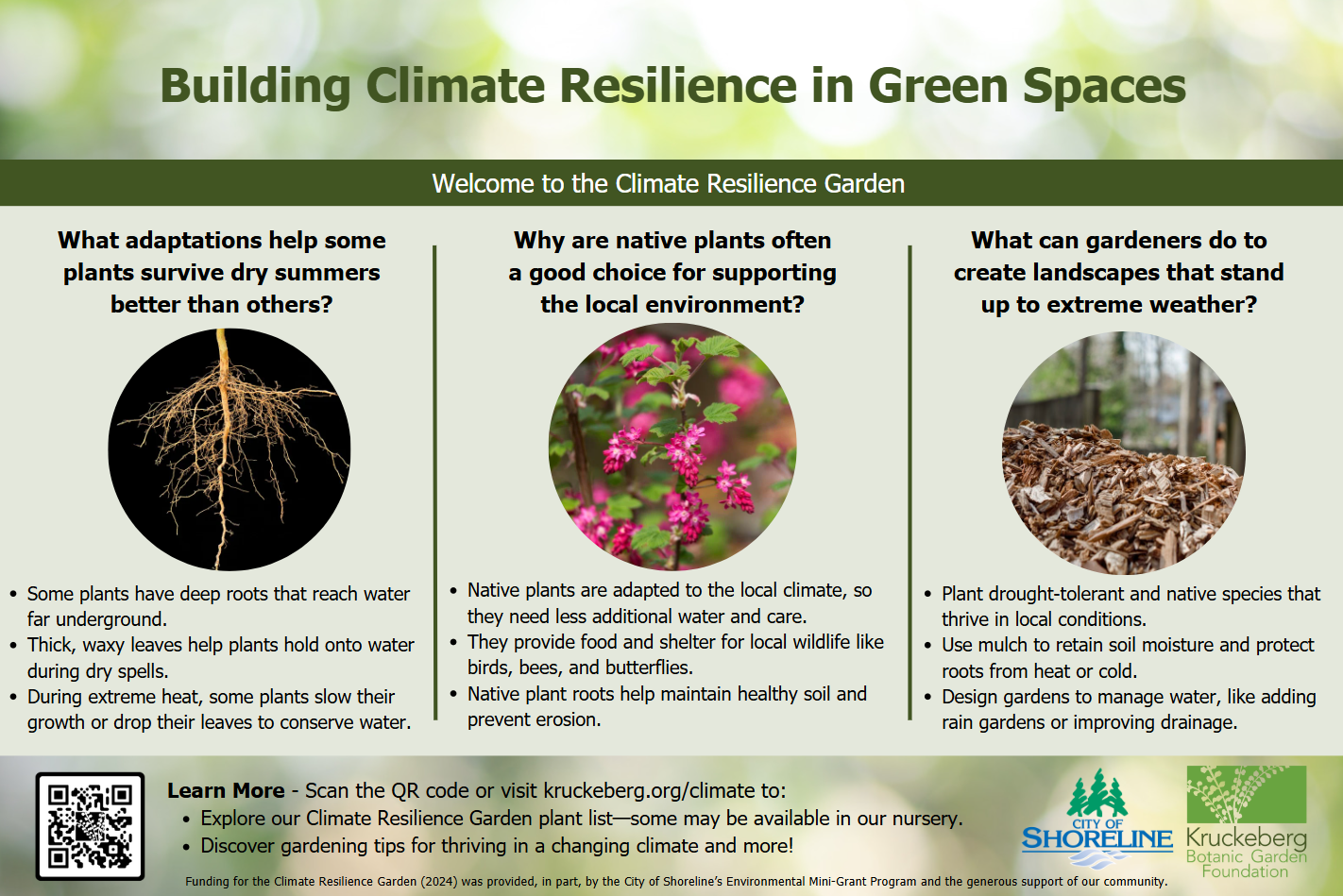
Don’t forget about winter interest! Plants with persistent seed heads, such as coneflowers and sunflowers, provide food for birds. Shrubs with colorful berries, like winterberry (Ilex verticillata), offer another source of sustenance. When selecting plants, consider their growing conditions – sun exposure, soil type, and moisture levels. Prioritize plants native to your specific region to ensure they’re well-adapted to the local climate.
It’s not about creating a perfectly manicured garden. Allowing some plants to go to seed, leaving dead stems standing over winter, and embracing a bit of "messiness" can significantly enhance the habitat value of your garden. These natural elements provide shelter for insects and nesting materials for birds.
- Butterfly weed (Asclepias tuberosa) thrives in full sun and handles dry soil well.
- Echinacea purpurea (Purple Coneflower): Full sun, adaptable to various soil types.
- Solidago spp. (Goldenrods): Full sun, moist to dry soil.
Native Plant Succession for Migrating Species
| Plant Name | Bloom Time | Sun Exposure | Soil Moisture | Wildlife Value |
|---|---|---|---|---|
| New England Aster ( *Symphyotrichum novae-angliae*) | Late Summer - Fall | Full Sun | Moist to Wet | High (Pollinators, especially Monarchs, and Songbirds) |
| Goldenrod (*Solidago* species) | Late Summer - Fall | Full Sun to Partial Shade | Dry to Moist | High (Late-season pollinators, birds feeding on seeds) |
| Wild Bergamot (*Monarda fistulosa*) | Summer | Full Sun to Partial Shade | Well-drained | Medium to High (Bees, Butterflies, Hummingbirds) |
| Blue Flag Iris (*Iris versicolor*) | Late Spring - Early Summer | Full Sun to Partial Shade | Very Moist to Wet | Medium (Pollinators, Seed dispersal by waterbirds) |
| Butterfly Weed (*Asclepias tuberosa*) | Summer | Full Sun | Well-drained, Dry | High (Monarch Butterflies, other pollinators) |
| Common Milkweed (*Asclepias syriaca*) | Summer | Full Sun | Adaptable, Moist to Dry | High (Monarch Butterflies - larval host plant, Pollinators) |
| Black-Eyed Susan (*Rudbeckia hirta*) | Summer - Fall | Full Sun | Well-drained | Medium (Pollinators, Goldfinches) |
Illustrative comparison based on the article research brief. Verify current pricing, limits, and product details in the official docs before relying on it.
Shelter and nesting spots
Nectar and pollen are essential, but migrating species also need shelter and nesting materials. Trees and shrubs provide crucial cover from predators and harsh weather. Dense groundcover, like wild ginger (Asarum canadense), offers hiding places for small animals. The structure of the garden is just as important as the plants themselves.
Providing nesting materials is often overlooked. Leaving dead stems standing over winter allows insects to overwinter and provides nesting sites for bees. Offering mud puddles provides materials for swallows to build their nests. Planting host plants for caterpillars – like milkweed for monarchs – ensures a food source for developing larvae.
A "messy" garden is often the most beneficial. Resist the urge to tidy up everything in the fall. Fallen leaves provide insulation for overwintering insects, and decaying wood provides habitat for fungi and invertebrates. A little bit of wildness can go a long way in supporting biodiversity. This shift in perspective might require some adjustment, but the rewards are well worth it.
Building layers for complexity
Think of a forest – it’s not just a flat expanse of trees. It’s a layered ecosystem with trees, shrubs, herbaceous plants, and groundcover all interacting with one another. We can mimic this complexity in our gardens by incorporating different layers. This creates a more resilient and diverse habitat, providing resources for a wider range of species.
The layers include: Canopy: Trees providing shade and nesting sites. Understory: Shrubs offering shelter and berries. Herbaceous Layer: Perennial wildflowers and grasses providing nectar, pollen, and seeds. Groundcover: Low-growing plants providing habitat for insects and preventing erosion. The more layers you incorporate, the more complex and supportive the habitat will be.
Edges – where different habitats meet – are often hotspots for biodiversity. A garden bordering a forest, a field, or a wetland will be more attractive to wildlife than a garden isolated in a suburban landscape. Creating edges within your garden – by planting a hedgerow or a wildflower meadow – can also increase its habitat value. Consider the vertical structure, not just the horizontal space, when planning your garden.
Managing the garden long-term
Maintaining a native plant garden isn’t a one-time effort. Challenges will inevitably arise. Invasive species can outcompete native plants, deer can browse on your plantings, and plant competition can occur. Addressing these issues requires ongoing monitoring and adaptation. Prioritize non-chemical methods whenever possible – hand-pulling weeds, using deer repellent, and strategically selecting plants that can withstand browsing.
Regularly observe your garden. Which plants are thriving? Which ones are struggling? Are there any gaps in bloom time? Adjust your planting plan accordingly. Consider dividing perennials, adding new plants, or amending the soil to improve growing conditions. Plant succession is a dynamic process, and your garden will evolve over time.
Controlled burns, where appropriate and permitted, can be a valuable tool for managing native plant communities. Fire helps to clear out dead vegetation, stimulate seed germination, and suppress invasive species. However, it’s important to consult with local experts and obtain any necessary permits before conducting a burn. Long-term success requires consistent effort and a willingness to learn from your experiences.
Regional Native Plant Resources
- Native Plant Societies - Many states have native plant societies offering information, plant sales, and educational resources. These are excellent for localized recommendations.
- Lady Bird Johnson Wildflower Center - The Wildflower Center’s Native Plant Database (wildflower.org) provides extensive information on native plants, including photos, growing conditions, and habitat value.
- Audubon Society Native Plants Database - Audubon’s database (audubon.org/native-plants) allows you to find plants beneficial to birds in your specific zip code.
- Local Native Plant Nurseries - Search online for nurseries specializing in native plants in your region. These nurseries often carry regionally appropriate species and can provide expert advice.
- State Extension Offices - Your state’s university extension office often has resources on native plants and sustainable landscaping practices. Look for publications on recommended species for wildlife.
- National Wildlife Federation Native Plant Finder - This tool (nwf.org/nativeplantfinder) helps you identify native plants that will thrive in your area and support local wildlife.
- Prairie Moon Nursery - A commercial nursery (prairiemoon.com) offering a wide selection of native wildflowers, grasses, and shrubs, with detailed plant information.
No comments yet. Be the first to share your thoughts!