

Start with a site assessment
Before buying a single native plant, take a week to map your backyard’s actual conditions. Sustainable gardening relies on matching species to the environment they will live in, not the one you wish existed. A plant that thrives in a sunny, dry corner will struggle and waste water if you move it to a shady, damp patch. This initial investigation prevents the common mistake of buying plants that fight their surroundings, ensuring your garden establishes quickly and stays healthy with minimal intervention.
Map the sun
Track how light moves across your yard over two or three days. Mark zones as full sun (6+ hours), partial shade (3-6 hours), or full shade (under 3 hours). Note if the light is harsh afternoon sun or gentle morning light, as this affects leaf scorch and blooming habits. Use a simple sketch to visualize these zones. Most native perennials have specific light requirements, and placing them correctly from the start is the single most effective way to reduce maintenance.
Test the soil
Soil structure determines drainage and nutrient availability. Perform a simple drainage test by digging a 12-inch hole, filling it with water, and timing how long it takes to drain. If it drains in an hour, you have sandy soil; if it takes more than 12 hours, you have heavy clay. You can also feel a handful of moist soil: if it forms a tight ball that splats when poked, it’s clay; if it crumbles easily, it’s sandy. Understanding your soil type helps you select natives that are naturally adapted to your ground conditions, saving you from expensive soil amendments.
Observe water flow
Watch how rain moves through your yard. Do puddles form in low spots? Does water run off quickly along a slope? These patterns reveal natural drainage issues or dry ridges. Native plants are often more resilient to local rainfall patterns than exotics, but they still need to be placed in zones that match their moisture needs. A wetland native like a cardinal flower will rot in a dry ridge, while a prairie coneflower will drown in a depression that holds water after storms. By observing these natural flows, you can group plants by their water needs, creating efficient micro-climates that support biodiversity.
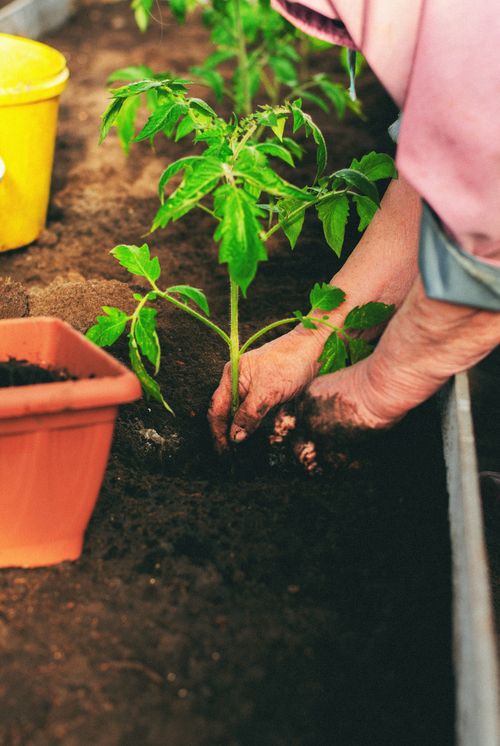
Walk your yard at 9 AM, 12 PM, and 4 PM. Mark where direct sunlight hits the ground. This creates a clear map for placing sun-loving natives like coneflowers in bright areas and shade-tolerant species like foamflower in darker corners.
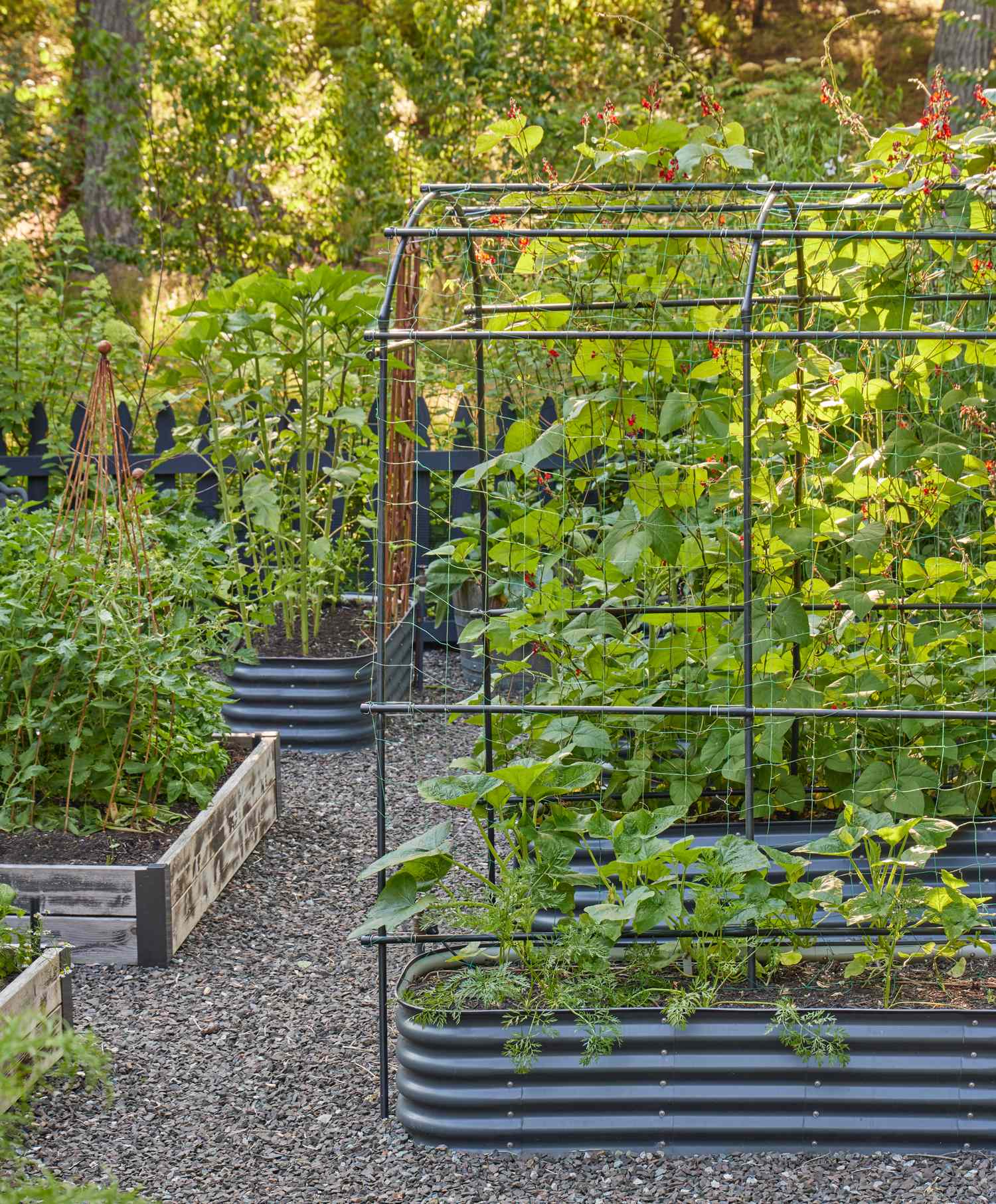
Dig a 12-inch hole and fill it with water. Time how long it takes to drain. This simple test reveals if you have sandy, loamy, or clay soil, allowing you to choose natives that thrive in your specific drainage conditions.
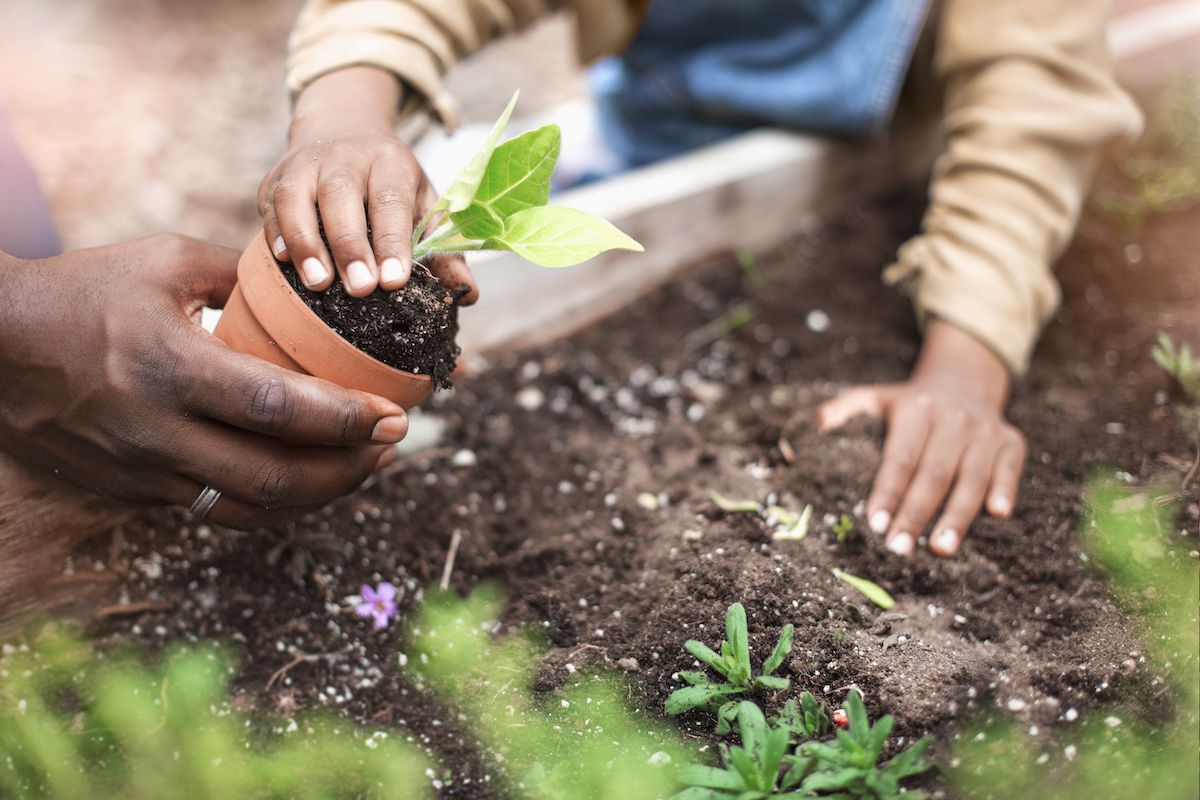
Observe your yard after a rainstorm. Note where water pools or runs off. Group plants by their moisture needs, placing wetland species in low spots and drought-tolerant natives on dry slopes to create a resilient, self-watering ecosystem.
For detailed guidance on soil testing and plant selection, refer to resources from the Missouri Botanical Garden, which offers region-specific advice on sustainable practices. This foundational work ensures that every native plant you introduce has the best possible chance to thrive, reducing the need for fertilizers, pesticides, and excessive watering.
Select local native species
Choosing plants that are already adapted to your region is the foundation of sustainable gardening. Native species have evolved alongside local wildlife, meaning they require less water, fertilizer, and pest control than exotic varieties. By selecting plants that naturally thrive in your climate, you reduce resource consumption while creating a resilient ecosystem.
The process begins with identifying which plants are indigenous to your specific area. Resources like the Plant Finder or your local cooperative extension service provide detailed lists of native species suitable for your zone. These sources often categorize plants by their role in the ecosystem, such as host plants for butterflies or nectar sources for hummingbirds.
When building your list, aim for a diversity of bloom times to ensure food is available for pollinators throughout the growing season. Include a mix of perennials, shrubs, and trees to create layered habitats. For example, planting milkweed supports monarch caterpillars, while coneflowers provide steady nectar for bees and butterflies in late summer.
Plant in layered clusters
Think of your garden as a vertical city. Just as a city needs skyscrapers, mid-rise apartments, and street-level shops to function, a wildlife-friendly garden needs distinct vertical layers to support different species. This spatial arrangement, known as stratification, maximizes the use of space and sunlight while creating a resilient habitat structure. By mimicking the natural layers of a forest or meadow, you provide shelter, nesting sites, and food sources for everything from ground-foraging insects to canopy-dwelling birds.
1. Establish the ground cover layer
The foundation of your sustainable garden is the ground layer. This zone protects soil moisture, prevents erosion, and provides crucial foraging grounds for pollinators like native bees and beetles. Choose low-growing native plants that spread gently to form a living mulch.
- Ground covers: Look for creeping phlox, wild strawberry, or sedum. These plants suppress weeds and offer early-season nectar.
- Leaf litter: Leave some areas unmulched or use a thin layer of leaf litter. Many native caterpillars overwinter in leaf litter, and removing it entirely can starve local bird populations in spring.
2. Add the mid-height understory
Above the ground cover sits the understory, typically composed of perennials, ferns, and small shrubs. This is the most active zone for wildlife, offering dense foliage for nesting and berries for birds. Plant these in drifts or clusters rather than single specimens to create a visual impact and a stronger barrier for wildlife.
- Perennials: Coneflowers, black-eyed Susans, and milkweed are staples. They provide high-energy nectar for butterflies and seeds for finches.
- Shrubs: Serviceberry, viburnum, and dogwood offer critical fruit and dense thickets for nesting. Planting these in groups creates a continuous food source.
3. Include the canopy and small trees
The top layer consists of small trees and large shrubs that define the garden’s structure. These plants support the highest diversity of insects, which in turn feed birds and other predators. Even a small yard can accommodate one or two small native trees.
- Small trees: Eastern redbud, dogwood, or serviceberry trees provide canopy cover and host moth caterpillars, a primary food source for baby birds.
- Integration: Ensure these trees are spaced appropriately to allow light to reach the understory plants below. This vertical stacking ensures that every square foot of your garden contributes to the ecosystem.
By layering your plants, you create a self-sustaining environment that requires less maintenance and supports a wider variety of life. For specific plant recommendations suited to your region, consult your local extension service or the Missouri Botanical Garden’s plant finder.
Manage water and soil organically
Sustainable gardening relies on keeping water in the ground and feeding the soil rather than flushing nutrients through synthetic fertilizers. When soil is healthy, it acts like a sponge, absorbing rain and reducing runoff that carries pollutants into local waterways. This approach also lowers your water bill and makes native plants more resilient during dry spells.
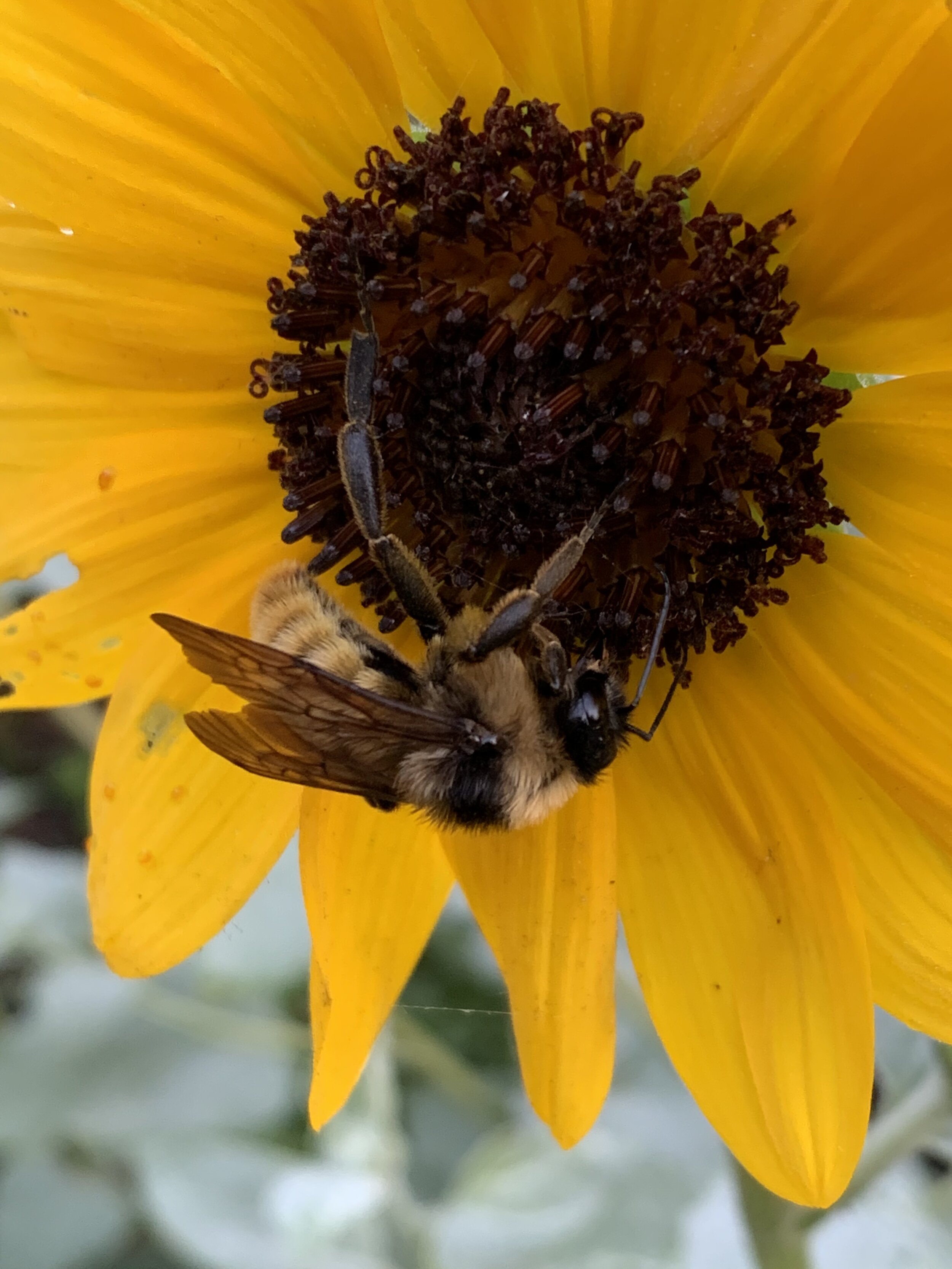
Spread a two- to three-inch layer of organic mulch, such as shredded leaves, wood chips, or straw, around the base of your plants. Mulch acts as a protective blanket that keeps soil temperatures stable and significantly reduces evaporation. This simple step cuts down on watering needs while suppressing weeds that compete with native species for resources.
Install a rain barrel or cistern to capture runoff from your roof. Using harvested rainwater to irrigate your garden reduces demand on municipal water supplies and provides plants with chemical-free moisture. Position the barrel under a downspout and ensure it has a fine mesh screen to keep out debris and mosquitoes.
Top-dress your beds with finished compost once or twice a year instead of using synthetic fertilizers. Compost introduces beneficial microbes and slowly releases nutrients that native plants are adapted to absorb. This practice improves soil structure, allowing roots to penetrate deeper and access water more efficiently during droughts.
Avoid tilling your garden beds deeply, as this disrupts the fungal networks that help plants access nutrients and water. Instead, use no-dig methods like sheet mulching or layering compost on the surface. This preserves the soil ecosystem and maintains the carbon stored in the ground. For more detailed guidance on these techniques, consult resources from the Missouri Botanical Garden.
By focusing on water retention and soil biology, you create a self-sustaining system that requires less intervention over time. The initial effort of setting up mulch and compost pays off in healthier plants and a more vibrant garden ecosystem.
Provide Shelter and Water Sources
Plants feed wildlife, but structures keep them safe. Adding non-plant elements like bird baths, insect hotels, and brush piles turns a garden into a true wildlife-friendly ecosystem. These features provide critical refuge from predators and harsh weather, supporting the broader goals of sustainable gardening.
Install a Bird Bath
A simple water source attracts birds, butterflies, and beneficial insects. Use a shallow basin with rough edges or stones so creatures can climb in safely. Place it near cover, like shrubs, so birds can escape quickly if threatened. Clean the bath weekly to prevent disease and algae buildup.
Build an Insect Hotel
Solitary bees and ladybugs need dry, protected spaces to nest. Stack hollow reeds, drilled wood blocks, or pine cones in a weatherproof box facing morning sun. Position it three to six feet off the ground near flowering plants. This simple structure boosts pollinator populations without requiring maintenance.
Create Brush Piles
Rake fallen branches, leaves, and twigs into a loose pile in a quiet corner of the yard. This natural debris provides winter shelter for frogs, salamanders, and small mammals. It also breaks down over time, enriching the soil. Leave it undisturbed through the colder months to maximize habitat value.
These structural additions complement your native plantings, creating a layered environment that supports diverse species. By providing shelter and water, you help establish a resilient, self-sustaining garden ecosystem.
Common sustainable gardening mistakes
Even well-intentioned gardeners can accidentally harm local wildlife through common oversights. Avoiding these pitfalls ensures your native plant garden thrives without unintended ecological consequences.
Over-mulching and "Volcano" Mulching
Applying too much mulch or piling it against tree trunks suffocates roots and invites rot. Keep mulch two to three inches deep and pull it back six inches from the base of stems and trunks. This mimics natural forest floors and allows air and water to reach the root zone.
Using Invasive Species
Some plants labeled as "native" may still behave aggressively, choking out other flora and offering little value to local pollinators. Always verify plant identity with reputable sources like the Missouri Botanical Garden before purchasing. Stick to regionally specific cultivars that support local food webs.
Excessive Lawn Maintenance
Frequent mowing and chemical treatments strip away the habitat insects and small mammals need. Allow clover and dandelions to bloom in your lawn or reduce mowing height to encourage biodiversity. A less manicured yard often supports more wildlife than a perfectly trimmed one.
Quick Do/Don't Checklist
- Do keep mulch away from tree trunks.
- Do verify native status with local extension services.
- Don't use chemical pesticides near flowering plants.
- Don't mow during peak pollinator season.
Check that mulch is not piled against plant stems. Pull back any excess to expose the root flare and prevent rot.
Cross-reference your current plants with local invasive species lists. Remove any that crowd out native wildlife habitats.
Let your lawn grow taller and mow less often. This encourages clover and wildflowers to bloom, providing food for bees.
No comments yet. Be the first to share your thoughts!