
Native plants budget
’s Top Native Plants for a Wildlife-Friendly Garden works best when the purchase path is explicit. Verify the source, compare the offer against real alternatives, check the total cost, and confirm what happens after payment before you decide. After each comparison, write down the one risk that would change your mind. If the seller, condition, support, warranty, shipping, or upkeep still feels uncertain, resolve that question before moving to checkout.
The simplest way to use this section is to verify the seller, compare the total cost, and resolve the biggest risk before you commit.
Shortlist real options
Choosing the right native plants depends on your specific climate zone and the wildlife you want to support. Rather than guessing, we compared the strongest performers across key categories like pollinator support, bird attraction, and low-maintenance growth.
The table below highlights four reliable native options. These selections are based on their proven ability to thrive in various regions and their documented value to local ecosystems. For specific regional availability, check curated collections like those from Garden for Wildlife or Direct Native Plants, which tailor selections to your zip code.
| Plant | Attracts | Care Level | Best For |
|---|---|---|---|
| Wild Bergamot (Monarda fistulosa) | Bees, butterflies, hummingbirds | Low | Pollinator gardens |
| Oakleaf Hydrangea (Hydrangea quercifolia) | Birds, beneficial insects | Moderate | Shade gardens, erosion control |
| Black-eyed Susan (Rudbeckia hirta) | Butterflies, songbirds, beetles | Low | Prairie-style borders, meadows |
| Swamp Milkweed (Asclepias incarnata) | Monarch butterflies, bees | Moderate | Wet areas, monarch habitats |
Wild Bergamot is a top choice for busy pollinators, offering nectar-rich flowers that bloom throughout the summer. Oakleaf Hydrangea provides structure and fall color while supporting bird populations. Black-eyed Susins are hardy perennials that brighten any border with minimal effort. Swamp Milkweed is essential for monarchs, thriving in wetter spots where other plants might struggle.
When shopping, look for plants labeled as "native" to your specific region. This ensures they are adapted to local soil and climate conditions, reducing the need for fertilizers or excessive watering. Avoid plants from unknown sources that may be hybrids or non-natives, which often offer little ecological benefit.
As an Amazon Associate, we may earn from qualifying purchases.
Inspect the expensive parts
Use this section to make the ’s Top Native Plants for a Wildlife-Friendly Garden decision easier to compare in real life, not just on paper. Start with the reader's actual constraint, then separate must-have requirements from details that are merely nice to have. A practical choice should survive normal use, maintenance, timing, and budget. If a recommendation only works in an ideal situation, call that out plainly and give the reader a fallback path.
-
Verify the basicsConfirm the core specs, condition, and fit before comparing extras.
-
Price the downsideLook for the repair, maintenance, or replacement cost that would change the decision.
-
Compare alternativesCheck at least two comparable options before treating one listing as the benchmark.
Ownership Costs: When Cheap Plants Become Expensive
Buying a bare-root native plant for $12 seems like a steal compared to a potted shrub at $45, but the true cost of ownership often appears in the second year. Native species are adapted to your local climate, meaning they generally require less water and fertilizer than exotic ornamentals. However, this "low maintenance" label is a generalization that can lead to budget surprises if you ignore the specific needs of the species you choose.
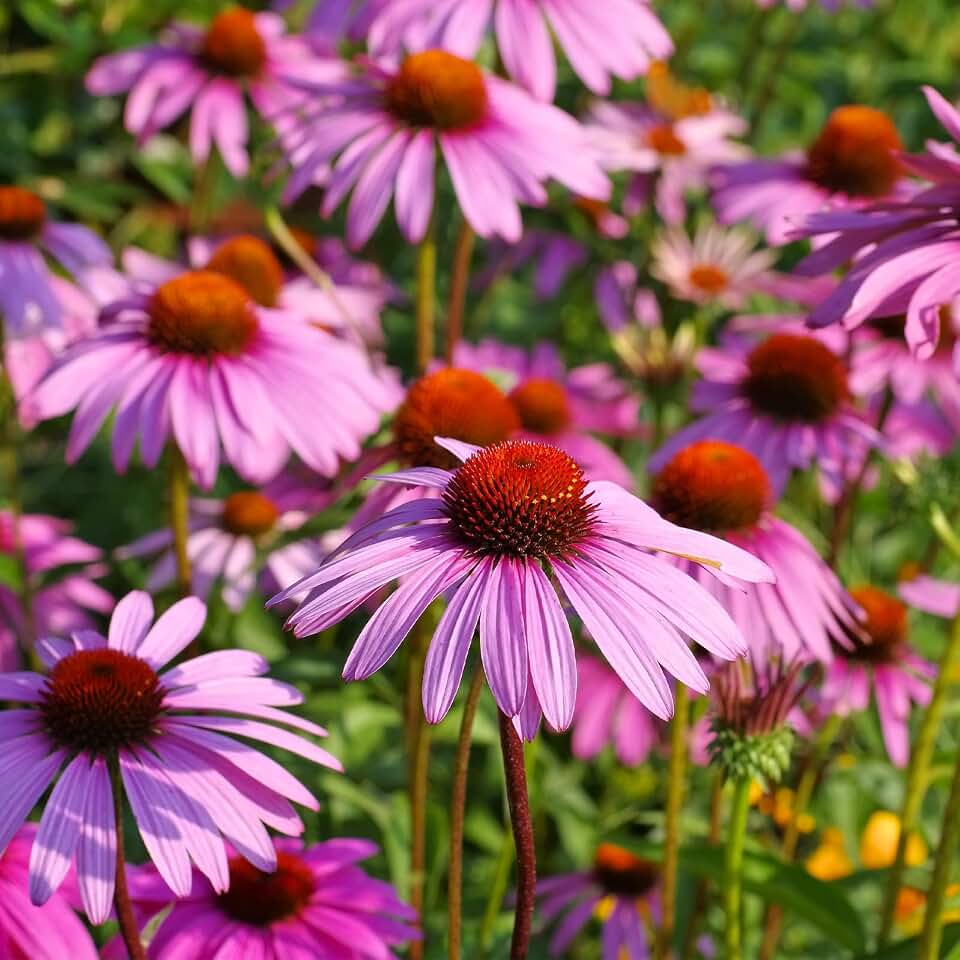
The biggest hidden cost is replacement. A cheap, stunted plant that fails to establish in its first season is money wasted. Native plants vary wildly in their establishment requirements. For example, many true perennials need consistent moisture for the first two growing seasons to develop deep root systems. If you buy a drought-tolerant species like Echinacea but plant it in heavy clay without amending the soil, you may end up spending more on soil amendments and water than the initial savings provided.
Another factor is the time cost of maintenance. While natives like Asclepias (milkweed) are vital for monarchs, they can be aggressive spreaders in the right conditions. Managing their footprint often requires dividing clumps every few years or deadheading to prevent unwanted self-seeding. If you prefer a "plant it and forget it" garden, you might pay a premium upfront for slower-growing, less invasive varieties to save yourself hours of labor later.
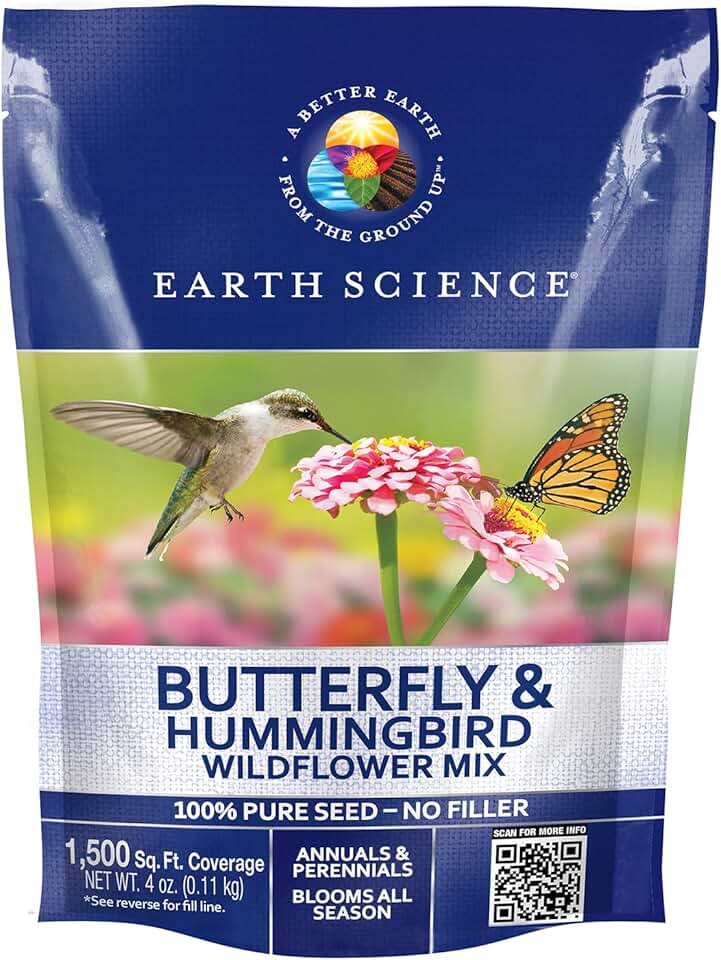
To help you balance upfront costs with long-term value, here are some reliable native options that offer good durability and wildlife support:

As an Amazon Associate, we may earn from qualifying purchases.
When evaluating your budget, look beyond the sticker price. Check if the plant is grown in peat-free soil (which may cost slightly more but is better for the environment) and whether it comes with a establishment guarantee. A slightly more expensive plant from a reputable nursery that guarantees survival is often cheaper in the long run than a bargain bin plant that dies after one summer.
Native plants: what to check next
Choosing native species often comes down to practical concerns about effort, space, and results. Here are answers to the most common questions before you start planting.
These questions cover the main tradeoffs. Native gardening is less about constant upkeep and more about working with what the land already supports.
No comments yet. Be the first to share your thoughts!