

Small spaces make a difference
Bird populations are dropping, and habitat loss in cities is a big reason why. But your balcony or patio doesn't have to be a dead zone. Even a few square feet of concrete can support local wildlife if you pick the right setup.
For years, people have believed that cities are inherently bad for wildlife. That’s changing as we realize the potential for urban micro-habitats. These small pockets of nature can provide essential resources for birds, especially as natural areas become increasingly fragmented. The work being done by Microhabitat in Montreal is a great example – they’re demonstrating how to bring urban farming, and with it, nature, directly to city dwellers.
The idea is simple: create pockets of biodiversity wherever you can. Think beyond just pretty flowers and consider the needs of birds – food, water, shelter, and nesting sites. It's about recognizing that every little bit helps, and that anyone, regardless of space limitations, can contribute to a healthier environment for our feathered friends. It's a really encouraging thought, isn’t it?
We often underestimate the power of cumulative effect. One small balcony garden might not seem like much, but multiplied across a city, these micro-habitats can form a network of support for bird populations. It's a shift in perspective, from seeing cities as solely human spaces to recognizing their potential as part of a larger ecological web.
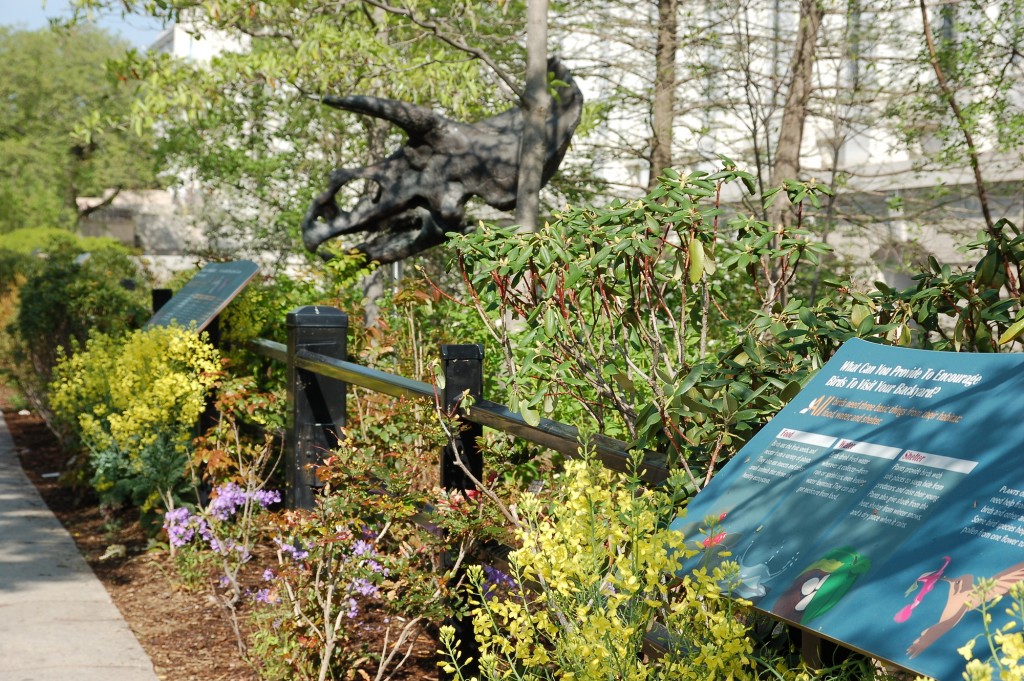
What makes a micro-habitat
A micro-habitat is essentially a small, self-contained ecosystem. It’s a localized area with specific environmental conditions that support a particular community of plants and animals. It’s about creating a little world within a larger one. Even a single potted plant on a balcony can function as a mini-habitat, providing nectar for hummingbirds or seeds for finches.
Birds need food, water, shelter, and nesting spots. Microhabitat, a group in Montreal, has shown that even a 30-pot garden on a rooftop can support a surprising amount of biodiversity in a high-traffic area.
It’s important to think beyond just plants, though. Structures and materials play a role too. A small pile of stones can provide shelter for insects, which in turn provide food for birds. A carefully placed branch can offer a perch or a nesting site. Consider the materials you use – natural materials like wood and stone are generally better than plastic or metal.
The key to success is understanding the interconnectedness of everything. A single plant doesn't exist in isolation. It interacts with the soil, the water, the air, and the other organisms around it. When we create micro-habitats, we’re not just adding plants; we’re building relationships.
The best plants for city birds
When it comes to attracting birds to your urban micro-habitat, native plants are the best choice. Birds have evolved alongside these plants, and they’re best equipped to utilize the resources they offer. Native plants also support a wider range of insect life, which is a crucial food source for many bird species.
Native plants are the best bet because local birds actually recognize them as food. While the right choice depends on your specific zip code, these regional staples are reliable performers.
East Coast: Bayberry (Myrica pensylvanica) provides berries for overwintering birds. Serviceberry (Amelanchier canadensis) attracts a variety of songbirds with its berries and insects. Midwest: Wild Plum (Prunus americana) offers both fruit and nesting sites. Echinacea (Echinacea purpurea) provides seeds for goldfinches. West Coast: California Buckwheat (Eriogonum fasciculatum) is a magnet for pollinators and seed-eating birds. Manzanita (Arctostaphylos spp.) offers berries and shelter.
Look for plants that provide year-round benefits. Some plants offer berries in the fall and winter, while others provide seeds in the spring and summer. Plants that attract insects are also valuable, as insects are a vital food source for baby birds. Don’t overlook shrubs and trees – even a small tree can provide significant benefits.
- Bayberry: An East Coast shrub that keeps its berries through the winter.
- Serviceberry (Amelanchier canadensis): East Coast - Attracts songbirds with berries and insects
- Wild Plum (Prunus americana): Midwest - Fruit and nesting sites
- Echinacea (Echinacea purpurea): Midwest - Seeds for goldfinches
- California Buckwheat (Eriogonum fasciculatum): West Coast - Attracts pollinators and seed-eating birds
- Manzanita (Arctostaphylos spp.): West Coast - Berries and shelter
Bird-Friendly Plants for Small Urban Spaces (Spring 2026)
| Plant Name | Region | Bird Species Attracted | Food Source | Sunlight Needs |
|---|---|---|---|---|
| American Beautyberry (Callicarpa americana) | East Coast | Eastern Bluebirds, Northern Mockingbirds, Brown Thrashers | Berries | Full Sun to Partial Shade |
| Common Sunflower (Helianthus annuus) | Midwest | American Goldfinches, House Finches, Chickadees | Seeds | Full Sun |
| California Buckwheat (Eriogonum fasciculatum) | West Coast | House Finches, Bushtits, Lesser Goldfinches | Seeds, Insects | Full Sun |
| Serviceberry (Amelanchier spp.) | East Coast & Midwest | Cedar Waxwings, Robins, Thrushes | Berries | Full Sun to Partial Shade |
| Red-Osier Dogwood (Cornus sericea) | East Coast & Midwest | Northern Cardinals, American Robins, Gray Catbirds | Berries | Full Sun to Partial Shade |
| Salal (Gaultheria shallon) | West Coast | Varied Thrushes, Dark-eyed Juncos, Winter Wrens | Berries | Partial to Full Shade |
| Virginia Creeper (Parthenocissus quinquefolia) | East Coast | American Robins, Catbirds, Wood Thrushes | Berries | Full Sun to Full Shade |
Illustrative comparison based on the article research brief. Verify current pricing, limits, and product details in the official docs before relying on it.
Water is more than just a birdbath
Providing a source of fresh water is just as important as providing food and shelter. Birds need water for drinking and bathing, and a reliable water source can be a major draw to your micro-habitat. A classic birdbath is a good option, but there are many other ways to provide water in small spaces.
Shallow dishes or plant saucers work well if you don't have room for a pedestal bath. If you can add a dripper, the sound of moving water acts like a magnet for songbirds. Just keep it clean—scrub it out every few days to prevent bacteria buildup.
Moving water is particularly attractive to birds. A small fountain or a dripper can be more effective than a still pool of water. Even a gentle trickle can make a big difference. The sound of moving water also helps to mask other noises, making birds feel more secure.
Shelter in tight quarters
Birds need safe places to rest and hide from predators, as well as suitable locations to build their nests. When space is limited, you’ll need to be creative in providing these essential elements. Small shrubs and dense vines can offer excellent shelter. Even a strategically placed branch can provide a valuable perch or nesting site.
Birdhouses are a popular option, but it’s important to choose the right size and type for the species you’re trying to attract. Different birds prefer different types of houses. For example, wrens prefer small houses with a single entrance hole, while bluebirds need larger houses with a wider entrance. It’s also important to mount birdhouses in a safe location, away from predators.
Predators are a concern, especially in urban areas. Cats are a major threat to birds, so it’s important to keep cats indoors or supervise them when they’re outside. You can also take steps to protect nesting birds by adding predator guards to birdhouses or by creating thorny barriers around shrubs. Providing nesting materials, like twigs, grass clippings, and cotton fluff, can also help birds build secure nests.
Hardscaping for wildlife
Remember that habitats aren't just about plants. The structures and materials you use can also play a significant role in attracting and supporting birds. A small pile of stones or a brush pile can provide shelter for insects and small animals, which in turn provide food for birds. These simple features can add a lot of value to your micro-habitat.
Using natural materials is generally preferable to using artificial materials. Wood, stone, and branches blend in with the environment and provide a more natural feel. Recycled materials can also be a good option – old pallets can be repurposed into birdhouses or planters. That feels very much in line with Garden Gentle's values, too.
It’s also crucial to avoid using pesticides and herbicides. These chemicals can harm birds directly, or they can poison the insects that birds rely on for food. Opt for organic gardening practices whenever possible. A healthy ecosystem is a balanced ecosystem, and that means minimizing the use of harmful chemicals.
Getting ready for spring 2026
Spring 2026 is the time to prepare your micro-habitat for the upcoming bird breeding season. Plant any new plants now, so they have time to establish themselves before the birds start nesting. Clean out birdhouses, removing any old nesting material. This helps to prevent the spread of parasites and diseases. And, of course, make sure you have a reliable source of fresh water available.
Maintaining your micro-habitat throughout the year is also important. In the fall, leave seed heads on plants to provide food for overwintering birds. Provide shelter from the wind and cold. In the winter, continue to provide fresh water, as it can be difficult for birds to find in freezing temperatures.
Here’s a quick checklist to get you started:
Creating a thriving micro-habitat is an ongoing process. It requires observation, adaptation, and a willingness to learn. But the rewards are well worth the effort – a vibrant garden teeming with life, and the satisfaction of knowing that you’re making a difference for birds.
- Plant new plants
- Clean out birdhouses
- Provide fresh water
- Leave seed heads on plants in the fall
- Provide shelter from the wind and cold
No comments yet. Be the first to share your thoughts!