

Gardens for a warmer world
The weather is changing faster than our landscapes can keep up. Hotter summers and dry spells aren't just a nuisance for us; they're rewriting the rules for the birds and bugs that live in our backyards. If we want our gardens to survive the next decade, we have to stop planting for looks and start planting for endurance.
Traditionally, gardening advice focused on aesthetics or ease of care. Now, we need to prioritize resilience. That means building gardens that can withstand these new conditions, not just survive, but continue to thrive and support local biodiversity. This isn't about abandoning our gardens, it’s about evolving with the changing world.
Looking ahead to 2026 and beyond, this need will only intensify. We’re already seeing shifts in plant hardiness zones, and the frequency of climate-related disasters is predicted to increase. It’s time to move beyond simply choosing plants we like and focus on those best equipped to handle the challenges ahead. This is a shift towards proactive, ecologically-minded gardening.
The good news is that we have powerful tools at our disposal: native plants. These plants have evolved over millennia to thrive in specific regional conditions, making them naturally more resilient to local climate challenges. Building drought-resistant wildlife gardens isn’t just good for the environment; it’s a practical way to ensure our gardens flourish in a warmer world.
12 native plants to grow now
Selecting the right plants is the first step towards building a climate-resilient garden. These twelve native plants are predicted to thrive in a changing climate, offering a range of benefits for both wildlife and gardeners. It’s important to remember that suitability will vary depending on your specific region and microclimate.
New England Aster ( Symphyotrichum novae-angliae ): A late-blooming perennial that provides a crucial source of nectar for pollinators in the fall. It’s remarkably adaptable, tolerating a wide range of soil types and moisture levels. Found throughout the eastern and central US, it’s a true workhorse in the garden. I've seen these thriving even in relatively dry conditions.
Butterfly Weed ( Asclepias tuberosa ): As the name suggests, this plant is a magnet for butterflies, especially Monarchs. It's incredibly drought-tolerant and prefers full sun. Native to much of North America, it's a vital host plant for Monarch caterpillars. It can be a bit slow to establish, but it's well worth the wait.
Switchgrass ( Panicum virgatum ): A warm-season grass that provides excellent erosion control and wildlife habitat. It’s extremely drought-tolerant and can thrive in poor soils. It’s a beautiful architectural element in the garden, especially in the fall when it turns golden brown. It’s a great alternative to traditional lawns.
Little Bluestem ( Schizachyrium scoparium ): Another beautiful native grass, Little Bluestem offers similar benefits to Switchgrass but with a slightly different aesthetic. It turns a stunning reddish-bronze color in the fall. It’s also very drought-tolerant and adaptable. It’s a favorite of mine for adding texture and movement to the garden.
Prairie Dropseed ( Sporobolus heterolepis ): This grass is known for its distinctive fragrance, often described as popcorn-like. It's extremely drought-tolerant and provides excellent habitat for native insects. It forms a beautiful fountain-like shape and adds a unique texture to the landscape.
Coreopsis ( Coreopsis spp. ): A cheerful and long-blooming perennial that comes in a variety of colors. It’s drought-tolerant and attracts a wide range of pollinators. There are many different species of Coreopsis, so you can choose one that’s well-suited to your region. 'Zagreb' is a particularly reliable variety.
Bee Balm ( Monarda spp. ): A favorite of bees, hummingbirds, and butterflies. It’s relatively drought-tolerant once established and prefers full sun to partial shade. It comes in a range of colors, including red, pink, and purple. It can be susceptible to powdery mildew, so good air circulation is important.
Joe-Pye Weed ( Eutrochium spp. ): A tall, stately perennial that attracts a multitude of pollinators. It prefers moist soils but can tolerate some drought. It’s a beautiful addition to a rain garden or other wet areas. It provides late-season nectar when other flowers are fading.
Wild Lupine ( Lupinus perennis ): A beautiful and important host plant for the Karner Blue butterfly. It prefers sandy soils and full sun. It's relatively drought-tolerant once established. It’s a key component of oak savanna ecosystems.
Black-Eyed Susan ( Rudbeckia hirta ): A classic wildflower that's easy to grow and attracts a wide range of pollinators. It’s drought-tolerant and prefers full sun. It self-seeds readily, so you may have new plants popping up in your garden each year. It’s a cheerful and reliable choice.
Smooth Hydrangea ( Hydrangea arborescens ): Unlike some hydrangeas, Smooth Hydrangea is very adaptable and can tolerate drier conditions. "Annabelle" is a popular cultivar known for its large, white flower heads. It provides late-season blooms and attractive winter interest.
Layouts that save water
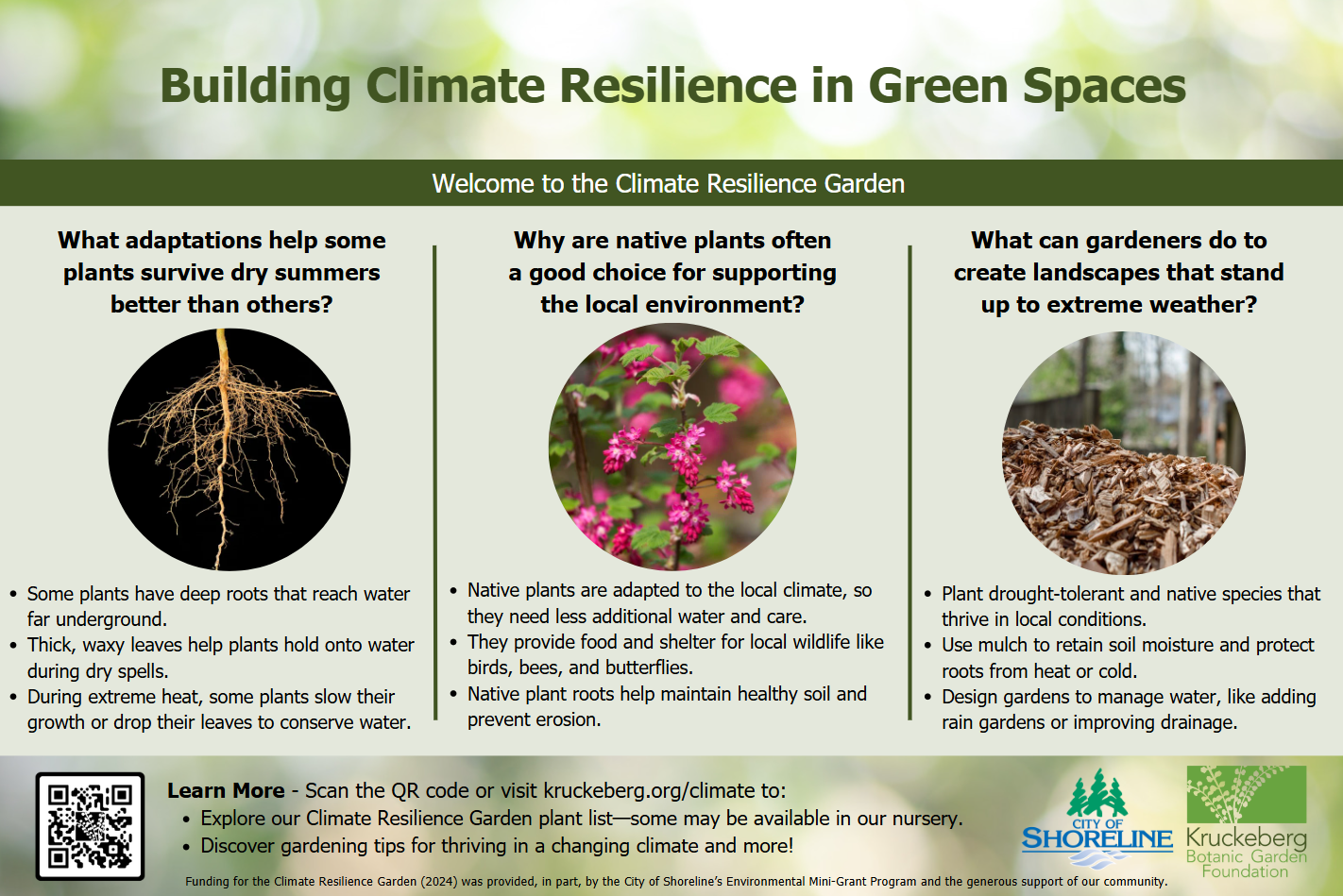
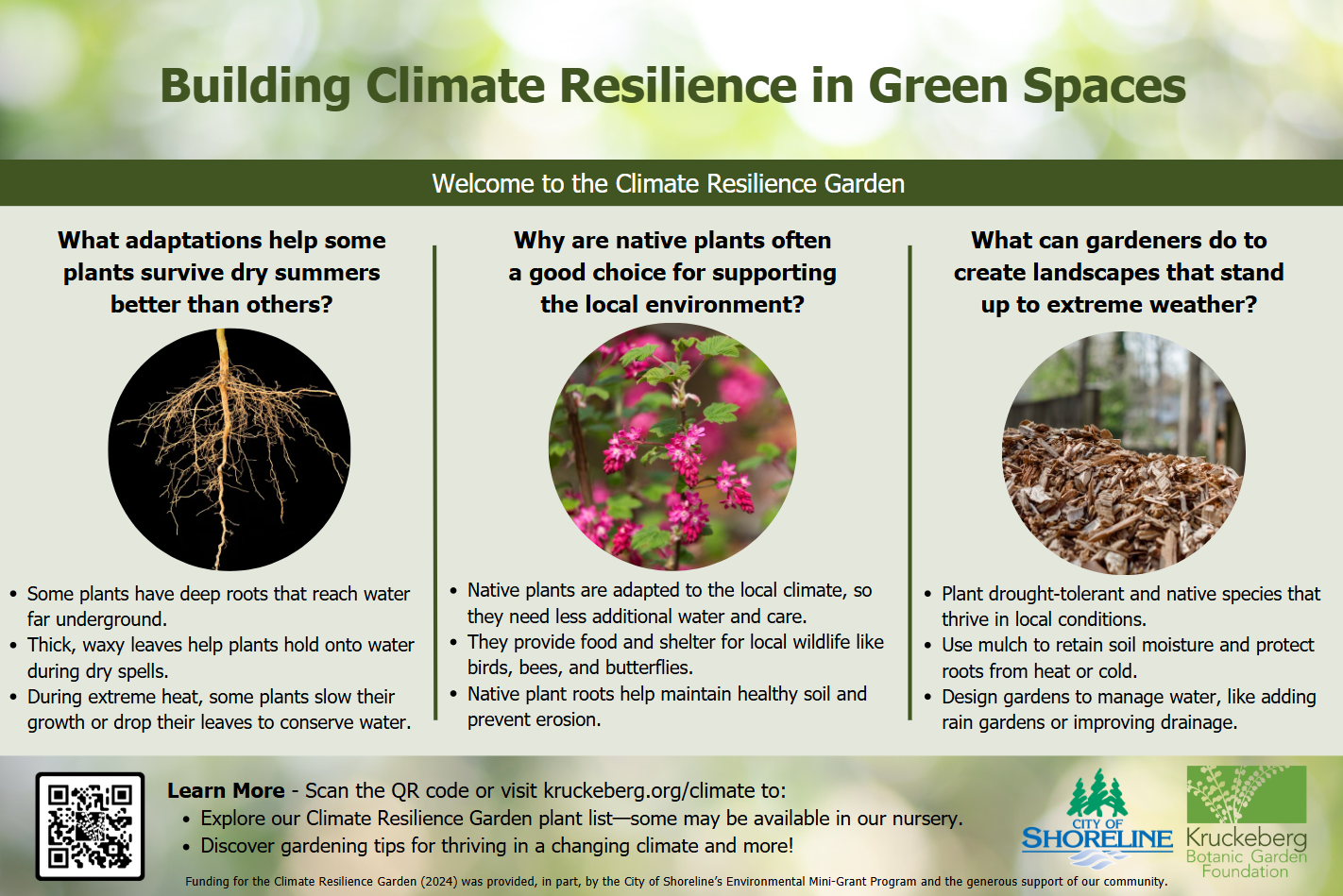
Simply planting climate-resilient natives isn’t enough. How you arrange those plants and manage your garden space is equally important. Xeriscaping, the practice of designing landscapes to minimize water use, is a cornerstone of drought-resistant gardening. This doesn’t mean a garden of rocks and cacti, but rather a thoughtful approach to plant selection and placement.
Consider incorporating rain gardens – shallow depressions designed to capture rainwater runoff from roofs and driveways. These gardens allow water to soak into the ground, replenishing groundwater and reducing stormwater runoff. Swales, which are gently sloped channels, can also be used to direct water to areas where it can be absorbed. These aren’t complex projects and can be scaled to fit any yard.
Grouping plants with similar water needs is another key technique. This allows you to water more efficiently, delivering the right amount of water to the right plants. Avoid mixing drought-tolerant plants with those that require frequent watering. Focus on improving soil health by adding compost and organic matter. Healthy soil retains moisture better and provides essential nutrients for plants.
Mulch is your friend. A thick layer of mulch (wood chips, straw, or shredded leaves) helps to retain moisture, suppress weeds, and regulate soil temperature. Finally, consider reducing the size of your lawn. Lawns require a significant amount of water, fertilizer, and maintenance. Replacing lawn with drought-tolerant groundcovers or native plant beds is a great way to conserve water and create a more sustainable landscape.
Climate-Resilient Native Plant Comparison for Wildlife Gardens
| Plant Name | Drought Tolerance | Pollinator Attraction | Soil Preference | Deer Resistance |
|---|---|---|---|---|
| New England Aster ( *Symphyotrichum novae-angliae*) | High | Bees, Butterflies | Loam, Clay | Low |
| Switchgrass (*Panicum virgatum*) | High | Birds | Sand, Loam | High |
| Blue Flag Iris (*Iris versicolor*) | Medium | Bees, Butterflies | Moist Loam, Clay | Medium |
| Black-Eyed Susan (*Rudbeckia hirta*) | Medium | Bees, Butterflies, Birds | Loam, Sand | Medium |
| Common Milkweed (*Asclepias syriaca*) | Medium | Butterflies (Monarchs) | Loam, Clay, Sand | Low |
| Oakleaf Hydrangea (*Hydrangea quercifolia*) | Medium | Bees | Loam, Acidic Soil | High |
| Wild Geranium (*Geranium maculatum*) | Low | Bees, Butterflies | Loam, Rich Soil | Medium |
| Bee Balm (*Monarda didyma*) | Medium | Bees, Hummingbirds | Loam, Moist Soil | Medium |
Illustrative comparison based on the article research brief. Verify current pricing, limits, and product details in the official docs before relying on it.
Supporting Wildlife in a Changing Climate
Climate change is impacting wildlife populations in numerous ways, from habitat loss to disruptions in food chains. Native plants play a critical role in providing essential habitat for birds, insects, and other animals. By creating a wildlife-friendly garden, you can help to mitigate some of these impacts.
Native plants provide food sources for pollinators, birds, and other wildlife. They also offer shelter and nesting sites. Consider planting a variety of plants that bloom at different times of the year to provide a continuous source of food. Think about layering your plantings – trees, shrubs, and groundcovers – to create a diverse habitat structure.
Don't be too quick to tidy up your garden in the fall. Leaving leaf litter and dead stems over winter provides important overwintering habitat for insects, including beneficial pollinators. Many insects lay their eggs in leaf litter or overwinter as pupae in hollow stems. Resist the urge to prune everything back to the ground.
Local Audubon chapters or native plant societies usually have the best regional lists for what birds actually visit your specific zip code. Even leaving a small patch of dirt or a pile of leaves makes a difference for ground-nesting bees.
Regional Considerations: Adapting to Local Conditions
Climate change impacts vary significantly by region. What works well in the Northeast may not be suitable for the Southwest, and vice versa. It’s crucial to adapt your plant choices and gardening techniques to your specific local conditions. For example, the Northeast is experiencing increased rainfall and humidity, while the Southwest is facing prolonged drought.
In the Northeast, focus on plants that can tolerate wet soils and increased humidity. Consider incorporating rain gardens and swales to manage stormwater runoff. In the Southwest, prioritize drought-tolerant plants and efficient irrigation techniques. Mulching is particularly important in this region to conserve moisture.
The Midwest is experiencing more extreme weather events, including heat waves and heavy rainfall. Choose plants that can withstand both drought and flooding. The Pacific Northwest is facing warmer temperatures and reduced snowpack, so focus on plants that can tolerate drier summers. Water conservation is a key concern in this region.
Local native plant societies are excellent resources for information on plants that are well-suited to your region. These organizations can provide advice on plant selection, gardening techniques, and local conservation efforts. Do a little research to understand your local climate and ecosystem, and choose plants accordingly.
Regional Native Plant Resources
- Native Plant Societies - Many states have dedicated societies offering plant lists, educational resources, and local chapter events. These are excellent starting points for region-specific information.
- Lady Bird Johnson Wildflower Center - This organization, based in Texas, provides extensive databases of native plants searchable by zip code and offers guidance on creating sustainable landscapes. Focuses heavily on plants native to North America.
- Audubon Society - While known for bird conservation, Audubon also promotes native plant gardening as a way to support bird populations by providing food and habitat.
- National Wildlife Federation’s Native Plant Finder - This tool allows you to enter your zip code to discover native plants that will thrive in your area and benefit local wildlife, specifically butterflies and moths.
- State Departments of Natural Resources (DNR) - Most state DNR websites include information on native plants, invasive species, and conservation efforts. They often have downloadable plant lists and habitat guides.
- Local Conservation Districts - These districts, often county-level, can provide tailored advice on native plants suitable for your specific microclimate and soil conditions.
- Botanical Gardens & Arboretums - Many botanical gardens and arboretums feature native plant collections and offer workshops on native plant gardening. Check for local options.
No comments yet. Be the first to share your thoughts!