

Small space, big impact
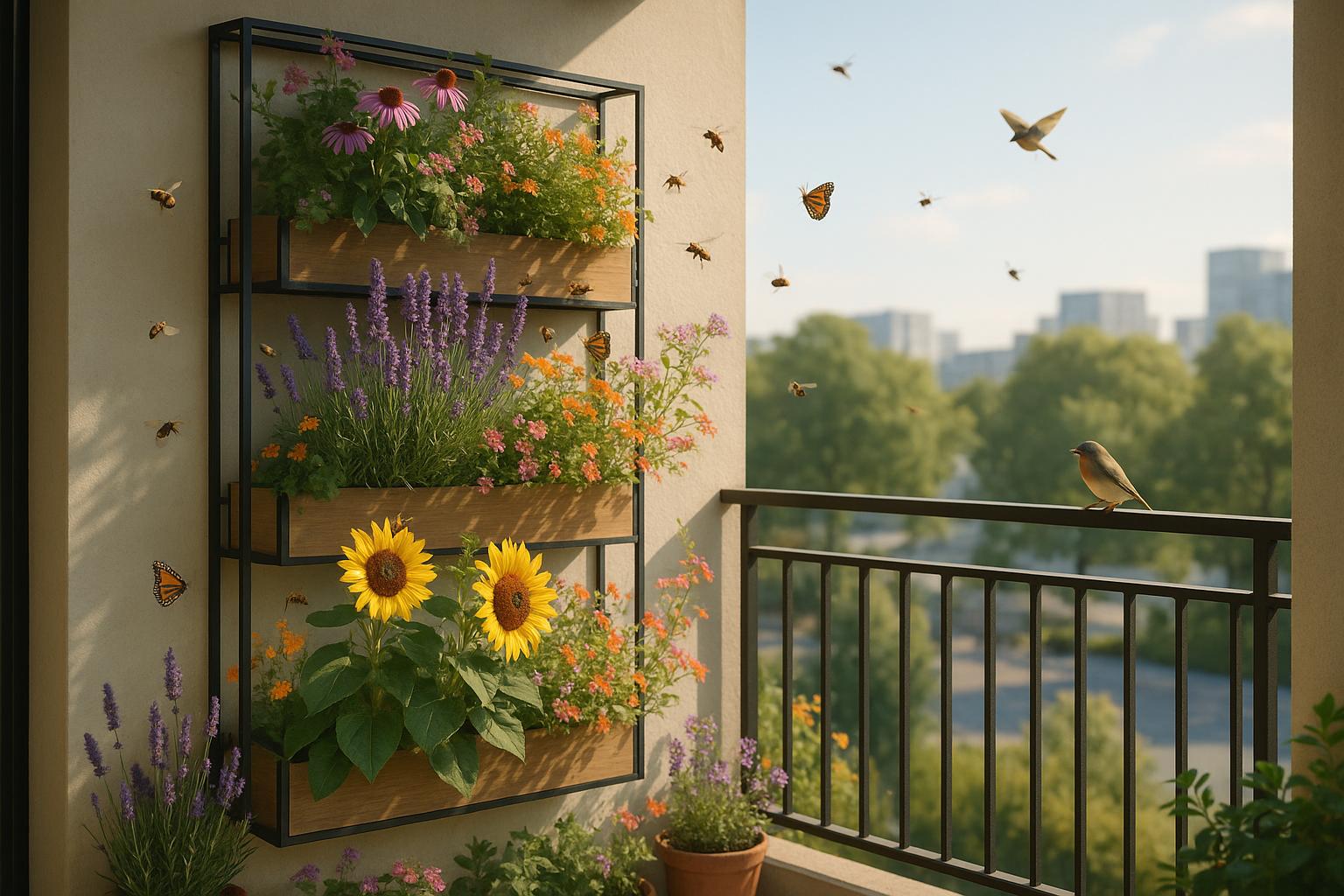
You don't need a massive yard to help local bugs and birds. A balcony or a windowsill is enough. When you set these spots up right, they give animals the food and water they can't find in paved-over neighborhoods.
The concept of a micro-habitat is simple: it’s a miniature ecosystem tailored to the needs of specific creatures. With habitat loss a growing concern, these pockets of biodiversity are more important than ever. We're facing a real challenge in maintaining healthy ecosystems, and every bit helps. Creating these spaces isn’t just beneficial for the birds and bees; it also brings a sense of joy and connection to nature right outside your door.
Observing wildlife up close is a powerful antidote to the stresses of modern life. A tiny garden buzzing with activity can improve mental wellbeing and foster a deeper appreciation for the natural world. Plus, knowing you're contributing to local biodiversity, however small the scale, is incredibly rewarding. It's a way to actively participate in conservation, even without a sprawling backyard.
What wildlife actually needs
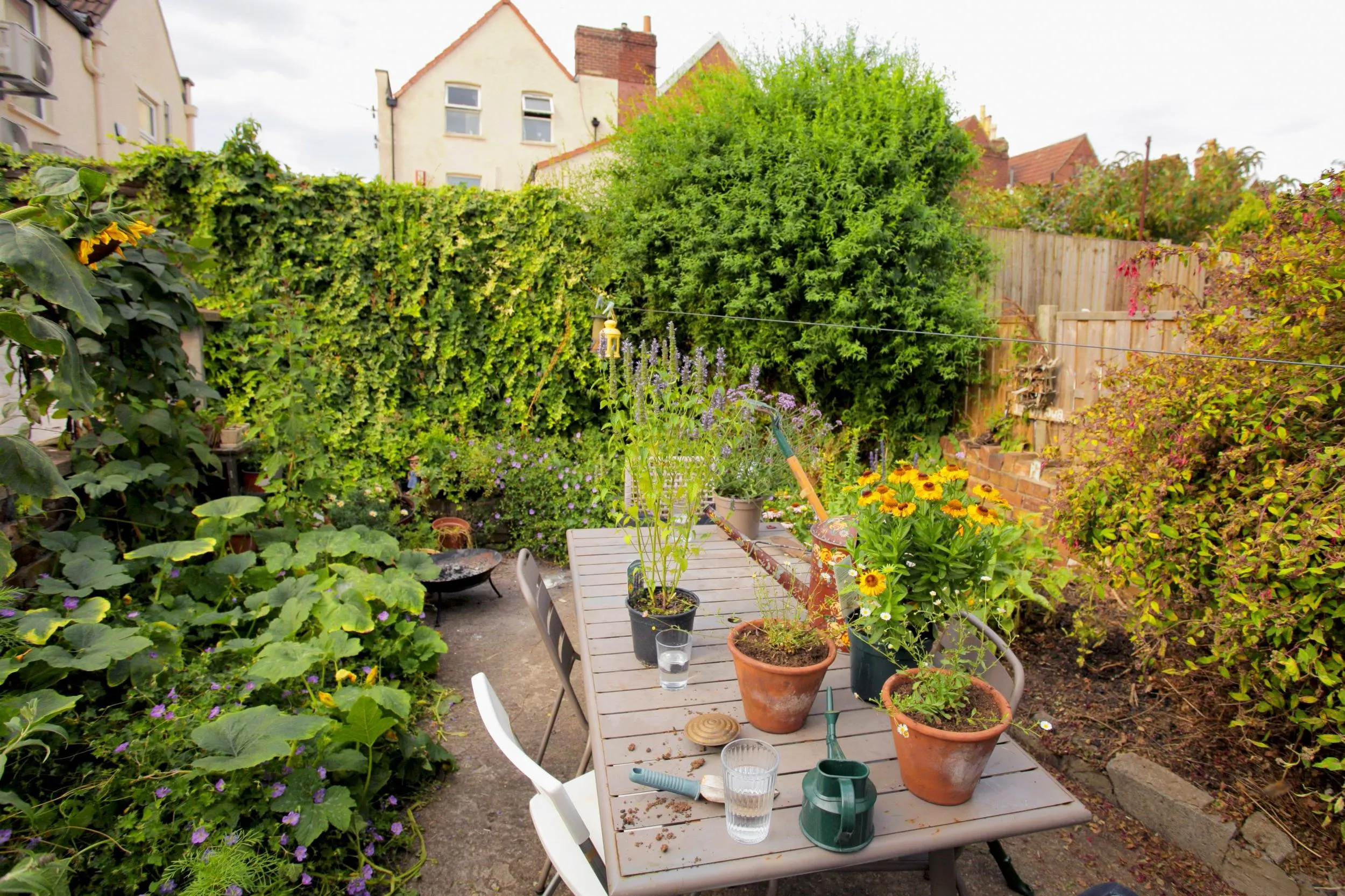
Wildlife, regardless of scale, needs the same four basic things to survive: food, water, shelter, and places to raise their young. Providing these elements, even in a limited space, is the foundation of successful micro-habitat creation. Thinking about these needs when planning your garden will dramatically increase its value to local creatures.
Food is the obvious starting point. Stick to native plants. They belong here, and local insects know how to use them. If you want butterflies, you need host plants—the specific stuff caterpillars eat before they transform. Even a few pots of herbs will draw in bees.
Water sources are often overlooked. A simple bird bath is a great start, but consider also providing shallow dishes of water for insects. Even a damp patch of earth can be a valuable resource. Remember to change the water regularly to prevent mosquito breeding.
Shelter can be provided through dense plantings, creating layers of vegetation. A small brush pile, even constructed from pruned branches, offers refuge for insects and small animals. Insect hotels are another excellent option, providing nesting and overwintering habitat. Providing places to raise young is equally important. Leave seed heads standing over winter, offer nesting materials like twigs and cotton, and consider installing a small nesting box suitable for local bird species. Different species have drastically different needs, so diversity is essential.
Plants that do the work
Choosing the right plants is paramount. Prioritize native species whenever possible, as they are best adapted to your local climate and support the native insect populations. What thrives in California will be very different than what flourishes in Maine, so regional knowledge is critical. It's best to consult your local native plant society for the most accurate recommendations.
Bee Balm (Monarda) is a fantastic choice, attracting bees, butterflies, and hummingbirds with its vibrant flowers. It's relatively easy to grow in containers and prefers full sun. Milkweed (Asclepias) is essential for Monarch butterflies; they require it to lay their eggs. Choose a species native to your region. Aster and Goldenrod provide late-season blooms, offering a vital food source for pollinators preparing for winter.
Native grasses, like Little Bluestem or Switchgrass, offer shelter and nesting materials. They also add beautiful texture to a small space. Consider incorporating herbs like Lavender and Rosemary, which attract bees and other beneficial insects. Sunflowers are a classic choice, providing seeds for birds and a cheerful display.
For shrubs, consider native Viburnums or Serviceberries. These provide berries for birds and attractive foliage. Dwarf varieties are available for smaller spaces. Don’t overlook the value of trees, even small ones. A native dogwood or hawthorn can provide significant benefits in a larger container.
Here's a quick look at a few more standouts:
New England Aster (Symphyotrichum novae-angliae): A late-blooming perennial that provides nectar for migrating butterflies. Grows well in full sun to partial shade.
Purple Coneflower (Echinacea purpurea): A popular choice for attracting pollinators and adding color to the garden. Drought-tolerant and easy to grow.
Wild Bergamot (Monarda fistulosa): Another excellent bee and butterfly magnet with fragrant foliage. Prefers full sun and well-drained soil.
Black-Eyed Susan (Rudbeckia hirta): A cheerful annual or biennial that attracts butterflies and seed-eating birds. Thrives in full sun.
Remember to research the specific needs of each plant and choose varieties that are appropriate for your space and climate. Providing a mix of bloom times ensures a continuous food source for wildlife throughout the growing season.
Plants for Micro-Habitat Creation
| Plant Name | Wildlife Supported | Sunlight Needs | Water Needs | Container Suitability | Regional Suitability |
|---|---|---|---|---|---|
| Butterfly Weed (Asclepias tuberosa) | Monarch butterflies, bees, other pollinators | Full Sun | Well-drained | Yes | Northeast, Midwest, Southwest, West Coast |
| New England Aster (Symphyotrichum novae-angliae) | Bees, butterflies, birds | Full Sun to Partial Shade | Moist | No | Northeast, Midwest |
| Virginia Bluebells (Mertensia virginica) | Long-tongued bees, hummingbirds | Partial Shade | Moist | Yes | Northeast, Southeast |
| Black-Eyed Susan (Rudbeckia hirta) | Bees, butterflies, birds (seeds) | Full Sun | Well-drained | Yes | Southeast, Midwest, West Coast |
| Bee Balm (Monarda spp.) | Bees, hummingbirds, butterflies | Full Sun to Partial Shade | Moist | Yes | Northeast, Midwest, West Coast |
| Goldenrod (Solidago spp.) | Bees, butterflies, moths | Full Sun | Well-drained | No | Northeast, Midwest, West Coast |
| Wild Strawberry (Fragaria virginiana) | Bees, birds, small mammals | Full Sun to Partial Shade | Moist | Yes | Northeast, Midwest, West Coast |
| Common Milkweed (Asclepias syriaca) | Monarch butterflies, other pollinators | Full Sun | Well-drained | No | Northeast, Midwest, West Coast |
Illustrative comparison based on the article research brief. Verify current pricing, limits, and product details in the official docs before relying on it.
Adding wood, stone, and height
While plants are the foundation, adding structure enhances the appeal and functionality of your micro-habitat. Birdhouses provide nesting sites, but it’s important to choose the right size and placement for the species you want to attract. A small birdhouse is best suited for wrens, while larger ones might attract bluebirds or swallows. Keep them away from predators like cats.
Insect hotels are becoming increasingly popular, offering shelter for solitary bees and other beneficial insects. You can purchase pre-made hotels or build your own using natural materials like bamboo, twigs, and pinecones. Small ponds or water features can add another dimension to your micro-habitat, but safety is a concern in small spaces. Ensure there’s a shallow edge for easy access and egress.
Rock piles provide basking spots for reptiles and shelter for insects. Use natural stones and avoid creating overly neat piles. Vertical gardening – utilizing walls and fences to grow plants – is a great way to maximize space. Trellises, hanging baskets, and wall-mounted planters can all be used to create a lush, green environment. Prioritize natural materials whenever possible, avoiding anything that could be harmful to wildlife.
Water is more than a birdbath
Expanding on the importance of water, consider the variety of options available. Traditional birdbaths are useful, but heated birdbaths can be a lifesaver during winter months. Different depths are also beneficial – shallow water for insects, deeper water for larger birds. A "puddle garden" – a shallow depression that naturally collects rainwater – is a low-maintenance option.
A small recirculating fountain provides moving water, which is particularly attractive to birds. Moving water also helps to prevent mosquito breeding. However, it's crucial to keep all water sources clean to prevent the spread of disease. Regularly scrub birdbaths and fountains to remove algae and debris.
Providing landing spots near the water is also important. Rocks, branches, or even a small platform can give insects and birds a place to rest and drink safely. Consider the surrounding vegetation – providing cover nearby can make wildlife feel more secure.
A hands-off approach to maintenance
Maintaining a micro-habitat doesn’t require a lot of work, but a few seasonal tasks can make a big difference. Leaving seed heads standing over winter provides food and shelter for birds and insects. Providing nesting materials, like twigs, cotton, and dried grass, in spring encourages nesting. Controlling pests naturally, without the use of pesticides, is essential.
A "hands-off" approach is generally best – let nature take its course as much as possible. Avoid excessive pruning or tidying up. Fall cleanup should be minimal; leaving leaf litter provides overwintering habitat for many insects. Cleaning birdhouses and insect hotels annually helps to remove parasites and ensure they remain attractive to wildlife.
The goal is to create a self-sustaining ecosystem, so minimize intervention and allow natural processes to unfold. Observing your micro-habitat throughout the year will help you understand its dynamics and make informed decisions about its management.
- Keep seed heads on the stalks until spring so birds can eat the seeds.
- Provide nesting materials in spring.
- Control pests naturally.
- Clean birdhouses/insect hotels annually.
- Leave leaf litter in fall.
Dealing with cats and pests
Even a well-planned micro-habitat can encounter challenges. Pests and diseases can sometimes be a problem, but avoid using harsh chemicals. Companion planting – growing certain plants together to deter pests – is a natural solution. Attracting unwanted animals, like rodents, can be addressed by providing alternative food sources and securing potential entry points.
Cats are a significant threat to birds. Keeping cats indoors is the most effective way to protect birds. If your cat does go outside, consider a breakaway collar with a bell. Regularly cleaning bird feeders prevents the spread of disease. Monitor your micro-habitat for any signs of problems and address them promptly, using gentle and wildlife-friendly methods.
No comments yet. Be the first to share your thoughts!