

Birds and drought
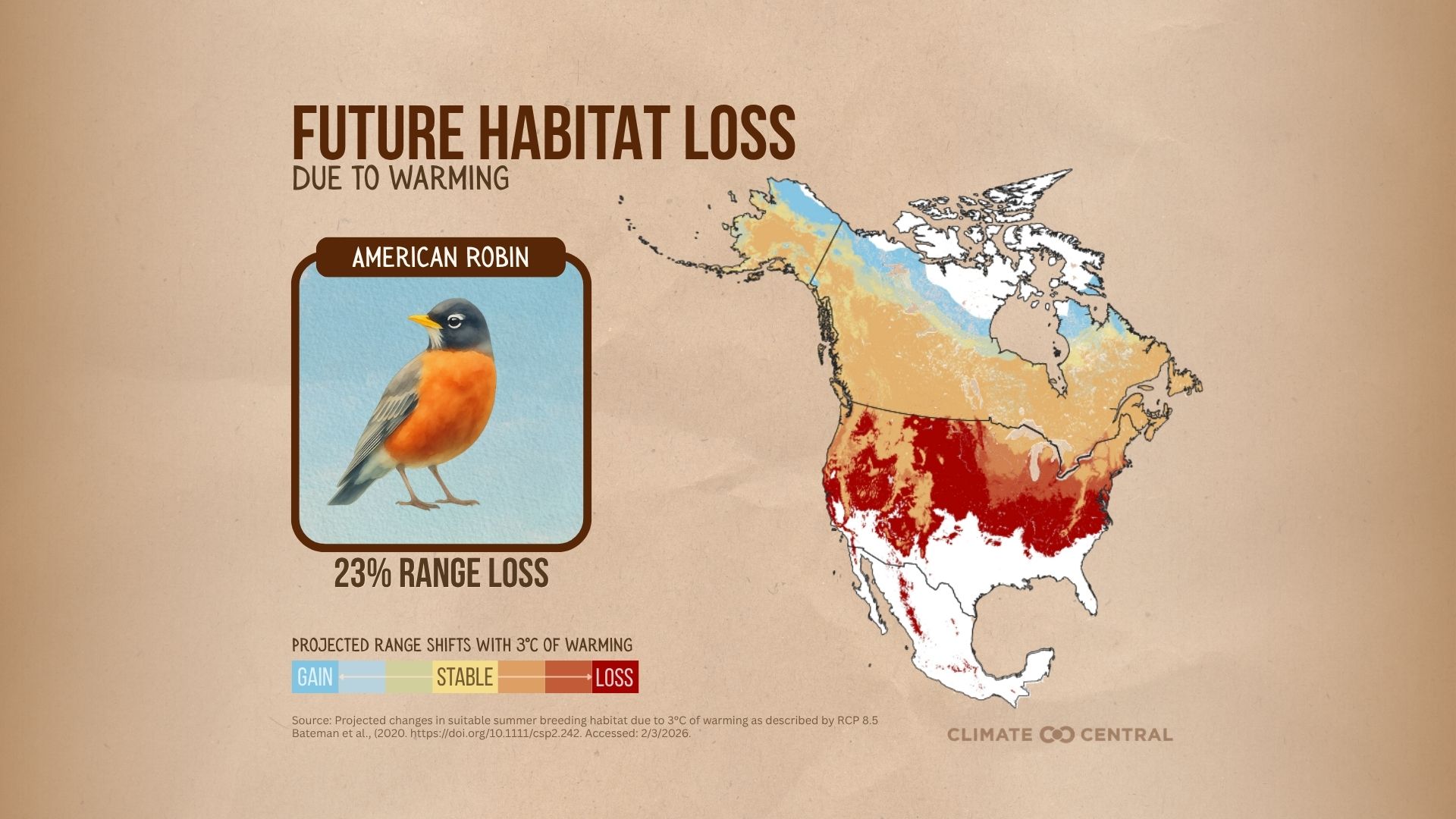
We’re seeing increasingly frequent and intense droughts across much of the country, and this isn’t just a problem for gardeners. It’s deeply affecting bird populations. Habitat loss, driven by these drier conditions, is a major factor, reducing the spaces where birds can safely live and raise their young. The ripple effects are substantial – fewer insects mean less food, drier soil makes foraging more difficult, and suitable nesting materials become scarce.
Warmer temperatures dry out the soil faster, which hits birds hard. They are the first to show when an ecosystem is failing. The National Audubon Society’s 2023 report on climate vulnerability shows clear declines in species that can't find enough water or cover in these drying regions.
The good news is that we can make a difference, even in our own backyards. By shifting towards drought-tolerant gardening practices, we can create havens for birds – spaces that provide the resources they need to survive and even thrive, despite the challenges. It's about working with nature, not against it, to build resilient landscapes that support both wildlife and our own water conservation goals. This isn't about abandoning gardening; it’s about evolving our approach.
Water-wise principles
The foundation of any drought-tolerant garden – and one that will benefit birds – is smart water management. Hydrozoning, or grouping plants with similar water needs together, is a great place to start. This prevents overwatering some plants while underwatering others. It’s simple: put your cacti and succulents with other dry-loving plants, and your moisture-needing ferns in a different area.
Mulch is your friend. A generous layer of organic mulch – wood chips, shredded bark, even fallen leaves – helps retain soil moisture, suppresses weeds that compete for water, and moderates soil temperature. This is particularly important for birds, as it supports the insects they feed on by creating a healthier soil environment. Improving soil health is also key. Amending your soil with compost adds organic matter, increasing its water-holding capacity and providing essential nutrients for plants.
Rainwater harvesting is another fantastic option. Even a simple rain barrel can collect a significant amount of water, reducing your reliance on municipal sources. That water is naturally soft and free of chemicals, making it ideal for plants and birds alike. These techniques aren’t just about conservation; they are about building a more resilient ecosystem where birds and other wildlife can flourish. A healthier garden is a bird-friendlier garden.
Native plants as the foundation
When it comes to both water conservation and supporting bird life, native plants are the undisputed champions. They’ve evolved over millennia to thrive in local conditions, meaning they require significantly less supplemental water than non-native species. This isn't just about saving water; it's about reducing our overall environmental impact.
But the benefits don’t stop there. Native plants are the food sources that local bird species are adapted to eat. They provide the right kinds of insects – caterpillars, beetles, aphids – that parent birds need to feed their young. They offer the seeds and berries that birds rely on for energy, especially during migration and winter. A garden full of non-native plants might look pretty, but it’s often a biological desert for birds.
It’s important to remember that "native’ is a regional concept. A plant native to California isn’t necessarily native to Maine. That’s why it"s crucial to choose plants that are native to your specific area. Garden Gentle has a resource to help you find regional native plant lists: Using these lists will ensure you're providing the best possible support for your local bird populations.
Here are a few examples of highly beneficial native plants, though remember to check what’s native to your region: Eastern Redbud (Cercis canadensis) provides seeds and attracts insects; New England Aster (Symphyotrichum novae-angliae) offers late-season nectar and seeds; and Oak trees (Quercus spp.) support a huge diversity of insects and provide acorns for birds.
- Eastern Redbud (Cercis canadensis): Seeds and attracts insects
- New England Aster (Symphyotrichum novae-angliae): Late-season nectar and seeds
- Oak trees (Quercus spp.): Supports diverse insects and provides acorns
Regional Bird-Friendly Plants
- New England Aster (Symphyotrichum novae-angliae) - Attracts Goldfinches, Song Sparrows, and Juncos. Water Needs: Low to Medium. This late-blooming beauty provides crucial fall seeds.
- Serviceberry (Amelanchier spp.) - A favorite of Cedar Waxwings, Robins, and Thrushes. Water Needs: Medium. Offers berries in early summer and beautiful fall color.
- Butterfly Weed (Asclepias tuberosa) - Attracts Hummingbirds and Monarch Butterflies (which birds will also consume). Water Needs: Low. A vibrant orange bloom that thrives in dry conditions.
- California Poppy (Eschscholzia californica) - Attracts American Goldfinches and House Finches. Water Needs: Low. A drought-tolerant classic, perfect for western gardens.
- Texas Sage (Leucophyllum frutescens) - Attracts Hummingbirds and Mockingbirds. Water Needs: Very Low. Silver foliage and purple blooms make this a stunning, water-wise choice.
- Pacific Dogwood (Cornus nuttallii) - Attracts various songbirds, including Warblers and Finches. Water Needs: Medium. Provides berries and attractive branching structure.
- Blue Grama Grass (Bouteloua gracilis) - Attracts Sparrows and Quail. Water Needs: Very Low. Provides seeds and shelter, and is extremely drought tolerant.
Natural food sources
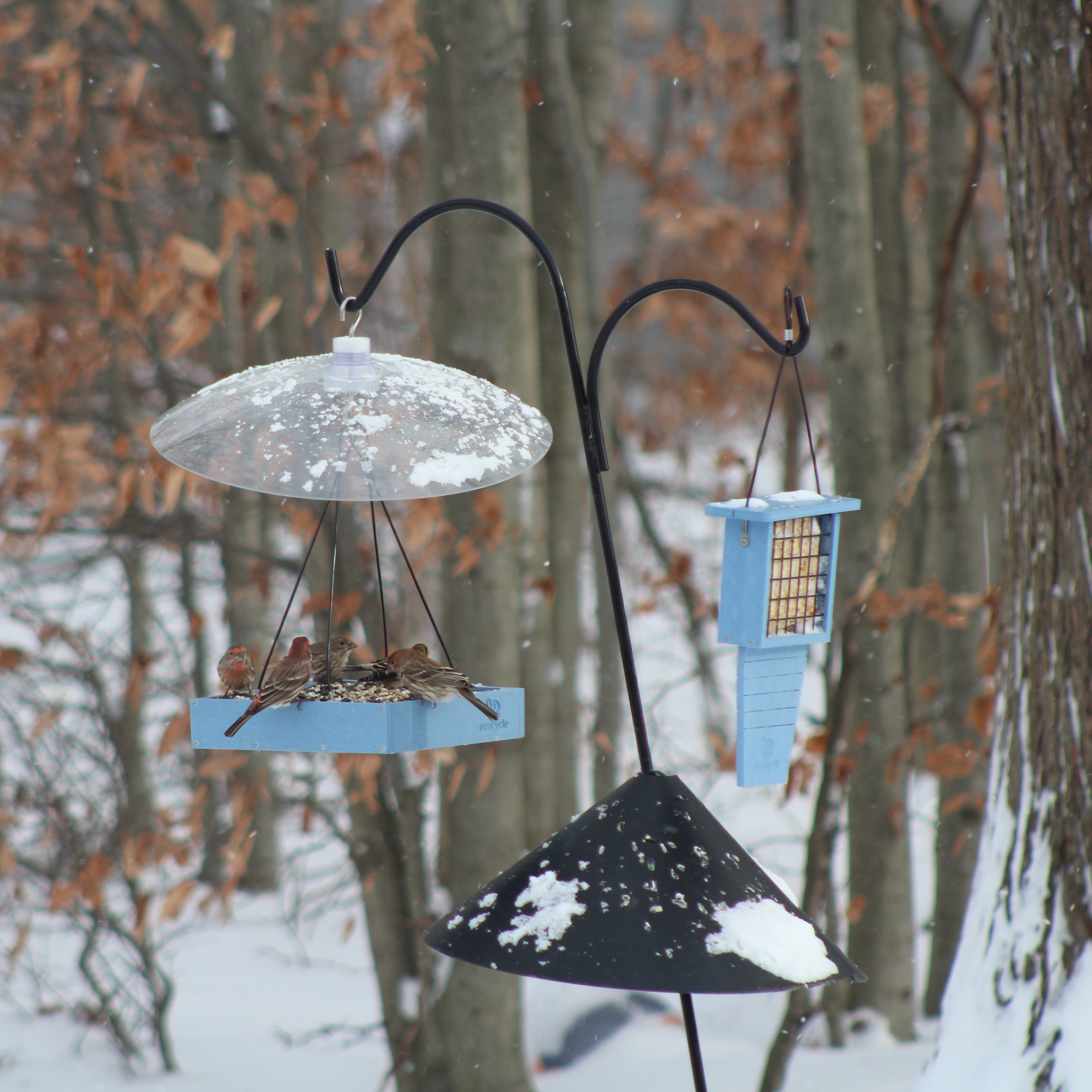
Bird feeders are a helpful supplement, especially during harsh winters, but they shouldn’t be the only source of food in your garden. A truly bird-friendly garden provides a year-round buffet of natural food sources. Think about plants that offer berries in the fall and winter – serviceberry, dogwood, and viburnum are excellent choices. These provide much-needed energy when other food is scarce.
Don’t be too quick to clean up your garden in the fall. Leaving seed heads standing provides a valuable food source for birds throughout the winter. Coneflowers, sunflowers, and goldenrod are all great options. They provide seeds that birds can peck at, and they add visual interest to the winter landscape.
Caterpillars are the primary fuel for baby birds. If you plant a mix of native trees and shrubs, you'll get the variety of larvae needed to keep a nest fed. It's better to have a messy, diverse yard than a manicured one with only one type of tree.
Water Features: Smart Options for Birds
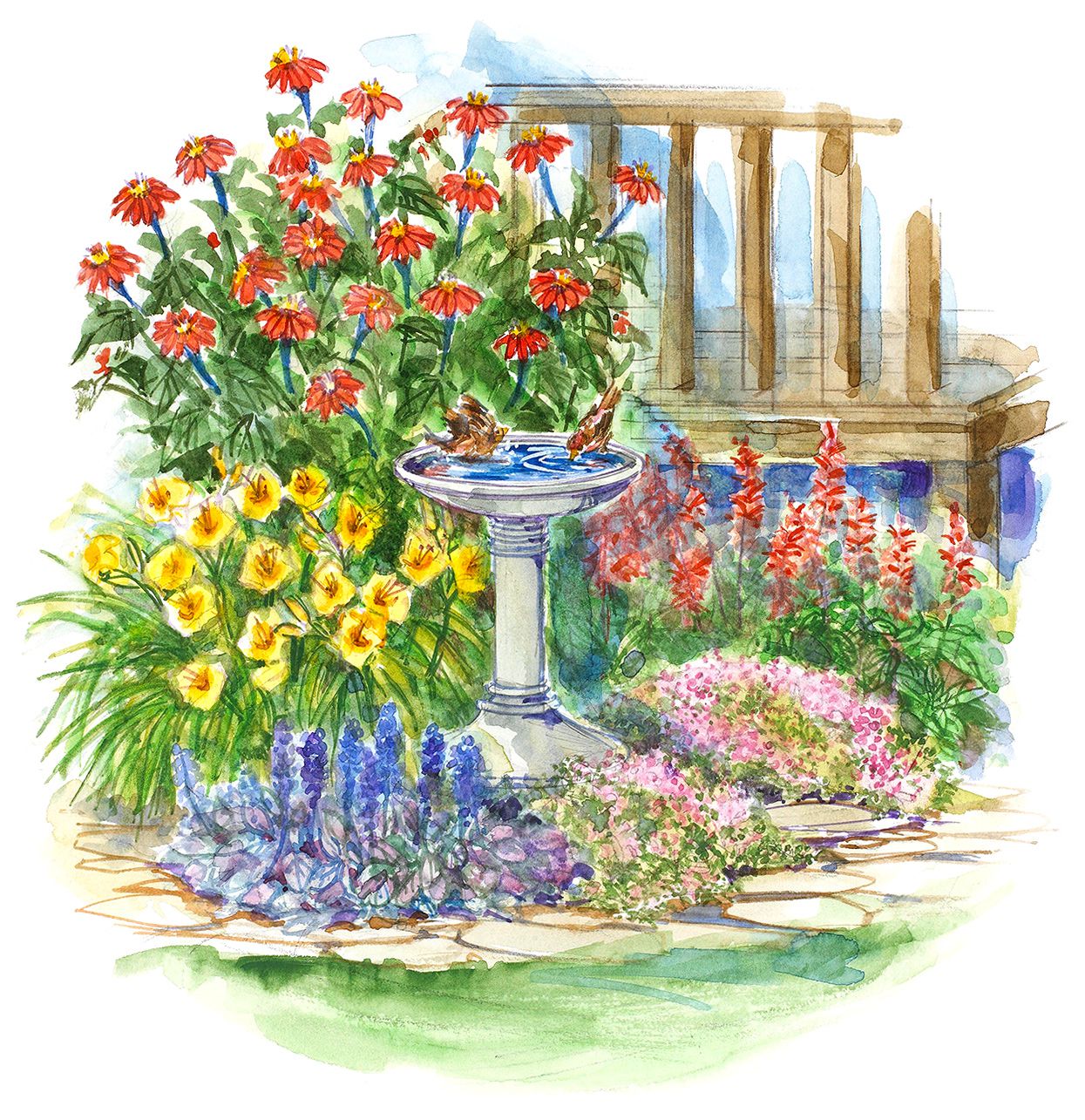
Access to fresh water is essential for birds, especially during hot, dry periods. Birdbaths are a classic choice, but they require regular cleaning to prevent the spread of disease. Change the water daily and scrub the birdbath thoroughly at least once a week. Consider a birdbath with a textured surface to provide better footing for birds.
For a more naturalistic approach, a small pond can be a fantastic addition to your garden. Native aquatic plants not only provide habitat for insects and other invertebrates that birds feed on, but they also help keep the water clean. Recirculating fountains are another good option, as they provide a constant source of moving water, which birds find particularly attractive.
To minimize water loss through evaporation, position your water feature in a shaded location. The deeper the water, the slower it will evaporate. Ensure there are shallow areas or gently sloping sides so fledglings can easily enter and exit the water safely. For a DIY option, a shallow dish filled with pebbles and water can provide a safe and accessible drinking source.
- Step 1: Choose a location - partially shaded is best.
- Step 2: Select a container - a shallow dish or birdbath works well.
- Step 3: Add pebbles - create a shallow area for birds to stand.
- Step 4: Fill with water - change daily and clean weekly.
Shelter & Nesting: Drought-Resilient Habitats
Providing shelter and nesting opportunities is just as important as providing food and water. Dense shrubs and trees offer birds protection from predators and harsh weather. Thorny shrubs like roses or hawthorns can create secure nesting sites. Native trees are particularly valuable, as they provide a wide range of benefits for birds.
Consider creating a brush pile in a secluded corner of your garden. This provides a safe haven for birds to escape predators and find shelter during inclement weather. You can also leave standing deadwood – branches and stems – if it's safe to do so. These provide nesting cavities for cavity-nesting birds.
It's crucial to avoid using pesticides in your garden. Pesticides kill the insects that birds rely on for food, and they can also directly harm birds. Opt for natural pest control methods instead, such as attracting beneficial insects or hand-picking pests. A healthy, diverse garden is the best defense against pests.
Regional plant picks
Choosing the right plants for your region is essential. Here are a few standouts, keeping in mind that you should always verify if they’re native to your specific location:
California Lilac (Ceanothus spp.): Extremely drought-tolerant and provides nectar for hummingbirds and butterflies. Water needs: Very low.
Blueberry (Vaccinium spp.): Offers berries for birds and requires moderate watering. Water needs: Moderate.
Texas Sage (Leucophyllum frutescens): A southwestern native that thrives in dry conditions and attracts pollinators. Water needs: Very low.
Spicebush (Lindera benzoin): A northeastern native that provides berries for birds and supports spicebush swallowtail caterpillars. Water needs: Moderate.
Serviceberry (Amelanchier spp.): A versatile tree that offers berries for birds, beautiful spring flowers, and fall color. Water needs: Moderate.
Red Osier Dogwood (Cornus sericea): Provides berries and winter interest, tolerates moist conditions. Water needs: Moderate to High.
You can find more detailed information about these and other bird-friendly, drought-tolerant plants on Garden Gentle’s plant profiles:
No comments yet. Be the first to share your thoughts!