

How winter hits local wildlife
Winter is hard on animals. When food disappears, they burn through energy reserves just to stay warm. While this is a natural cycle, habitat loss from new housing and roads makes it harder for them to find the calories they need to survive until spring.
The disappearance of meadows and woodlands means fewer natural food sources like seeds, berries, and insects. Birds, in particular, feel this pressure. They require consistent energy intake to maintain their body temperature and fuel migration, and finding enough to eat in a snow-covered landscape can be nearly impossible.
Supplemental feeding – offering food in your garden – can be a helpful intervention, but it’s not without potential drawbacks. It's a complex issue, and simply throwing out bread scraps isn't the answer. Careful consideration and responsible practices are essential to truly support wildlife without creating unintended consequences.
Seven ways to help garden birds
Creating a bird-friendly garden isn’t about turning your yard into a buffet; it's about providing natural food sources and shelter that support birds throughout the winter. The goal is to supplement what nature offers, not replace it entirely. A diverse garden with a variety of features will attract a wider range of species and provide a more resilient ecosystem.
We often think of feeders as the primary way to help, but a well-designed garden offers so much more. Here are seven features you can incorporate to support birds and other wildlife all winter long. Remember, prioritizing native plants is always the best approach – they’re adapted to our climate and provide the most nutritional value for local species.
Native berries for winter food
Many birds rely on berries when the ground freezes. Native shrubs like winterberry (Ilex verticillata) are great because they hold their fruit late into the season. Robins, cedar waxwings, and kinglets will visit these for a meal when other sources are buried in snow.
Viburnums and dogwoods are also excellent choices. Plant these shrubs in sunny to partially shaded locations with well-drained soil. Regular pruning can help maintain their shape and encourage berry production. Consider the mature size of the shrub when choosing a planting location.
Seed heads and standing stalks
Resist the urge to cut back all your spent flower stalks in the fall. Leaving seed heads on plants like coneflowers, sunflowers, and goldenrod provides a valuable food source for birds. Goldfinches, for example, are particularly fond of coneflower seeds. Juncos and sparrows will forage among the dried stalks.
This practice requires a bit of a shift in perspective – embracing a more natural, less manicured look. It’s a small change that can make a big difference for birds preparing for migration or enduring the cold winter months.
Suet for high-energy fuel
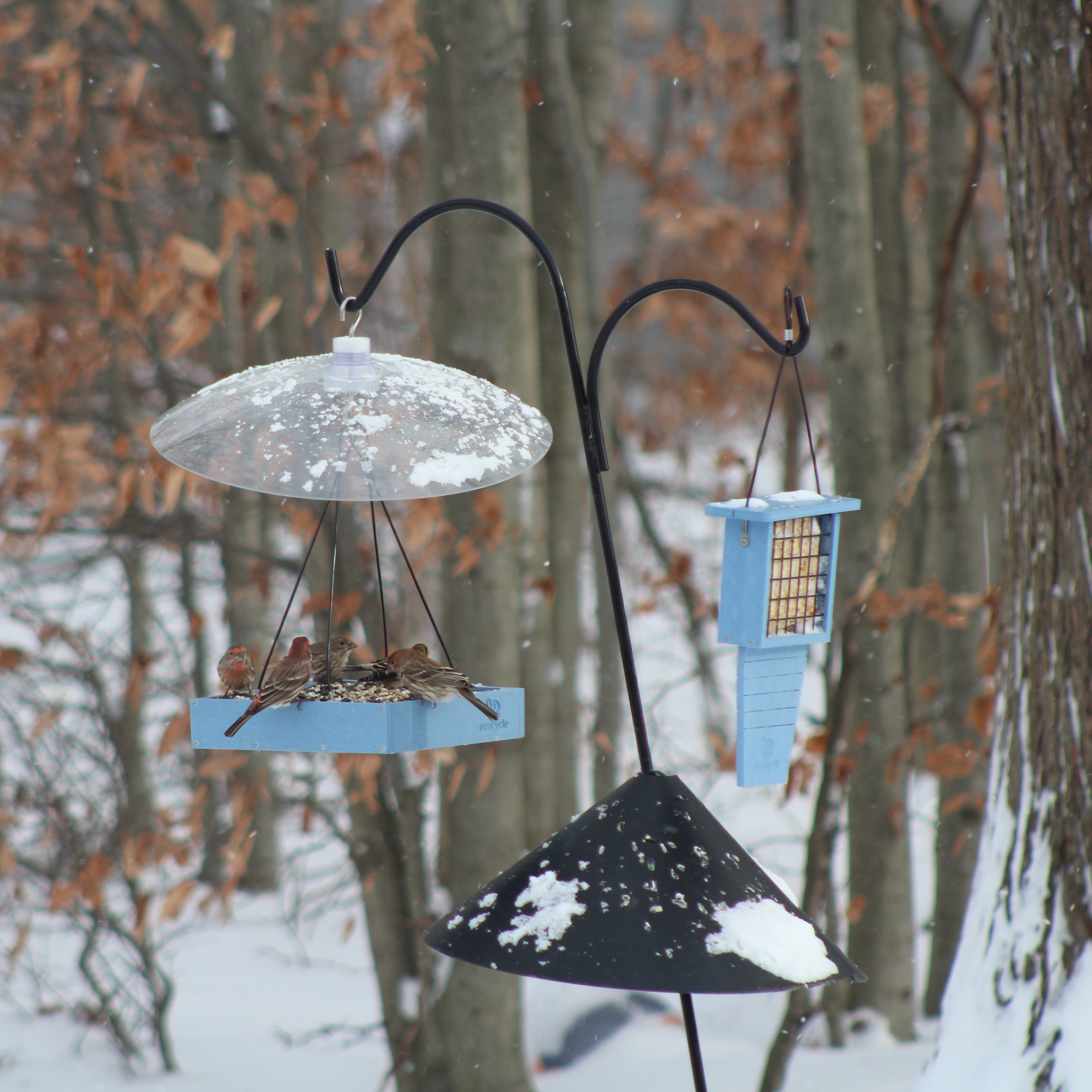
Suet – the hard fat around beef or mutton kidneys – is a fantastic source of energy for birds during the winter. It’s packed with calories, which is essential for maintaining body temperature in cold weather. Woodpeckers, nuthatches, chickadees, and titmice are particularly fond of suet.
You can purchase suet cakes that are pre-made with nuts, berries, or insects. Look for suet that doesn’t contain a lot of fillers like cornmeal, as these offer little nutritional value. Plain suet is often the best option. Offer suet in a specialized suet feeder to prevent it from melting in warmer temperatures.
Water is a winter necessity
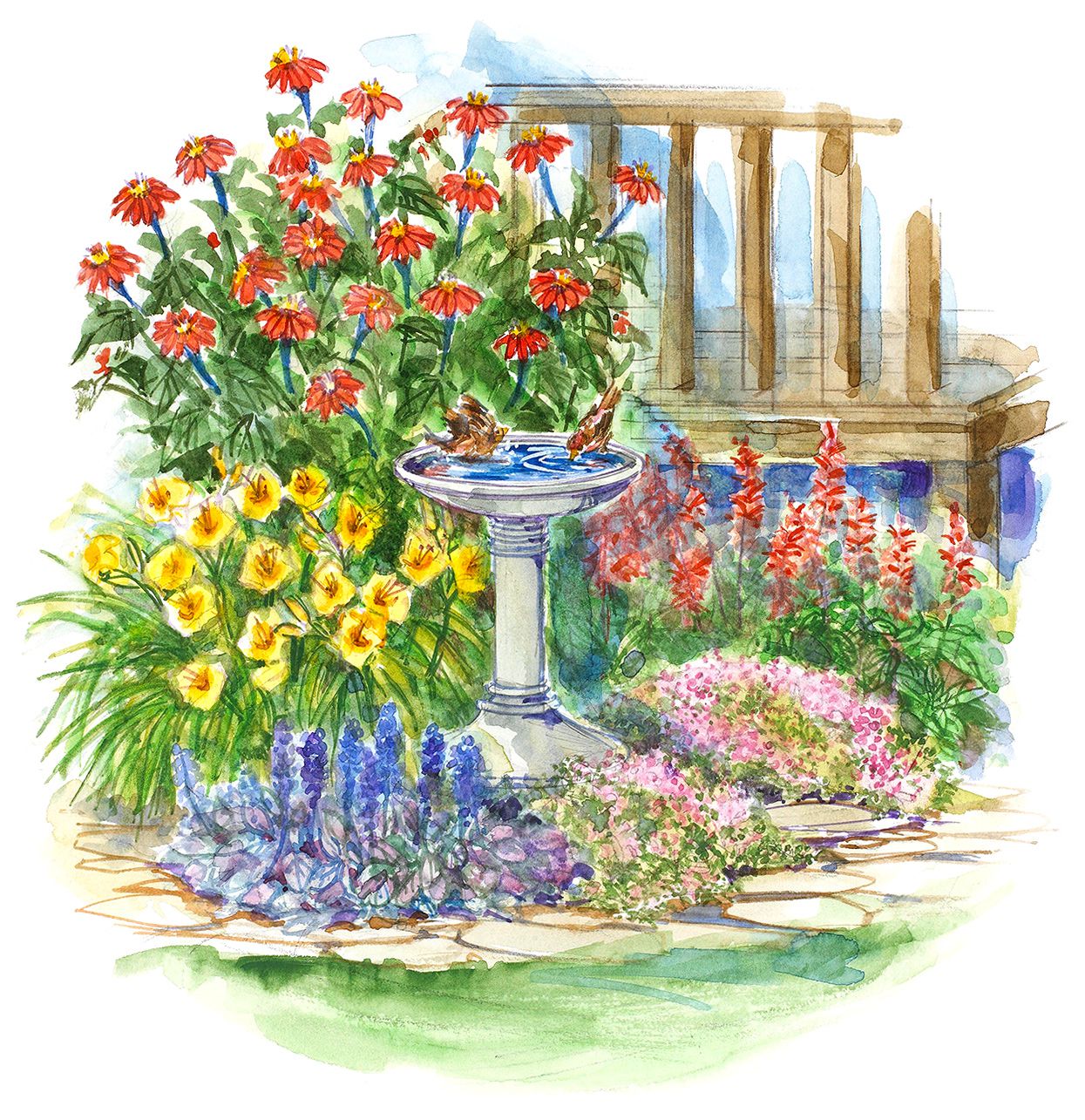
Access to water is surprisingly critical for birds even in freezing temperatures. Birds need water for drinking and preening, which helps maintain their feather insulation. Natural water sources often freeze over in winter, making it difficult for birds to find a drink.
Heated birdbaths are a great solution, but they require a power source. Alternatively, you can regularly break the ice on a standard birdbath. Be sure to clean the birdbath frequently to prevent the spread of disease. A clean water source is just as important as the water itself.
Brush piles for instant shelter
A brush pile provides valuable shelter for birds and other wildlife during the winter. It offers protection from wind, snow, and predators. Birds will use brush piles to roost and escape the elements.
Building a brush pile is simple. Pile up branches, twigs, and leaves in a secluded corner of your garden. Use natural materials and avoid treated wood. The larger the pile, the more beneficial it will be. It's also a great way to dispose of pruning debris.
Evergreens as windbreaks
Evergreen trees and shrubs provide essential shelter from harsh winter winds and snow. They offer a dense canopy that protects birds from the elements. Native evergreens like eastern white pine, hemlock, and juniper are excellent choices.
Planting evergreens strategically can create a windbreak that protects your entire garden. They also provide a safe roosting spot for birds during cold nights. Consider the mature size of the evergreen when choosing a planting location.
Leave the leaves for insects
Don’t be too quick to rake up all the leaves in your garden. Leaf litter provides important habitat for overwintering insects, which in turn serve as a food source for birds. Many birds forage for insects among the leaves, even in winter.
Leaving the leaves also helps protect plant roots from freezing temperatures and adds nutrients to the soil as they decompose. If you’re concerned about aesthetics, you can shred the leaves or create a designated leaf pile in a less visible area. It's a small change that can have a significant impact on the ecosystem.
Feeding responsibly
While winter feeding can be beneficial, it's essential to be aware of the potential downsides. Over-reliance on feeders can lead to dependency, where birds become less adept at finding natural food sources. This can be particularly problematic if the feeding suddenly stops.
Disease transmission is another concern. Feeders can become breeding grounds for bacteria and fungi, which can spread among birds. Regularly cleaning feeders with hot, soapy water is crucial. According to the Pennsylvania Game Commission (January 10, 1997), consistent feeder cleaning is vital to prevent the spread of avian diseases.
Attracting unwanted guests, such as rodents, is also a possibility. Store birdseed in a secure container and clean up any spilled seed promptly. The Maine Department of Inland Fisheries and Wildlife cautions that well-intentioned feeding can actually harm deer, potentially altering their digestive systems and making them more vulnerable. They suggest, “if you care, let them fend for themselves.” This principle applies to birds as well – supplementation should supplement not replace natural foraging.
- Scrub your feeders every two weeks with hot water to stop bacteria from building up.
- Check your seed for clumps or a musty smell and throw away anything that looks moldy.
- Space out feeders: This helps reduce crowding and the spread of disease.
- Stop feeding if disease is observed: If you notice sick birds, remove the feeders and disinfect them thoroughly.
No comments yet. Be the first to share your thoughts!