

Pollinator Gardens Evolve
For years, creating a garden to attract bees, butterflies, and other pollinators involved a lot of research. We’d pore over books, consult local nurseries, and hope for the best. It was often a trial-and-error process, and frankly, a bit overwhelming. Now, things are changing, and changing quickly. Artificial intelligence is emerging as a powerful tool for garden design, promising to make the process more efficient and, crucially, more successful.
The need for pollinator gardens is becoming increasingly clear. Habitat loss, pesticide use, and climate change are all contributing to declines in pollinator populations. These creatures are essential for the reproduction of many of the fruits, vegetables, and flowers we rely on. A well-planned pollinator garden isn’t just beautiful; it’s a vital contribution to a healthy ecosystem.
Traditional garden planning often falls short because it struggles to account for the complex relationships between plants and the pollinators they attract. It can be difficult to determine which plants will thrive in a specific location, which pollinators they’ll support, and how to create a garden that provides continuous blooms throughout the growing season. AI is stepping in to address these challenges, offering a level of data analysis and predictive power that was previously unavailable.
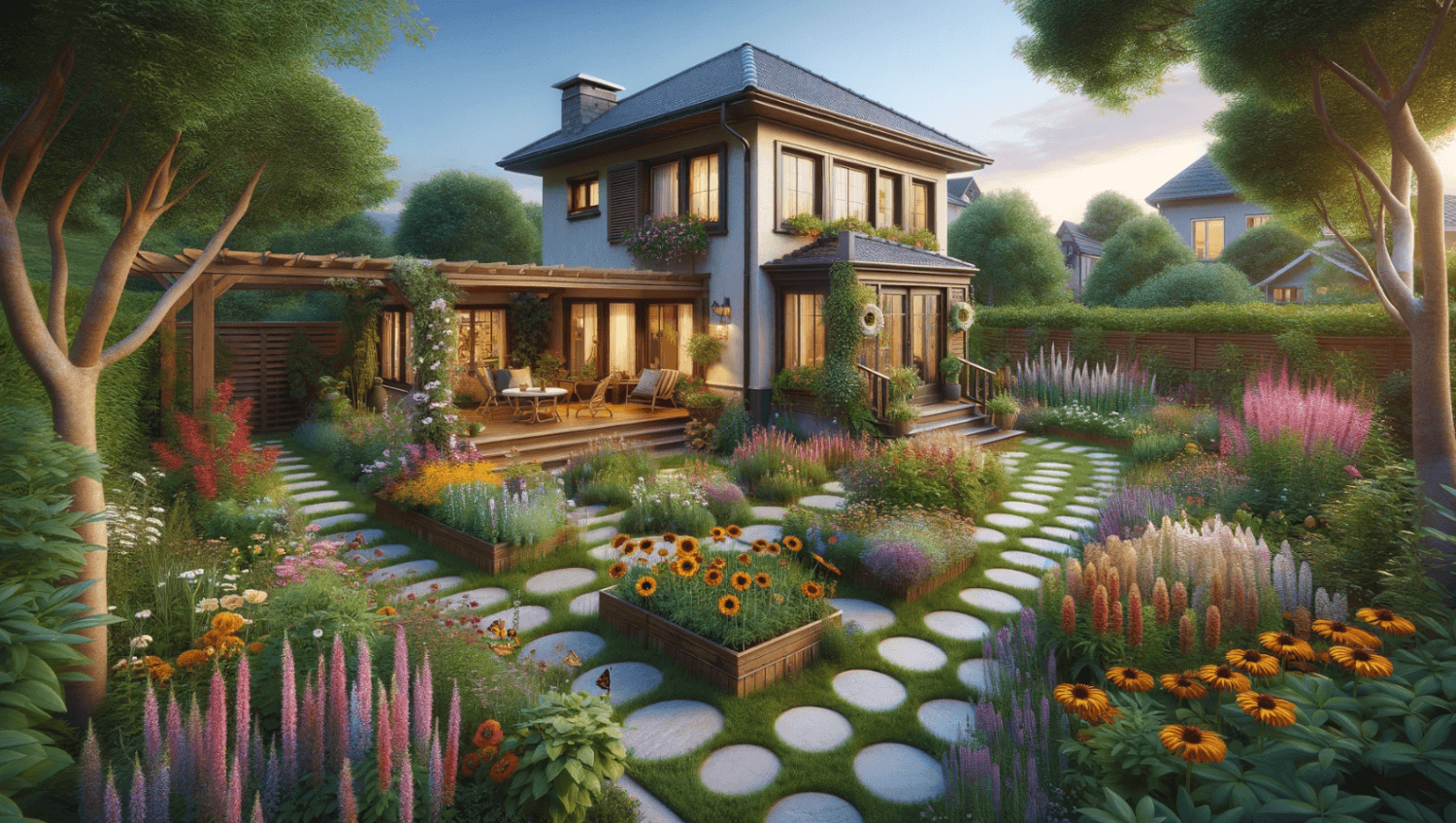
AI's Understanding of Pollinator Needs
At the heart of AI garden planning is a sophisticated understanding of plant-pollinator relationships. These systems don’t just suggest plants randomly; they analyze vast datasets to determine which plants are most attractive to specific pollinators. The information comes from a variety of sources, including university extension databases – like those available at extension.psu.edu – which contain detailed information about plant characteristics and pollinator preferences.
Botanical garden records and citizen science projects also feed into these algorithms. For example, data collected through programs like Bumble Bee Watch allow researchers to track pollinator distribution and identify preferred host plants. This information is then used to train the AI to make informed recommendations. The more data available, the more accurate and effective the AI becomes.
AI algorithms consider a wide range of factors when designing a pollinator garden. Bloom time is critical, ensuring a continuous supply of nectar and pollen throughout the growing season. Flower shape and color are also important, as different pollinators are attracted to different floral characteristics. A long-tongued bee, for example, will prefer tubular flowers, while a butterfly might favor flat-topped blooms. AI can even account for regional variations in pollinator populations and plant hardiness.
Perhaps less obvious, but equally important, is the AI’s ability to analyze microclimates within a garden. It can factor in sunlight exposure, soil type, and wind patterns to determine which plants will thrive in specific locations. This level of precision helps to maximize the success of the garden and ensure that pollinators have access to a consistent food source.
Tools for Smart Garden Design
Several AI-powered garden planning tools are beginning to emerge, offering a glimpse into the future of garden design. Garden AI, available on the Google Play store (play.google.com), is one example. These tools typically start by asking the user to input information about their location, garden size, and pollinator preferences. Do you want to attract bees, butterflies, hummingbirds, or all of the above? The AI then uses this information to generate a customized garden plan.
A key feature of these tools is the plant suggestion engine. Based on the user’s input, the AI recommends a selection of plants that are well-suited to the local climate and will attract the desired pollinators. Some tools also offer layout optimization, suggesting the best arrangement of plants to maximize visual appeal and pollinator access. Seasonal planning is another valuable feature, helping users to ensure a continuous bloom throughout the growing season.
I’m not yet aware of specific SDKs or package names that developers are using to create these tools—much of this is proprietary. However, the underlying technology involves machine learning algorithms, image recognition, and geographic information systems (GIS). I expect we’ll see more open-source options emerge as the field matures.
Some of the more sophisticated tools are beginning to integrate with local nurseries and seed suppliers. This allows users to easily purchase the plants recommended by the AI. It also helps to support local businesses and promote the use of regionally appropriate plants. While integration isn’t universal, it’s a trend I expect to see continue.
- Plant Suggestion Engines: Recommend plants based on location and pollinator preferences.
- Layout Optimization: Suggests plant arrangements for visual appeal and pollinator access.
- Seasonal Planning: Ensures continuous blooms throughout the growing season.
- Nursery Integration: Allows easy purchase of recommended plants.
Beyond Plant Choice: Habitat Creation
Creating a successful pollinator garden involves more than just selecting the right plants. It’s about creating a habitat that provides pollinators with everything they need to thrive, including food, water, shelter, and nesting sites. AI can help with this too. It’s not enough to simply plant flowers; we need to think about the entire ecosystem.
AI can suggest features like rock piles and brush piles to provide shelter for bees and other insects. Shallow water dishes with pebbles can offer a safe drinking source for butterflies. The AI can also advise on layering vegetation – planting a mix of trees, shrubs, and groundcovers – to create diverse microhabitats. This layering mimics natural ecosystems and provides a range of resources for pollinators.
Reducing or eliminating pesticide use is paramount. AI can assist with integrated pest management strategies, identifying potential pest problems and recommending natural solutions. It can also suggest companion plants that deter pests or attract beneficial insects. The goal is to create a garden that is resilient and self-sustaining, minimizing the need for chemical interventions.
Garden Gentle emphasizes the importance of providing host plants for butterfly larvae. AI can help identify the specific host plants required by different butterfly species in a given region, ensuring that these beautiful creatures have a place to complete their life cycle.
Regional Adaptations and Native Plants
Using native plants is absolutely crucial for supporting local pollinator populations. Pollinators have evolved alongside native plants, forming close relationships that are essential for their survival. Non-native plants may not provide the same nutritional value or attract the same pollinators.
AI can prioritize native plant suggestions based on a user’s location, drawing on databases of native plant lists compiled by native plant societies and university extension services. This ensures that the recommended plants are well-suited to the local climate and will provide the greatest benefit to pollinators. It also helps to avoid the introduction of invasive species, which can outcompete native plants and disrupt ecosystems.
Resources like the Lady Bird Johnson Wildflower Center’s Native Plant Database are invaluable for identifying native plants in a specific region. AI can integrate with these resources to provide users with accurate and up-to-date information. However, it’s important to remember that AI is a tool to enhance ecological knowledge, not replace it. Always double-check the recommendations with local experts.
I believe it’s vital to approach AI-powered garden planning with a critical eye. It's a powerful tool, but it's only as good as the data it's trained on. A healthy dose of skepticism, combined with a commitment to ecological principles, will ensure that you create a truly beneficial pollinator garden.
Native vs. Non-Native Plants
| Characteristic | Native Plants | Non-Native Plants |
|---|---|---|
| Pollinator Support | Generally provide specialized food sources for local pollinators, supporting a wider range of species. | May attract pollinators, but often offer less specialized or suitable nutrition for native species. |
| Pest Resistance | Often demonstrate higher resistance to local pests and diseases due to co-evolution. | Can be more susceptible to local pests and diseases, potentially requiring more intervention. |
| Water Needs | Typically well-adapted to regional rainfall patterns, often requiring less supplemental watering once established. | Water requirements vary greatly; some may be drought-tolerant, while others necessitate frequent irrigation. |
| Maintenance | Often require less maintenance as they are adapted to the local climate and soil conditions. | Maintenance needs are variable, some may be invasive and require diligent control. |
| Ecological Impact | Contribute to the health and stability of local ecosystems, supporting biodiversity. | Can sometimes be invasive, outcompeting native plants and disrupting ecological balance. |
| Seed Dispersal | Naturally dispersed by local wildlife, contributing to ecosystem regeneration. | Seed dispersal often relies on human intervention or may be limited by the lack of natural dispersal mechanisms. |
| Soil Preference | Adapted to the existing soil types in the region, promoting healthy soil structure. | May require soil amendments to thrive, potentially altering the natural soil composition. |
Illustrative comparison based on the article research brief. Verify current pricing, limits, and product details in the official docs before relying on it.
AI and Garden Maintenance
The benefits of AI don’t end with the initial garden design. It can also assist with ongoing garden maintenance, helping to keep your pollinator garden thriving. Sensors and image recognition technology can be used to detect plant diseases or pest infestations early on, allowing for prompt intervention.
Automated irrigation systems optimized for pollinator-friendly plants are another potential application of AI. These systems can adjust watering schedules based on weather conditions and plant needs, conserving water and promoting healthy growth. This is particularly important in regions prone to drought.
AI can also predict bloom times based on historical data and weather forecasts, suggesting optimal pruning schedules to maximize flower production. I’m curious if tools will soon emerge that provide personalized advice based on observed garden conditions—analyzing photos of plants to diagnose problems and recommend solutions.
Garden Gentle’s strategies for attracting bees, which include providing a variety of bloom times, can be easily incorporated into an AI-driven maintenance schedule. It’s about working with nature, not against it, and AI can help us do that more effectively.
The Future of Pollinator Garden AI
undefined Imagine an AI that can predict how different plant combinations will affect pollinator behavior, or how changes in climate will impact garden health. This level of predictive power could revolutionize the way we design and manage gardens.
Integration with robotics is another exciting possibility. Automated weeding, planting, and pruning robots could free up gardeners to focus on other tasks, while also ensuring that gardens are maintained to the highest standards. However, it’s important to consider the environmental impact of these technologies and ensure that they are used sustainably.
Ethical considerations are also important. Data privacy and algorithmic bias are potential concerns that need to be addressed. We need to ensure that these technologies are used responsibly and that they benefit all members of society. It's crucial to be mindful of who has access to this technology and how it's being used.
Ultimately, AI is a tool—a powerful one, but still a tool. It’s up to us to use it wisely and to combine it with our own knowledge and intuition. This technology is still evolving, and I expect we’ll see many more exciting developments in the years to come. The goal is to create gardens that are not only beautiful but also contribute to a healthier and more sustainable planet.
No comments yet. Be the first to share your thoughts!