

The 2026 migration crisis
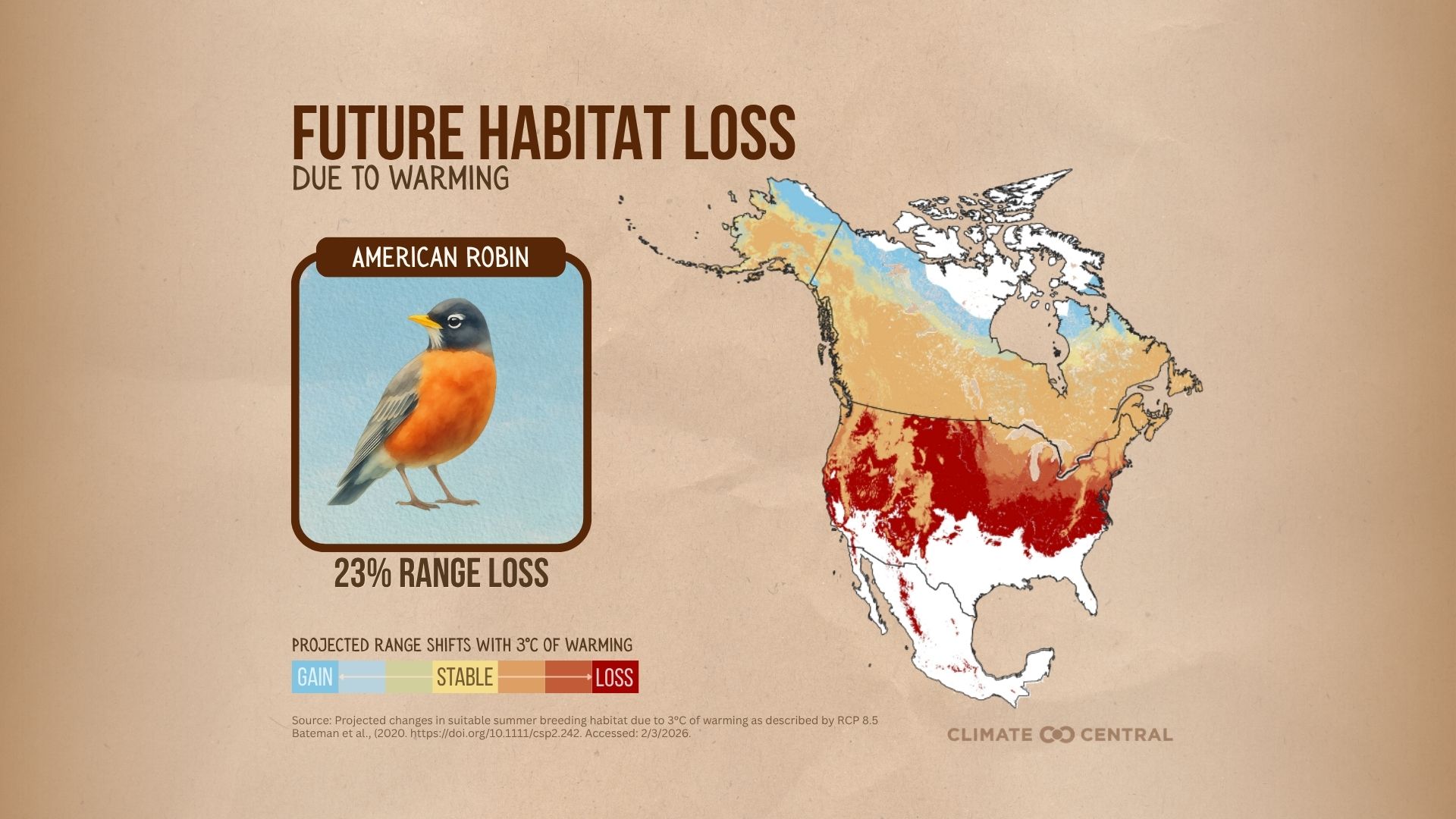
North American bird populations are in trouble. By 2026, we expect to see a sharp drop in numbers because of lost habitat and shifting weather patterns. This hits migratory species hardest. Their long journeys are getting more dangerous every year.
The stressors on these birds are multifaceted. Beyond the obvious reduction in breeding and wintering grounds, the degradation of crucial stopover habitats is proving devastating. These areas, often overlooked, are essential refueling stations where birds rest and replenish their energy reserves during long migrations. Losing these spots is like removing rest stops on a cross-country road trip – it makes the journey far more difficult, and often impossible.
The term 'stopover habitat' refers to any location that provides migratory birds with food, water, and shelter during their travels. These can be small patches of woodland, overgrown fields, even well-maintained backyards. The scale of the problem is immense; a 2019 study published in Science estimated a loss of nearly 3 billion birds in North America since 1970, with migratory birds showing some of the steepest declines.
I want to be clear: this isn't a hopeless situation. While the projections are concerning, there’s still time to mitigate the damage. A key part of the solution lies in recognizing that even individual actions, like creating bird-friendly habitats in our own backyards, can collectively make a substantial difference. We need to shift from a sense of despair to one of empowered action.
The role of stopover habitats
Stopover habitats are far more than just resting places for migrating birds. They are absolutely critical for survival. Migration is an incredibly energy-intensive process, demanding huge reserves of fat to fuel these long journeys. Birds need to consistently replenish these reserves, and stopover sites provide the resources to do so.
Consider the Bobolink, a long-distance migrant traveling from South America to North America each spring. This bird needs to double its weight before starting its migration, and relies heavily on seed-rich fields and insect-filled meadows along the way. Without these stopover resources, it simply won't have the energy to reach its breeding grounds.
Beyond refueling, stopover habitats offer vital protection from predators. The cover provided by shrubs and trees allows birds to rest safely, minimizing their vulnerability to hawks and other aerial hunters. They also provide opportunities for social interaction, including courtship and mate selection.
The specific needs of each species vary. Some birds rely on berries, others on insects, and still others on seeds. For instance, the American Redstart, a warbler, actively forages for insects in the foliage of trees during its stopovers, while the Dark-eyed Junco prefers seeds found on the ground. Even a small backyard offering a diverse range of food sources can be a lifesaver.
Native Plants: The Foundation of a Bird-Friendly Yard
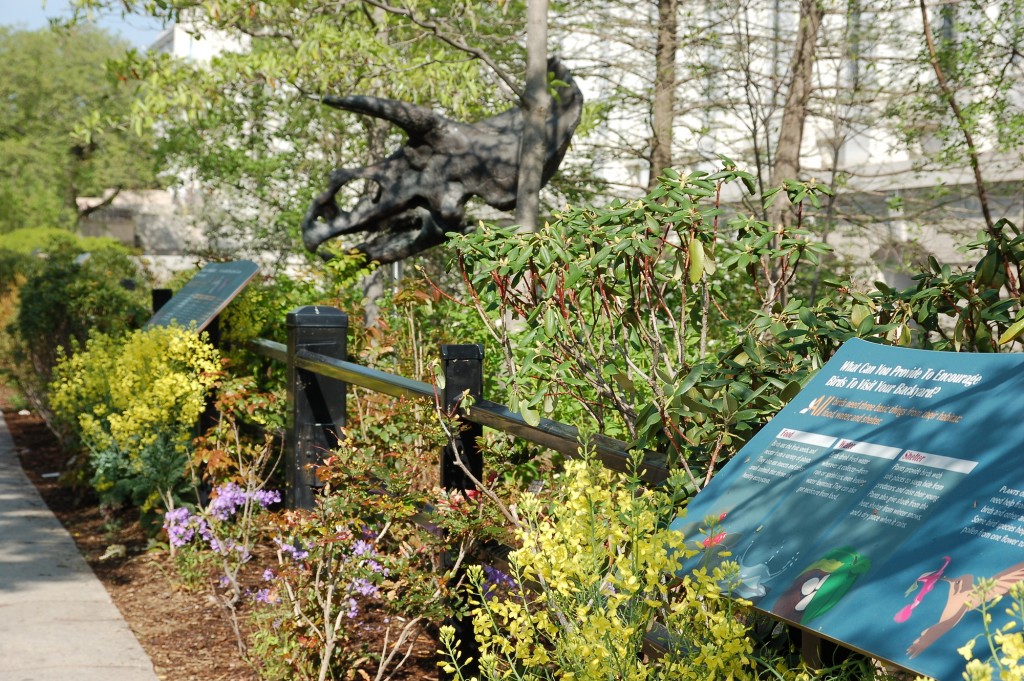
If you want to help, start with native plants. These species grew up alongside local birds and provide the exact food and shelter they need. Most birds simply won't use the 'ornamental' plants sold at big-box hardware stores.
Non-native plants, while sometimes aesthetically pleasing, often lack the nutritional value that birds need. Many imported species don’t support native insect populations, which are a crucial food source for migrating birds, especially during breeding season. The caterpillars of many moths and butterflies, for example, are a primary food for baby birds.
Here's a regionally-focused look at some key native plants. For the Northeast, consider: New Jersey Tea (Ceanothus americanus) for insects and berries, Spicebush (Lindera benzoin) for caterpillars and shelter, and Oak trees (Quercus spp.) which support a massive number of insect species. In the Midwest, focus on: Prairie Dropseed (Sporobolus heterolepis) for seeds, Wild Plum (Prunus americana) for fruit, and Serviceberry (Amelanchier spp.) for berries and nesting habitat.
On the West Coast, excellent choices include: California Buckwheat (Eriogonum fasciculatum) for insects and seeds, Manzanita (Arctostaphylos spp.) for berries and shelter, and Red Elderberry (Sambucus racemosa) for fruit. It's crucial to research plants native to your specific area, as regional variations exist.
Here’s a quick breakdown of plant categories and what they offer: Berries: provide vital energy; Seeds: offer sustenance during fall and winter; Nesting Materials: twigs, leaves, and plant fibers; Insect Attraction: plants that support a healthy insect population, providing food for birds. And, of course, avoid invasive species – check with your local native plant society for a list of plants to avoid.
- Northeast: New Jersey Tea for insects, Spicebush for caterpillars, and Oak trees for general biodiversity.
- Midwest: Prairie Dropseed, Wild Plum, Serviceberry
- West Coast: California Buckwheat, Manzanita, Red Elderberry
Native vs. Non-Native Plants for Supporting Migratory Birds
| Plant Type | Bird Species Attracted | Food Source Provided | Maintenance Requirements |
|---|---|---|---|
| Oak Tree (Native) | Wood Thrush, Scarlet Tanager, Chickadees | Acorns, Caterpillars (important for feeding young) | Generally low maintenance once established; occasional pruning. |
| American Holly (Native) | American Robin, Northern Mockingbird, Cedar Waxwing | Berries (winter food source) | Moderate; pruning to shape, potential for berry drop cleanup. |
| Sunflower (Native - *Helianthus* species) | American Goldfinch, House Finch, Dark-eyed Junco | Seeds | Easy to grow; self-seeds readily, may require thinning. |
| Viburnum (Native - *Viburnum* species) | Swainson’s Thrush, Gray Catbird, Brown Thrasher | Berries, Insects attracted to foliage | Moderate; pruning for shape and fruit production. |
| Bradford Pear (Non-Native) | European Starling, House Sparrow (often outcompete native species) | Fruit (low nutritional value for many native birds) | High; prone to storm damage, requires frequent pruning and cleanup. |
| Japanese Honeysuckle (Non-Native) | House Finch (opportunistic), but can hinder native plant growth | Berries (low nutritional value) | Very High; aggressive vine, requires constant control to prevent overgrowth. |
| Serviceberry (Native - *Amelanchier* species) | Eastern Bluebird, Cedar Waxwing, Warblers | Berries, Insects | Moderate; pruning to remove suckers and maintain shape. |
| Butterfly Bush (Non-Native) | Some Swallowtail butterflies, but provides limited nutritional value for birds | Nectar (limited benefit to migrating birds) | Moderate to High; requires annual pruning to encourage flowering and prevent seed spread. |
Illustrative comparison based on the article research brief. Verify current pricing, limits, and product details in the official docs before relying on it.
Beyond Plants: Water, Shelter, and Safe Spaces
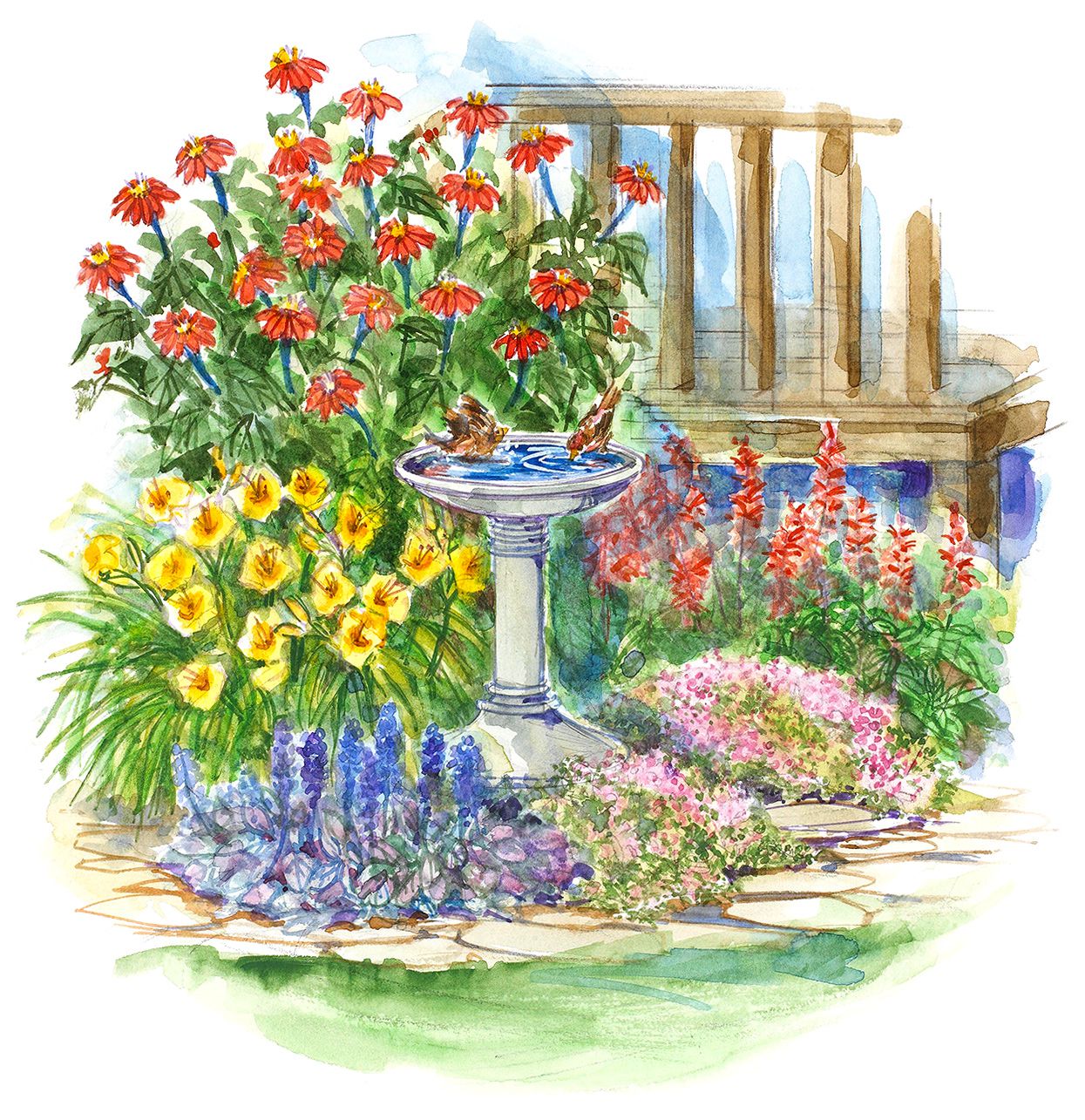
A truly bird-friendly yard extends beyond just planting native vegetation. Providing access to fresh water is essential, especially during migration when water sources can be scarce. A bird bath is a good start, but moving water – a dripper or small fountain – is even more attractive to birds.
Shelter is equally important. Dense shrubs and trees offer protection from predators like hawks and neighborhood cats. Brush piles, left undisturbed, provide valuable winter cover. Consider installing nesting boxes designed for specific species – bluebirds, wrens, and chickadees are all popular choices.
Reducing or eliminating pesticide use is non-negotiable. Pesticides not only kill the insects that birds rely on for food but can also directly poison birds. Opt for natural pest control methods, such as attracting beneficial insects or hand-picking pests.
Think about the overall landscape. Minimize the amount of manicured lawn, as it offers little in the way of food or shelter. Instead, allow some areas to grow wild, providing a more natural habitat for birds and other wildlife. A bird-friendly yard isn’t about perfection; it’s about creating a functional ecosystem.
Creating a Layered Habitat: Mimicking Natural Ecosystems
Natural habitats are rarely uniform. They consist of multiple layers, from the canopy trees down to the groundcover. Mimicking this layering in your garden creates a more diverse and resilient ecosystem, providing habitat for a wider range of bird species.
The layers include: Canopy trees (the tallest trees, providing shade and nesting sites); Understory trees (smaller trees growing beneath the canopy); Shrubs (providing cover and berries); Herbaceous layer (flowering plants and ferns); and Groundcover (low-growing plants that cover the soil).
If you have a large yard, incorporating all these layers is relatively straightforward. But even a small urban garden can benefit from layering. A single tree can serve as a canopy, while shrubs and flowering plants fill in the lower layers. Vertical gardening – using trellises and hanging baskets – can also create additional layers in a limited space.
The key is to think about how different plants interact and provide different resources. A layered habitat offers more opportunities for birds to find food, shelter, and nesting sites, making your yard a more valuable stopover location. Don’t feel pressured to do it all at once; you can add layers gradually over time.
Beyond your fence
Creating a bird-friendly yard is a fantastic start, but the impact can be amplified by connecting with your local community. Joining a bird conservation organization – like the Audubon Society – allows you to contribute to larger-scale conservation efforts.
Participating in citizen science projects is another effective way to help. Projects like eBird (ebird.org) and Project FeederWatch (feederwatch.org) collect valuable data on bird populations and distributions, which scientists use to track trends and inform conservation strategies.
Consider advocating for bird-friendly policies in your community, such as reducing pesticide use in public parks or protecting important stopover habitats. Even small changes can have a ripple effect.
Collective action is powerful. By working together, we can create a network of bird-friendly habitats that stretches across the continent, providing vital support for migratory birds. This isn't just about saving birds; it’s about protecting the health of our ecosystems and ensuring a sustainable future for all.
Resources for Further Learning
To continue learning about bird conservation and creating a bird-friendly yard, here are a few valuable resources:
Cornell Lab of Ornithology: allaboutbirds.org – Comprehensive information on bird identification, behavior, and conservation.
Audubon Society: audubon.org – Advocacy, conservation programs, and resources for bird lovers.
Local Native Plant Societies: Search online for your state or regional native plant society to find information on plants specific to your area.
Government Conservation Programs: Check with your state’s Department of Natural Resources for information on conservation programs and incentives.
No comments yet. Be the first to share your thoughts!