
Beyond the Window Box
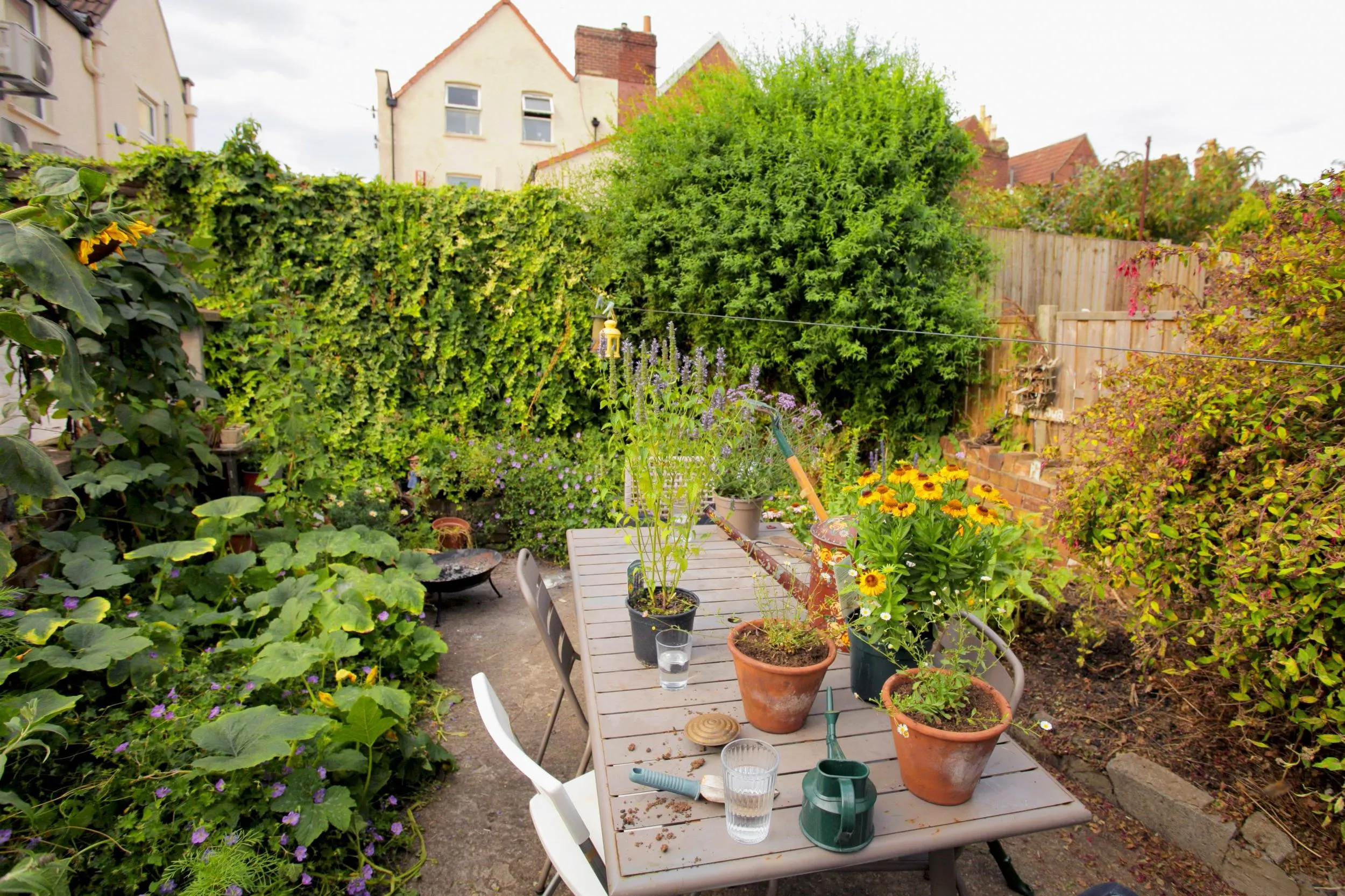
Old Man Hemlock, a retired carpenter in my town, always had a knack for attracting life. His tiny city backyard wasn't much to look at – mostly paved over – until he started building. He constructed a series of vertical planters along his fence, filled with native wildflowers and herbs. Within a single season, the space buzzed with bees, flitted with butterflies, and even hosted a family of wrens. It wasn’t just a garden; it was a miniature ecosystem, thriving in a space most would have dismissed.
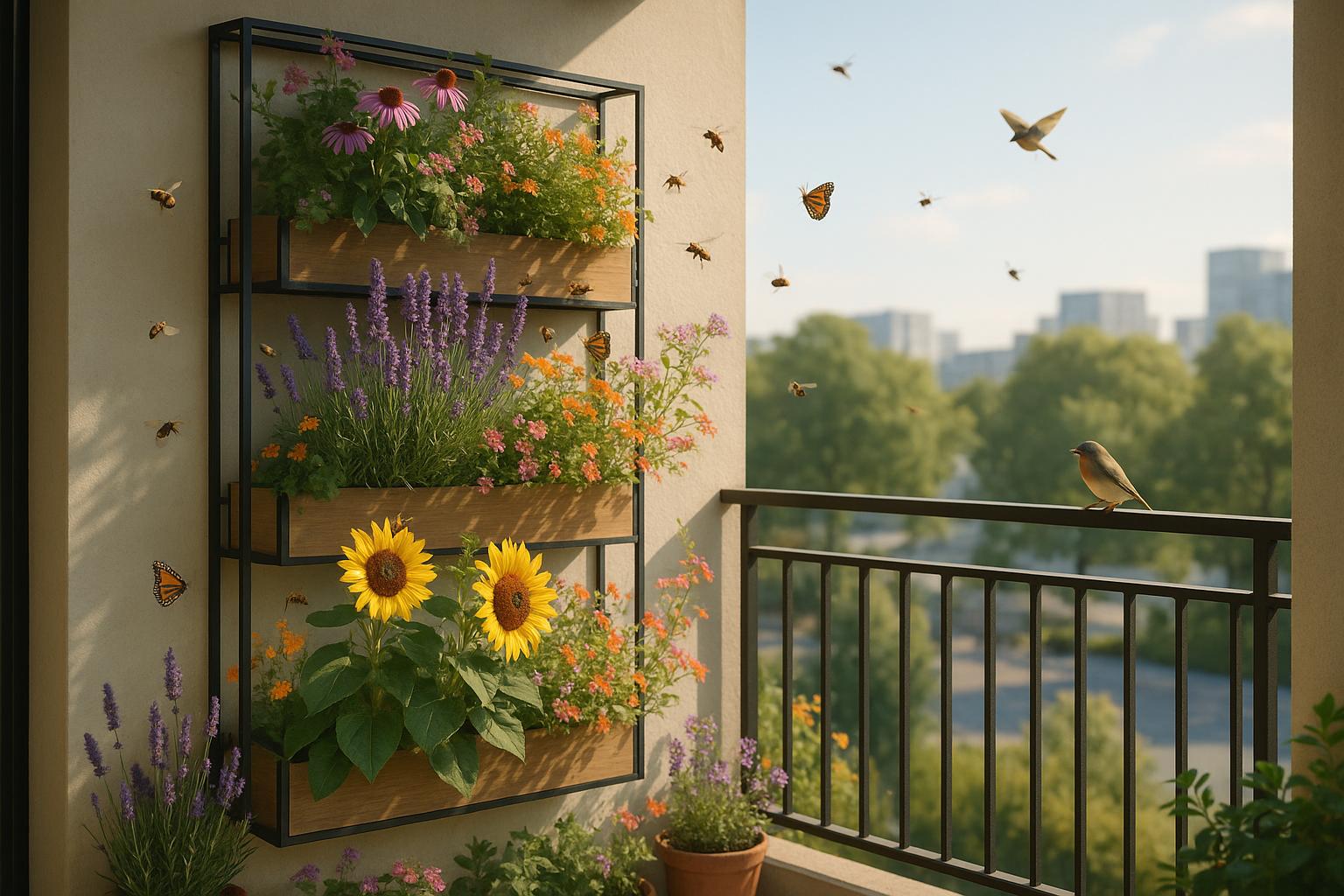
This is the promise of vertical ecosystem gardens. They're a way to bring the benefits of a thriving garden – the beauty, the fresh produce, the vital habitat for wildlife – to even the smallest of spaces. Whether you have a balcony, a patio, or just a sunny wall, you can create a haven for pollinators, birds, and other creatures. It's about thinking beyond the traditional horizontal garden and utilizing vertical space.
Central to this approach is the use of native plants. These aren't just any plants; they’re species that have evolved alongside the local insects, birds, and other wildlife. They provide the specific food and shelter these creatures need to survive, creating a truly sustainable and resilient ecosystem. Choosing native isn't simply a trend, it's a fundamental shift in how we approach gardening.
Vertical gardening isn't new, of course. People have been growing plants upwards for centuries. But the focus on creating a complete ecosystem, specifically tailored to support local wildlife, is gaining momentum as we recognize the importance of biodiversity in our increasingly urbanized world. It’s a powerful way to make a positive impact, even on a small scale.
What Makes a Garden an Ecosystem?
A garden isn’t just a collection of plants; it’s a community. An ecosystem garden strives to replicate the complex relationships found in natural habitats. It’s about understanding that plants don't exist in isolation, but are interconnected with a web of life. This means providing not just food, but also water, shelter, and nesting sites for various creatures.
Think about it: a butterfly needs nectar-rich flowers for food, but also host plants for its caterpillars. Birds need berries and seeds, but also safe places to build nests and raise their young. Insects need places to overwinter, protected from the elements. A truly successful garden considers all of these needs. Even a small vertical garden, thoughtfully designed, can contribute to local biodiversity.
The work from Utah State University Extension highlights the importance of sustainable gardening practices in creating these ecosystems. Their research emphasizes minimizing inputs – like fertilizers and pesticides – and maximizing natural processes. This approach not only benefits wildlife but also creates a healthier garden overall. It's about working with nature, not against it.
It’s easy to underestimate what a small space can offer. A single vertical garden can provide a crucial food source for migrating butterflies, a nesting site for a small bird, or a refuge for beneficial insects. Each element, no matter how small, plays a role in the larger ecosystem. This interconnectedness is what makes an ecosystem garden so rewarding.
Native Plants: The Foundation
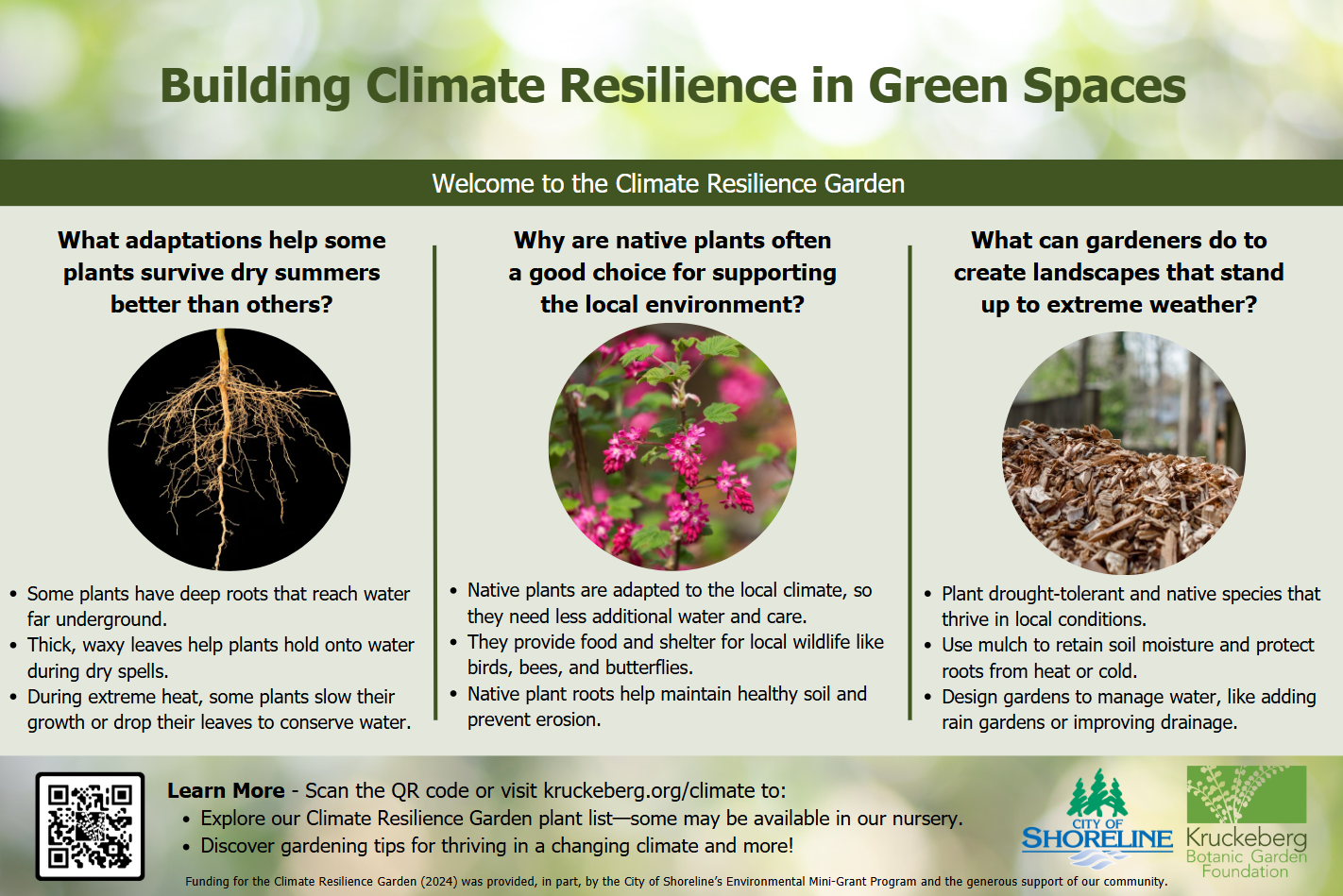
Native plants are the cornerstone of any successful ecosystem garden. They're plants that have evolved over thousands of years in a specific region, adapting to the local climate, soil conditions, and wildlife. This long-term co-evolution is what makes them uniquely suited to support local ecosystems.
Local insects and birds have often developed specialized relationships with native plants. For example, the monarch butterfly relies exclusively on milkweed plants for its caterpillars. Without milkweed, monarch populations decline. This is just one example of the intricate connections that exist between native plants and the wildlife that depend on them. Introducing non-native plants can disrupt these relationships.
What does "native’ really mean? It’s crucial to remember that native refers to locally native. A plant native to California isn’t necessarily native to Maine. It"s best to select plants that are native to your specific region or ecoregion. Resources like the Lady Bird Johnson Wildflower Center Native Plant Database () can help you identify suitable species.
Here are some examples of native plants suited for vertical gardens, categorized by region: Eastern US: Virginia Creeper (Parthenocissus quinquefolia), Bee Balm (Monarda spp.), Trumpet Honeysuckle (Lonicera sempervirens). Pacific Northwest: Salmonberry (Rubus spectabilis), Western Columbine (Aquilegia formosa), Red Flowering Currant (Ribes sanguineum). Southwest: Desert Honeysuckle (Anisacanthus quadrifidus var. wrightii), Penstemon (Penstemon spp.), Trumpet Creeper (Campsis radicans).
- Virginia Creeper (Parthenocissus quinquefolia)
- Bee Balm (Monarda spp.)
- Trumpet Honeysuckle (Lonicera sempervirens)
Native vs. Non-Native Plants for Vertical Gardens: A Qualitative Comparison
| Plant Type | Pollinator Support | Bird Support | Pest Resistance | Water Needs | Maintenance |
|---|---|---|---|---|---|
| Butterfly Weed (Asclepias tuberosa - Flower) | High | Low | High | Low | Medium |
| New England Aster (Symphyotrichum novae-angliae - Flower) | High | Medium | Medium | Medium | Medium |
| Virginia Creeper (Parthenocissus quinquefolia - Vine) | Medium | Medium | High | Low | Low |
| Common Elderberry (Sambucus canadensis - Shrub) | High | High | Medium | Medium | Medium |
| Wisteria (Wisteria floribunda - Vine) | Medium | Low | Low | Medium | High |
| English Ivy (Hedera helix - Vine) | Low | Low | Low | Medium | Medium |
| Japanese Honeysuckle (Lonicera japonica - Vine) | Low | Low | Low | Low | High |
| Bradford Pear (Pyrus calleryana - Shrub/Small Tree) | Low | Low | Low | Medium | Medium |
Illustrative comparison based on the article research brief. Verify current pricing, limits, and product details in the official docs before relying on it.
Structures & Systems: Building Up
The beauty of vertical gardening is its flexibility. There’s a structure to suit almost any space and budget. Trellises are a classic choice, ideal for climbing plants like beans, peas, and cucumbers. They’re relatively inexpensive and easy to install. Living walls, constructed with pockets or panels filled with soil, offer a more sophisticated – and often more expensive – option.
Stacked planters, made from terracotta pots or repurposed materials, are another versatile choice. They’re great for herbs, strawberries, and other smaller plants. Hanging baskets are perfect for cascading flowers and foliage, adding a splash of color to any space. And don't overlook repurposed pallets – with a little modification, they can be transformed into charming vertical gardens.
When choosing a structure, consider its weight capacity, drainage, and ease of maintenance. Living walls, for example, require more frequent watering and fertilization than trellises. Pallets need to be lined with landscape fabric to prevent soil from falling out. The K-State Victory Garden 101 notes mention the historical use of trellising for vegetables needing support, a practice still relevant today.
Irrigation is also a key consideration. Drip irrigation systems are highly efficient, delivering water directly to the plant roots. Self-watering systems can reduce the frequency of watering, which is especially helpful for busy gardeners. Rain barrels can collect rainwater for irrigation, conserving water and reducing your water bill. Consider the water needs of your chosen plants when designing your irrigation system.
Design for Specific Wildlife
Once you have your structure in place, it’s time to design for the wildlife you want to attract. Different creatures have different needs, so it’s important to tailor your plant selection and habitat features accordingly. Think about layering your plants to create diverse habitats – taller plants providing shelter, shorter plants offering foraging opportunities.
For Bees: Plant a variety of nectar-rich flowers that bloom throughout the growing season. Include plants like Bee Balm, Lavender, and Goldenrod. Provide a shallow dish of water with pebbles for bees to land on. Avoid using pesticides, which can harm these vital pollinators.
For Butterflies: Include both nectar plants for adult butterflies and host plants for their caterpillars. Milkweed is essential for Monarch butterflies, while parsley and dill are host plants for Swallowtail butterflies. Provide a sunny basking spot for butterflies to warm their wings.
For Birds: Plant berry-producing shrubs and trees, such as Serviceberry and Elderberry. Provide nesting materials like twigs, grasses, and cotton. Offer a birdbath with fresh water. Consider adding a small birdhouse to your vertical garden.
For Beneficial Insects: Plant flowers that attract ladybugs, lacewings, and other beneficial insects. These insects prey on pests, helping to keep your garden healthy. Avoid using broad-spectrum pesticides, which can kill both pests and beneficial insects. A healthy ecosystem is the best pest control.
Maintenance & Troubleshooting
Vertical gardens, like any garden, require regular maintenance. Weight is a common concern, especially with living walls. Ensure your structure is securely anchored and can support the weight of the soil and plants. Watering can also be challenging, as water tends to drain more quickly from vertical structures. Monitor soil moisture levels regularly and adjust your watering schedule accordingly.
Pest control is another important consideration. Regularly inspect your plants for signs of pests and diseases. Hand-picking pests is often the most effective solution. If you need to use a pesticide, choose an organic option that’s safe for wildlife. Providing good air circulation can help prevent fungal diseases.
Plant support is crucial, especially for climbing plants. Ensure your trellises and other structures are strong enough to support the weight of the plants as they grow. Pruning can help maintain the shape of your plants and encourage flowering. Fertilize your plants regularly to provide them with the nutrients they need.
If a structure fails or plants don’t thrive, don’t be discouraged. Vertical gardening can be a learning process. Analyze the problem – was it a structural issue, a watering problem, or a pest infestation? – and adjust your approach accordingly. Sometimes, simply relocating a plant to a different spot can make all the difference.
Plants Worth a Closer Look
Selecting the right plants is key to a successful vertical ecosystem garden. Here are a few exceptional native plants that deserve a closer look:
Virginia Creeper (Parthenocissus quinquefolia): A vigorous climber that provides stunning fall color and berries for birds. It’s a host plant for several moth species. Full sun to partial shade, adaptable to various soil types.
Bee Balm (Monarda didyma): A magnet for bees and hummingbirds, with fragrant foliage and showy flowers. Prefers moist, well-drained soil and full sun. Attracts pollinators and provides nectar-rich blooms.
Trumpet Honeysuckle (Lonicera sempervirens): A beautiful climbing vine with trumpet-shaped flowers that attract hummingbirds. Prefers full sun to partial shade and well-drained soil. A valuable nectar source for hummingbirds.
Wild Strawberry (Fragaria virginiana): A low-growing plant that produces delicious berries for both humans and wildlife. Prefers full sun and well-drained soil. Provides food for birds and small mammals.
Blue Vervain (Verbena hastata): A tall, stately plant with spires of purple flowers that attract butterflies and bees. Prefers moist soil and full sun. A great addition to a rain garden or wet area.
You can source these plants from local nurseries specializing in native plants or from online seed suppliers like Prairie Moon Nursery (). Supporting local businesses is always a plus.
Looking Ahead: Vertical Gardens in 2026
The future of vertical gardening is bright. We're already seeing exciting innovations in this field, and I expect these trends to accelerate in the coming years. Smart irrigation systems, equipped with sensors and automated controls, will make watering even more efficient and reduce water waste.
Modular living wall designs, which can be easily customized and expanded, are becoming increasingly popular. These systems allow gardeners to create complex and visually stunning vertical gardens with ease. The integration of vertical gardens with green infrastructure – such as green roofs and rain gardens – will further enhance their environmental benefits.
The use of recycled materials in vertical gardening structures is also gaining traction. Repurposing pallets, plastic bottles, and other waste materials reduces landfill waste and creates unique and sustainable gardens. Technology will also likely play a role, with apps and platforms helping gardeners design, manage, and monitor their vertical ecosystems.
Perhaps most importantly, I envision a growth in community-based vertical gardening initiatives. Community gardens, schools, and even apartment buildings could all benefit from incorporating vertical gardens into their spaces. These gardens can provide fresh produce, create habitat for wildlife, and foster a sense of community. Vertical ecosystem gardens aren’t just a gardening trend; they’re a step towards creating more sustainable and wildlife-friendly urban environments.
What's the biggest barrier preventing you from starting a vertical garden?
Vote below and let us know which challenge matters most to you. If your reason is not listed, choose Other and add your own answer.
No comments yet. Be the first to share your thoughts!