
The 2026 bee decline
Spring 2026 is a rough start for bees. Instagram reports and local sightings suggest the pollination decline in the U.S. has moved from a slow burn to an immediate emergency. We aren't just seeing fewer bees; we're seeing gardens and orchards go quiet.
The European Commission’s recent report, Reimagining Our Future: Why pollinators need us now (environment.ec.europa.eu), echoes these concerns, highlighting a continent-wide decline linked to a complex web of environmental pressures. While the exact cause is difficult to pinpoint, the speed and severity of the decline this spring are deeply worrying. It feels like several existing problems have converged at once.
The potential economic consequences are significant. Pollination is essential for roughly one-third of the food we eat, and a continued decline could lead to reduced crop yields and increased food prices. However, beyond the economic impact, the loss of pollinators represents a profound ecological threat. But we aren't powerless. This article will focus on concrete steps gardeners can take right now to help reverse this trend.
I believe that while the situation is dire, it’s not hopeless. Gardeners, with even small spaces, can play a substantial role in supporting bee populations and mitigating the worst effects of this crisis. Focusing on immediate action is key.
Why the 2026 numbers are dropping
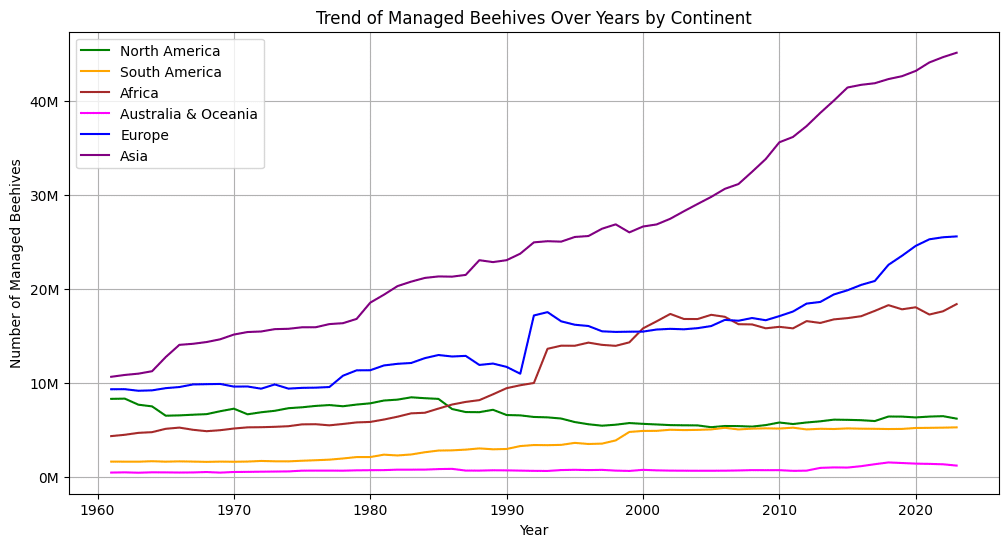
The decline isn’t due to a single factor. As pollinator.org explains, multiple, interacting threats are at play. Habitat loss remains a major issue – the conversion of natural areas into agricultural land and urban development reduces the availability of foraging and nesting sites. But the situation has become more acute.
Pesticide use, particularly neonicotinoids, continues to be a significant problem. These systemic insecticides are absorbed by plants and can be present in pollen and nectar, directly harming bees. Even sub-lethal doses can impair their navigation, foraging behavior, and immune systems. The widespread use of these chemicals is undeniably a contributor.
Climate change is exacerbating the problem. Altered bloom times can create a mismatch between when flowers are available and when bees emerge, leading to starvation. Increased frequency of extreme weather events, like droughts and floods, also stresses bee populations. The spread of Varroa mites, and the viruses they carry, is devastating honeybee colonies and also impacts wild bees.
It is a pile-on effect. Habitat loss leaves bees hungry and weak, which makes them more likely to die from pesticides or mites. Climate change then shifts bloom times so the food that is left isn't even there when they wake up.
Native plants are the best defense
If you’re looking for the single most impactful thing you can do for bees, plant native plants. It’s not enough to just plant something – native plants have co-evolved with local pollinators, meaning they provide the specific nutrients bees need to thrive. They are simply better food sources than non-native species.
The concept of 'keystone plants' is particularly important. These are plant species that support a disproportionately large number of pollinators. For example, oaks (Quercus spp.) support over 500 species of caterpillars, which are a crucial food source for many birds and other wildlife, and play a role in the food chain for bees as well. Willows (Salix spp.) are early bloomers, providing essential pollen and nectar in the spring.
Regional specificity is crucial. In the Northeast, consider planting milkweed (Asclepias spp.) for monarch butterflies, as well as asters and goldenrods. The Southeast benefits from native sunflowers (Helianthus spp.) and bee balm (Monarda spp.). In the Midwest, prairie plants like coneflowers (Echinacea spp.) and blazing stars (Liatris spp.) are excellent choices. The Southwest needs plants like desert willow (Chilopsis linearis) and penstemon. And on the West Coast, California poppies (Eschscholzia californica) and manzanita (Arctostaphylos spp.) are vital.
I’ve found that local nurseries specializing in native plants are the best resource for finding the right species for your area. They can offer tailored advice and ensure you’re getting plants that are truly native to your region. Don't just assume a plant labeled 'wildflower mix' is beneficial – check the species list carefully.
- Northeast: milkweed, asters, and goldenrods
- Southeast: Native Sunflowers, Bee Balm
- Midwest: Coneflowers, Blazing Stars
- Southwest: Desert Willow, Penstemon
- West Coast: California Poppies, Manzanita
Native Plants for Bees
- New England Aster (Symphyotrichum novae-angliae) - Blooms late summer to fall. Supports bumblebees, honeybees, small carpenter bees, and various butterfly species.
- Wild Lupine (Lupinus perennis) - Blooms spring to early summer. A crucial host plant for the Karner Blue butterfly and supports bumblebees and other long-tongued bees.
- Bee Balm (Monarda spp.) - Blooms summer. Attracts bumblebees, honeybees, hummingbird moths, and ruby-throated hummingbirds. Several varieties available, including red, pink, and purple.
- Goldenrod (Solidago spp.) - Blooms late summer to fall. Often unfairly blamed for allergies (ragweed is the culprit!), goldenrod is a vital late-season food source for bees preparing for winter. Supports various bee and wasp species.
- Blueberry (Vaccinium spp.) - Blooms spring. Provides nectar and pollen for bumblebees and honeybees, and of course, delicious fruit! Native varieties are best for pollinator support.
- Sunflower (Helianthus annuus) - Blooms summer to fall. A classic pollinator favorite! Provides both nectar and pollen, and the seeds offer food for birds later in the season. Choose single-petal varieties for easier access for bees.
- Eastern Redbud (Cercis canadensis) - Blooms spring. Provides an early source of pollen and nectar for honeybees and bumblebees. Also a beautiful ornamental tree.
Creating a real habitat
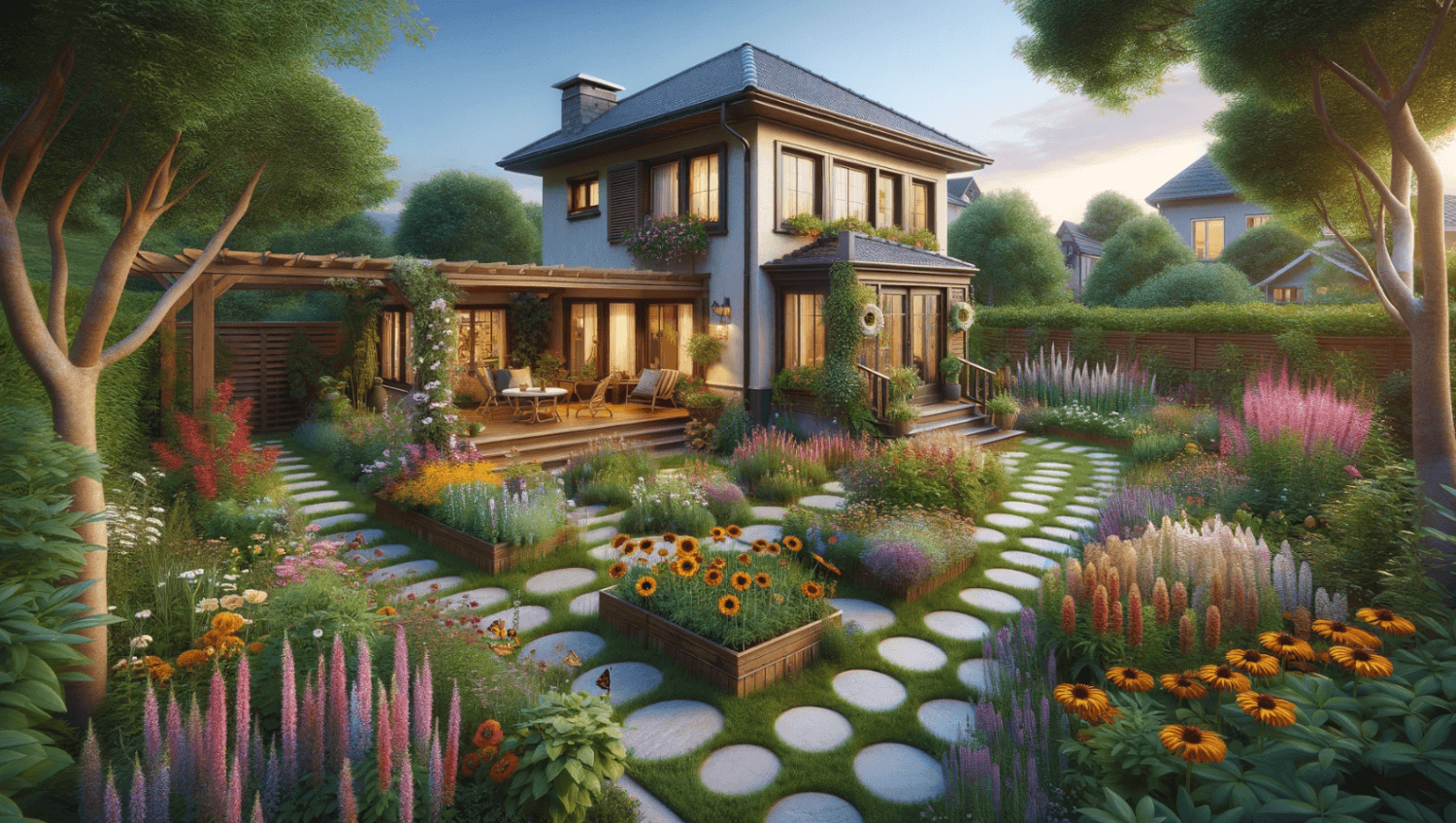
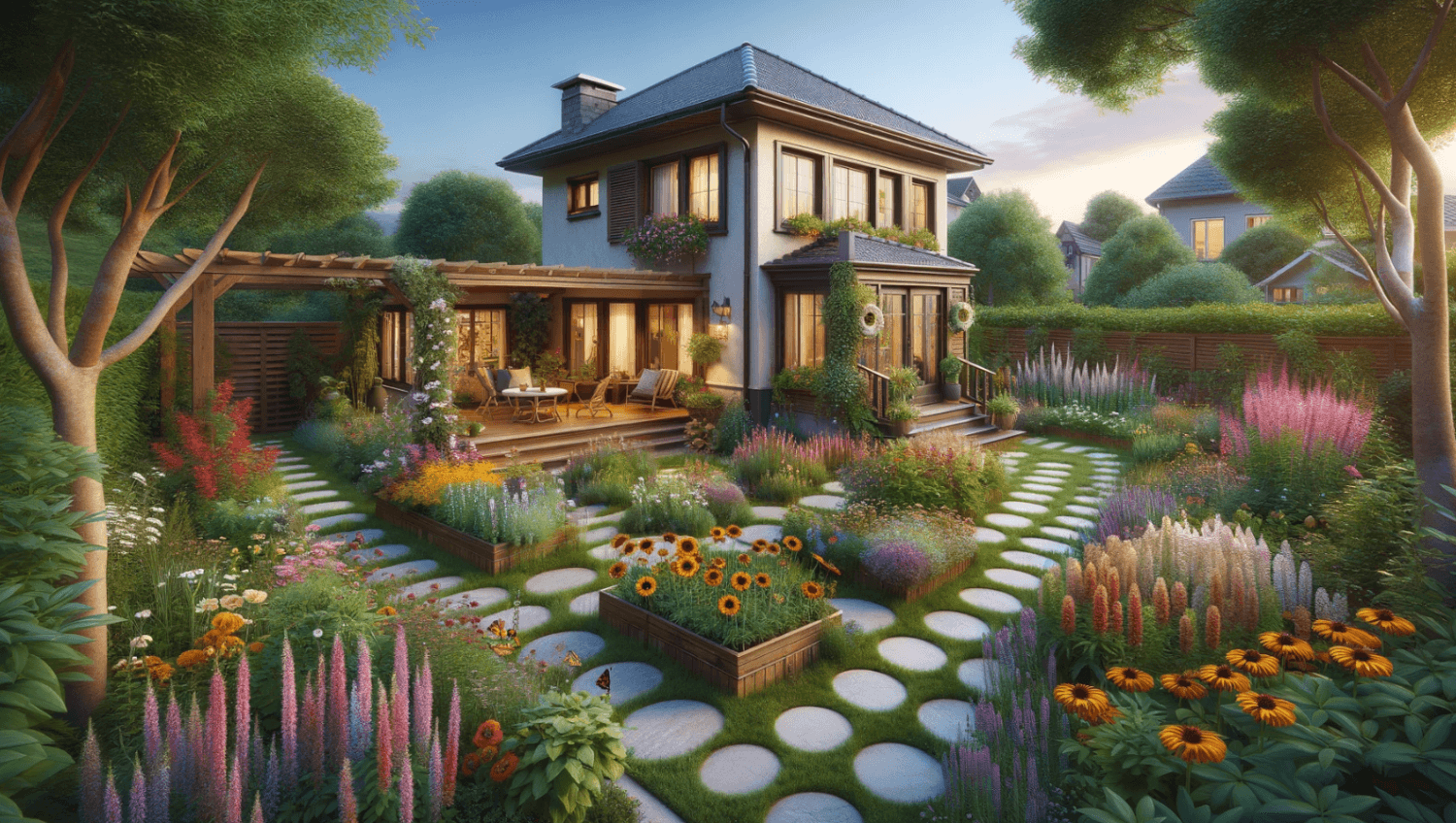
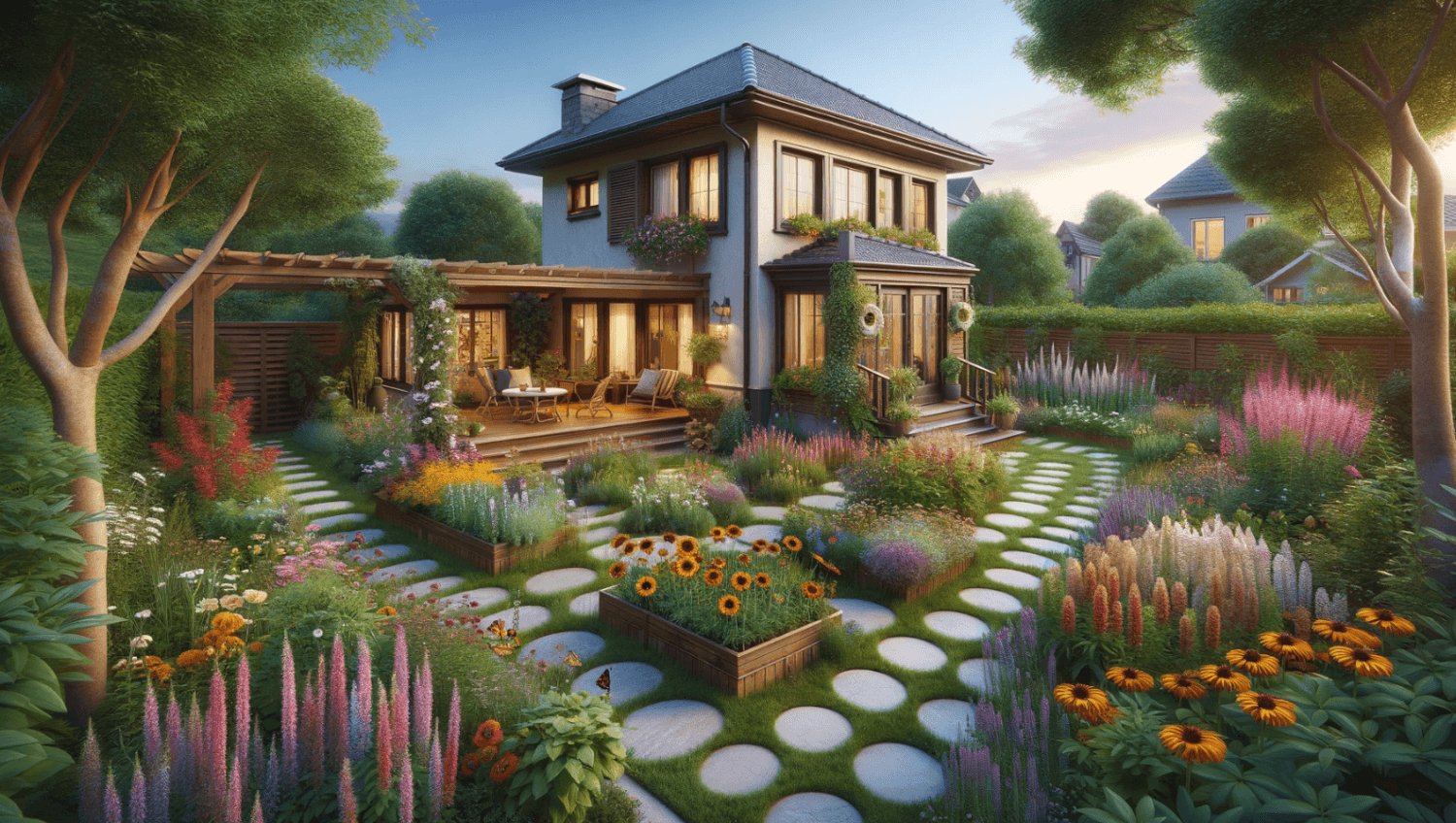
Creating a pollinator-friendly garden isn't just about planting flowers. It’s about providing a complete habitat. Many bees are ground-nesters, so leaving patches of bare, undisturbed soil is essential. Avoid mulching these areas heavily. Think of it as providing real estate for bees to build their homes.
Providing a water source is also crucial. A shallow dish filled with pebbles and water allows bees to drink without drowning. This is especially important during hot, dry periods. Reducing lawn area is another impactful step. Lawns offer little to no benefit to pollinators and require significant resources to maintain.
Bee hotels can be helpful, but they require careful construction and maintenance. Poorly designed bee hotels can become breeding grounds for parasites and diseases. If you build one, ensure it has removable tubes that can be cleaned regularly. I've seen too many bee hotels that do more harm than good.
Finally, resist the urge to tidy up too much in the fall. Leaving leaf litter provides overwintering habitat for many beneficial insects, including bees. It’s a small change that can make a big difference. A little messiness is a good thing when it comes to supporting pollinators.
Ditch the pesticides
Stop using pesticides. Even products marketed as 'bee-friendly' often contain neonicotinoids that linger in the soil and plants for months, poisoning the nectar bees bring back to their hives.
Organic gardening practices are the way to go. This means using natural pest control methods, such as companion planting (e.g., planting marigolds to repel nematodes), introducing beneficial insects (ladybugs, lacewings), and hand-picking pests. It requires more effort, but it’s worth it.
I understand it can be challenging. What if you have a serious aphid infestation? Consider using insecticidal soap or neem oil as a last resort, but apply them carefully and avoid spraying directly on flowers. Prevention is always better than cure – healthy plants are more resistant to pests.
Don't be afraid to let go of perfection. A few nibbled leaves are a small price to pay for supporting a healthy pollinator population. It’s about shifting your mindset from controlling nature to working with nature.
Community Action: Amplifying Your Impact
Individual efforts are important, but collective action is crucial. Advocate for pollinator-friendly policies at the local level. Encourage your town or city to reduce pesticide use on public lands and plant pollinator gardens in parks and green spaces.
Join a local gardening club or conservation organization. These groups provide opportunities to learn from others, share knowledge, and participate in community projects. The Pollinator Partnership (pollinator.org) and the Xerces Society (xerces.org) are excellent resources for finding local initiatives.
Talk to your neighbors about the pollinator crisis and encourage them to take action. Share information about the importance of native plants and pesticide-free gardening. The more people who get involved, the greater the impact.
We need to shift the narrative from individual responsibility to collective action. It’s not just about what you can do; it’s about what we can do together.
Tracking your local bees
Citizen science projects play a vital role in monitoring pollinator populations and tracking the effects of the crisis. Participate in programs where you can report bee sightings or document pollinator activity in your garden.
Several online platforms allow you to submit your observations, contributing to valuable data that scientists can use to assess the health of bee populations. These data points help to understand shifting ranges and identify areas of particular concern.
Even simple observations – noting the types of bees visiting your flowers or the presence of declining populations – can be valuable. Every bit of information helps. It’s a way to actively participate in conservation efforts.
Taking the time to observe and report can make a real difference in our understanding of the pollinator crisis and inform effective conservation strategies.
No comments yet. Be the first to share your thoughts!