

Small spaces, big impact
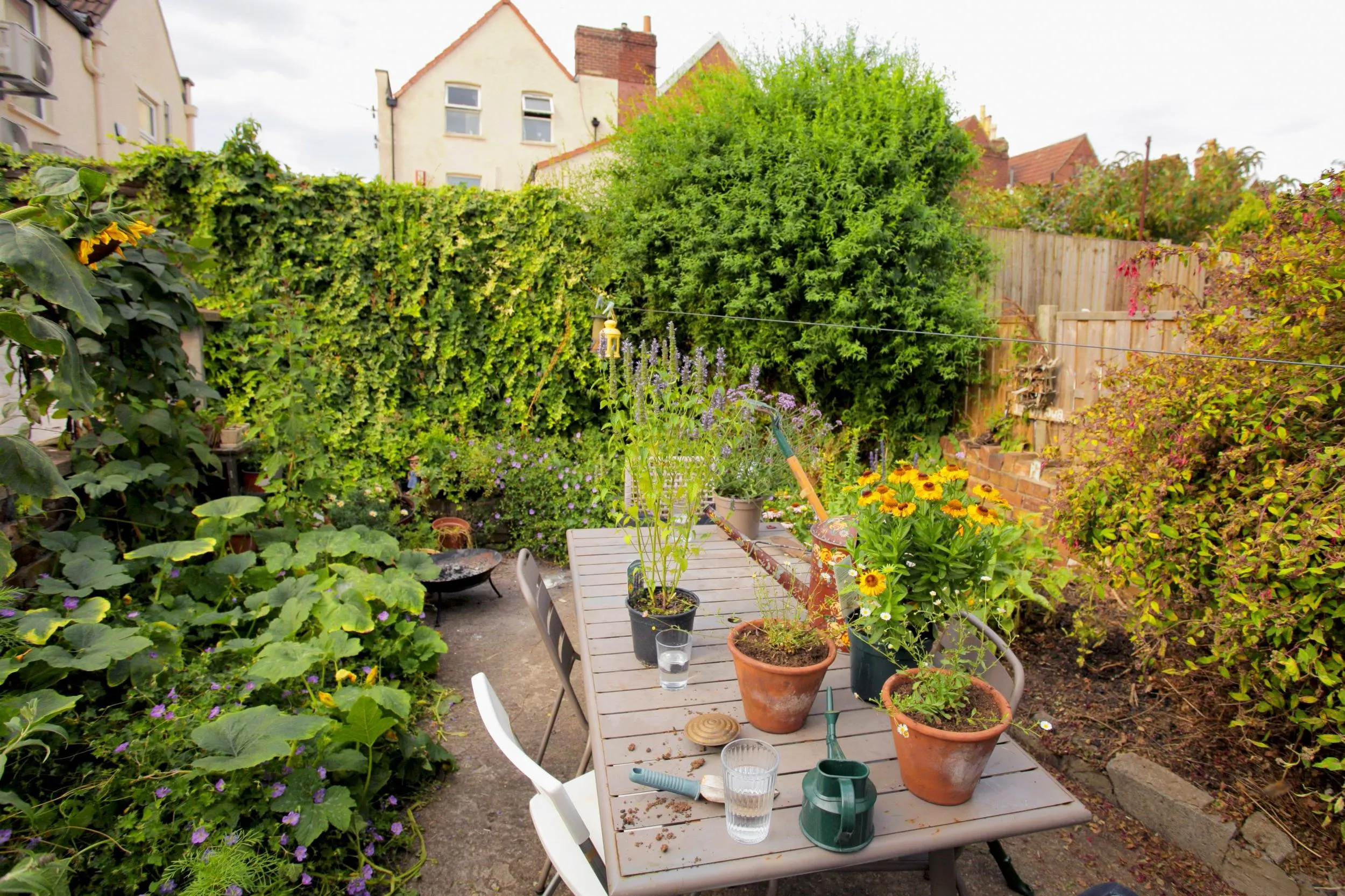
You don't need a sprawling estate to help local wildlife. A balcony, a patio, or a tiny yard is enough. When you pick the right plants, these small spots offer a lifeline for insects and birds that are losing ground in our cities.
We’re facing a concerning decline in insect populations globally. This isn’t just about fewer bugs; insects are the base of many food chains and play a critical role in pollination. Reversing this trend requires a collective effort, and that effort can start with the choices we make in our own backyards, no matter how small. A single container garden can be a start.
I've seen firsthand how a few strategically placed native plants can transform a sterile balcony into a buzzing hub of activity. It's incredibly rewarding to know you’re contributing to something larger, offering a little bit of support to the natural world. Anyone can participate, and it’s more achievable than many realize.
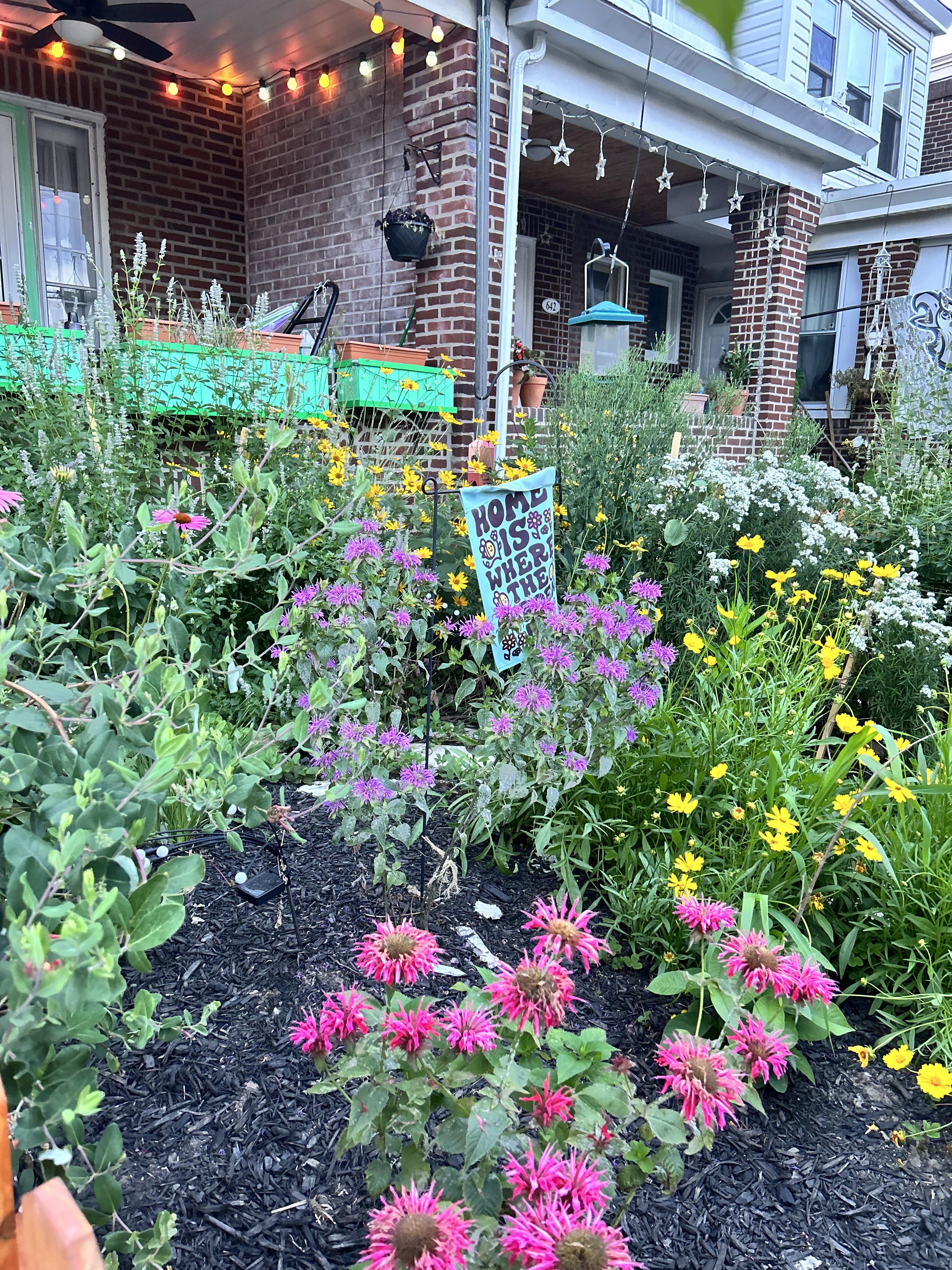
Defining a micro-habitat
A micro-habitat, in an urban setting, is essentially a small, self-contained environment that supports a community of plants and animals. It’s about creating a miniature ecosystem, providing the essential elements wildlife needs to survive and thrive. Think of it as a tiny island of nature within a sea of concrete.
Those essential elements are fairly consistent: food sources, water, shelter, and places to raise young. A single potted milkweed plant, for example, provides food for monarch butterfly larvae. But a more resilient micro-habitat combines several of these elements. A grouping of plants, a small water feature, and some sheltered nesting spots will attract a wider range of species.
I recently came across microhabitat.com, a resource dedicated to urban farming and sustainability. They've even developed a desktop app to help people manage their urban farms. It’s a great example of how technology can be used to support and encourage these smaller-scale initiatives, making it easier for people to get involved.
- Native plants for nectar and seeds
- Shallow dishes or birdbaths for water
- Shelter: Shrubs, trees, leaf litter, or insect hotels.
- Nesting Sites: Dense shrubs, cavities in trees, or provided nesting materials.
Why native plants are the base
Native plants are the cornerstone of any successful wildlife garden, especially in urban micro-habitats. These plants have evolved alongside local insects, birds, and other animals, forming intricate relationships over millennia. They provide the most nutritious food and the most appropriate shelter for local species. It’s a matter of ecological fit.
Contrast this with non-native ornamental plants. While they might be visually appealing, they often offer little to no ecological value. A beautiful imported rose may provide some nectar, but it won't support the specialized feeding habits of native pollinators. In many cases, non-native plants can even be detrimental, outcompeting native species and disrupting the ecosystem.
It’s important to remember that "native’ isn’t a one-size-fits-all concept. What’s native to New England is different from what’s native to California. Always research plants that are native to your specific region. Local nurseries and native plant societies are excellent resources. For example, if you’re in the Midwest, consider plants like coneflowers, black-eyed Susans, and milkweed. If you"re on the East Coast, look into asters, goldenrod, and viburnums.
Think vertically
In small spaces, it’s crucial to think vertically. Creating layers of vegetation maximizes the available habitat and supports a greater diversity of species. This means incorporating groundcovers, shrubs, and vines, rather than just focusing on a single level of planting.
Different layers support different wildlife. Groundcovers provide shelter and foraging areas for insects. Shrubs offer nesting sites and berries for birds. Vines create climbing opportunities for insects and small mammals. This vertical structure mimics the complexity of a natural forest edge, which is particularly attractive to wildlife.
I'm not sure about specific plant pairings that work universally across all regions, as conditions vary so much. However, the principle remains the same: think about creating a multi-layered environment. Start with a groundcover like wild strawberry, add a shrub like serviceberry, and then train a native vine like Virginia creeper up a trellis or fence. The combination provides food, shelter, and movement corridors for wildlife.
- Groundcover: Provides shelter for insects and small animals.
- Shrubs: Offer nesting sites and food (berries, seeds).
- Vines: Create climbing opportunities and additional cover.
Water Sources: Beyond the Birdbath
Providing a reliable water source is essential, even in small urban gardens. Birdbaths are a good starting point, but don’t limit yourself to that. Consider adding a shallow dish filled with pebbles for insects to land on and drink safely. A small, recirculating fountain can also be very attractive to birds and other wildlife.
The key is to provide water at different levels and in different forms. Some insects prefer to drink from damp surfaces, so a simple patch of consistently moist soil can be surprisingly valuable. A shallow depression in a rock garden, kept consistently damp, can become a miniature watering hole.
It's also important to keep water sources clean to prevent mosquito breeding. Change the water in birdbaths regularly and ensure that any recirculating features are properly maintained. Avoid using chemicals to control algae or mosquito larvae; opt for natural solutions like adding a few mosquito fish to a larger water feature.
Shelter & Nesting Opportunities
Wildlife needs more than just food and water; they also need safe places to shelter and raise their young. In urban environments, providing these opportunities can be particularly important. Leaving some leaf litter in garden beds provides overwintering habitat for many insects and small invertebrates.
Even a small brush pile, constructed from fallen branches and twigs, can offer valuable shelter for birds, small mammals, and insects. You can also install insect hotels, which provide nesting sites for solitary bees and other beneficial insects. The WVU Extension Master Gardener curriculum, as highlighted in a YouTube video on backyard micro-habitat development, emphasizes the importance of providing these structural elements.
Different insects have different nesting requirements. Some prefer cavities in wood, while others prefer tunnels in the ground. Providing a variety of nesting options will attract a wider range of species. Remember to avoid disturbing potential nesting sites during breeding season.
Pesticide-Free is Paramount
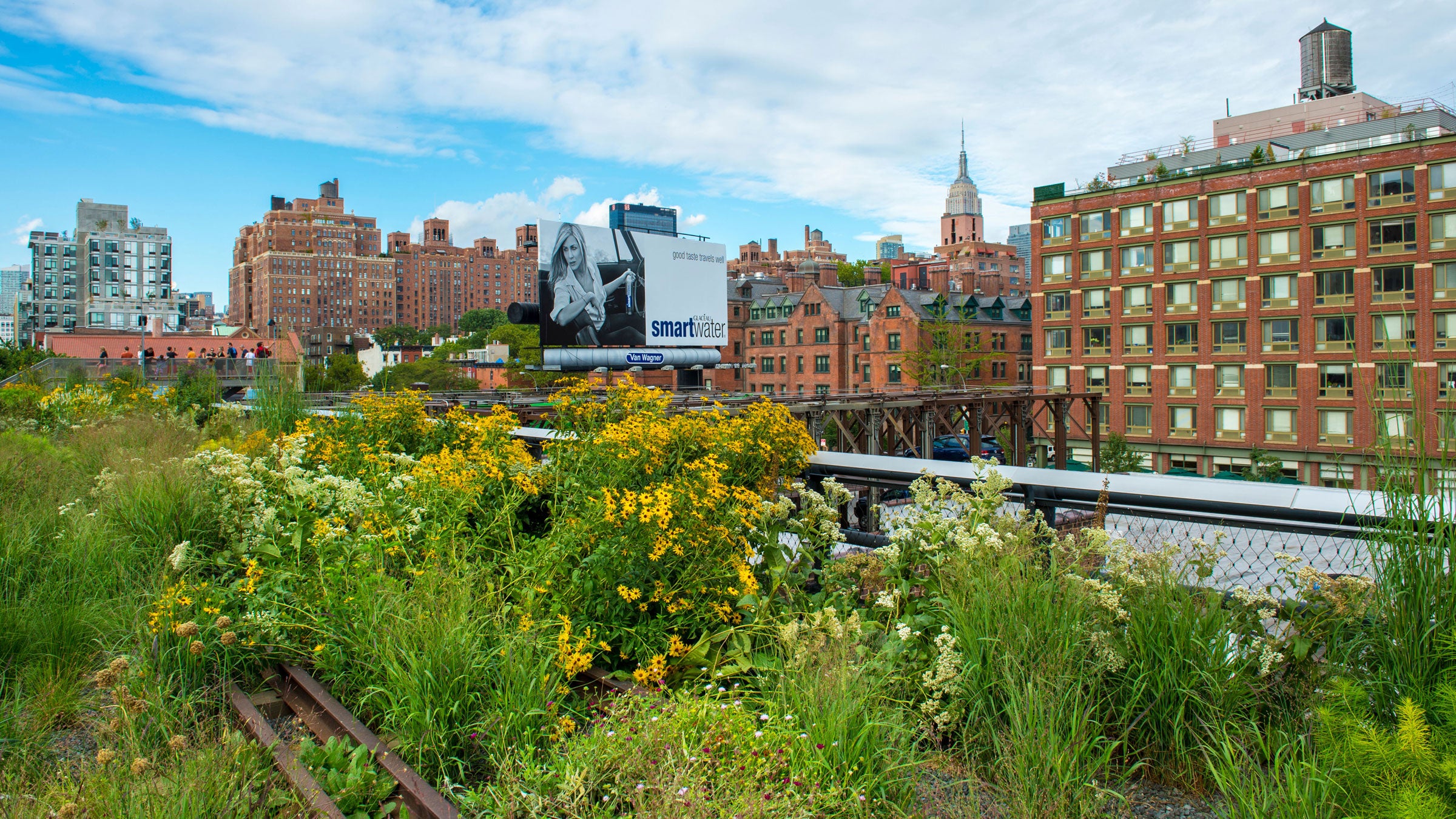
Skip the pesticides and herbicides. These chemicals kill the very insects you're trying to attract and mess up the local food chain. Even the 'organic' stuff can do more harm than good in a small space.
Embrace organic gardening practices and natural pest control methods. Companion planting – growing plants together that benefit each other – can be an effective way to deter pests. For example, planting marigolds near tomatoes can help repel nematodes. Encourage natural predators like ladybugs and lacewings by providing them with habitat and food.
A healthy ecosystem is a resilient ecosystem. By creating a diverse and balanced garden, you can minimize pest problems and reduce the need for any intervention. Focus on building soil health and providing the conditions that beneficial organisms need to thrive.
Choosing Plants for Your Micro-Habitat
| Plant Type | Sun Exposure | Soil Type | Wildlife Attracted | Maintenance Level |
|---|---|---|---|---|
| New England Aster ( *Symphyotrichum novae-angliae* ) | Full Sun | Well-drained, adaptable to various soils | Bees, Butterflies, Songbirds (seeds) | Moderate - requires deadheading to encourage blooms |
| Wild Bergamot ( *Monarda fistulosa* ) | Full Sun to Partial Shade | Well-drained | Bees, Hummingbirds, Butterflies | Moderate - can spread, benefit from division |
| Common Milkweed ( *Asclepias syriaca* ) | Full Sun | Well-drained to moderately moist | Monarch Butterflies (host plant), other pollinators | Low - relatively drought tolerant once established, can be aggressive spreader |
| Black-Eyed Susan ( *Rudbeckia hirta* ) | Full Sun | Well-drained, adaptable | Bees, Butterflies, Finches (seeds) | Low - self-seeds readily |
| Blue Flag Iris ( *Iris versicolor* ) | Full Sun to Partial Shade | Moist to wet soils | Bees, Hummingbirds | Moderate - benefits from occasional division |
| Virginia Creeper ( *Parthenocissus quinquefolia* ) | Full Sun to Full Shade | Adaptable, tolerates poor soil | Birds (berries), Insects | Low - can be vigorous, may require pruning |
| Goldenrod ( *Solidago* species) | Full Sun | Well-drained, adaptable | Bees, Butterflies, beneficial insects | Low - can spread, but many cultivars available with controlled growth |
Illustrative comparison based on the article research brief. Verify current pricing, limits, and product details in the official docs before relying on it.
No comments yet. Be the first to share your thoughts!