

Gardens for a warmer world
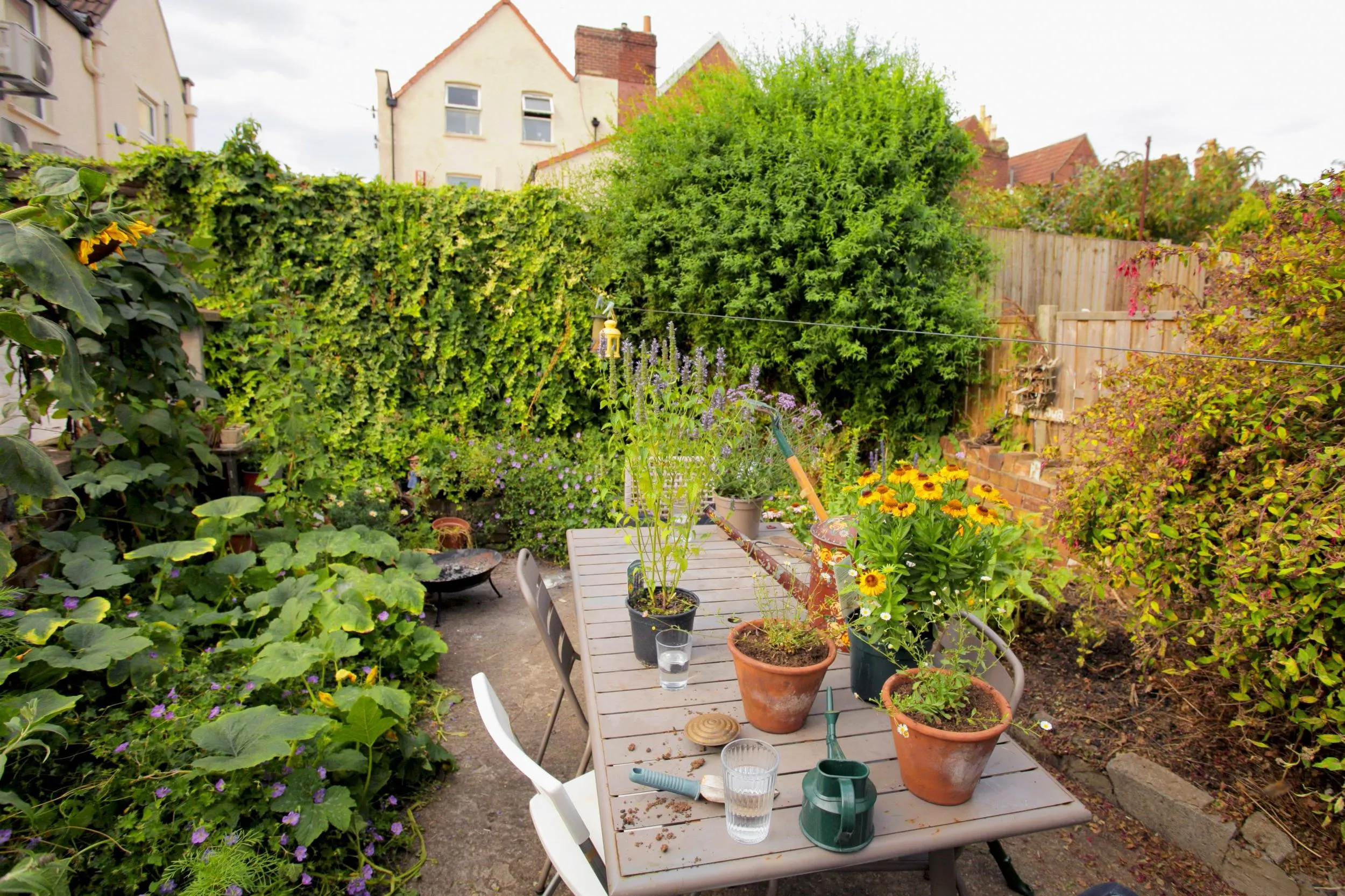
The rules of gardening are changing. What worked for my grandparents doesn't work now. We're dealing with longer droughts and heat waves that kill off traditional landscapes. I've realized that a garden isn't just a hobby anymore; it's a survival tool for local wildlife.
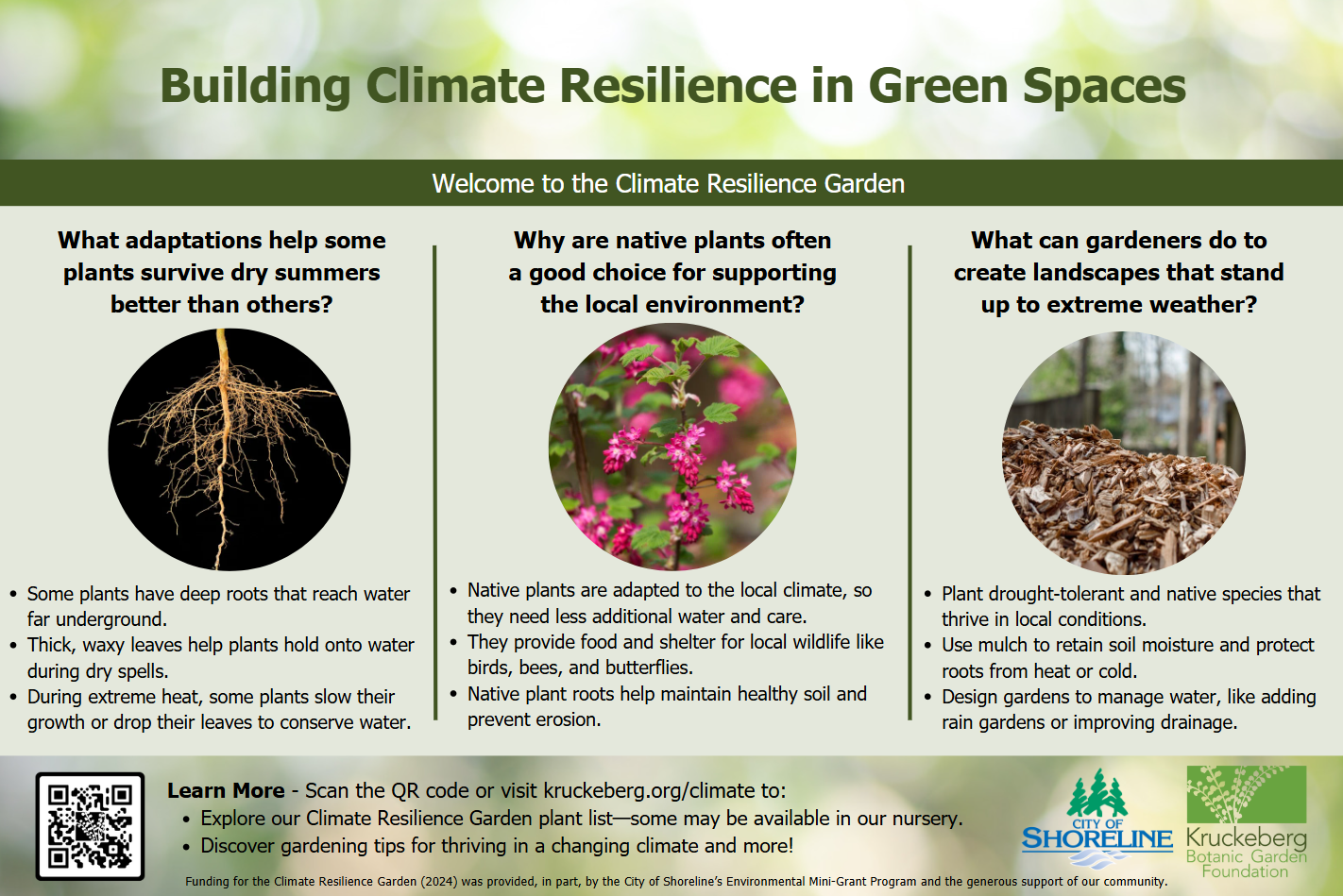
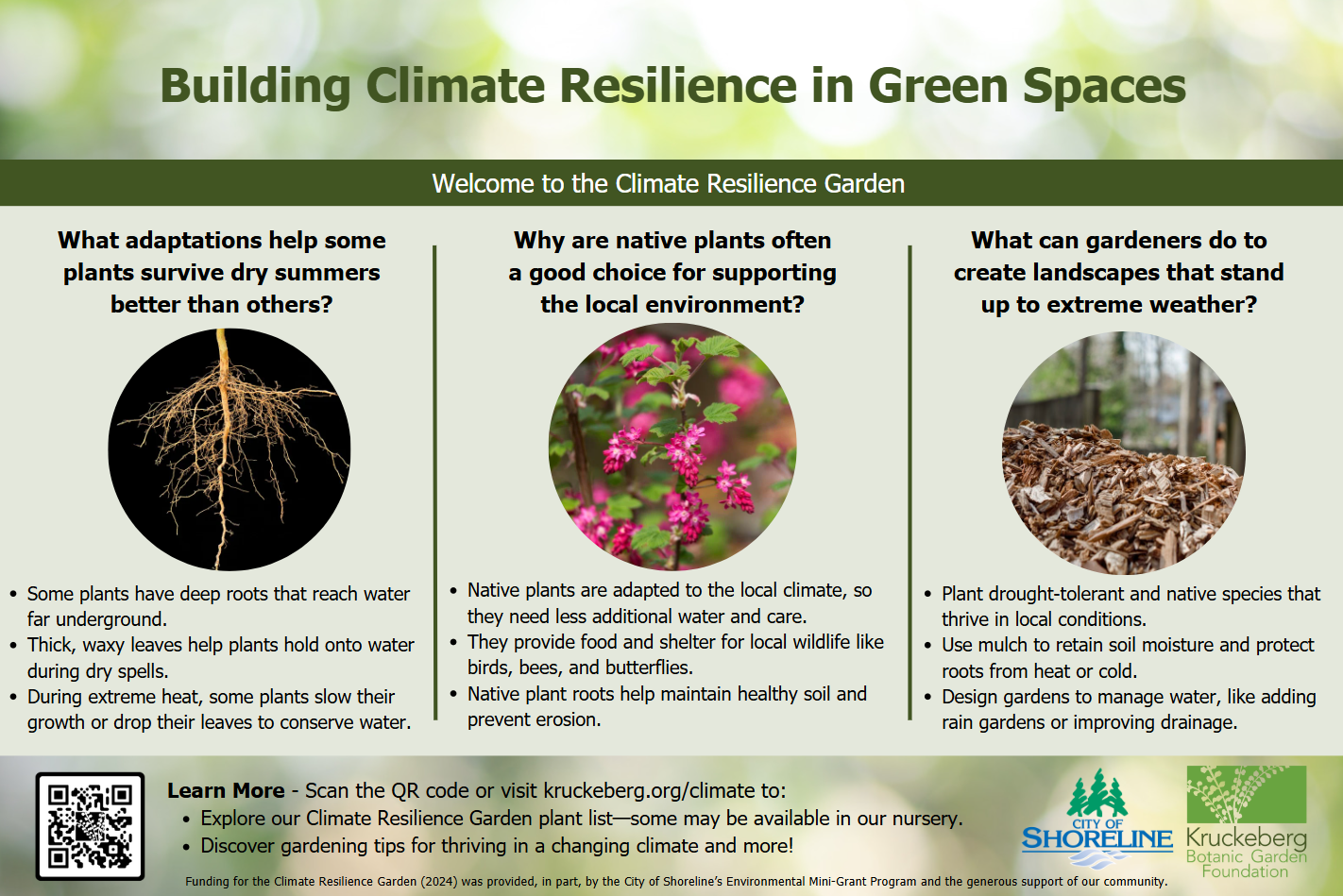
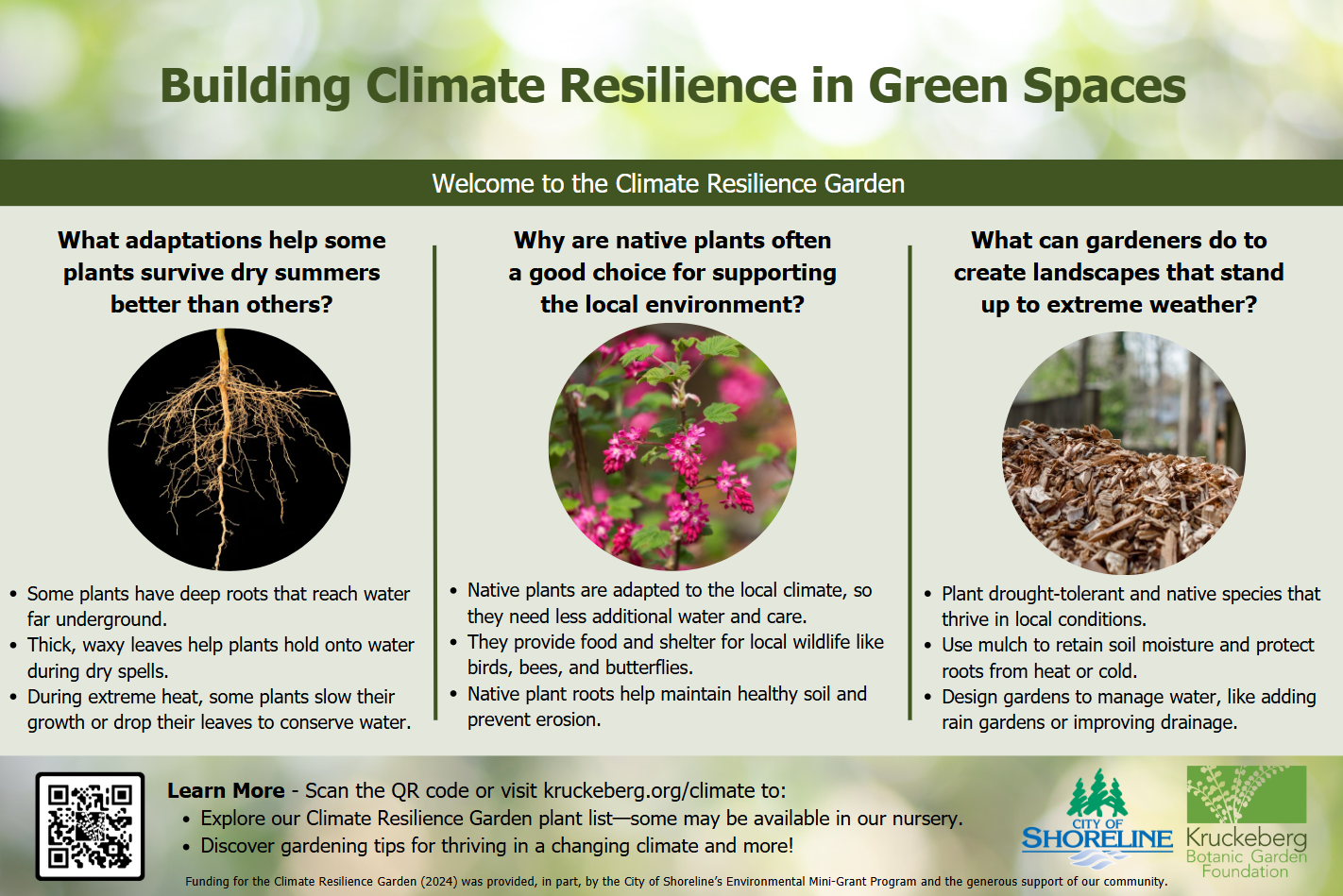
The good news is that we can adapt. Building a climate-resilient garden isn't about abandoning gardening; it’s about working with nature, not against it. And the key to that is native plants. These plants have evolved over millennia to thrive in our local conditions, meaning they’re naturally better equipped to handle the stresses of a changing climate. They require less water, less fertilizer, and less overall maintenance than non-native species, making them a sustainable choice for the future.
I believe focusing on native plants is the most impactful thing we can do as gardeners right now. It’s a proactive step towards building landscapes that can withstand more extreme weather and continue to support biodiversity. Think of it as an investment in the long-term health of our gardens and the planet. It’s not a trend, it’s a necessity.
Garden Gentle has always prioritized sustainable gardening, and our approach is rooted in understanding the delicate balance of local ecosystems. We've seen firsthand how native plants can transform a yard into a haven for pollinators and birds, even in challenging conditions. This isn’t about sacrificing beauty; it’s about redefining it.
Why hardiness zones are failing
For decades, gardeners have relied on the USDA Plant Hardiness Zone Map to determine which plants will survive in their region. This map divides North America into zones based on average minimum winter temperatures, and it’s a useful starting point. However, climate change is rendering these zones increasingly unreliable. Average temperatures are shifting, and we're experiencing more frequent extreme weather events that fall outside the historical range.
Hardiness zones are only half the story. A plant might survive a freeze but bake to death in July. I use the American Horticultural Society (AHS) Heat Zone Map to track days over 86°F. It's a better predictor of whether a plant will actually make it through a modern summer.
Both maps are guidelines, not guarantees. Your own yard likely has microclimates – areas that are warmer or cooler, wetter or drier, than the surrounding area. A south-facing wall will be warmer than a north-facing one, and a low-lying area might collect more moisture. Observing your yard throughout the year will help you understand these microclimates and choose plants accordingly.
To assess your microclimates, pay attention to sun exposure, soil type, and wind protection. A simple soil test can reveal its pH and nutrient content. Note where water tends to collect after a rain. These observations, combined with the hardiness and heat zone maps, will give you a much more accurate understanding of what plants will thrive in your garden.
- USDA Plant Hardiness Zone Map: This tracks average minimum winter temperatures.
- AHS Heat Zone Map: Considers both minimum winter temperatures and days exceeding 86°F.
- Microclimates: Variations in temperature, moisture, and wind within your yard.
Understanding Plant Hardiness and Heat Zones for Climate Resilience
| USDA Plant Hardiness Zone | Average Minimum Winter Temperature (°F) | American Horticultural Society (AHS) Heat Zone | Average Days Above 86°F |
|---|---|---|---|
| 1 | Above 20°F | 1 | 0-5 |
| 2 | 10° to 20°F | 2 | 5-15 |
| 3 | 0° to 10°F | 3 | 15-30 |
| 4 | -20° to 0°F | 4 | 30-45 |
| 5 | -10° to -20°F | 5 | 45-60 |
| 6 | 0° to -10°F | 6 | 60-75 |
| 7 | 10° to 0°F | 7 | 75-90 |
| 8 | 10° to 20°F | 8 | 90-100+ |
Illustrative comparison based on the article research brief. Verify current pricing, limits, and product details in the official docs before relying on it.
Top 15 Climate-Resilient Natives for 2026
Choosing the right plants is the foundation of a climate-resilient garden. Here are 15 native plants that I believe will be particularly well-suited to thrive in the conditions we expect in 2026 and beyond. I've drawn on information from the USDA and Garden Gentle’s extensive research.
1. Butterfly Milkweed (Asclepias tuberosa): Zones 3-9, Heat Zone 6-9. This plant is a monarch butterfly magnet, and it's incredibly drought-tolerant. Its deep taproot allows it to access water even during prolonged dry spells. It prefers full sun and well-drained soil. It’s a true workhorse for a pollinator garden.
2. Purple Coneflower (Echinacea purpurea): Zones 3-8, Heat Zone 5-8. A classic native perennial that attracts bees, butterflies, and birds. It’s adaptable to a wide range of soil conditions and is relatively drought-tolerant once established. The seed heads provide winter interest and food for birds.
3. Black-Eyed Susan (Rudbeckia hirta): Zones 3-9, Heat Zone 5-9. Another pollinator favorite, Black-Eyed Susans are cheerful and easy to grow. They prefer full sun and well-drained soil, and they can tolerate some drought. They readily self-seed, so you’ll have plenty of blooms each year.
4. Little Bluestem (Schizachyrium scoparium): Zones 3-9, Heat Zone 5-9. This native grass provides beautiful fall color and winter interest. It’s extremely drought-tolerant and provides habitat for birds and insects. It prefers full sun and well-drained soil.
5. New England Aster (Symphyotrichum novae-angliae): Zones 3-8, Heat Zone 4-8. A late-blooming aster that provides a valuable source of nectar for pollinators in the fall. It prefers full sun and moist soil, but can tolerate some drought once established.
6. Switchgrass (Panicum virgatum): Zones 3-9, Heat Zone 5-9. A tall, graceful native grass that provides habitat for wildlife and adds texture to the landscape. It’s drought-tolerant and adaptable to a wide range of soil conditions.
7. Wild Bergamot (Monarda fistulosa): Zones 4-9, Heat Zone 5-9. This aromatic perennial attracts bees, butterflies, and hummingbirds. It prefers full sun to partial shade and moist, well-drained soil. It's also known for its medicinal properties.
8. Oakleaf Hydrangea (Hydrangea quercifolia): Zones 5-9, Heat Zone 7-9. A stunning shrub with beautiful foliage and showy flower clusters. It’s relatively drought-tolerant once established and provides habitat for wildlife.
9. Serviceberry (Amelanchier spp.): Zones 4-8, Heat Zone 5-8. A small tree or large shrub that produces edible berries and beautiful spring flowers. It attracts birds and other wildlife and is adaptable to a wide range of soil conditions.
10. Virginia Bluebells (Mertensia virginica): Zones 3-8, Heat Zone 4-7. These ephemeral wildflowers bloom in the spring and provide a beautiful display of blue flowers. They prefer moist, shaded conditions. They go dormant in the summer, so pair them with other plants that will fill in the space.
11. Coreopsis (Coreopsis spp.): Zones 4-9, Heat Zone 5-9. A cheerful and long-blooming perennial that attracts butterflies and bees. It’s drought-tolerant and adaptable to a wide range of soil conditions. There are many different varieties available.
12. Bee Balm (Monarda didyma): Zones 4-9, Heat Zone 5-9. Similar to Wild Bergamot, Bee Balm is a magnet for hummingbirds and bees. It prefers moist, well-drained soil and full sun to partial shade.
13. Goldenrod (Solidago spp.): Zones 3-9, Heat Zone 4-8. Often unfairly blamed for allergies, Goldenrod is a valuable late-season source of nectar for pollinators. It’s drought-tolerant and adaptable to a wide range of soil conditions.
14. Eastern Redbud (Cercis canadensis): Zones 4-9, Heat Zone 6-9. A beautiful small tree with showy pink flowers in the spring. It attracts pollinators and provides habitat for birds. It prefers well-drained soil.
15. Spicebush (Lindera benzoin): Zones 4-9, Heat Zone 5-9. A fragrant shrub that provides food and shelter for wildlife. It's also a host plant for the Spicebush Swallowtail butterfly. It prefers moist, well-drained soil and partial shade.
Design for drought
Drought-resistant gardening isn’t just about replacing your lawn with rocks. That’s xeriscaping, and while it has its place, it doesn’t necessarily create a thriving ecosystem. A truly water-wise garden is one that minimizes water use without sacrificing beauty or wildlife habitat. It’s about smart plant selection, efficient irrigation, and soil health.
Hydrozoning is a key principle of water-wise design. This involves grouping plants with similar water needs together. For example, you might create a "dry garden’ with drought-tolerant plants like Little Bluestem and Butterfly Milkweed, and a ‘moist garden" with plants like New England Aster and Wild Bergamot. This allows you to water more efficiently, delivering the right amount of water to the right plants.
Improving your soil is just as important as choosing the right plants. Adding compost and other organic matter increases the soil’s water-holding capacity, reducing the need for irrigation. Mulch also helps to conserve moisture by reducing evaporation and suppressing weeds. Consider using native mulch materials like wood chips or shredded bark.
Rainwater harvesting and greywater systems can further reduce your water consumption. Rain barrels are a simple and affordable way to collect rainwater for irrigation. Greywater systems, which reuse water from showers and sinks, are more complex but can significantly reduce your water bill (check local regulations before installing a greywater system). A beautiful, wildlife-friendly garden can be water-efficient with thoughtful planning.
Resources and Further Learning
Building a climate-resilient garden is an ongoing process of learning and experimentation. There are many excellent resources available to help you along the way. The USDA Native Plant Database () is a comprehensive source of information on native plants.
The Lady Bird Johnson Wildflower Center () is another valuable resource, offering information on native plants, gardening techniques, and conservation efforts. Local native plant societies can provide region-specific advice and connect you with other gardeners. Garden Gentle offers a wealth of information on our website as well.
Consider exploring books and online courses on native plant gardening. Continuous learning is the best way to stay informed about the latest research and best practices. Getting involved in local conservation efforts is another great way to make a difference.
No comments yet. Be the first to share your thoughts!