

Gardens for a changing climate
We’re seeing more frequent and intense droughts, unpredictable freezes, and increasingly erratic weather patterns. These aren't future predictions, they are the realities of a shifting climate. Traditional gardening approaches, often reliant on consistent rainfall and stable temperatures, are becoming less and less reliable. It’s no longer enough to simply choose plants we like; we need to choose plants that can thrive in the conditions we expect—and prepare for conditions we don’t.
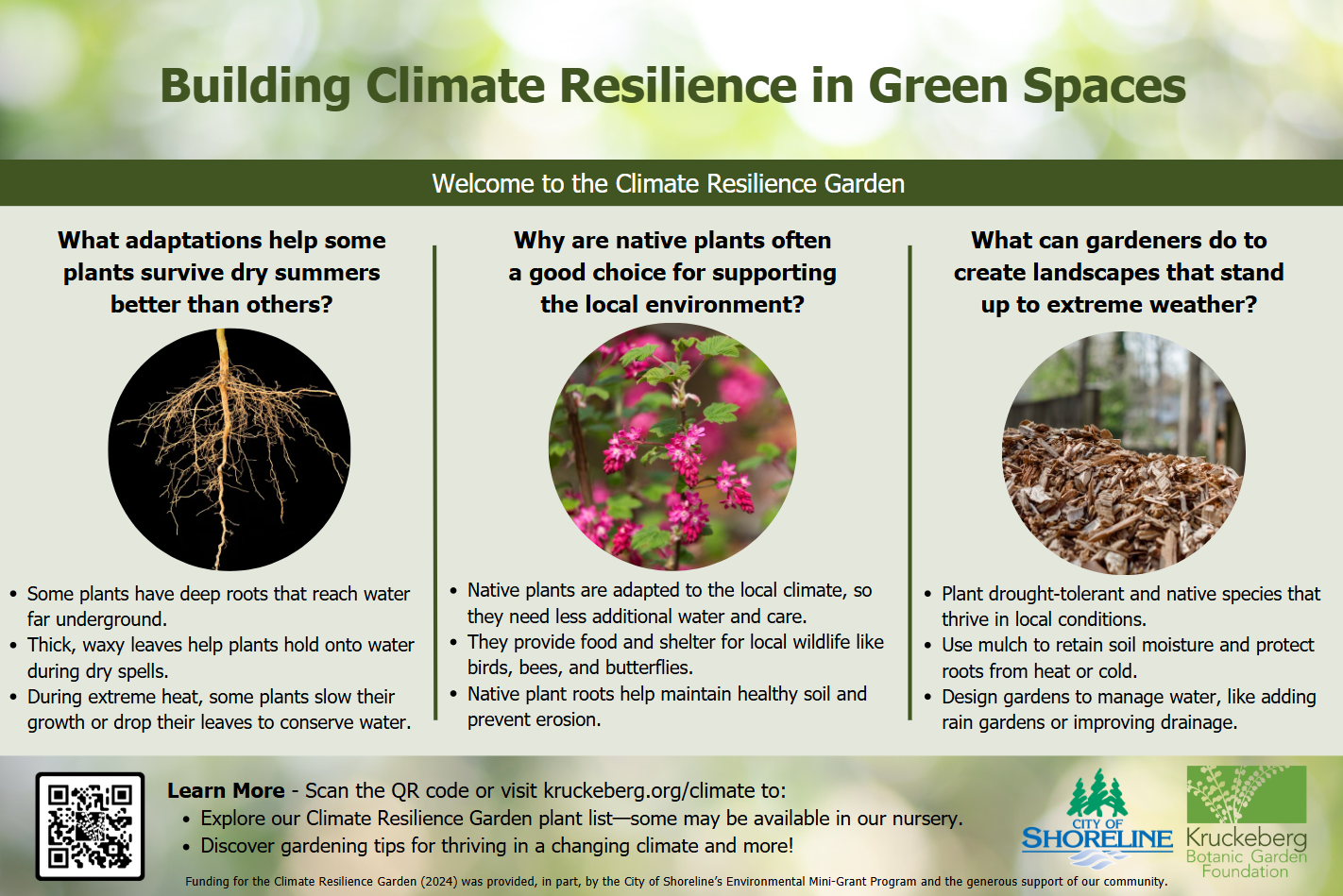
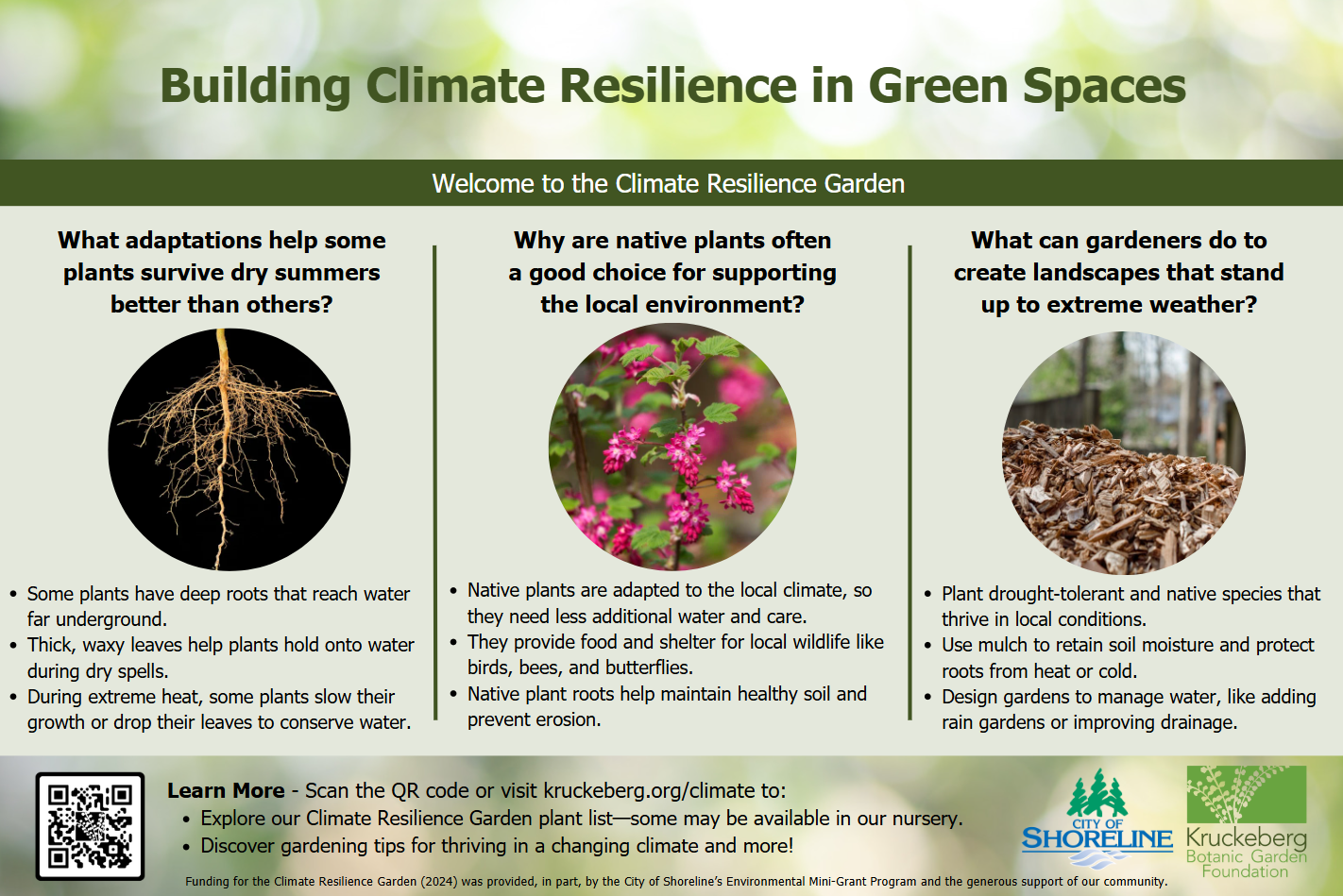
That's where climate-smart gardening comes in. This approach prioritizes plants adapted to local ecosystems, emphasizing drought tolerance, resilience to extreme temperatures, and the ability to support local wildlife. It's about working with nature, not against it. Shifting towards native species isn’t just an environmentally conscious decision, it's a practical one. It’s about building gardens that can withstand the challenges ahead.
The focus isn’t solely on preventing change – that’s a losing battle. It’s about building gardens that can adapt to change. This means selecting plants that can handle periods of drought, recover from extreme weather events, and continue to provide habitat for the creatures we share our landscapes with. It requires a shift in perspective, from controlling nature to collaborating with it.
We’ve been seeing changes in gardening practices already. Gardeners are becoming more aware of water conservation, and there's a growing demand for native plants. But the urgency is increasing. A garden designed today, with a changing climate in mind, will be a source of beauty, food, and habitat for years to come. Ignoring these changes leaves us vulnerable to disappointment and ecological loss.
Hardiness zones and microclimates
The USDA Plant Hardiness Zone map is a decent starting point, but it's just an average of winter lows. It won't tell you why a plant dies in a wind-swept corner of your yard while the same species thrives ten feet away against a brick wall.
That’s where understanding microclimates comes into play. These are small areas within your garden that have different environmental conditions than the surrounding landscape. A south-facing wall will create a warmer microclimate, while a shady spot under a tree will be cooler. Windbreaks, slopes, and even the presence of buildings can all create unique microclimates.
According to research from the Northeast Climate Adaptation Science Center at UMass Amherst, climate change is already shifting these hardiness zones northward. This means a plant that was once reliably hardy in Zone 6 might now be better suited for Zone 7. It also means that understanding your garden's specific microclimates is more important than ever.
Take the time to observe your garden throughout the year. Notice where the sun shines longest, where the wind is strongest, and where water tends to collect. Use this information to select plants that are well-suited to each microclimate. Don’t be afraid to experiment – gardening is, after all, a learning process.
- Zone 6a: Average annual minimum winter temperature of -10°F to -5°F
- Zone 6b: Average annual minimum winter temperature of -5°F to 0°F
- Zone 7a: Average annual minimum winter temperature of 0°F to 5°F
- Zone 7b: Average annual minimum winter temperature of 5°F to 10°F
Microclimate Assessment for Native Plant Selection
| Sun Exposure | Soil Drainage | Wind Protection | Typical Rainfall |
|---|---|---|---|
| Full Sun | Well-Drained | Exposed | Dry |
| Full Sun | Poorly Drained | Exposed | Wet |
| Partial Shade | Well-Drained | Sheltered | Dry |
| Partial Shade | Poorly Drained | Sheltered | Wet |
| Full Sun | Well-Drained | Sheltered | Wet |
| Partial Shade | Well-Drained | Exposed | Wet |
| Full Sun | Poorly Drained | Sheltered | Dry |
Illustrative comparison based on the article research brief. Verify current pricing, limits, and product details in the official docs before relying on it.
2026’s Most Promising Drought-Tolerant Natives
Choosing the right plants is the foundation of a climate-resilient garden. Here are twelve native species that show exceptional promise for thriving in increasingly dry conditions, adaptable to various regions across the US. These aren't just drought-tolerant; they also offer significant benefits to pollinators and other wildlife.
Butterfly Weed (Asclepias tuberosa): Zones 3-9, Full Sun, Well-drained soil. Blooming from June to August, this vibrant orange flower is a crucial host plant for Monarch butterflies. It’s incredibly resilient and requires minimal maintenance. It’s a must-have for any pollinator garden.
Little Bluestem (Schizachyrium scoparium): Zones 3-9, Full Sun, Well-drained soil. This native grass provides year-round interest, turning a beautiful reddish-bronze color in the fall and winter. It offers shelter and nesting material for birds and supports a variety of insect life.
New England Aster (Symphyotrichum novae-angliae): Zones 3-8, Full Sun to Partial Shade, Moist to Dry Soil. Blooming from September to November, this aster provides a late-season source of nectar for pollinators. It’s a beautiful addition to any garden and comes in a variety of colors.
Wild Bergamot (Monarda fistulosa): Zones 4-9, Full Sun to Partial Shade, Well-drained soil. This fragrant flower attracts bees, butterflies, and hummingbirds. It’s also a natural pest repellent. It blooms from June to August and has lavender-pink flowers.
Blue Flag Iris (Iris versicolor): Zones 3-9, Full Sun to Partial Shade, Moist Soil. This stunning iris thrives in wet conditions, making it ideal for rain gardens or pond edges. It attracts a variety of pollinators and adds a touch of elegance to any landscape.
Common Milkweed (Asclepias syriaca): Zones 3-9, Full Sun, Adaptable Soil. A critical host plant for Monarch butterflies, this species is vital for their survival. It's a robust grower, but can spread, so consider its placement carefully.
Black-Eyed Susan (Rudbeckia hirta): Zones 3-9, Full Sun, Well-drained soil. These cheerful yellow flowers bloom from June to October, providing a long-lasting source of nectar for pollinators. They are easy to grow and self-seed readily.
Switchgrass (Panicum virgatum): Zones 3-9, Full Sun, Adaptable Soil. A versatile native grass that provides habitat for wildlife and helps prevent soil erosion. It turns a beautiful golden color in the fall.
Eastern Redbud (Cercis canadensis): Zones 4-9, Full Sun to Partial Shade, Well-drained soil. This small tree offers beautiful pink flowers in the spring and provides food and shelter for birds. It’s a good choice for smaller gardens.
Serviceberry (Amelanchier arborea): Zones 4-8, Full Sun to Partial Shade, Well-drained soil. This tree produces edible berries that are popular with birds and humans alike. It also offers beautiful white flowers in the spring.
Prairie Dropseed (Sporobolus heterolepis): Zones 3-8, Full Sun, Well-drained soil. This graceful grass has a delicate, airy appearance. It’s drought-tolerant and provides habitat for insects.
Aromatic Aster (Symphyotrichum oblongifolium): Zones 3-8, Full Sun, Dry to Medium Soil. Known for its late-season blooms and fragrant foliage, this aster is a favorite of late-flying pollinators.
Supporting local wildlife
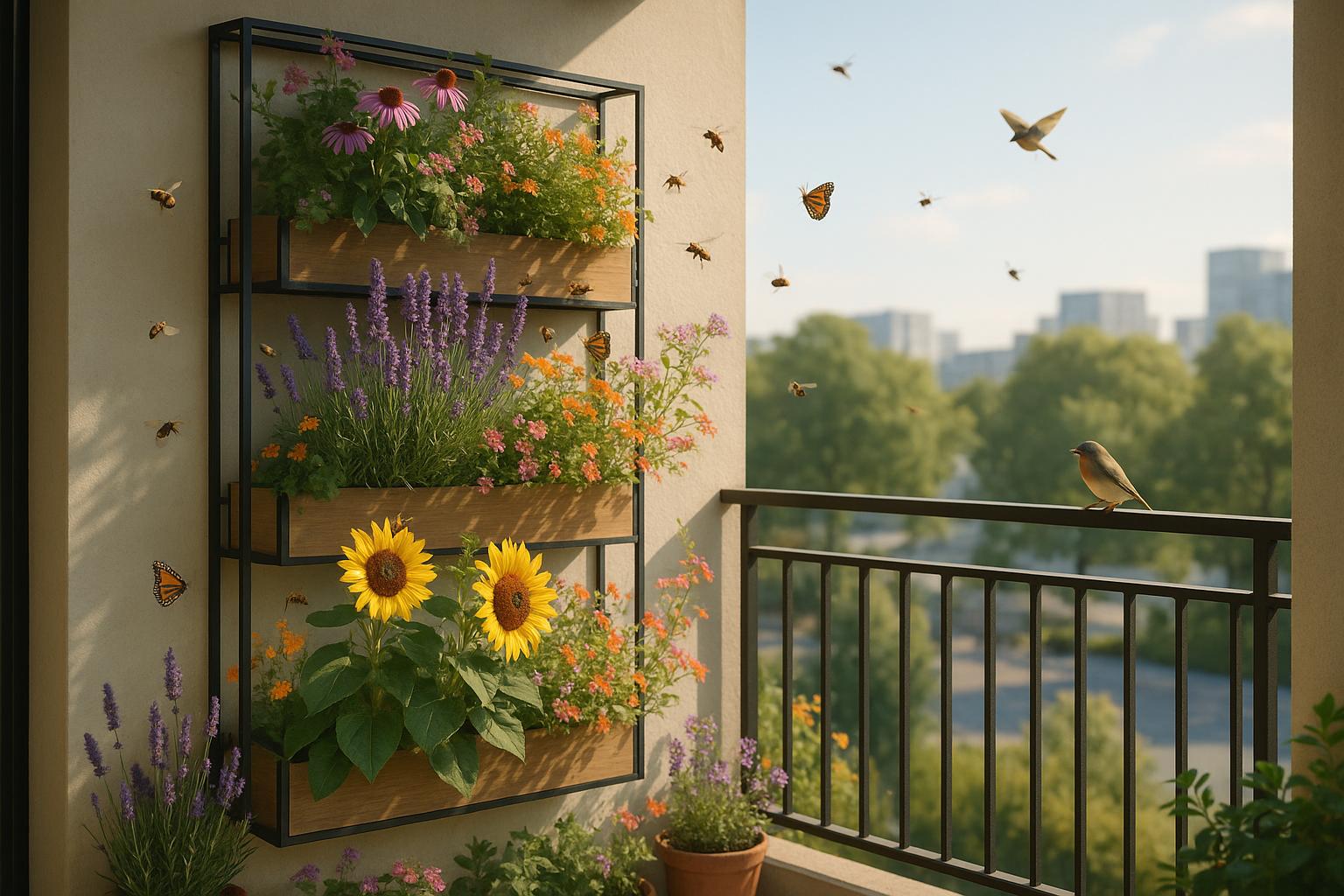
A climate-resilient garden isn’t just about selecting drought-tolerant plants; it’s about creating a thriving ecosystem that supports a diversity of wildlife. Different plants attract different species, so variety is key. Milkweed, for example, is essential for Monarch butterflies, providing a host plant for their larvae. Sunflowers provide seeds for birds.
Consider the entire life cycle of the creatures you want to attract. Birds need not only food but also shelter and nesting sites. Shrubs and trees provide cover from predators and harsh weather, while dense groundcover offers nesting materials. Native plants are particularly valuable because they have evolved alongside local wildlife, providing the specific resources they need.
Garden Gentle emphasizes the importance of building wildlife habitats. Creating layered habitats – groundcover, shrubs, trees – is a simple but effective way to increase biodiversity. A diverse garden is a resilient garden, better able to withstand environmental changes and support a healthy ecosystem.
Don’t forget about insects! They are the foundation of the food web. Providing habitat for beneficial insects, such as bees and ladybugs, can help control pests and pollinate your plants. Avoid using pesticides, which can harm these beneficial creatures.
- Monarch Butterflies: Milkweed
- Bees: Bee balm, lavender, and asters provide high-quality nectar.
- Birds: Serviceberry, sunflowers, shrubs with berries
- Ladybugs: Dill, fennel, yarrow
Resilient Native Plants
- New England Aster (Symphyotrichum novae-angliae) - These late-blooming perennials provide crucial fall nectar sources for migrating monarchs and other pollinators, and are remarkably drought-tolerant once established.
- Butterfly Milkweed (Asclepias tuberosa) - A vital host plant for monarch caterpillars, Butterfly Milkweed thrives in well-drained soil and offers bright orange blooms throughout the summer. It's exceptionally drought-resistant.
- Little Bluestem (Schizachyrium scoparium) - This native grass provides year-round interest, turning a beautiful reddish-bronze in the fall and winter. It’s highly adaptable and drought-tolerant, offering shelter and seed heads for birds.
- Wild Bergamot (Monarda fistulosa) - Attracts bees, butterflies, and hummingbirds with its lavender-pink flowers. It’s known for its drought tolerance and aromatic foliage.
- Purple Coneflower (Echinacea purpurea) - A popular choice for wildlife gardens, Purple Coneflower is drought-tolerant and attracts pollinators with its daisy-like flowers. The seed heads provide winter food for birds.
- Oak Trees (Quercus spp.) - While requiring space, native oak trees are ecological powerhouses, supporting hundreds of insect species (and therefore birds) and providing acorns as a food source. Many oak species are drought-tolerant.
- Goldenrod (Solidago spp.) - Often unfairly blamed for allergies, Goldenrod is a late-season nectar source for pollinators preparing for winter. It’s highly adaptable and drought-tolerant.
Water-wise techniques
Even with drought-tolerant plants, conserving water is essential. Mulching is one of the most effective things you can do. A layer of organic mulch, such as wood chips or shredded leaves, helps retain moisture in the soil, suppresses weeds, and moderates soil temperature.
Rainwater harvesting is another excellent option. Collecting rainwater in barrels or cisterns provides a free and sustainable source of water for your garden. It also reduces stormwater runoff, which can pollute local waterways. Check local regulations regarding rainwater harvesting, as some areas have restrictions.
Xeriscaping principles involve grouping plants with similar water needs together. This allows you to water more efficiently, providing the right amount of water to each plant without wasting resources. It also helps create a more visually appealing garden, with plants arranged according to their aesthetic qualities.
Drip irrigation and soaker hoses are better than sprinklers because they put water at the roots instead of losing it to the air. You can find basic kits at any hardware store that hook right into a standard hose timer.
Dealing with Invasive Species
Invasive plants pose a significant threat to native ecosystems. These non-native species can outcompete native plants for resources, disrupting the food web and reducing biodiversity. Climate change can exacerbate this problem by allowing invasives to expand their range and thrive in new environments.
The Northeast Climate Adaptation Science Center highlights the increasing challenge of managing invasive species in a changing climate. Warmer temperatures and altered precipitation patterns can create favorable conditions for invasives, making them even more difficult to control. Early detection and rapid response are crucial.
Identifying invasive species is the first step. Many state and local organizations offer resources for identifying common invasive plants in your area. Once you've identified an invasive plant, remove it carefully, following recommended guidelines to prevent its spread. Be sure to dispose of invasive plant material properly.
Resources like the USDA National Invasive Species Information Center () provide valuable information about invasive species identification, prevention, and control. Regular monitoring of your garden and surrounding areas can help you detect and address invasive species before they become a major problem.
What's the biggest challenge you face when trying to create a climate-resilient garden?
Vote below and share the main obstacle you face when building a drought-resistant, wildlife-friendly garden.
No comments yet. Be the first to share your thoughts!