

Winter guests in the garden
When temperatures drop, gardens feel empty, but wildlife is still there. Providing food and shelter helps birds and small animals survive when natural resources disappear. It is a simple way to keep gardening through the cold months.
The challenges are considerable. Natural food sources—seeds, berries, insects—become scarce, and maintaining body temperature requires extra energy. While we never want to completely replace natural foraging behaviors, a little help can significantly boost survival rates. At Garden Gentle, we believe in working with nature, not against it, and that includes offering support when it’s needed most.
This isn't about creating dependence, but about providing a crucial buffer during a tough time. A well-considered winter feeding strategy can turn your garden into a haven for local wildlife, offering a rewarding experience for both you and the animals who visit. It’s a chance to observe their behavior up close and appreciate the resilience of nature.
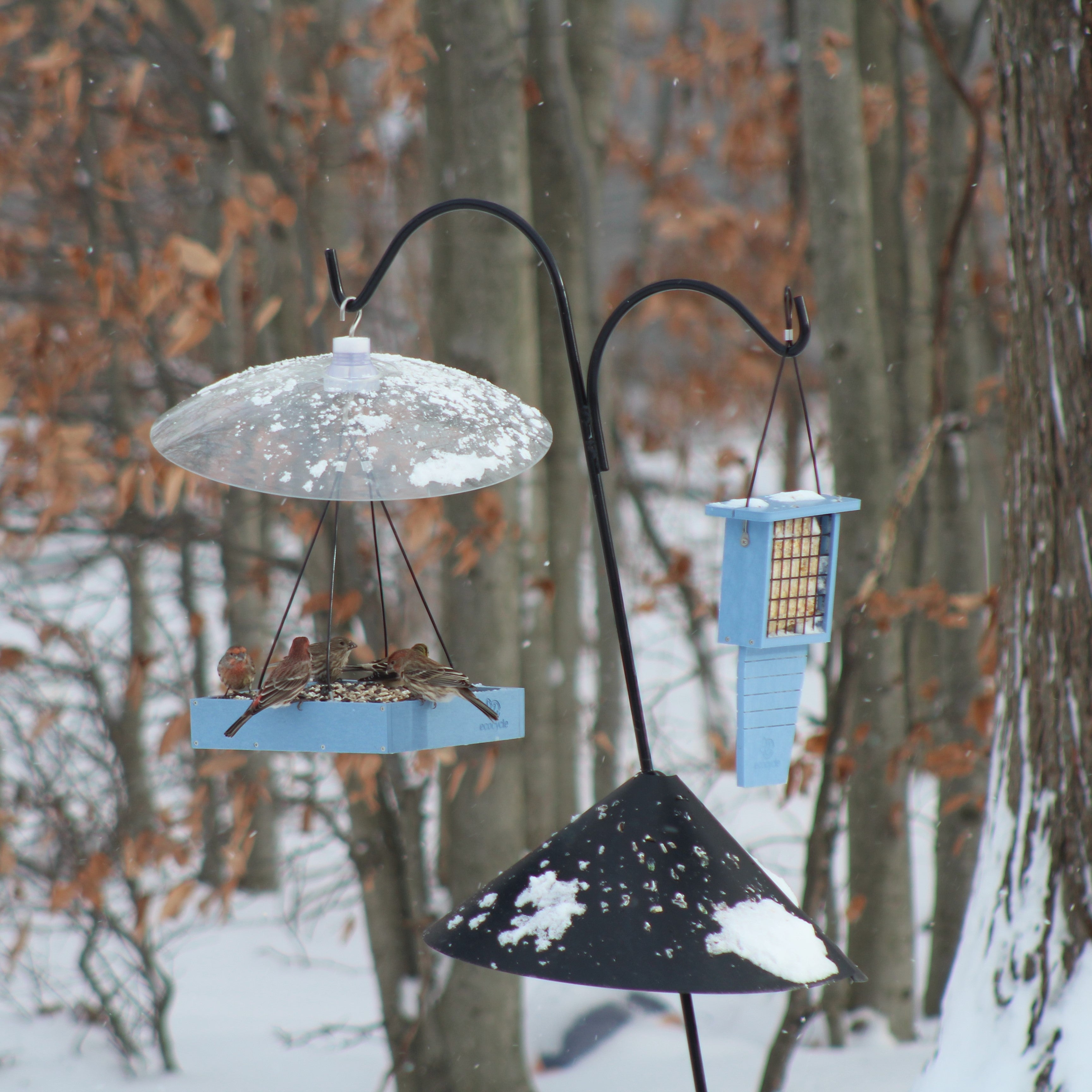
12 ways to feed winter wildlife
These 12 methods focus on sustainable feeding that goes beyond just tossing seed on the ground.
1. Sunflower Seed Feeders: A classic for a reason. Black oil sunflower seeds are high in fat and attract a wide variety of birds, including cardinals, chickadees, and titmice. Tube feeders and hopper feeders work well, but ensure they’re cleaned regularly.
2. Suet Cakes: Suet—rendered animal fat—is a high-energy food source, especially important in cold weather. Offer it in suet cages or log feeders. You can even make your own suet by mixing melted fat with seeds, nuts, and dried fruit.
3. Nyjer Seed Feeders: These tiny seeds are a favorite of finches. They require special feeders with small ports to prevent waste. Goldfinches, in particular, will flock to nyjer seed feeders.
4. Berry-Producing Shrubs: Plant shrubs like hawthorn, winterberry, and crabapple that retain their berries throughout the winter. These provide a natural food source for birds.
5. Leave Seed Heads Standing: Don’t be too quick to tidy up your garden in the fall. Leaving seed heads on plants like coneflowers, sunflowers, and asters provides a valuable food source for birds.
6. Brush Piles: Create a brush pile in a sheltered corner of your garden. This provides shelter from the wind and snow, as well as a foraging area for small mammals and birds.
7. Heated Birdbath: Keeping a water source ice-free is crucial. A heated birdbath provides a reliable source of drinking and preening water.
8. Platform Feeders: These open feeders attract a wider range of birds, but they’re also more susceptible to squirrels. Consider adding a squirrel baffle.
9. Offer Fruit Scraps: Apples, pears, and berries can be a welcome treat for birds and small mammals. Avoid citrus fruits and grapes.
10. Squirrel Feeders: If you’re willing to cater to squirrels, providing a dedicated feeder can help keep them out of bird feeders. Corn and nuts are popular choices.
11. Mealworm Feeders: Bluebirds, wrens, and other insectivores will appreciate a source of mealworms, especially when natural insects are scarce. Offer them in a small dish or a specialized mealworm feeder.
12. Ground Feeding: Scatter a small amount of seed on the ground for ground-feeding birds like juncos and sparrows. Be mindful of predators and ensure the area is relatively sheltered.
Choosing the right seeds
While sunflower seeds are a great starting point, a diverse seed selection will attract a wider variety of birds. Many people don’t realize the breadth of options available. Nyjer seed (thistle) is a favorite of finches, particularly American Goldfinches, and requires a specialized feeder due to its small size. Safflower seeds are often overlooked, but they’re a good choice because squirrels tend to avoid them, leaving more for the birds.
White proso millet is another valuable addition, attracting ground-feeding birds like doves and sparrows. Cracked corn is also popular, but it can attract unwanted guests like starlings and house sparrows. It’s important to read the labels of seed mixes carefully. Avoid mixes with a lot of "filler" like red millet, which most birds ignore and simply pushes the good seeds to the bottom.
The Project FeederWatch program notes that offering a variety of seeds can help you attract a wider range of species (feederwatch.org). Be mindful that some seeds, like millet, can attract house sparrows, which are considered an invasive species in many areas. If you’re trying to support native birds, limiting millet may be a good strategy.
Keeping water liquid
Birds need water to drink and to keep their feathers clean. Clean feathers provide the insulation they need to stay warm. When water sources freeze, birds struggle to maintain this natural barrier against the cold.
Heated birdbaths are the most reliable way to keep water from freezing. These use a low-wattage heater to prevent ice formation. Regular birdbaths can also be used, but they’ll need to be refilled frequently. Consider placing the birdbath in a sunny location to help slow down the freezing process.
Cleaning is crucial. Birdbaths can become breeding grounds for bacteria and diseases. Empty and scrub the birdbath with a bleach solution (1 part bleach to 9 parts water) at least once a week. Ensure the water source is also positioned to offer some protection from predators like hawks.
Safe feeder placement
The location of your feeders is critical for both bird safety and minimizing problems. Place feeders near trees and shrubs to provide cover from predators like hawks. This allows birds to quickly escape if threatened. Avoid placing feeders in wide-open spaces where they’re easily visible.
Regular cleaning is essential to prevent the spread of disease. Remove old seed and debris from feeders at least once a week. Clean feeders with a bleach solution (1 part bleach to 9 parts water) and allow them to dry completely before refilling. Be mindful of window collisions. Birds may not recognize glass as a barrier and can injure themselves flying into windows.
Position feeders either very close to windows (less than 3 feet) or far away (more than 30 feet) to reduce the risk of collisions. Applying decals or window film can also help make windows more visible to birds.
Managing mess and predators
Let’s be realistic: wildlife feeding isn’t always neat and tidy. Seed hulls will accumulate under feeders, which can attract rodents. Managing this requires regular cleanup. Sweep up spilled seed and dispose of it properly. Using feeders with trays to catch hulls can also help.
Predators, like hawks and cats, may be attracted to feeders. Providing plenty of cover—trees and shrubs—can give birds a safe place to escape. Be aware of your local wildlife and take appropriate precautions. It’s a natural part of the ecosystem, but we can minimize the risk to our feathered friends.
Don't let these challenges discourage you. The benefits of providing winter support to wildlife far outweigh the minor inconveniences. A little planning and effort can create a safe and welcoming environment for birds and small animals.
No comments yet. Be the first to share your thoughts!