

Pollinator Gardens, Reimagined
Pollinator populations are declining, and many homeowners feel helpless, wanting to support these vital creatures but unsure where to begin. Creating a thriving pollinator garden doesn’t have to be a matter of extensive research and trial-and-error; intelligent technology can guide the process. This is the promise of AI-powered garden planning.
By 2026, AI is a practical tool for gardeners of all levels. Sophisticated algorithms analyze your location, climate, and soil conditions to design a garden tailored to attract and sustain a diverse range of pollinators. This offers personalized, data-driven habitat creation, amplifying the joy of gardening with informed design and efficient management.
Garden Gentle believes in creating welcoming spaces for wildlife. AI expands this reach, empowering more people to make a real difference in their backyards. It helps build functional, resilient pollinator habitats that contribute to a healthier planet.
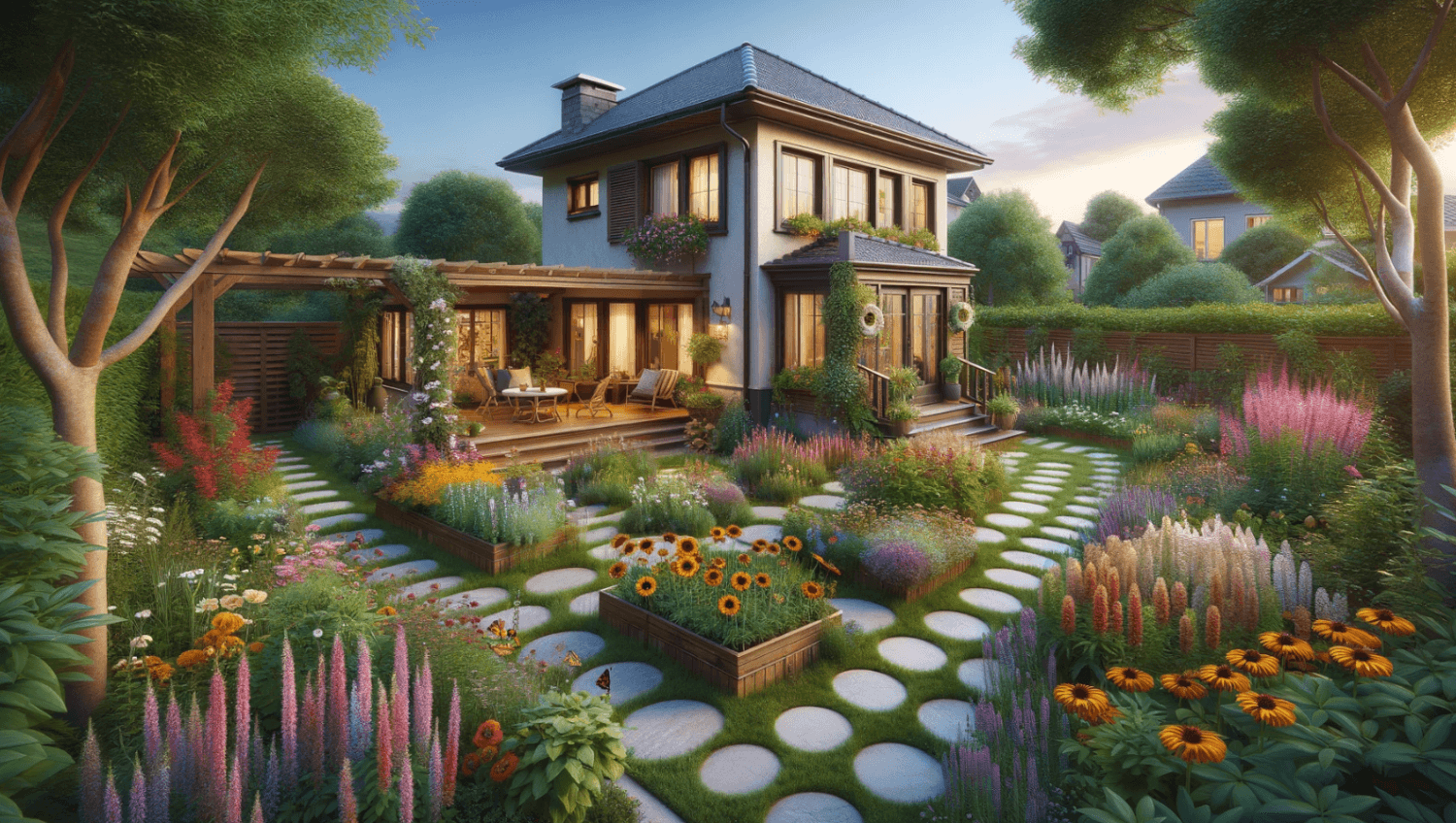
Decoding Pollinator Needs
Before AI tools, understanding pollinator needs was the biggest challenge in building a successful garden. Simply throwing seeds in the ground isn't enough. Bees, butterflies, hummingbirds, and moths have specific requirements for survival and reproduction.
Bees rely on specific host plants for larvae and nectar-rich flowers for adults. Butterflies need host plants for caterpillars and nectar sources for adults, with different preferences than bees. Hummingbirds prefer brightly colored, tubular flowers, while moths often favor pale, fragrant blooms that open at night. All pollinators need clean water and safe shelter.
A "one size fits all’ approach doesn"t work. What thrives in Florida differs from Montana. Even within a state, microclimates and soil types influence plant selection. Understanding these regional variations is complex for a single gardener. AI simplifies this process and provides tailored recommendations.
AI Tools: What's Available Now?
AI-powered garden planning tools are increasingly accessible. Garden AI, available on the Google Play Store, uses image recognition technology. You can photograph your garden to identify existing plants, which is a great starting point for understanding what you have and what gaps need to be filled.
These tools analyze local climate, average rainfall, soil type, and sun exposure. They cross-reference this with plant databases to suggest species likely to thrive in your environment. Many platforms offer automated garden layout suggestions, optimizing plant placement for pollinator attraction and visual appeal.
These tools take much of the guesswork out of garden planning. They help avoid common pitfalls, such as choosing non-native plants or species that won’t provide adequate food sources for pollinators throughout the growing season. The core functionality provides informed recommendations based on data.
- Image Recognition: Identifies existing plants.
- Climate & Soil Analysis: Assesses local conditions.
- Plant Database Integration: Suggests suitable species.
- Automated Layouts: Optimizes plant placement.
Beyond Layout: Smart Plant Selection
While a well-designed layout is important, AI suggests native plants suited to your location and pollinators. Planting native species is essential for supporting local ecosystems. These plants have evolved alongside native pollinators, creating a mutually beneficial relationship that non-native plants can’t replicate. A monarch butterfly requires milkweed to lay its eggs – a plant it’s co-evolved with for millennia.
AI algorithms consider plant diversity and bloom times to ensure a continuous supply of nectar and pollen from early spring to late fall. A garden that only blooms for a few weeks won’t provide sustained nourishment. The tools also help avoid invasive species that can outcompete native plants and disrupt the ecosystem.
The Pennsylvania State University Extension highlights the importance of 'intelligent choices' in garden design, which AI enables. The extension's work emphasizes understanding the ecological roles of plants and selecting species that contribute to a healthy ecosystem. AI tools streamline this process, providing data-driven recommendations that align with these principles, leading to informed decisions that benefit your garden and the environment.
For example, to attract hummingbirds in the Pacific Northwest, an AI tool might suggest Ribes sanguineum (Red Flowering Currant) and Lonicera ciliosa (Western Trumpet Honeysuckle) for their nectar-rich blooms, while flagging potentially invasive honeysuckle varieties.
Habitat Design: More Than Just Flowers
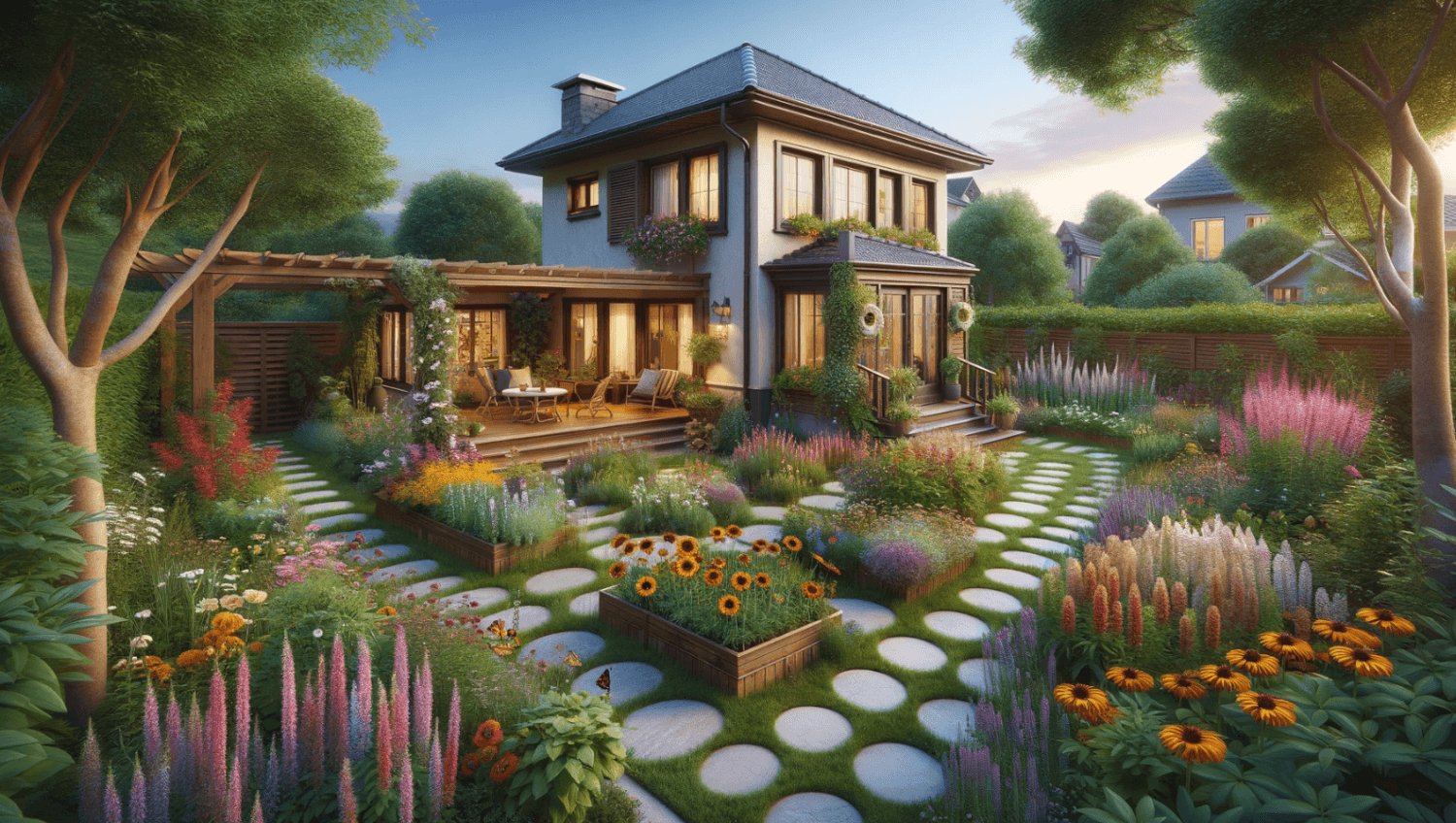
Creating a thriving pollinator habitat involves more than just planting flowers. Pollinators need shelter, water, and nesting sites. AI-powered garden planning tools can incorporate these essential elements into the design, creating a complete ecosystem that supports a wide range of species.
Providing shelter can be as simple as leaving areas of your garden wild, allowing native grasses and shrubs to grow. Brush piles or bee hotels—small structures with cavities for solitary bees—also provide nesting sites. A shallow dish filled with pebbles and water offers a safe drinking source for butterflies and bees, preventing drowning.
An AI tool might suggest incorporating a small pond or water feature into your garden design, or recommending specific types of shrubs and trees that provide both shelter and food sources. It’s about thinking beyond aesthetics and considering the functional needs of the pollinators you’re trying to attract. A well-designed habitat is a refuge, a place where pollinators can thrive and reproduce.
- Shelter: Brush piles, bee hotels, native shrubs.
- Water: Shallow dishes with pebbles.
- Nesting Sites: Undisturbed soil, plant stems.
Data-Driven Maintenance
AI doesn’t stop at garden design; it also plays a role in ongoing maintenance. Smart sensors and data analysis can help you monitor soil moisture levels, automate irrigation, detect pests and diseases, and optimize fertilizer applications. This data-driven approach can significantly improve pollinator health and reduce the need for harmful pesticides.
For instance, soil moisture sensors can alert you when plants are stressed due to lack of water, allowing you to intervene before they suffer irreversible damage. Automated irrigation systems can deliver water precisely where it’s needed, conserving water and preventing overwatering. Early detection of pests and diseases allows you to address problems before they become widespread, minimizing the need for chemical interventions.
This data can be used to personalize fertilizer recommendations, ensuring that plants receive the nutrients they need without contributing to nutrient runoff. By proactively addressing potential issues, you can create a healthier, more resilient garden that supports a thriving pollinator population. It’s about shifting from reactive problem-solving to preventative care, guided by real-time data.
Future Trends: AI and the Pollinator Network
Looking ahead to 2026 and beyond, the potential for AI-powered garden planning is truly exciting. We can anticipate increased integration with local pollinator monitoring networks, allowing AI tools to provide even more personalized recommendations based on real-time data about pollinator activity in your area. Imagine an app that tells you which pollinators are currently visiting gardens in your neighborhood and suggests plants that will attract them.
AI could also play a role in pest control, using beneficial insects to manage harmful pests in an environmentally friendly way. Algorithms could analyze data about pest populations and release beneficial insects at the optimal time to maximize their effectiveness. Personalized recommendations based on individual pollinator preferences are also a possibility – understanding which plants specific butterflies or bees prefer and tailoring your garden accordingly.
Citizen science will likely play a key role in this evolution. Gardeners could contribute data about pollinator visits and plant performance, helping to refine AI algorithms and improve the accuracy of recommendations. It’s a collaborative effort, combining the power of technology with the knowledge and observations of passionate gardeners. I suspect we’ll see a future where our gardens are actively contributing to a broader understanding of pollinator health.
- Pollinator Monitoring Integration: Real-time data on local pollinator activity.
- AI-Powered Pest Control: Utilizing beneficial insects.
- Personalized Recommendations: Tailored plant suggestions based on pollinator preferences.
- Citizen Science Contributions: Gardeners contributing data to improve AI algorithms.
Resources for Building Your Habitat
Ready to start building your own pollinator paradise? There are many resources available to help you along the way. Garden Gentle is committed to providing information and inspiration for creating sustainable gardens that support wildlife. Explore our website for articles, guides, and plant recommendations.
Here are a few additional resources to get you started:
We encourage you to explore these resources and take action to create a welcoming habitat for pollinators in your own backyard.
- Garden Gentle:
- Pennsylvania State University Extension:
- Native Plant Finder:
- The Xerces Society:
Pollinator Garden Resources
- The Xerces Society for Invertebrate Conservation - A leading non-profit organization providing resources on pollinator conservation, including plant lists, habitat guides, and regional information.
- Lady Bird Johnson Wildflower Center - Offers an extensive native plant database searchable by region, light requirements, and pollinator preferences. Provides detailed plant profiles and images.
- Pollinator Partnership - Focuses on promoting pollinator health through education, conservation, and research. They offer regional planting guides and information on specific pollinator needs.
- Your State's Native Plant Society - Most states have a native plant society offering localized expertise on native plants suitable for attracting pollinators in your specific area. Search online for “[Your State] Native Plant Society”.
- University Extension Programs - Many universities have extension offices offering gardening advice, including resources on pollinator-friendly landscaping. Search for “[Your State] University Extension Gardening” to find local programs.
- USDA Natural Resources Conservation Service (NRCS) - Provides technical assistance and resources for creating wildlife habitats, including pollinator gardens. Offers information on conservation practices and financial assistance programs.
- Local Botanical Gardens - Botanical gardens often feature demonstration pollinator gardens and offer workshops on creating pollinator-friendly landscapes. Check the websites of botanical gardens in your area.
No comments yet. Be the first to share your thoughts!