
Why native plants matter
North America has lost nearly 3 billion birds since 1970. Most of that is down to habitat loss, which makes our backyards more than just hobby spaces—they are essential corridors for survival. I've found that switching to native species is the fastest way to see more than just the usual house sparrows.
But it’s not just about the birds themselves. The health of our gardens – and the wider ecosystem – is inextricably linked to the health of insect populations. Native plants are the cornerstone of a thriving ecosystem because they’ve evolved alongside local birds and insects, forming a delicate web of interdependence. When we choose native plants, we’re supporting that web, providing food and shelter for the creatures that keep our gardens – and our planet – healthy.
This checklist isn’t a rigid set of rules, but a starting point for building a haven for birds in your backyard. It’s an invitation to learn, observe, and adapt your garden to meet the needs of the wildlife in your area. It's about moving beyond simply having a garden, to creating a habitat.
25 native plants for your garden
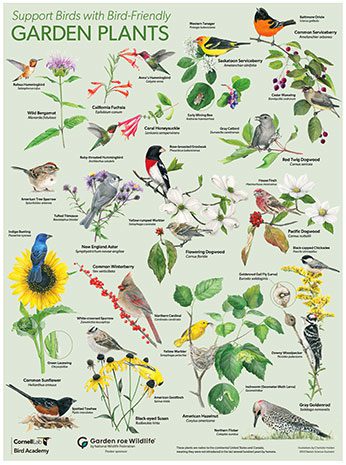
Choosing the right plants is the most impactful step you can take toward creating a bird-friendly space. This list, informed by resources like the University of California, Riverside’s research and the California Native Plant Society’s extensive database (calscape.org), offers 25 native plants to get you started. Remember, regional variations are important, and what thrives in one area may not thrive in another. I’ve included notes on growing conditions and the types of birds each plant attracts.
Birds are picky. Finches want seeds, while waxwings hunt for berries. If you want a variety of species, you need a variety of food sources. This list covers 25 plants that work across different US climates.
- California buckwheat (Eriogonum fasciculatum) is a sun-loving shrub that feeds sparrows and finches with its late-season seeds.
- Western Serviceberry (Amelanchier alnifolia): Produces edible berries for birds and humans alike. Thrives in full sun to partial shade. Attracts robins, thrushes, waxwings.
- Toyon (Heteromeles arbutifolia): Known as California Holly, this evergreen shrub provides bright red berries in winter. Requires full sun to partial shade. Attracts robins, cedar waxwings.
- Pacific Willow (Salix lasiandra): Provides early nesting material and attracts insects. Prefers moist soil and full sun. Attracts warblers, vireos.
- Coffeeberry (Frangula californica): Offers berries for birds and provides dense cover. Tolerates a wide range of conditions. Attracts thrushes, towhees.
- Manzanita (Arctostaphylos spp.): Offers berries and attracts hummingbirds. Prefers well-drained, acidic soil. Attracts hummingbirds, finches.
- Ceanothus (Ceanothus spp.): Also known as California lilac, it provides nectar for pollinators and seeds for birds. Prefers full sun and well-drained soil. Attracts finches, towhees.
- California Poppy (Eschscholzia californica): While primarily known for its beauty, the seeds attract small birds. Prefers full sun and well-drained soil. Attracts finches.
- Deergrass (Muhlenbergia rigens): Provides seeds and cover for ground-nesting birds. Prefers full sun and well-drained soil. Attracts sparrows, juncos.
- Blue Elderberry (Sambucus nigra ssp. caerulea): Offers berries and attracts insects. Prefers moist soil and partial shade. Attracts thrushes, warblers.
- New Jersey Tea (Ceanothus americanus): A shrub that provides seeds and attracts pollinators. Prefers full sun and well-drained soil. Attracts finches and sparrows (Eastern US).
- Wild Rose (Rosa virginiana): Offers rose hips, a valuable winter food source for birds. Prefers full sun and well-drained soil. Attracts robins, cardinals (Eastern US).
- American beautyberry (Callicarpa americana) is hard to miss with its bright purple clusters. It is a staple for birds in the Southeast during the fall.
- Black-Eyed Susan (Rudbeckia hirta): Seeds provide a late-season food source. Prefers full sun and well-drained soil. Attracts goldfinches (Midwest/Eastern US).
- Purple Coneflower (Echinacea purpurea): Attracts goldfinches with its seed heads. Prefers full sun and well-drained soil. (Midwest/Eastern US).
- Goldenrod (Solidago spp.): Late-blooming flower providing seeds and attracting insects. Prefers full sun and well-drained soil. Attracts sparrows, finches.
- Common Sunflower (Helianthus annuus): A classic for a reason – abundant seeds for birds. Prefers full sun and well-drained soil. Attracts goldfinches, house finches.
- Oregon Grape (Mahonia aquifolium): Provides berries and shelter. Prefers partial shade and well-drained soil. Attracts robins, thrushes (Pacific Northwest).
- Red Flowering Currant (Ribes sanguineum): Attracts hummingbirds with its nectar-rich flowers. Prefers partial shade and moist soil. (Pacific Northwest).
- Desert Willow (Chilopsis linearis): Provides nectar and seeds for birds. Prefers full sun and well-drained soil. (Southwest).
- Texas Sage (Leucophyllum frutescens): Attracts hummingbirds and insects. Prefers full sun and well-drained soil. (Southwest).
- Switchgrass (Panicum virgatum): Provides seeds and shelter. Prefers full sun and well-drained soil. Attracts sparrows, juncos (Midwest).
- Butterfly Weed (Asclepias tuberosa): Attracts butterflies and provides seeds. Prefers full sun and well-drained soil. Attracts goldfinches (Midwest/Eastern US).
- Bayberry (Morella pensylvanica): Offers waxy berries that provide winter food. Prefers full sun to partial shade and well-drained soil (Northeast).
- Highbush Blueberry (Vaccinium corymbosum): Provides delicious berries for both birds and people. Prefers acidic soil and partial shade (Northeast).
Native Plants for a Bird-Friendly Garden (Selection)
| Common Name | Scientific Name | Region | Bird Attracted | Sun Exposure | Soil Type | Water Needs |
|---|---|---|---|---|---|---|
| California Poppy | Eschscholzia californica | West | American Goldfinch, House Finch | Full Sun | Well-drained | Low |
| Western Serviceberry | Amelanchier alnifolia | West | Cedar Waxwing, Robin, Thrush | Full Sun to Partial Shade | Well-drained, Loamy | Moderate |
| New England Aster | Symphyotrichum novae-angliae | Northeast | Song Sparrow, Goldfinch, Chickadee | Full Sun | Moist, Well-drained | Moderate to High |
| Black-Eyed Susan | Rudbeckia hirta | East & Central | Goldfinch, House Finch | Full Sun | Well-drained | Moderate |
| Common Sunflower | Helianthus annuus | Central & West | Goldfinch, House Finch, Grosbeak | Full Sun | Well-drained, Loamy | Moderate |
| Red Buckeye | Aesculus pavia | Southeast | Ruby-throated Hummingbird, Finch | Partial Shade | Moist, Well-drained | Moderate |
| Spicebush | Lindera benzoin | East | Swainson’s Thrush, Wood Thrush | Partial to Full Shade | Moist, Well-drained | Moderate |
| Blue Elderberry | Sambucus nigra subsp. caerulea | West | Thrush, Warblers | Full Sun to Partial Shade | Well-drained | Moderate |
Illustrative comparison based on the article research brief. Verify current pricing, limits, and product details in the official docs before relying on it.
Water and shelter
Native plants are the foundation, but a truly bird-friendly garden goes beyond just what you plant. Birds need more than food – they need water, shelter, and safe nesting sites. Providing these elements will transform your garden into a thriving ecosystem. A bird bath, consistently cleaned and filled with fresh water, is a simple but effective addition.
Consider adding a small pond or even a shallow dish of water with pebbles for birds to perch on. Shelter is equally important. Trees and shrubs offer protection from predators and harsh weather. Leaving some areas of your garden a little "messy" – a brush pile, for example – provides valuable nesting habitat and attracts insects that birds feed on. A small insect hotel can further boost the insect population.
Nesting sites can be provided with birdhouses, but also by simply leaving undisturbed areas of your garden. Avoid pruning shrubs during nesting season. Supplemental feeders can be helpful, particularly during winter, but it’s important to keep them clean to prevent the spread of disease. Responsible feeding means offering appropriate food and avoiding overfeeding.
Troubleshooting: Common Bird Garden Challenges
Even the most carefully planned bird garden can encounter challenges. Deer browsing can be a problem – fencing or deer-resistant plants may be necessary. Invasive species can outcompete native plants, so regular monitoring and removal are important. Pest control should always prioritize organic methods, avoiding pesticides that harm birds and insects.
Outdoor cats are the biggest hurdle. If you can't keep them inside, dense thorny shrubs like wild rose give birds a fighting chance to escape. For 'bully' birds like starlings, I usually swap out loose seed for suet cages that are harder for them to access.
Finally, remember that a little imperfection is okay. A slightly overgrown garden is often a more welcoming habitat for birds than a perfectly manicured one. Don't be afraid to embrace a bit of wildness.
Pollinator Power: Birds & Bugs Work Together
Birds and insects have a close relationship. Many birds rely on insects to feed themselves and their young, especially during breeding season. Plants that attract both birds and pollinators are particularly valuable. Consider including plants like bee balm, coneflowers, and sunflowers in your garden. These provide nectar for pollinators and seeds for birds.
Avoiding pesticides is essential for protecting both birds and insects. Even seemingly harmless pesticides can have devastating effects on insect populations, and fewer insects mean less food for birds. Garden Gentle offers comprehensive resources on creating pollinator-friendly gardens – these principles directly translate to a bird-friendly space as well. A healthy garden is one where birds and bugs thrive together.
Long-Term Care: Maintaining Your Bird Paradise
Maintaining a bird-friendly garden is an ongoing process, but it doesn’t have to be overly demanding. Regular pruning, weeding, and mulching will help your plants thrive. Replenish bird baths and feeders as needed, and be sure to clean them regularly to prevent disease. Leaving seed heads standing over winter provides a valuable food source for birds.
Resist the urge to rake up all the leaves in the fall. Decomposing leaves provide important nutrients for the soil and create habitat for insects. A bird-friendly garden isn’t about perfection; it’s about creating a healthy, sustainable ecosystem that supports a diversity of life. Embrace the natural cycles of the garden, and enjoy the rewards of watching your feathered friends thrive.
No comments yet. Be the first to share your thoughts!