

Gardening for a changing climate
Gardening is changing from a hobby of aesthetics into a practice of adaptation. Shifting weather patterns bring frequent droughts and temperature swings that kill off traditional garden staples. We have to change what we plant if we want our yards to survive.
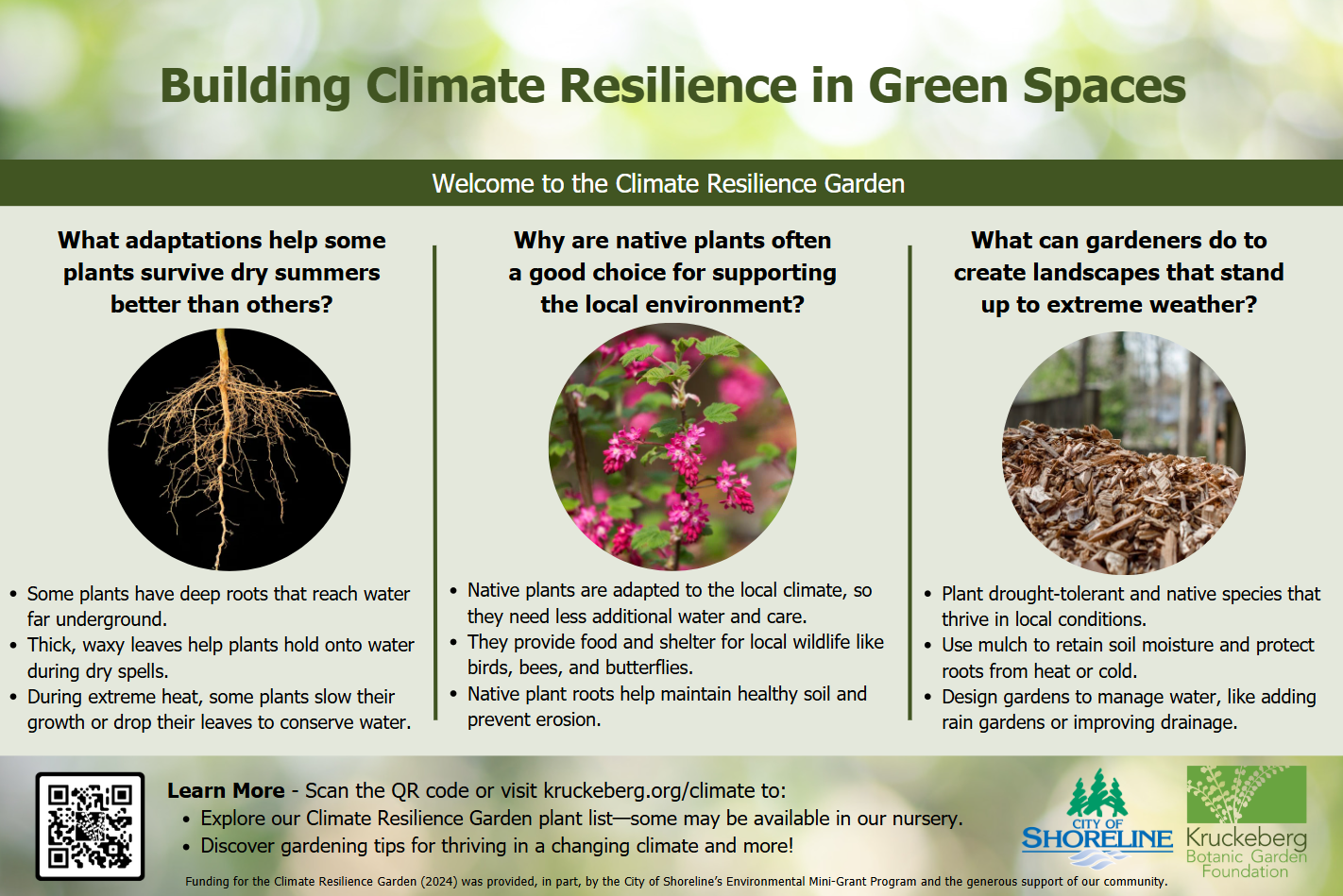
The good news is that we have a powerful tool at our disposal: native plants. Choosing plants that evolved in a region naturally equips them to handle the local climate, including its increasing extremes. They’ve already demonstrated an ability to cope with the conditions we’re seeing, and, crucially, they provide essential habitat for local wildlife. It’s a solution that works with nature, instead of against it.
Hardiness zones are shifting. Plants that were reliable a decade ago now struggle with new pests and limited water. I've watched several species handle these stressors better than others, making them the best candidates for a garden that lasts.
We’re not simply preparing for a future; we’re responding to a present reality. The changes are happening now, and gardeners are already witnessing the effects. This isn't about abandoning our favorite plants, but about making informed choices and building gardens that are better equipped to withstand whatever the climate throws our way.
Twenty native plants to watch
Selecting the right plants is the foundation of a climate-resilient garden. While many excellent native species exist, some are demonstrating a remarkable ability to adapt to changing conditions. Here are 20 plants to consider, with details on their drought tolerance, wildlife benefits, and unique characteristics. I've tried to include some lesser-known options alongside the more familiar ones.
Drought tolerance is rated on a scale of 1 to 5, with 5 being the most drought-tolerant. Keep in mind that even drought-tolerant plants will need some water during establishment.
- New England Aster (Symphyotrichum novae-angliae): (Drought Tolerance: 3/5) – Eastern North America. This late-blooming beauty is a magnet for butterflies and bees, providing a crucial food source in the fall. It prefers full sun and moist soil but can tolerate drier conditions once established.
- Butterfly Weed (Asclepias tuberosa): (Drought Tolerance: 4/5) – Eastern and Central North America. A host for Monarch butterflies, this orange flower grows in well-drained soil and full sun. It handles poor soil without extra fertilizer.
- Little Bluestem (Schizachyrium scoparium): (Drought Tolerance: 5/5) – Throughout North America. A beautiful ornamental grass that provides winter interest and valuable habitat for birds and insects. It’s incredibly drought-tolerant and adaptable to various soil types.
- Purple Coneflower (Echinacea purpurea): (Drought Tolerance: 4/5) – Central and Eastern North America. A classic for a reason, this plant attracts pollinators and adds a pop of color to any garden. It prefers full sun and well-drained soil.
- Black-Eyed Susan (Rudbeckia hirta): (Drought Tolerance: 3/5) – Eastern and Central North America. Another pollinator favorite, Black-Eyed Susans are cheerful and easy to grow. They tolerate a wide range of conditions but prefer full sun.
- Wild Bergamot (Monarda fistulosa): (Drought Tolerance: 3/5) – Eastern and Central North America. This fragrant herb attracts bees, butterflies, and hummingbirds. It prefers moist soil but can tolerate some drought once established.
- Switchgrass (Panicum virgatum): (Drought Tolerance: 5/5) – Throughout North America. A tall, native grass that provides excellent wildlife habitat and erosion control. It's highly drought-tolerant and adaptable to various soil types.
- Blue Grama Grass (Bouteloua gracilis): (Drought Tolerance: 5/5) – Western North America. A warm-season grass with unique, eyelash-like seed heads. It's incredibly drought-tolerant and provides food for birds and small mammals.
- California Poppy (Eschscholzia californica): (Drought Tolerance: 4/5) – Western North America. A vibrant orange flower that thrives in dry, sunny conditions. It's easy to grow and self-seeds readily.
- Yarrow (Achillea millefolium): (Drought Tolerance: 4/5) – Throughout North America. A versatile herb with medicinal properties and attractive flowers. It tolerates a wide range of conditions and attracts beneficial insects.
- Prairie Dropseed (Sporobolus heterolepis): (Drought Tolerance: 5/5) – Central North America. A beautiful ornamental grass with a distinctive fragrance. It's highly drought-tolerant and provides habitat for wildlife.
- Goldenrod (Solidago spp.): (Drought Tolerance: 3/5) – Throughout North America. Often unfairly blamed for allergies, goldenrod is a valuable late-season food source for pollinators. There are many different species, so choose one that's native to your region.
- Smooth Aster (Symphyotrichum laeve): (Drought Tolerance: 3/5) – Eastern and Central North America. Another late-blooming aster that provides a vital food source for pollinators. It prefers moist soil but can tolerate some drought.
- Showy Milkweed (Asclepias speciosa): (Drought Tolerance: 4/5) – Western North America. A crucial host plant for Monarch butterflies. It prefers full sun and well-drained soil.
- Penstemon (Penstemon spp.): (Drought Tolerance: 4/5) – Throughout North America. A diverse genus of flowering plants that attract hummingbirds and bees. There are many different species to choose from, so select one that's native to your region.
- Serviceberry (Amelanchier spp.): (Drought Tolerance: 3/5) – Throughout North America. A small tree or shrub that produces edible berries and attracts birds. It prefers full sun to partial shade.
- Redbud (Cercis canadensis): (Drought Tolerance: 3/5) – Eastern and Central North America. A beautiful flowering tree that attracts pollinators. It prefers full sun to partial shade.
- Oakleaf Hydrangea (Hydrangea quercifolia): (Drought Tolerance: 3/5) – Southeastern United States. This hydrangea has large, oak-shaped leaves and white flower clusters. It is best in partial shade.
- Spicebush (Lindera benzoin): (Drought Tolerance: 3/5) – Eastern North America. A fragrant shrub that attracts spicebush swallowtail butterflies. It prefers moist, shady conditions.
- Virginia Creeper (Parthenocissus quinquefolia): (Drought Tolerance: 4/5) – Eastern and Central North America. A fast-growing vine that provides cover for wildlife and beautiful fall color. It's very adaptable and can tolerate a wide range of conditions.
2026 Climate-Resilient Native Plants for Drought-Resistant Wildlife Gardens
| Common Name | Scientific Name | Region | Drought Tolerance (1-5, 5=Highest) | Primary Wildlife Attracted | Notes |
|---|---|---|---|---|---|
| Butterfly Milkweed | Asclepias tuberosa | Eastern & Central North America | 4 | Monarch Butterflies, Bees | Bright orange flowers; essential for Monarch lifecycle. |
| Blue Grama | Bouteloua gracilis | Great Plains, Southwest | 5 | Birds, Small Mammals | Warm-season grass; provides seed heads for wildlife. |
| New England Aster | Symphyotrichum novae-angliae | Eastern North America | 3 | Pollinators (Bees, Butterflies), Birds | Late-blooming; important nectar source in fall. |
| California Poppy | Eschscholzia californica | Western North America | 4 | Native Bees, Butterflies | State flower of California; self-seeding annual. |
| Little Bluestem | Schizachyrium scoparium | North America | 4 | Birds, Butterflies | Attractive fall color; provides winter interest and cover. |
| Wild Bergamot | Monarda fistulosa | Eastern & Central North America | 3 | Bees, Hummingbirds | Fragrant foliage; attracts a variety of pollinators. |
| Purple Coneflower | Echinacea purpurea | Eastern & Central North America | 3 | Bees, Butterflies, Birds | Medicinal properties; long bloom time. |
| Texas Sage | Leucophyllum frutescens | Southwestern US & Mexico | 5 | Bees, Hummingbirds | Silver-gray foliage; blooms after rainfall. |
Illustrative comparison based on the article research brief. Verify current pricing, limits, and product details in the official docs before relying on it.
Water-wise design
Choosing drought-resistant plants is only part of the equation. How you design your garden is equally important. The goal is to maximize water retention and minimize water loss. Xeriscaping, a landscaping approach that emphasizes water conservation, is a great starting point.
Consider creating a rain garden – a shallow depression designed to collect rainwater runoff from roofs, driveways, and other impervious surfaces. This allows the water to soak into the ground, replenishing groundwater and reducing stormwater runoff. Swales, which are gently sloped channels, can also be used to direct water to areas where it can be absorbed.
Grouping plants with similar water needs, a practice called hydrozoning, is crucial. Place drought-tolerant plants together in drier areas and plants that require more moisture in wetter areas. This prevents overwatering some plants while underwatering others. Reducing the size of your lawn is another effective strategy. Lawns require a significant amount of water, fertilizer, and maintenance.
Replacing lawn with drought-tolerant groundcovers like creeping thyme or clover can significantly reduce your water consumption. When irrigation is necessary, opt for drip irrigation or soaker hoses instead of sprinklers. These methods deliver water directly to the plant roots, minimizing water loss through evaporation.
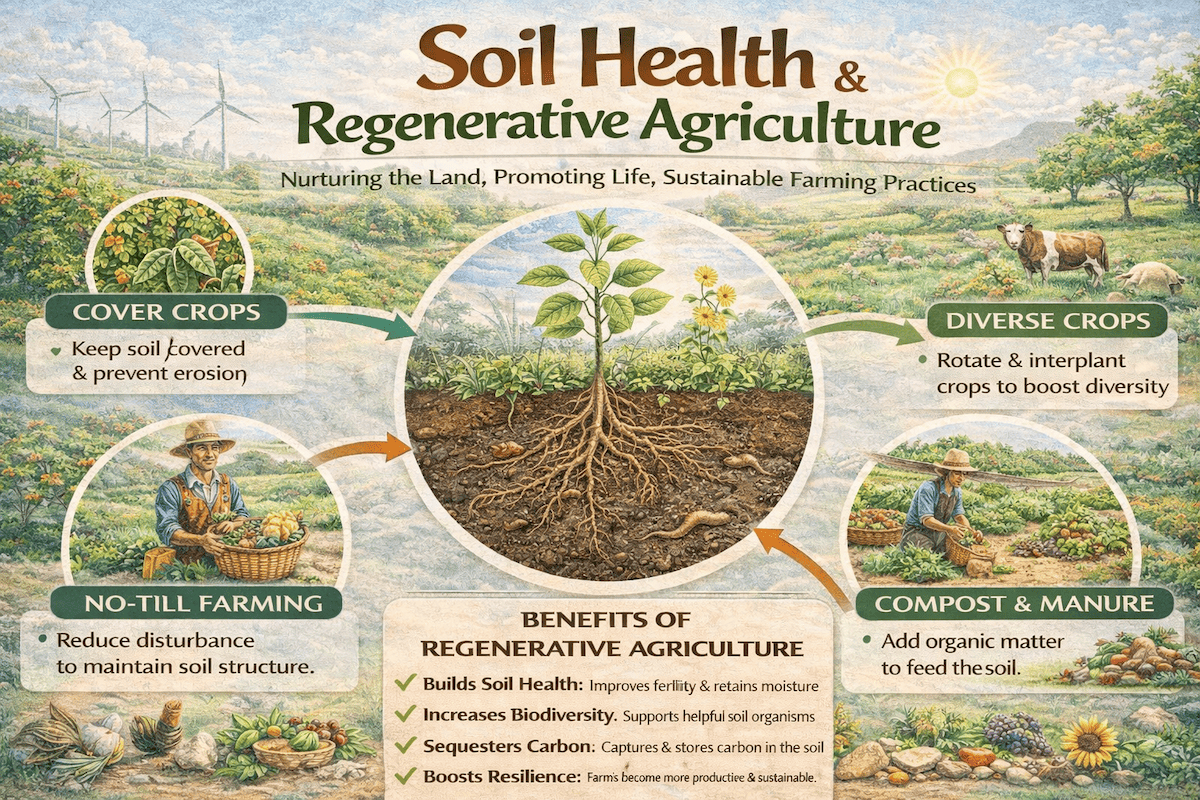
- Amend your soil: Incorporate plenty of organic matter, such as compost, to improve its water-holding capacity.
- Mulch generously: Apply a thick layer of mulch around plants to help retain moisture and suppress weeds.
- Consider slope: Design your garden to take advantage of natural slopes, directing water to areas where it's needed.
- Harvest rainwater: Collect rainwater in barrels or cisterns for use in your garden.
Pollinators and wildlife
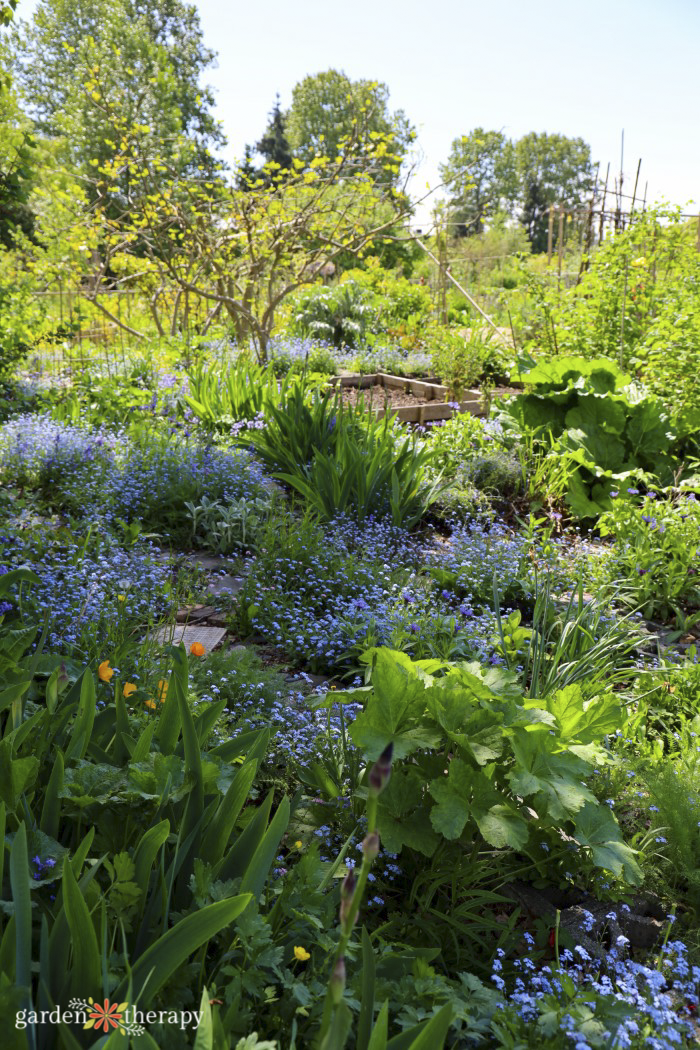
A climate-resilient garden isn’t just about surviving; it’s about thriving – for all living things. By choosing native plants, you’re automatically providing food and habitat for pollinators, birds, and other beneficial insects. But you can go a step further by creating a truly welcoming environment.
Provide a diversity of plants that bloom at different times of the year to ensure a continuous food source for pollinators. Include plants that offer berries or seeds for birds in the fall and winter. Offer a water source, such as a birdbath or a shallow dish of water with pebbles for insects to land on.
Leave some areas of your garden a little “messy” – a brush pile or a patch of unmown grass can provide valuable shelter for wildlife. Avoid using pesticides and herbicides, which can harm beneficial insects and pollinators. The interconnectedness of the ecosystem is vital; a healthy garden supports biodiversity, and vice versa.
Plants like serviceberry and elderberry are dual-purpose, offering beautiful spring blooms and nutritious berries for wildlife. Consider incorporating trees and shrubs that provide nesting sites for birds. Even small changes can make a big difference in creating a haven for wildlife.
Wildlife Garden Essentials
- Provide a Water Source - A birdbath, shallow dish of water with pebbles, or small pond offers crucial hydration, especially during droughts. Ensure it’s cleaned regularly.
- Embrace Native Trees - Trees like the American Hornbeam (Carpinus caroliniana) or Serviceberry (Amelanchier spp.) provide food and shelter for numerous species and are adapted to local conditions.
- Create a Brush Pile - A designated pile of branches, leaves, and twigs offers shelter for insects, small mammals, and birds. Locate it in a discreet, undisturbed area.
- Layer Your Plantings - Mimic a natural ecosystem by incorporating groundcovers, shrubs, and trees. This provides diverse habitat layers for different creatures.
- Leave the Leaves - Instead of removing fallen leaves, leave them in garden beds or create a leaf mold pile. They provide overwintering habitat for insects and enrich the soil.
- Avoid Pesticides and Herbicides - These chemicals harm beneficial insects, birds, and other wildlife. Opt for natural pest control methods like companion planting or hand-picking.
- Incorporate Host Plants - Include plants that serve as food sources for butterfly and moth larvae, such as Milkweed (Asclepias spp.) for Monarchs or Spicebush (Lindera benzoin) for Spicebush Swallowtails.
Soil health
Healthy soil is the bedrock of a climate-resilient garden. Soil rich in organic matter holds more water, improves drainage, and provides essential nutrients for plants. It’s also teeming with beneficial microbes that help plants withstand stress.
Composting is one of the best things you can do for your soil. It turns kitchen scraps and yard waste into a nutrient-rich amendment that improves soil structure and fertility. Cover cropping – planting a cover crop like clover or rye in the fall – can also help improve soil health and prevent erosion.
No-till gardening, which avoids disturbing the soil, is another beneficial practice. It helps preserve soil structure and microbial life. Mycorrhizal fungi, which form a symbiotic relationship with plant roots, play a crucial role in plant resilience. They help plants absorb water and nutrients more efficiently.
Regular soil testing can help you understand your soil’s nutrient levels and pH, allowing you to make informed decisions about amendments. Healthy soil isn’t just good for plants; it’s good for the planet, helping to sequester carbon and reduce greenhouse gas emissions.
Looking Ahead: Plant Breeding and Adaptation
The future of climate-resilient gardening lies in innovation. Plant breeders are actively working to develop native plants that are even more tolerant of drought, heat, and other stresses. This involves selecting and breeding plants with desirable traits, such as deep roots and efficient water use.
Ongoing research is also focused on understanding how native plants respond to climate change and identifying those that are best equipped to adapt. Citizen science initiatives, where gardeners contribute data on plant performance, are playing an increasingly important role in this research. Seed saving – collecting and preserving seeds from your favorite plants – is another way to contribute to the adaptation process.
We have the knowledge and tools to create gardens that can thrive in the face of climate change. It requires a shift in mindset – from trying to control nature to working with it. By embracing native plants, water-wise design principles, and soil health practices, we can build gardens that are not only beautiful but also resilient and sustainable.
The challenges are real, but so is the opportunity. By acting now, we can create a future where our gardens continue to provide food, habitat, and joy for generations to come. It’s a hopeful vision, and one that’s within our reach.
What is the biggest climate challenge you face when trying to grow a resilient native plant garden in your region?
Share your experience so we can better understand the diverse climate pressures gardeners are navigating in 2026. Results will be displayed in real-time to help our community identify common challenges and solutions.

No comments yet. Be the first to share your thoughts!