

Backyards as ecosystems
The news feels relentless, doesn't it? We’re seeing more extreme weather events, shifts in plant hardiness zones, and a clear decline in insect and bird populations. These changes aren't happening to the environment; they're happening in our backyards, and they demand a response. The traditional idea of a perfectly manicured lawn is simply unsustainable in the face of these challenges. It requires too much water, too many chemicals, and provides almost no benefit to local wildlife.
That’s where the concept of ecological gardening comes in. It’s about working with nature, not against it. Instead of imposing our will on the landscape, we aim to create habitats that support a thriving ecosystem. This means prioritizing native plants—those that evolved alongside the local insects, birds, and other animals. They’re adapted to the local climate and soil conditions, and they form the foundation of a resilient habitat. It’s not just about aesthetics; it's about survival.
Planting for the next few years requires looking at heat tolerance and water needs. Recent data on hardiness zones suggests we should select species that handle higher peak temperatures than we saw a decade ago. Native nurseries are now stocking more varieties that fit these specific needs.
The good news is that even small changes can make a significant difference. A single native tree can support hundreds of insect species. A small patch of wildflowers can provide vital food for pollinators. Every garden, no matter how small, can be a haven for wildlife. It's about shifting our perspective—seeing our backyards not as isolated spaces, but as integral parts of a larger ecological network.
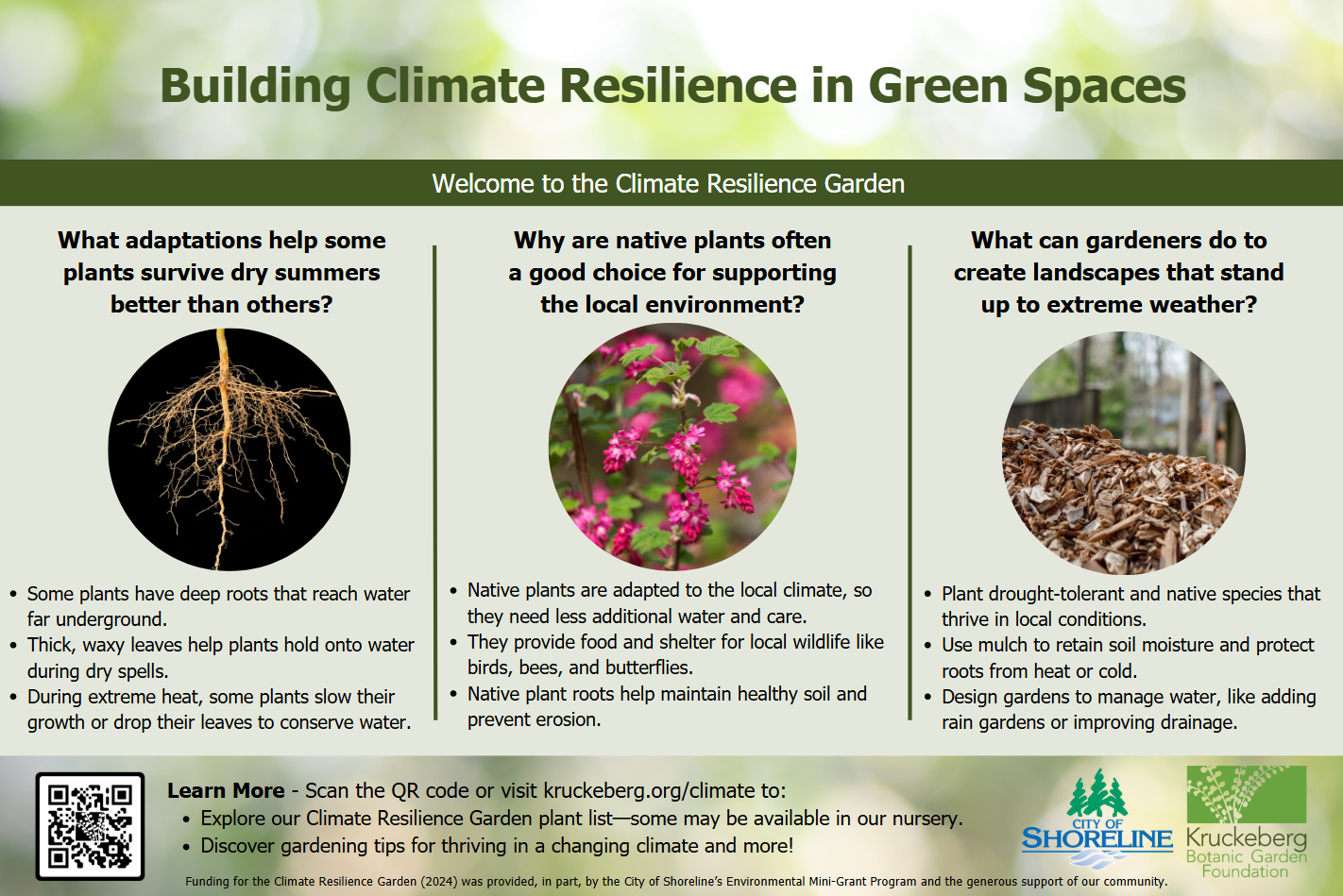
Fifteen climate-resilient natives
These fifteen plants handle shifting weather patterns while supporting local wildlife. While these are broadly successful, your local native plant society can provide specific data for your county's soil and microclimate.
1. New England Aster (Symphyotrichum novae-angliae): This perennial thrives in full sun and moist soil. It’s incredibly attractive to bees and butterflies, even late into the fall when other flowers are fading. Its climate resilience comes from its ability to tolerate both drought and wet conditions. I've seen it flourishing in challenging urban environments.
2. Butterfly Milkweed (Asclepias tuberosa): A crucial host plant for monarch butterflies, this perennial prefers full sun and well-drained soil. It's also drought-tolerant, making it a great choice for drier regions. Beyond monarchs, it attracts a variety of other pollinators.
3. Oak Trees (Quercus spp.): Oaks are keystone species, supporting a vast array of wildlife. Different oak species have different preferences, but most require full sun and well-drained soil. They are remarkably resilient to climate change, with many species being drought-tolerant and able to withstand temperature fluctuations. White oak (Quercus alba) is a particularly good choice for its adaptability.
4. Serviceberry (Amelanchier spp.): This small tree or shrub offers beautiful spring flowers, edible berries for birds and humans, and vibrant fall color. It prefers moist, well-drained soil and partial to full sun. It's quite adaptable, though, and can handle a range of conditions.
5. Wild Bergamot (Monarda fistulosa): A fragrant perennial that attracts bees, butterflies, and hummingbirds. It thrives in full sun to partial shade and prefers moist soil but is surprisingly drought-tolerant once established. It's also known for its medicinal properties.
6. Little Bluestem (Schizachyrium scoparium): A beautiful native grass that provides food and shelter for birds and insects. It’s extremely drought-tolerant and can even thrive in poor soils. Its reddish-bronze fall color adds visual interest to the landscape.
7. Goldenrod (Solidago spp.): Often unfairly blamed for allergies (ragweed is the real culprit!), goldenrod is a vital late-season food source for pollinators. It prefers full sun and well-drained soil. There are many different species, offering a variety of heights and bloom times.
8. Virginia Bluebells (Mertensia virginica): These ephemeral wildflowers bloom in early spring, providing a crucial food source for early-emerging pollinators. They prefer moist, shady conditions. They go dormant in the summer, so plan accordingly.
9. Black-Eyed Susan (Rudbeckia hirta): A cheerful and easy-to-grow perennial that attracts bees and butterflies. It prefers full sun and well-drained soil. It’s also relatively drought-tolerant.
10. Red Osier Dogwood (Cornus sericea): This shrub provides food and shelter for birds and other wildlife. It prefers moist soil and full sun to partial shade. Its bright red stems add winter interest to the garden.
11. Switchgrass (Panicum virgatum): Another excellent native grass that provides habitat for birds and insects. It's highly drought-tolerant and can help prevent soil erosion. It’s a good choice for rain gardens or areas with poor drainage.
12. Bee Balm (Monarda spp.): Similar to Wild Bergamot, Bee Balm is a magnet for hummingbirds and bees. It prefers moist, well-drained soil and full sun to partial shade. There are many cultivars available in different colors.
13. Pawpaw (Asimina triloba): This small tree produces delicious, custard-like fruit that's enjoyed by both people and wildlife. It prefers partial shade and moist, well-drained soil. It’s a bit finicky to grow, but well worth the effort.
14. American Beautyberry (Callicarpa americana): This shrub produces clusters of bright purple berries that attract birds. It prefers full sun to partial shade and moist, well-drained soil. It’s a beautiful addition to any garden.
15. Purple Coneflower (Echinacea purpurea): A popular and easy-to-grow perennial that attracts bees, butterflies, and birds. It prefers full sun and well-drained soil. It's also known for its medicinal properties.
2026's Top 15 Native Plants for Climate-Resilient Wildlife Habitats
| Common Name | Scientific Name | Sun Exposure | Water Needs | Key Wildlife Supported | Climate Resilience Notes |
|---|---|---|---|---|---|
| Black-Eyed Susan | Rudbeckia hirta | Full Sun | Medium | Bees, Butterflies, Birds (Goldfinches) | Tolerates a range of soil conditions and is drought-tolerant once established. |
| Purple Coneflower | Echinacea purpurea | Full Sun to Partial Shade | Medium | Bees, Butterflies, Birds | Adaptable to various climates and supports a wide range of pollinators. |
| Milkweed (Common) | Asclepias syriaca | Full Sun | Medium to High | Monarch Butterflies, other pollinators | Essential host plant for Monarchs; drought-tolerant. |
| Wild Bergamot | Monarda fistulosa | Full Sun to Partial Shade | Medium | Bees, Hummingbirds, Butterflies | Attracts beneficial insects and is relatively deer-resistant. |
| New England Aster | Symphyotrichum novae-angliae | Full Sun | Medium to High | Late-season pollinators, Birds | Provides late-season nectar source when other plants are finished blooming. |
| Blue Flag Iris | Iris versicolor | Full Sun to Partial Shade | Wet to Moist | Bees, Hummingbirds | Thrives in damp conditions and adds vibrant color. |
| Oak Trees (various species) | Quercus spp. | Full Sun | Medium | Birds, Mammals, Insects | Long-lived trees providing substantial habitat and food sources; generally resilient to climate fluctuations. |
| Serviceberry | Amelanchier arborea | Full Sun to Partial Shade | Medium | Birds, Bees | Provides early spring blooms and edible berries for wildlife and people. |
Illustrative comparison based on the article research brief. Verify current pricing, limits, and product details in the official docs before relying on it.
Gardening for drought and flood
Climate change is bringing more frequent and intense periods of both drought and flooding. A water-wise garden is designed to cope with both extremes. Choosing drought-tolerant native plants is a crucial first step, but it’s not enough. We need to also think about how we manage water on our properties.
Techniques like rain gardens and swales can help capture and infiltrate rainwater, reducing runoff and replenishing groundwater supplies. A rain garden is a shallow depression planted with native plants that can tolerate both wet and dry conditions. Swales are gently sloped channels that slow down water flow and allow it to soak into the ground. Both are effective ways to manage stormwater and create habitat.
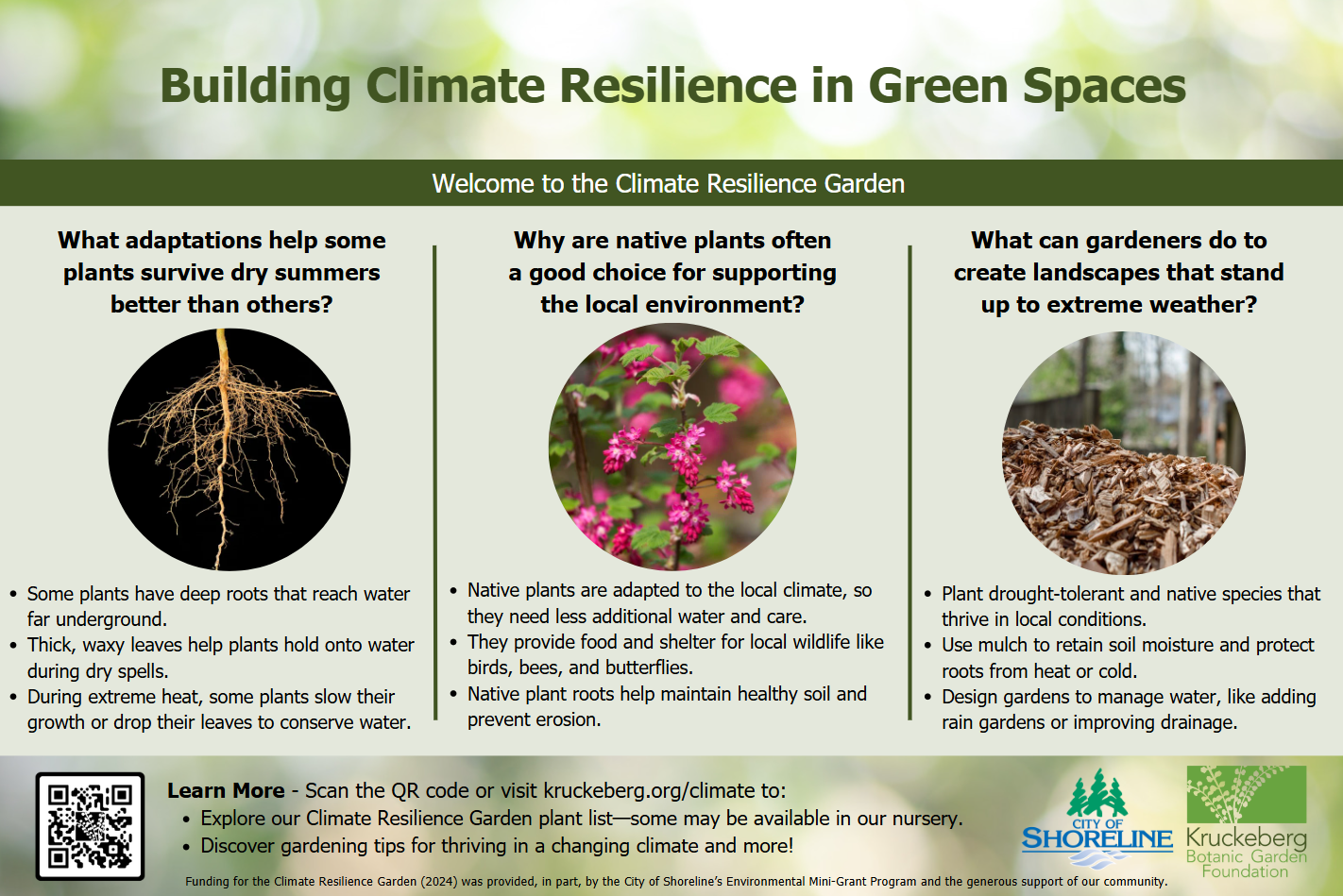
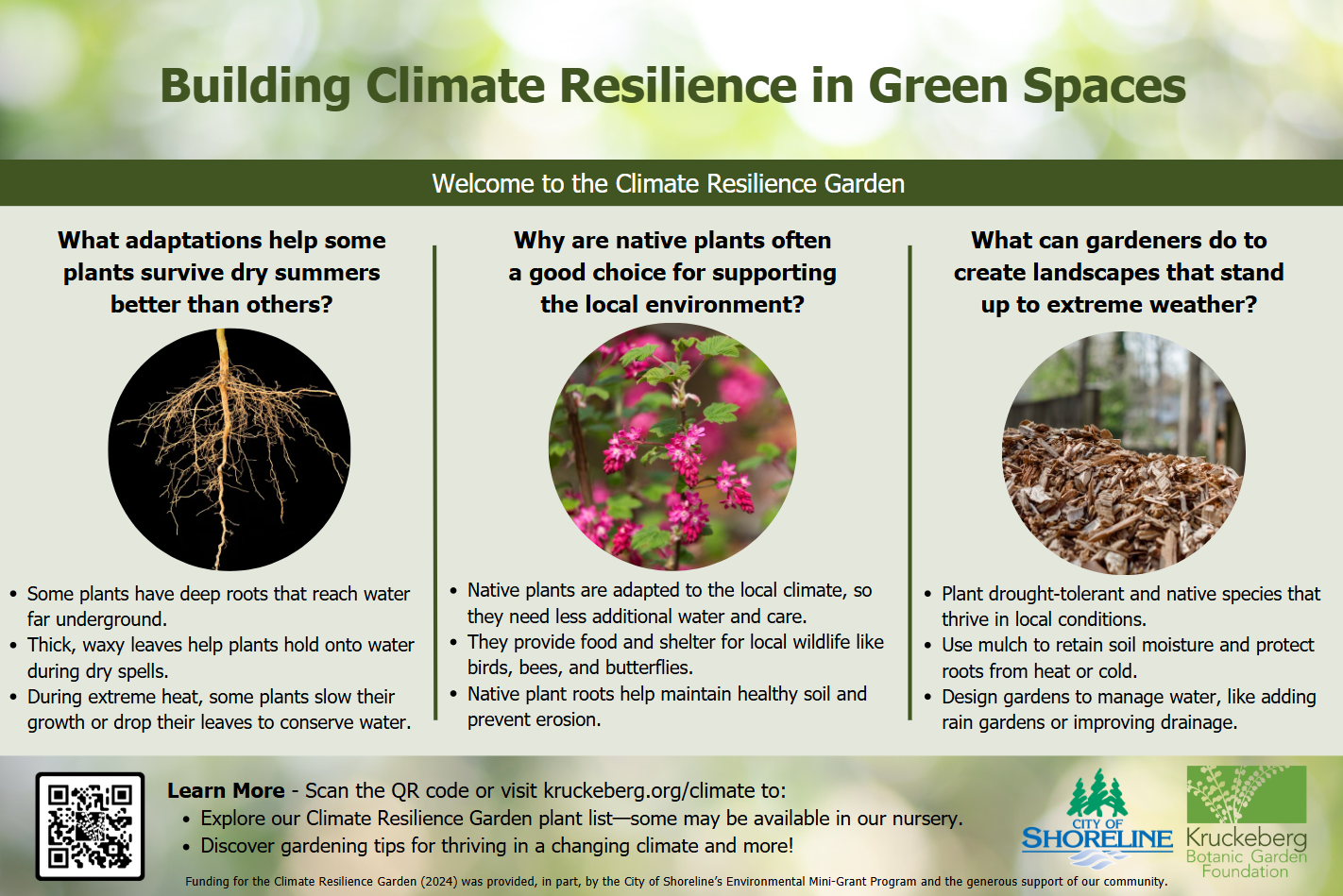
Deep roots are essential. Species like little bluestem and switchgrass reach far into the soil, which helps with water infiltration and prevents erosion during heavy rain. These roots also keep the plants alive during long dry spells.
I recently spoke with a homeowner in Texas who successfully implemented a rain garden system. They saw a significant reduction in stormwater runoff and a noticeable increase in bird and insect activity. They used a mix of native wildflowers, grasses, and shrubs, and the garden thrived even during a prolonged drought.
Essential Products for a Thriving Native Plant Wildlife Habitat

Contains 18 varieties of non-GMO wildflower seeds · Designed to attract pollinators · Bulk bag for large garden areas
This seed mix provides a diverse floral resource to support a wide range of pollinators, crucial for a resilient ecosystem.
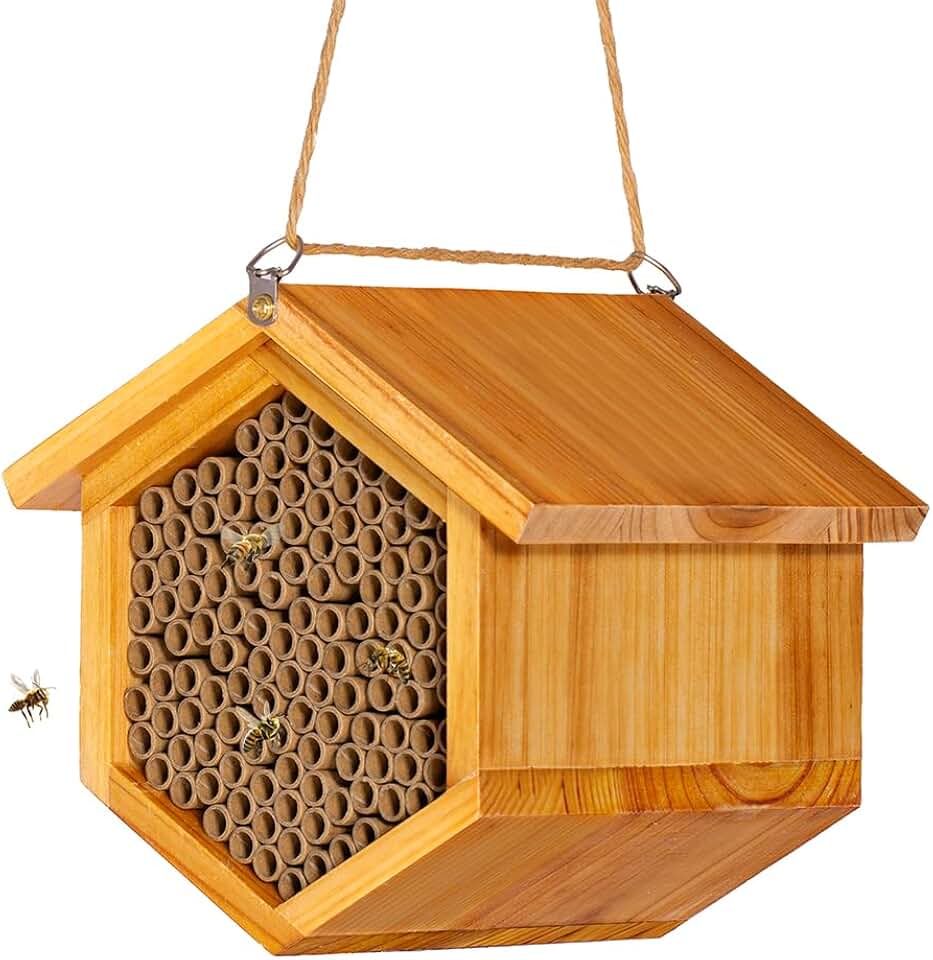
Handmade wooden construction · Wax-coated for waterproofing · Provides shelter for solitary mason bees
Offers essential nesting sites for mason bees, vital native pollinators that are highly effective in gardens.

Concentrated formula makes 104 oz of nectar · Specifically designed for butterflies · Easy to mix and use
Provides a readily available food source for butterflies, helping to attract and sustain them in your garden.
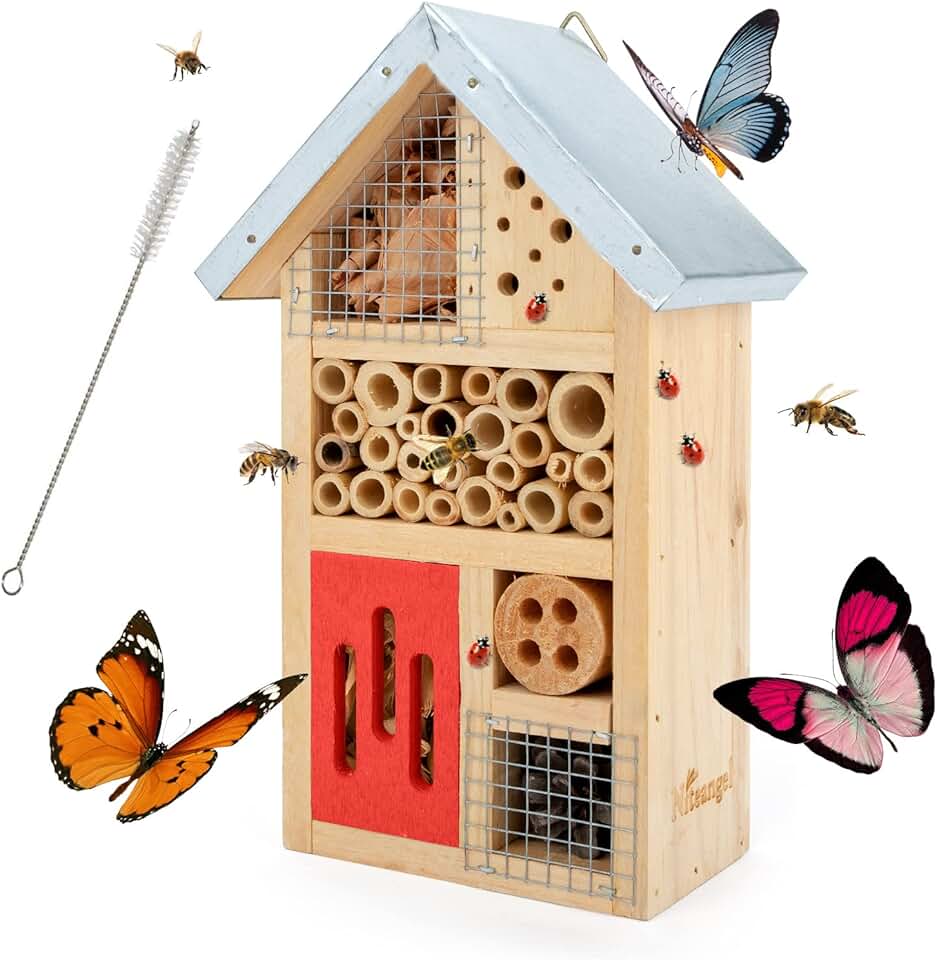
Natural wooden construction · Offers shelter for various beneficial insects · Includes compartments for different insect species
This insect hotel provides safe havens for beneficial insects like ladybugs and lacewings, which help control garden pests naturally.
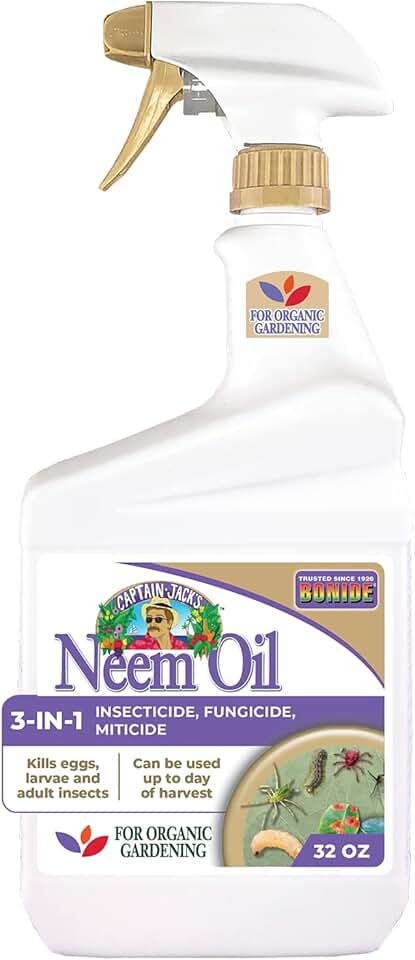
Ready-to-use spray · Effective against fungi, insects, and mites · Suitable for organic gardening
A natural, multi-purpose solution to manage common garden pests and diseases without harming beneficial insects or the environment.
As an Amazon Associate I earn from qualifying purchases. Prices may vary.
Expanding the habitat
A truly resilient habitat supports a diverse range of wildlife, not just pollinators. Birds, small mammals, amphibians, and reptiles all play important roles in the ecosystem. To attract and support these creatures, we need to provide them with food, water, shelter, and nesting sites.
Native plants are the foundation of a bird-friendly garden. They provide seeds, berries, and insects that birds rely on for food. Different plants attract different bird species, so a varied planting scheme is essential. Shrubs and trees provide shelter from the elements and predators, while trees with cavities provide nesting sites.
Providing a source of fresh water is also crucial. A birdbath, a small pond, or even a shallow dish of water can make a big difference. Amphibians and reptiles also need access to water. Leaving some areas of your garden "wild" – allowing leaf litter to accumulate and avoiding excessive pruning – can provide valuable habitat for these creatures.
Consider building a brush pile or leaving a dead tree standing (if it’s safe to do so). These provide shelter and nesting sites for a variety of animals. Remember that a healthy ecosystem is a balanced ecosystem, and every creature plays a role.
Local variations
The best native plants for your garden will vary depending on your region. What thrives in the Southeast won’t necessarily thrive in the Pacific Northwest. It’s important to do your research and choose plants that are adapted to your local climate and soil conditions.
A great place to start is with your local native plant society. These organizations are a wealth of knowledge and can provide tailored recommendations for your area. They often host plant sales and workshops, and they can connect you with other gardeners who are passionate about native plants. You can often find local societies through a quick online search.
The U.S. Fish and Wildlife Service also offers regional native plant lists (fws.gov/nativeplantlist). These lists are a good starting point, but it’s always best to consult with local experts to ensure you’re making the right choices. Remember, the goal is to create a habitat that supports the specific wildlife in your area.
Don't be afraid to experiment, but always prioritize plants that are truly native to your region. Avoid cultivars or hybrids, as they may not provide the same benefits to wildlife as the original species.
Plants Worth a Closer Look: Standouts for 2026
From the original list, a few plants stand out as particularly promising for climate resilience and overall ecosystem benefit. Switchgrass (Panicum virgatum) is a champion of adaptation. Its deep root system makes it incredibly drought-tolerant and helps prevent soil erosion. It also provides excellent habitat for birds and insects, and its seed heads offer winter interest.
Oak trees (Quercus spp.) remain a cornerstone of any resilient landscape. Their ability to withstand a wide range of conditions, coupled with their importance to wildlife, makes them an invaluable addition to any garden. Consider planting a variety of oak species to increase biodiversity.
Finally, Wild Bergamot (Monarda fistulosa) is a powerhouse pollinator attractant. Its ability to thrive in a variety of conditions, its long bloom time, and its medicinal properties make it a truly versatile plant. It's a relatively easy plant to grow, even for beginner gardeners. These three plants, when combined, create a powerful foundation for a thriving, climate-resilient habitat.
What is your biggest challenge when trying to create a climate-resilient wildlife habitat in your backyard?
We want to help you build a thriving, wildlife-friendly garden with native plants. Let us know what stands in your way so we can address it in future content. Vote below!
No comments yet. Be the first to share your thoughts!