

Map your garden's existing conditions
Before introducing new native plants, you need a clear picture of your current site. This baseline assessment prevents wasted effort by matching plant choices to the light, soil, and water conditions that already exist. Start by drawing a simple base plan of your garden plot. Mark the boundaries, existing structures, and any mature vegetation you intend to keep.
Identify which plants are already native to your area. Native species are adapted to local conditions and typically require less maintenance than non-native alternatives. If your current plants are invasive or non-native, note them for potential removal or replacement later in the process.
Next, evaluate the physical environment. Observe how sunlight moves across your space throughout the day to identify full sun, partial shade, and full shade zones. Test your soil texture and drainage by digging a small hole and filling it with water; if it drains slowly, you may have clay-heavy soil. Understanding these constraints ensures your wildlife-friendly garden thrives without constant intervention.
Plant native species for local pollinators
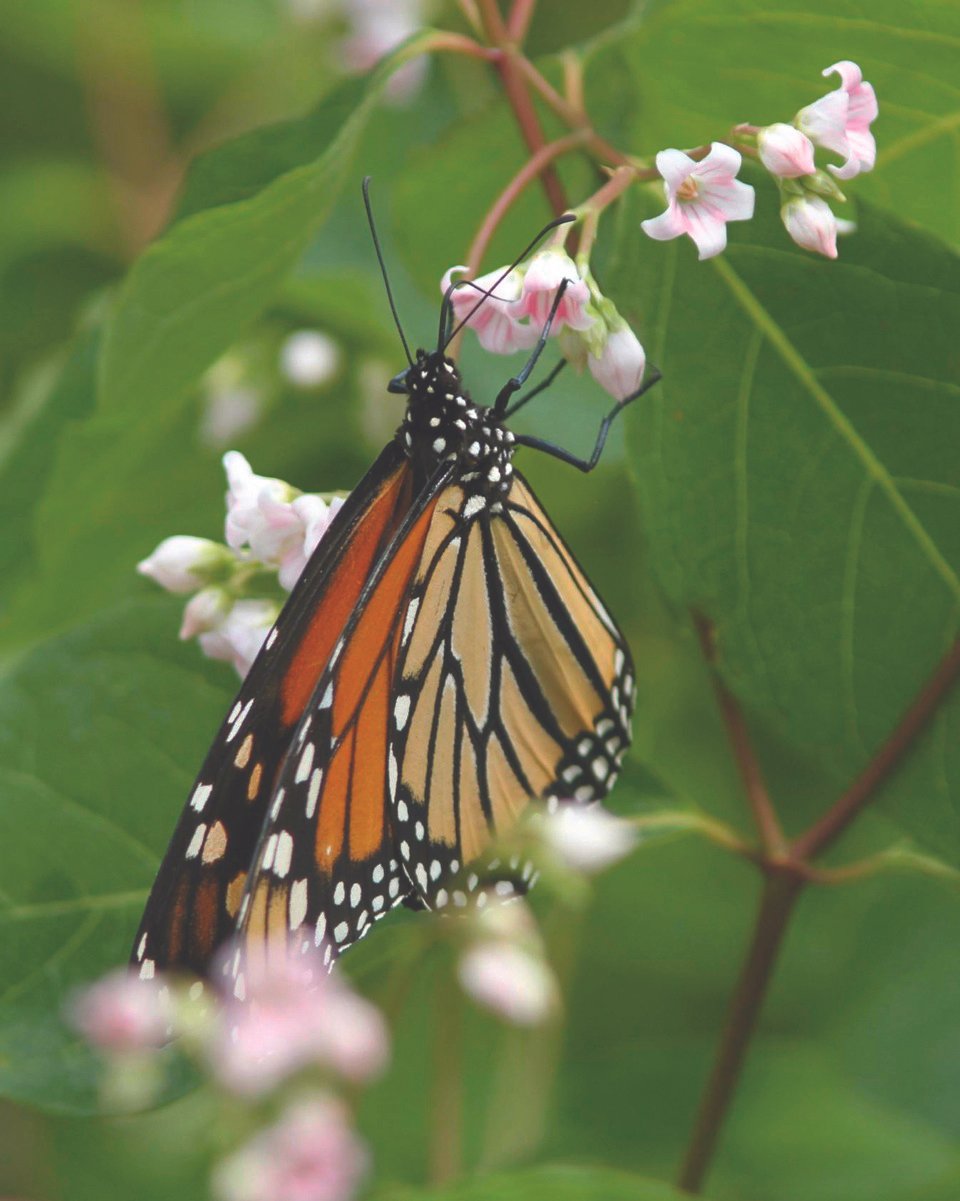
Building a wildlife-friendly garden starts with choosing plants that evolved alongside your local insects. Native flora provides the specific nectar, pollen, and leaf tissue that local pollinators need to survive. Unlike exotic ornamentals, which often act as "green deserts" with little nutritional value, native plants support the full lifecycle of bees, butterflies, and moths.
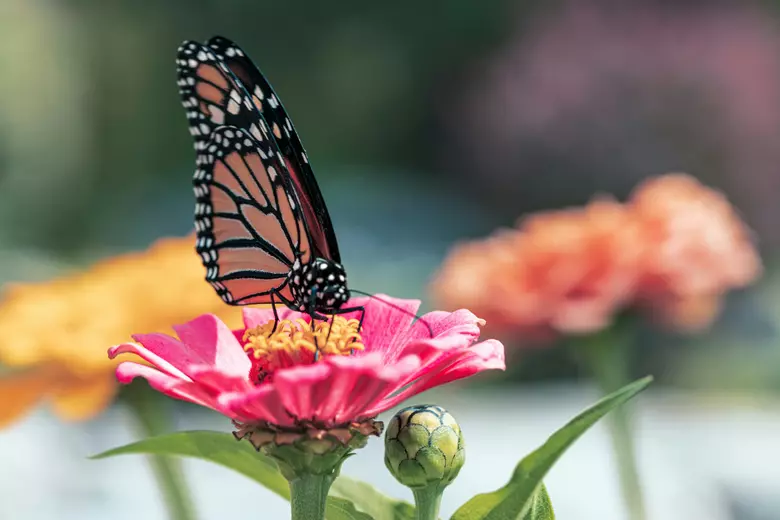
Start by identifying which pollinators visit your area. Different insects prefer different flower shapes and colors. For example, long-tongued native bees often favor tubular flowers, while butterflies may prefer flat, open blooms. Consulting a local native plant society or extension office can help you match specific species to the pollinators you want to attract.
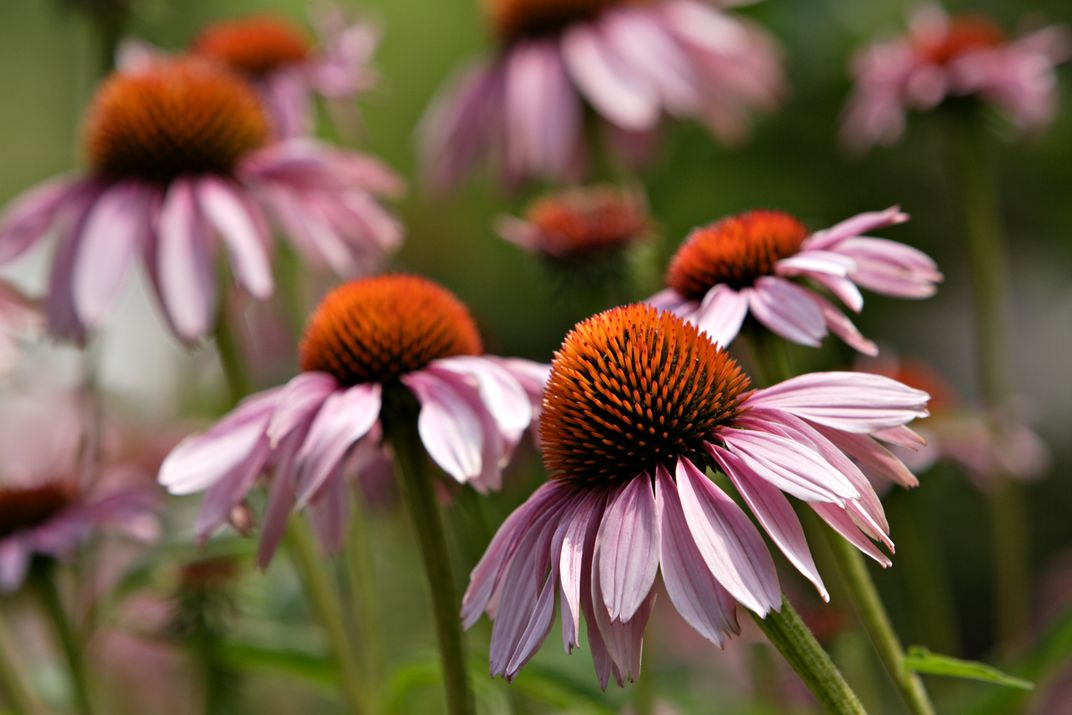
Before buying plants, assess your soil type, sun exposure, and moisture levels. Most native species have specific requirements. A sunny, dry slope won’t support moisture-loving ferns, just as a shady, wet corner won’t thrive with sun-loving coneflowers. Grouping plants with similar needs simplifies maintenance and ensures they establish quickly.
Choose plants native to your specific region, not just your country. Plants from the same biome are adapted to your local climate and pests. Look for species that bloom in succession—spring, summer, and fall—to provide continuous food sources. Include a mix of perennials, shrubs, and trees to create structural diversity.
Avoid garden center plants labeled as "native" without verification, as they are sometimes hybridized or sourced from distant regions. Seek out specialized native plant nurseries or local conservation groups. These sources ensure the plants are genetically appropriate for your area and have not been treated with systemic pesticides harmful to pollinators.
Dig holes twice as wide as the root ball but no deeper. Gently loosen tight roots to encourage outward growth. Place the plant so the top of the root ball is level with the soil surface. Water thoroughly immediately after planting to settle the soil and eliminate air pockets.
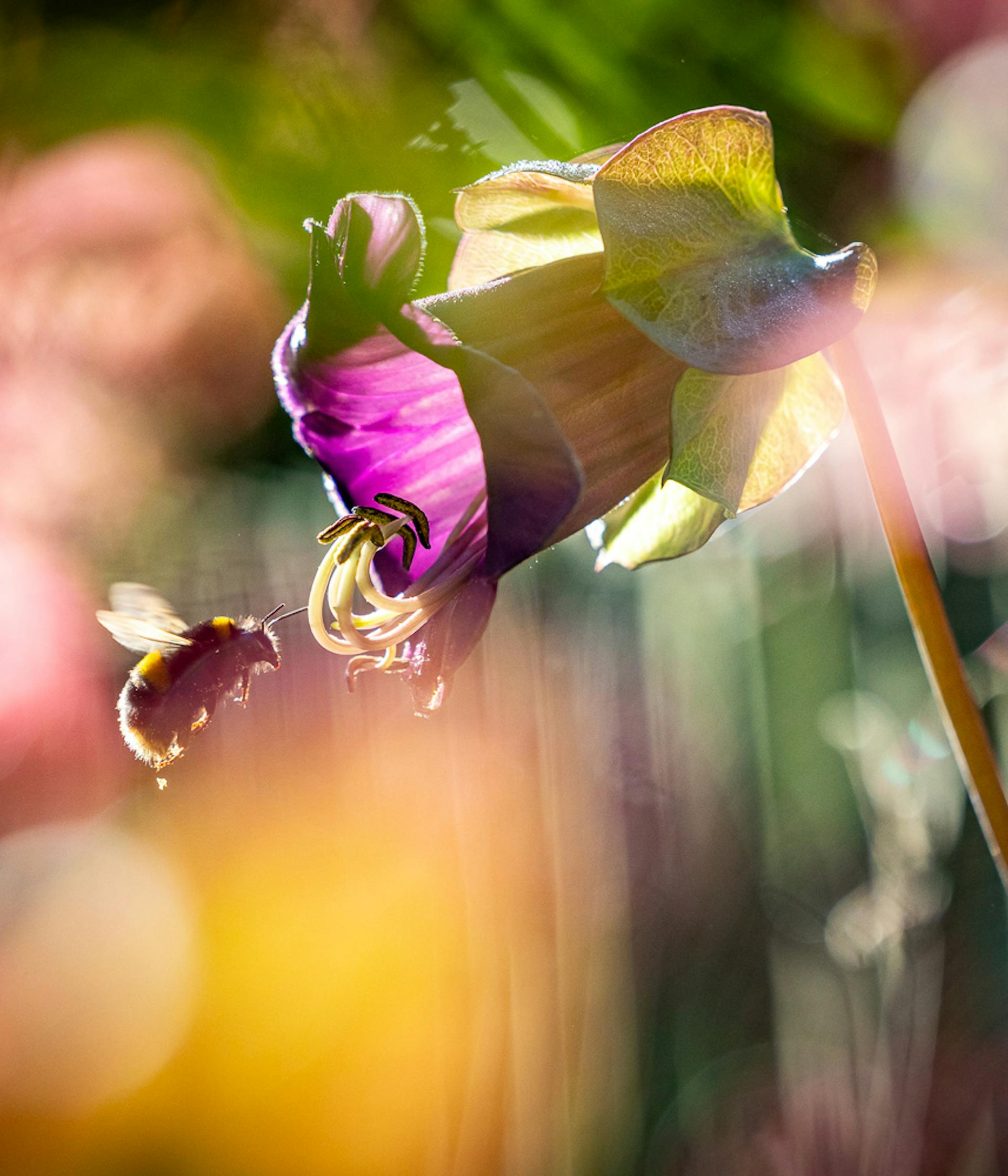
Avoid synthetic pesticides and herbicides, which kill the very pollinators you are trying to attract. Use organic mulch to suppress weeds and retain moisture. Leave some leaf litter and bare soil patches in the fall; many native bees nest in the ground or in hollow stems, and these habitats are essential for their overwintering survival.
Planting native species is an investment in your local ecosystem. By providing the right food and shelter, you help sustain the pollinators that keep our broader environment healthy. The effort required to select and plant natives pays off in a vibrant, self-sustaining garden that supports life year-round.
Add water sources and shelter structures
Plants provide food, but wildlife needs hydration and protection to survive. Adding simple water features and shelter structures turns your garden into a complete habitat. These non-plant elements support a broader range of species, from pollinators to small mammals, making your wildlife-friendly garden truly functional.
Install a shallow water source
Birds, bees, and butterflies need reliable water. A shallow bird bath or a simple stone-filled saucer works best. Keep the water shallow—no deeper than one inch—so insects and small birds can wade safely. Place rocks or pebbles in the basin to give thirsty bees a dry landing spot. Clean the water weekly to prevent mosquitoes and algae. Position the water source near cover, like shrubs or trees, so animals can escape quickly if predators approach.
Build insect hotels and log piles
Solitary bees and other beneficial insects need places to nest and overwinter. Build a bug hotel using untreated wood, bamboo tubes, or drilled logs. Stack these structures in a sunny, dry spot protected from heavy rain. Alternatively, leave a pile of dead leaves or logs in a quiet corner of the yard. This leaf litter provides essential shelter for hedgehogs, frogs, and ground-nesting bees during cold months. Avoid cleaning up all garden debris in autumn; let nature take its course.
Avoid Pesticides and Manage Lawn Areas
Chemicals and manicured grass are the two biggest barriers to a thriving wildlife-friendly garden. Pesticides don’t just target pests; they strip the food web that birds and beneficial insects rely on. Lawn areas, while visually tidy, often act as ecological deserts, offering little shelter or nutrition compared to native ground cover.
Ditch the Chemicals
Stop using synthetic herbicides, insecticides, and fungicides. These broad-spectrum chemicals kill the very creatures you want to attract. Instead, accept a few chewed leaves as part of the ecosystem’s natural balance. If an infestation threatens your plants, try manual removal or introduce natural predators like ladybugs or lacewings.
Warning: Neonicotinoids are particularly harmful to bee populations, causing disorientation and colony collapse. Avoid any soil treatments or seed coatings containing these chemicals.
Rethink the Lawn
You don’t need to replace your entire yard with wildflowers overnight. Start by letting a patch of lawn grow long. Tall grass provides crucial shelter for small mammals and ground-nesting bees. You can also transition small sections into native meadow mixes, which require less water and mowing than traditional turf.
Steps to Transition
Walk your garden and mark spots where pests are most active or where grass is thin and bare. These are your priority zones for intervention.
Stop all chemical applications immediately. Allow the soil to rest for at least one growing season to let microbial life recover before planting.
Plant native ground covers like clover or creeping thyme in high-traffic areas. These plants suppress weeds naturally and support pollinators.
Mow less frequently. Leave a section of your yard unmowed for at least four weeks to allow clover, dandelions, and grasses to seed and provide habitat.
Observe which plants thrive and which pests return. Adjust your watering and planting density based on what the local wildlife seems to prefer.
By removing chemical barriers and embracing a more natural lawn structure, you create a safe haven for local fauna. This shift requires patience, but the result is a garden that sustains itself and supports biodiversity.
Maintain your wildlife-friendly garden through seasons
A wildlife-friendly garden requires different tasks depending on the time of year. Adjust your routine to support the specific needs of local pollinators, birds, and small mammals as the weather changes.
Spring: Clean up and prepare
Remove only dead foliage from perennials, leaving hollow stems intact for solitary bees nesting inside. This provides crucial shelter until temperatures warm enough for them to emerge. Compost kitchen scraps and leaf litter to build rich soil that supports deep root systems for native plants.
Summer: Water and monitor
Water newly planted natives deeply but infrequently to encourage drought-resistant roots. Check for invasive weeds that compete with native species for nutrients. Allow some areas of grass to grow longer, providing cover for ground-nesting bees and small insects.
Autumn: Leave the leaves
Do not rake all leaves into the bin. Pile them in quiet corners of the garden to overwinter as habitat for butterflies, moths, and beneficial insects. Cut back flowering stems only after they have gone to seed, leaving food sources for birds through the winter.
Winter: Protect and observe
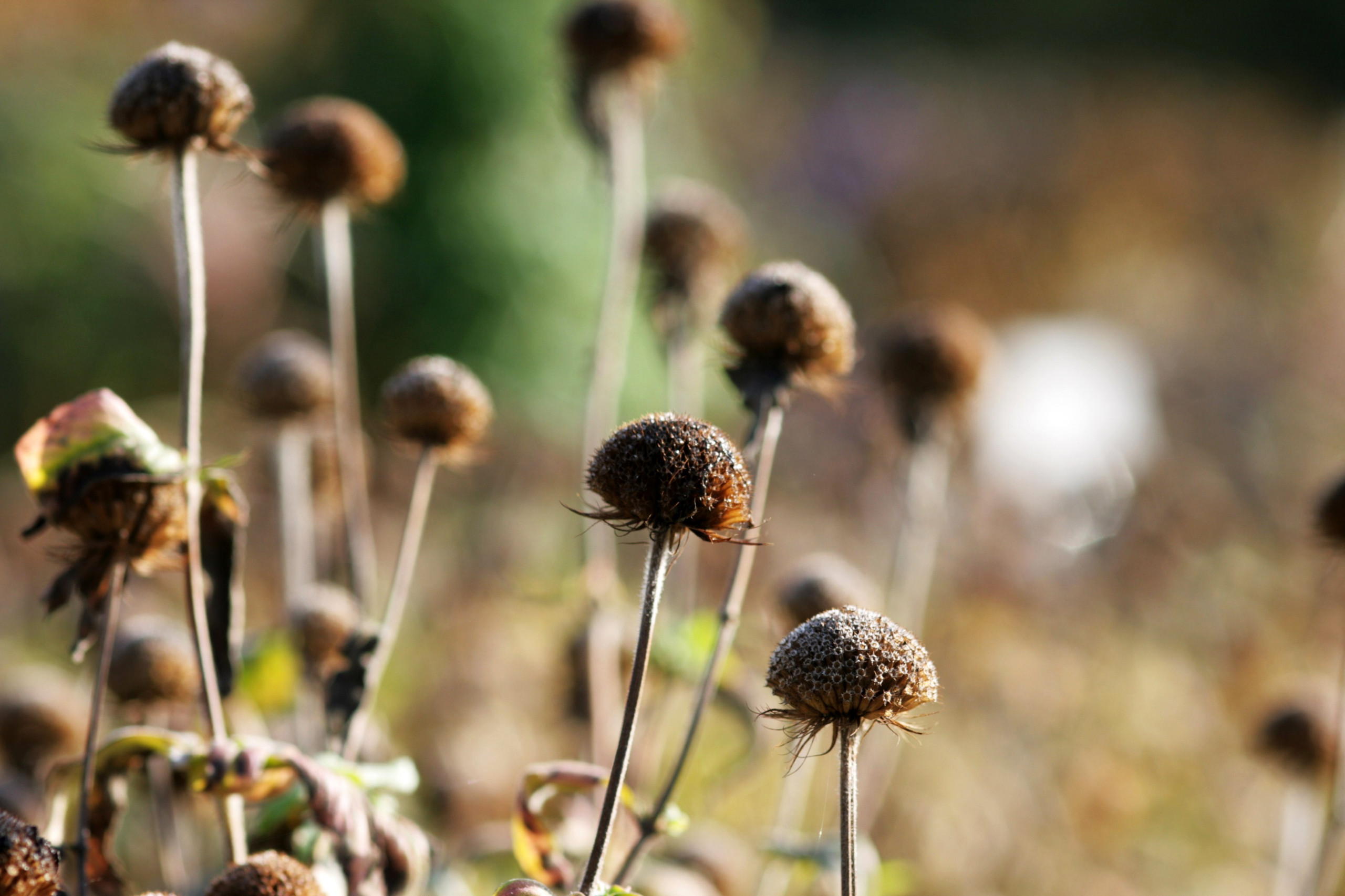
Leave seed heads on coneflowers and sunflowers for finches and sparrows. Place bird feeders away from shrubs to prevent predators from ambushing visiting birds. Avoid treating soil with chemicals that can harm dormant insects or contaminate groundwater.
-
Leave hollow stems standing for solitary bees
-
Compost kitchen scraps and leaf litter
-
Water natives deeply but infrequently in summer
-
Let grass grow longer for ground-nesting bees
-
Leave leaves in quiet corners for overwintering insects
-
Cut back stems after seed set for bird food
-
Leave seed heads for winter bird foraging
-
Place feeders away from shrub cover
Common questions about wildlife gardening
Building a wildlife-friendly garden with native plants is less about strict rules and more about providing the basics: food, water, and shelter. Many gardeners worry that attracting wildlife means losing control of their landscape, but a well-planned native garden is both structured and vibrant.
Do I need a huge yard to start?
No. Even a small patio or balcony can support pollinators. Container gardening with native species like coneflowers or milkweed provides essential nectar for bees and butterflies. The key is density; clustering plants together makes a bigger impact than scattering them across a large, empty lawn.
How much maintenance does a native garden require?
Native plants are adapted to your local climate, meaning they generally need less water and no fertilizer once established. However, they do require seasonal attention. Leave leaf litter and standing stems over winter to provide habitat for overwintering insects and birds. Cut back perennials in early spring before new growth emerges.
What if I don’t see any wildlife immediately?
Wildlife gardens attract visitors gradually. Start by planting a variety of native species that bloom at different times of the year to ensure a continuous food supply. Adding a simple water source, like a shallow birdbath with stones for landing, can accelerate visits from birds and beneficial insects.
No comments yet. Be the first to share your thoughts!