
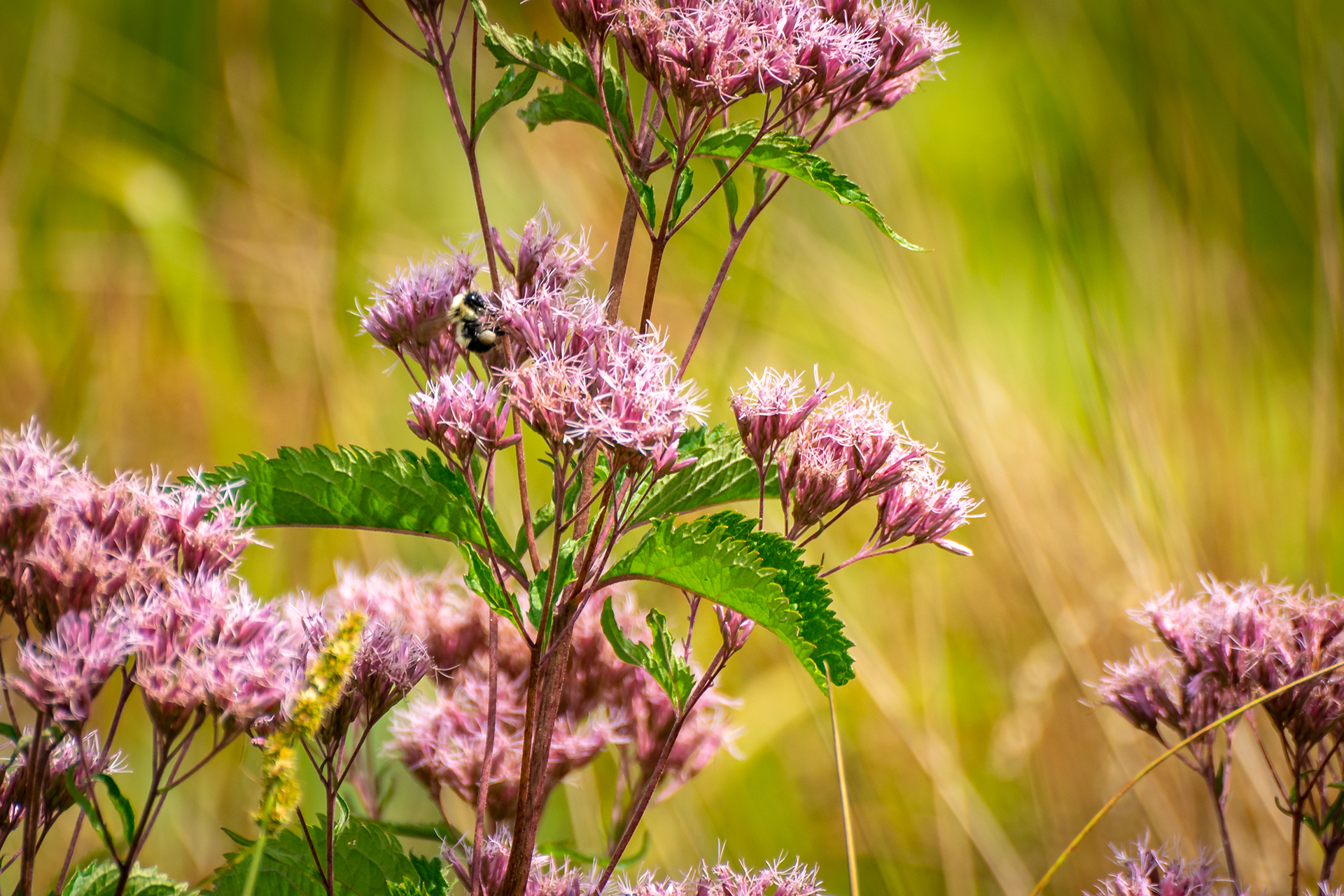

Why native plants matter for sustainable gardening
Sustainable gardening isn't just a buzzword; it's a practical approach to growing a landscape that works with local ecosystems rather than against them. At its core, this method mimics natural ecological processes, focusing on nutrient cycling, water retention, and biodiversity. By choosing native plants, you are essentially hiring species that have already solved the problem of surviving in your specific climate. They evolved here, which means they are adapted to local rainfall patterns and soil conditions without needing constant human intervention.
The most immediate benefit is water conservation. Non-native ornamental plants often require deep, frequent watering to thrive, draining resources and increasing runoff. Native species, however, develop deep root systems that capture rainwater efficiently and reduce erosion. Once established, many natives need little to no supplemental irrigation, turning your garden into a water-saving asset rather than a liability. This aligns perfectly with sustainable gardening principles by reducing the carbon footprint associated with pumping and transporting water.
Beyond water, native plants support soil health and local wildlife. They provide essential habitat and food sources for pollinators, birds, and beneficial insects that non-native species often fail to attract. This creates a self-sustaining ecosystem where pests are naturally controlled, reducing the need for chemical fertilizers and pesticides. The result is a garden that is not only beautiful but also resilient and low-maintenance.
To get started, you'll need the right seeds, saplings, and tools. Selecting the correct native species for your zone is the first step toward a thriving, sustainable garden.
Top perennials for attracting pollinators
Building a wildlife-friendly garden starts with the right foundation. Native perennials are the backbone of sustainable gardening because they have evolved alongside local bees, butterflies, and hummingbirds. These plants require less water and fertilizer than non-native ornamentals, creating a resilient ecosystem that supports biodiversity year after year. By selecting species that bloom at different times, you ensure a continuous food source for pollinators from early spring through late fall.
Coneflower (Echinacea)
Coneflowers are a staple in sustainable gardening due to their striking appearance and high nectar production. Their flat, open centers provide an easy landing pad for bees and butterflies, while the seed heads left in winter offer food for goldfinches. These tough perennials thrive in full sun and well-drained soil, making them a low-maintenance choice for gardeners looking to support local wildlife without constant upkeep.
Bee Balm (Monarda)
Bee balm is a magnet for hummingbirds and bumblebees, thanks to its tubular flowers that are perfectly shaped for long tongues. This perennial prefers moist soil and partial shade, making it an excellent filler for the back or middle of a perennial border. Its aromatic foliage also deters some pests naturally, reducing the need for chemical interventions in your sustainable garden.
Milkweed (Asclepias)
Milkweed is the essential host plant for monarch butterflies, making it a critical component of any wildlife-focused garden. Different species of milkweed adapt to various climates, from the wetlands to dry prairies. Planting native milkweed ensures that monarchs have the specific leaves they need to lay their eggs and for caterpillars to feed on, directly supporting the survival of these iconic pollinators.
Lupine (Lupinus)
Lupines add vertical interest with their tall spikes of blue, purple, or pink flowers. They are particularly attractive to bumblebees, which are strong enough to force open the flower's complex structure to reach nectar. These perennials prefer acidic soil and full sun, and they help fix nitrogen in the ground, naturally improving soil health for neighboring plants.
Where to buy native perennial seeds and starters
Starting your wildlife garden with high-quality native plants ensures better survival rates and faster establishment. The products below feature verified native species from reputable nurseries, ready to ship to your door. Look for seeds labeled "native" to your specific region, as local ecotypes are adapted to your climate and soil conditions.


As an Amazon Associate, we may earn from qualifying purchases.
Shrubs and trees for bird-friendly habitats
Native shrubs and small trees form the structural backbone of a sustainable garden, offering essential food and shelter that pollinator-focused plants alone cannot provide. While flowers attract bees and butterflies, woody perennials create the vertical layers necessary for a complete ecosystem. These plants produce berries, seeds, and nuts that sustain birds through winter, while their dense branches offer critical nesting sites and protection from predators.
Choosing the right species depends on your region, but focusing on native varieties ensures that local birds have evolved alongside these food sources. For instance, dogwoods and serviceberries provide early spring blooms and summer berries, while oak trees support hundreds of caterpillar species that feed baby birds. Integrating these plants into your landscape transforms a simple garden into a resilient habitat that requires less maintenance and supports biodiversity year-round.
To help you get started, we’ve curated a selection of popular native shrub and tree saplings available for purchase. These options are widely recommended for their ability to attract birds and thrive in various garden conditions. Look for species specific to your USDA hardiness zone to ensure the best survival rates and ecological impact.


As an Amazon Associate, we may earn from qualifying purchases.
Choose plants for your local zone
Selecting the right native species starts with understanding your USDA hardiness zone and soil type. Sustainable gardening relies on plants that are already adapted to your local climate, reducing the need for watering, fertilizers, and pesticides. When you match plants to your specific zone, you ensure they survive winter freezes and thrive in summer heat without extra help.
Start by identifying your zone using the USDA Plant Hardiness Zone Map. This number tells you the average minimum winter temperature in your area. Next, test your soil. Is it sandy, clay, or loam? Does it stay wet or drain quickly? These factors determine which native species will flourish. For example, milkweed thrives in well-drained soil, while sedges prefer moist conditions.
When shopping for seeds or saplings, look for local nurseries that specialize in native plants. They often carry varieties proven to work in your specific region. Avoid big-box stores that stock generic "native" mixes, which may include non-local ecotypes that don't support local wildlife effectively.
Essential tools for planting natives
Having the right tools makes establishing your sustainable garden easier. A good hand trowel helps with digging holes for saplings, while a soil thermometer ensures you plant at the right depth. For seeds, a fine mist sprayer prevents washing away delicate seedlings.

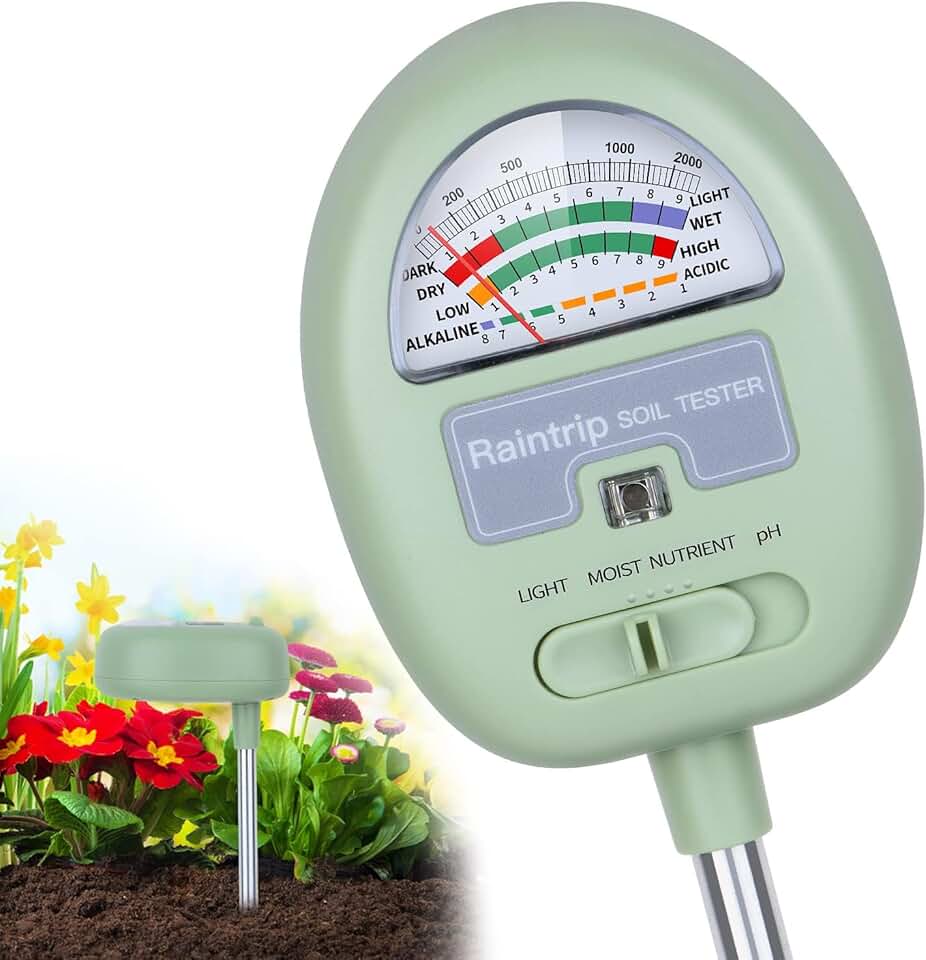

As an Amazon Associate, we may earn from qualifying purchases.
Using these tools correctly helps your native plants establish strong root systems quickly. This reduces transplant shock and ensures your garden becomes a resilient habitat for pollinators and birds right from the start.
Essential tools for maintaining a native garden
Sustainable gardening relies on reducing waste and minimizing chemical inputs. The right tools make it easier to compost organic matter, retain soil moisture, and manage weeds without harming local pollinators or soil structure.
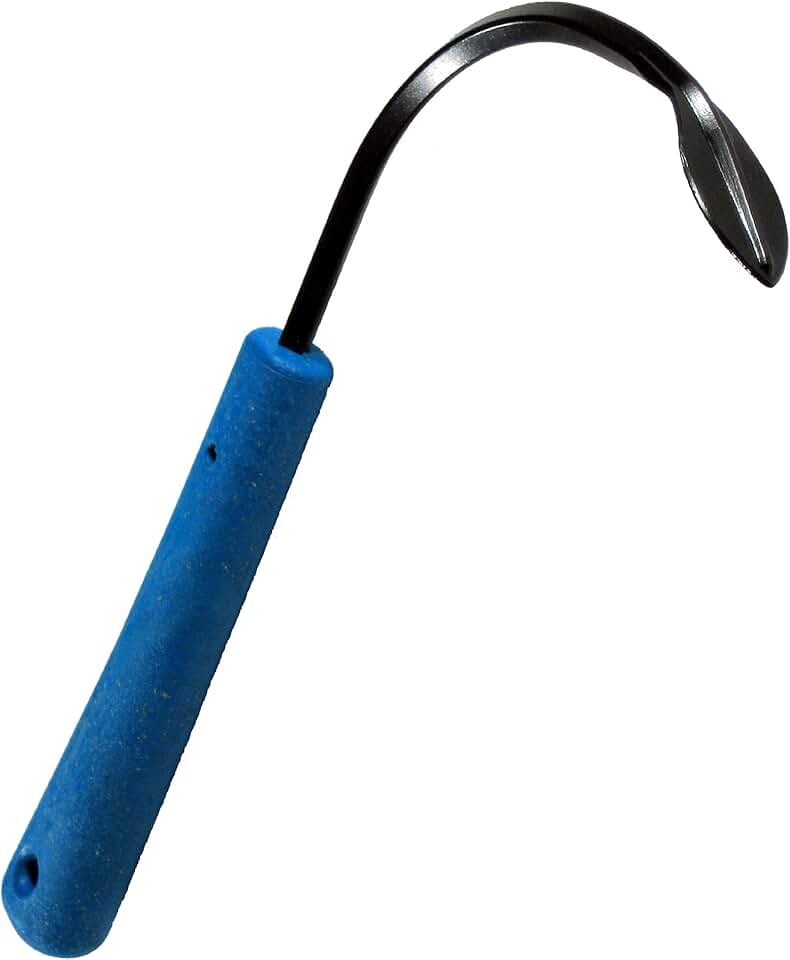
Start with durable hand tools made from recycled steel or sustainably sourced wood. A narrow weeder removes invasive species without disturbing native root systems, while a lightweight cultivator breaks up crusty soil to improve water infiltration. These small instruments reduce physical strain and allow for precise maintenance in dense native plantings.
For larger areas, a manual reel mower cuts grass without fossil fuels or exhaust fumes. Pair this with a compost bin to recycle yard waste into nutrient-rich soil amendments. This closed-loop approach reduces landfill waste and lowers the need for synthetic fertilizers.


As an Amazon Associate, we may earn from qualifying purchases.
Frequently asked questions about native plants
Native plants are the backbone of a sustainable garden, but many gardeners hesitate because they worry about maintenance or invasiveness. The truth is that once established, these plants are far easier to care for than exotic alternatives. They are adapted to your local climate, meaning they require less water, no chemical fertilizers, and minimal pruning.
Are native plants invasive?
Not necessarily. While some native species can spread aggressively, most are well-behaved in a garden setting. It is important to choose species that are native to your specific region. Check with your local extension service or native plant society to ensure your selections won't overwhelm other garden beds.
How long does it take for native plants to establish?
Most perennials need one to two growing seasons to develop deep root systems. During this time, keep the soil moist but not soggy. Once established, they become drought-tolerant and resilient. Annuals may bloom in their first season, providing immediate wildlife support.
Do native plants require special tools or seeds?
You don't need exotic equipment. Standard gardening tools like a hand trowel, pruning shears, and a hose are sufficient. For seeds, look for reputable suppliers that offer region-specific mixes. Using local ecotype seeds ensures the plants are genetically suited to your area's conditions.
No comments yet. Be the first to share your thoughts!