

Monarchs need your help
The monarch butterfly, a familiar and beloved sight in gardens across North America, is facing a significant decline. Populations have plummeted in recent decades, with some estimates showing a loss of over 90% since the 1990s. This isn't simply a matter of losing a beautiful insect; it’s a signal of broader environmental issues that impact us all. Habitat loss, climate change, and the widespread use of pesticides are all contributing factors to this decline.
We often think of conservation as something best left to large organizations, but the truth is, every single one of us can play a part in helping monarchs recover. Creating a monarch-friendly habitat in your own backyard, no matter how small, can provide crucial resources for these incredible creatures. It's about offering them food, shelter, and a safe place to reproduce during their remarkable multi-generational migration.
Building a network of habitats supports these butterflies as they travel thousands of miles. It takes some work, but seeing a caterpillar transform into a butterfly in your own yard makes the effort worth it.
It’s easy to feel overwhelmed by the scale of the problem, but remember that every little bit helps. Even a small patch of milkweed and a few nectar-rich flowers can make a difference. The goal is to create a connected network of habitats, and that starts with individual gardens like yours. Let’s turn our backyards into beacons of hope for the monarch butterfly.
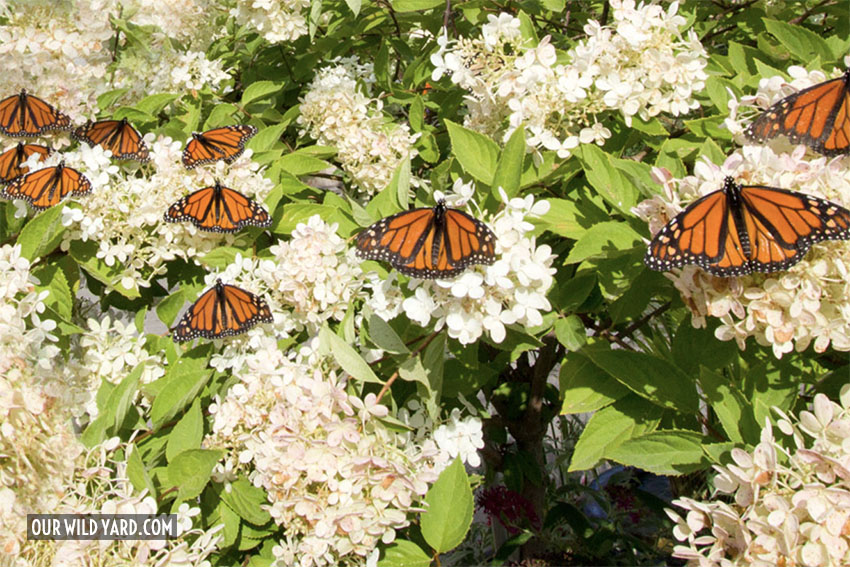
Milkweed is the only option
Milkweed is absolutely essential for monarch butterflies. It’s the only plant that monarch caterpillars will eat. Without milkweed, monarchs simply cannot complete their life cycle. The caterpillars rely on the plant’s cardenolides – chemicals that are toxic to most animals – for protection from predators. They store these toxins in their bodies, making them unpalatable to birds and other insects.
There are over 100 different species of milkweed native to North America, and choosing the right one for your region is crucial. Common milkweed (Asclepias syriaca) is widely distributed, but swamp milkweed (Asclepias incarnata) is a beautiful choice for wetter areas. Butterfly weed (Asclepias tuberosa) offers vibrant orange blooms and prefers drier conditions. Whorled milkweed (Asclepias verticillata) is a good option for smaller gardens, as it has a more compact growth habit.
Growing conditions vary depending on the species. Most milkweeds prefer full sun, but some can tolerate partial shade. They generally thrive in well-drained soil, but swamp milkweed, as the name suggests, requires consistently moist conditions. Common milkweed can be quite aggressive, spreading via rhizomes, so it’s best to give it plenty of space. Butterfly weed is less aggressive but still benefits from room to grow.
Stick to native milkweed rather than nursery cultivars. Cultivars are often bred for looks but produce less nectar, which doesn't help the butterflies. I suggest finding a local nursery that specializes in native plants to ensure you're getting the right seeds.
Here’s a quick guide to a few common milkweed species:
Common Milkweed (Asclepias syriaca): Full sun, adaptable to various soils, can be aggressive.
Swamp Milkweed (Asclepias incarnata): Full sun to partial shade, moist to wet soil.
Butterfly Weed (Asclepias tuberosa): Full sun, well-drained soil, less aggressive.
Whorled Milkweed (Asclepias verticillata): Full sun, well-drained soil, compact growth habit.
- Full Sun (6+ hours of direct sunlight)
- Well-drained soil
- Appropriate moisture levels for the species
- Space to accommodate mature size
Native Milkweed Species for Monarch Butterflies
| Common Name | Scientific Name | Region | Sunlight Needs | Soil Moisture | Bloom Color |
|---|---|---|---|---|---|
| Common Milkweed | Asclepias syriaca | Eastern & Central US | Full Sun | Moist to Dry | Pinkish-Purple |
| Butterfly Weed | Asclepias tuberosa | Eastern & Western US | Full Sun | Well-Drained | Bright Orange |
| Swamp Milkweed | Asclepias incarnata | Eastern & Central US | Full Sun to Partial Shade | Moist to Wet | Pink |
| Whorled Milkweed | Asclepias verticillata | Eastern & Central US | Full Sun | Dry to Medium | White |
| Showy Milkweed | Asclepias speciosa | Western US | Full Sun | Well-Drained | Pinkish-Lavender |
| Narrowleaf Milkweed | Asclepias fascicularis | Western US | Full Sun | Moist | Pale Pink to White |
| Louisiana Milkweed | Asclepias perennis | South Central US | Full Sun | Moist | Pink |
| Purple Milkweed | Asclepias purpurascens | Central & Southern US | Full Sun | Dry | Lavender-Purple |
Illustrative comparison based on the article research brief. Verify current pricing, limits, and product details in the official docs before relying on it.
Fueling the flight with nectar
While milkweed is essential for reproduction, adult monarch butterflies need nectar to fuel their long migration and daily activities. Providing a continuous supply of nectar-rich flowers throughout the monarch’s active season is crucial. Monarchs are generalist feeders, meaning they’ll visit a wide variety of flowers, but some are particularly attractive to them.
Bloom times are key to ensuring a consistent nectar source. Asters and goldenrod bloom in the fall, providing late-season fuel for monarchs preparing for their journey south. Coneflowers (Echinacea) bloom throughout the summer, offering a reliable source of nectar. Zinnias and bee balm (Monarda) are also excellent choices, attracting monarchs with their vibrant colors and abundant nectar.
Consider planting a variety of flowers with staggered bloom times to create a continuous buffet for monarchs. For example, you could combine early-blooming butterfly bush with mid-summer coneflowers and late-season asters. This ensures that there’s always something in bloom to support migrating butterflies.
A word of caution: avoid double-flowered varieties of flowers. While they may look beautiful, these flowers often have reduced or inaccessible nectar. The extra petals replace the nectar-producing parts of the flower, making them less valuable to pollinators. Stick to single-flowered varieties whenever possible. Garden Gentle ensures that all plants in our pollinator mixes are single-flowered.
- Asters
- Goldenrod
- Coneflowers (Echinacea)
- Zinnias
- Bee balm (Monarda)
- Butterfly Bush (single-flowered varieties)
Water and shelter
Creating a monarch-friendly garden isn’t just about planting the right flowers. It’s about creating a welcoming and supportive habitat. This means providing access to water, shelter from the elements, and a safe environment free from harmful chemicals. Monarchs, like all living creatures, need these basic necessities to thrive.
Water is essential for all life stages of the monarch butterfly. Provide a shallow dish of water with pebbles or marbles for the butterflies to land on and drink without drowning. This is often referred to as a 'puddling station,' as monarchs will also seek out minerals from damp soil. Offering a source of water is especially important during dry periods.
Shelter from wind and predators is also crucial. Plant shrubs and trees to provide protection from the elements and a safe place for monarchs to rest. These plants also offer habitat for other beneficial insects and wildlife, contributing to a healthier ecosystem. Avoid pruning these plants heavily during the monarch migration season.
Stop using pesticides, especially neonicotinoids. These toxins get into the nectar and pollen, killing the very insects you're trying to attract. Organic methods or just letting the local ecosystem balance itself out is a better way to garden.
Designing a connected garden
Think of your garden as a stepping stone in a larger network of habitats – a 'superhighway' for migrating monarchs. The way you arrange your plants can significantly impact their ability to find food and shelter. Planting in clusters is more effective than scattering individual plants. This makes it easier for monarchs to locate resources and increases the overall impact of your garden.
Creating windbreaks with shrubs and trees can provide much-needed protection for migrating monarchs. These structures help to reduce wind resistance, allowing butterflies to conserve energy. Providing sunny resting spots is also important, as monarchs bask in the sun to warm their bodies.
Connecting habitats is key to creating a truly effective superhighway. Encourage your neighbors to plant milkweed and nectar flowers as well. Collaborate with local schools, parks, and community gardens to expand the network of monarch-friendly habitats. The more connected the habitats, the more successful monarchs will be.
If you have limited space, don’t despair. You can still create a monarch-friendly habitat in containers. Choose a variety of milkweed and nectar flowers that are suitable for container gardening. Ensure the containers are large enough to accommodate the plants’ mature size and provide adequate drainage. Container gardens can be easily moved to provide optimal sunlight and shelter.
- Plant in clusters
- Create windbreaks
- Provide sunny resting spots
- Connect with neighboring habitats
Tracking the migration
You can contribute to monarch conservation efforts beyond your own backyard by participating in community science projects. These projects rely on volunteers to collect data on monarch populations and migration patterns. Your observations can help scientists track monarch numbers and identify important habitats.
Journey North () is a long-running citizen science project that tracks the spring and fall migrations of monarchs. Monarch Watch () focuses on tagging monarchs to track their movements. The North American Butterfly Association () offers resources for butterfly identification and conservation.
Reporting monarch sightings and tagging butterflies is easy and can make a real difference. By providing data on monarch locations and movements, you’re helping scientists understand their behavior and identify threats to their survival. This information is crucial for developing effective conservation strategies.
Becoming a citizen scientist is a rewarding way to connect with nature and contribute to a larger cause. It’s a chance to. Every observation counts, and every contribution helps to ensure the future of the monarch butterfly.
- Journey North tracks spring and fall migrations through volunteer sightings.
- Monarch Watch provides tags so you can help track individual butterfly movements.
- North American Butterfly Association:
Monarch Citizen Science
- Journey North - This project tracks the spring and fall migrations of monarchs across North America. Volunteers report first sightings, milkweed emergence, and monarch activity, helping map migration routes and identify critical habitats.
- Monarch Watch - Focused on tagging monarchs, Monarch Watch collects data on monarch populations, migration patterns, and breeding success. Participants purchase tags and apply them to monarchs before their release, allowing researchers to track individual butterflies.
- iNaturalist - A broader platform, iNaturalist allows users to record observations of all living things, including monarchs. These observations contribute to biodiversity data and help track monarch distribution and abundance. Users can upload photos and receive help with identification.
- Western Monarch Count - Specifically dedicated to monitoring the declining western monarch population, this project asks volunteers to count monarchs at overwintering sites in California and Arizona during the annual Thanksgiving count.
- Monarch Larva Monitoring Project (MLMP) - This project focuses on monitoring monarch larval development and parasitism rates. Volunteers regularly visit milkweed patches and record data on egg and larvae presence, as well as any signs of disease or parasitoids.
- Project Milkweed - A collaborative effort focused on understanding milkweed distribution and monarch use. Volunteers document milkweed patches and monarch activity, contributing to a map of milkweed resources across the country.
- Monarch Joint Venture - While not a direct data collection project for individuals, the MJV compiles data from many sources and provides resources for monarch conservation. Their website links to numerous citizen science opportunities and provides valuable information on monarch biology and ecology.
No comments yet. Be the first to share your thoughts!