
Why native plants support local wildlife
Native plants are the foundation of a thriving garden ecosystem. Unlike exotic species, they have co-evolved with local wildlife over thousands of years, creating symbiotic relationships that many animals depend on for survival. When you plant native species, you are not just adding greenery; you are restoring the biological infrastructure that supports pollinators, birds, and beneficial insects.
The most critical connection occurs between native plants and insects. Caterpillars, which serve as the primary food source for songbirds raising their young, are highly specialized feeders. According to research by Dr. Doug Tallamy, many caterpillar species can only survive on specific native host plants. For example, native oak trees support hundreds of caterpillar species, while non-native ornamental trees often support none. This biological link is why native plants are essential for sustaining bird populations.
Pollinators like bees and butterflies also rely on local flora for nectar and pollen. These plants have evolved alongside these insects, offering the right flower shapes and bloom times to meet their specific needs. A garden filled with indigenous species provides a continuous food supply throughout the growing season, ensuring that pollinators have what they need to thrive.
By prioritizing indigenous species, you create a resilient environment that requires less maintenance and water while actively supporting local biodiversity. This approach transforms your garden from a decorative space into a vital habitat that contributes to the health of the broader ecosystem.
Top native plants for pollinators
Selecting the right indigenous species is the most effective way to support local bees, butterflies, and hummingbirds. These plants provide the specific nectar and pollen needed for their survival. Unlike exotic ornamentals, indigenous species offer high-quality nutrition and serve as essential host plants for caterpillars.
When planning your garden, prioritize species with staggered bloom times to ensure a continuous food source from early spring through late fall. This approach prevents the "hungry gap" that often occurs in mid-summer when many cultivated flowers have finished blooming. Focus on plants that produce open, accessible flowers, which allow a wider variety of pollinators to reach the nectar.
Coneflower (Echinacea purpurea)
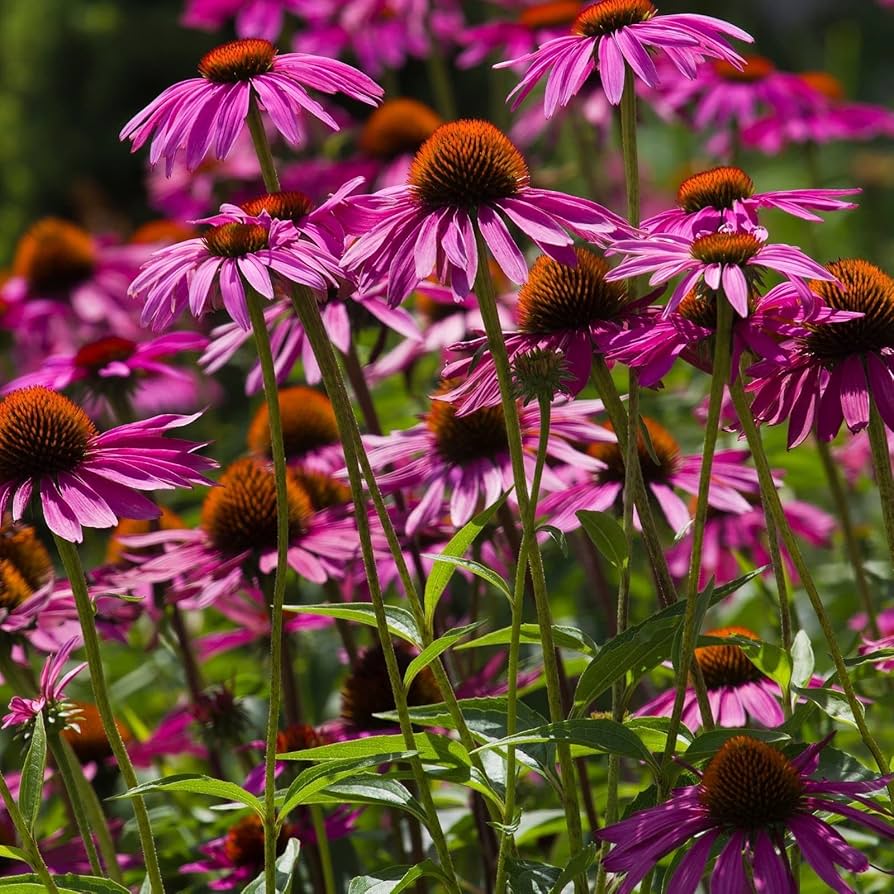
Coneflowers are a cornerstone of any pollinator-friendly garden. Their daisy-like blooms provide abundant nectar for bees and butterflies throughout the summer. The central cone is particularly attractive to goldfinches in the fall, extending the plant's ecological value beyond the growing season. They thrive in full sun and well-drained soil, making them a low-maintenance choice for most landscapes.
Bee Balm (Monarda fistulosa)
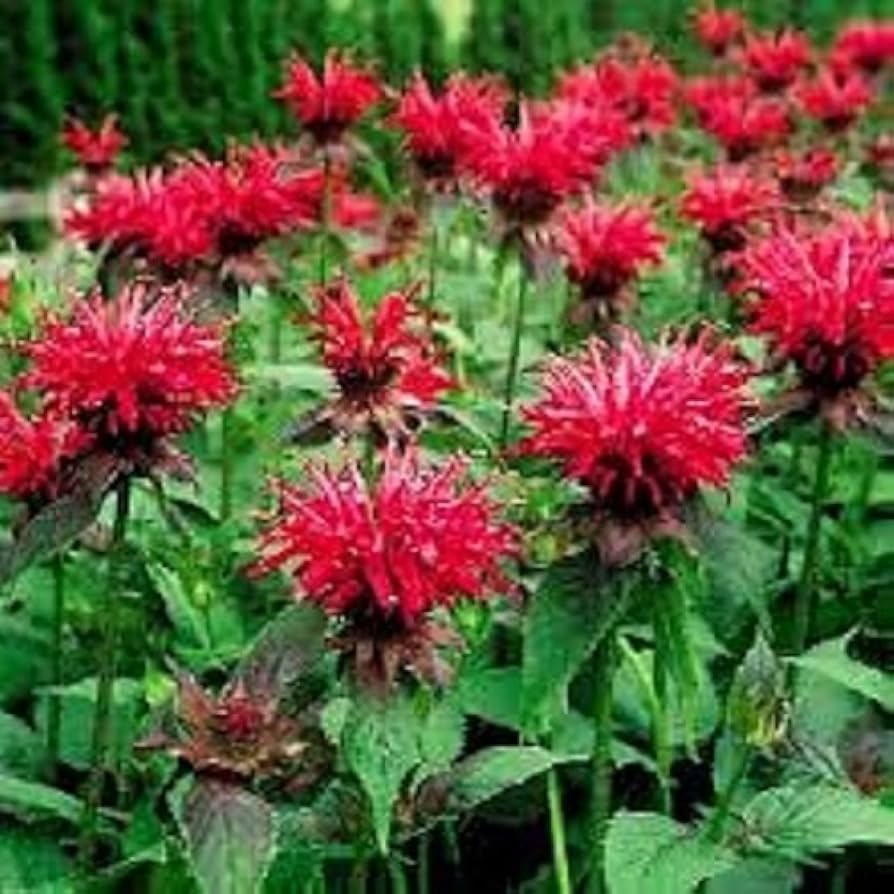
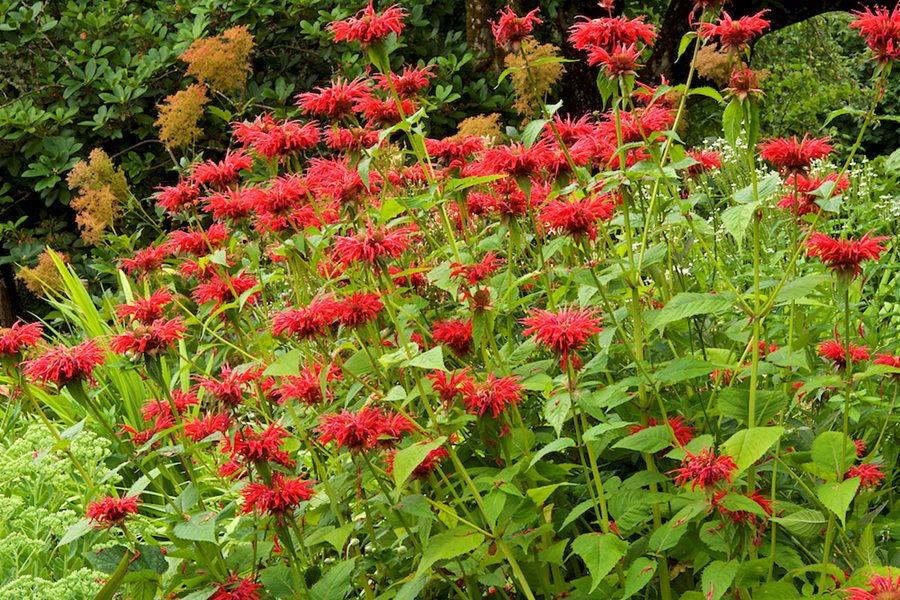
Bee balm, also known as wild bergamot, is a magnet for hummingbirds and bumblebees. Its tubular flowers are perfectly shaped for hummingbird beaks, while the flat clusters offer landing pads for smaller bees. This perennial spreads moderately and prefers moist soil, making it an excellent choice for rain gardens or the back of a border. Its aromatic leaves also add a pleasant scent to the garden.
Milkweed (Asclepias spp.)
Milkweed is the exclusive host plant for monarch butterfly caterpillars, making it critical for their conservation. Different species of milkweed are suited to various regions, so selecting one indigenous to your area is essential. The plants produce clusters of small, fragrant flowers that attract a wide range of pollinators. Planting milkweed helps restore the lifecycle of monarchs, which have faced significant population declines in recent decades.
Black-Eyed Susan (Rudbeckia hirta)
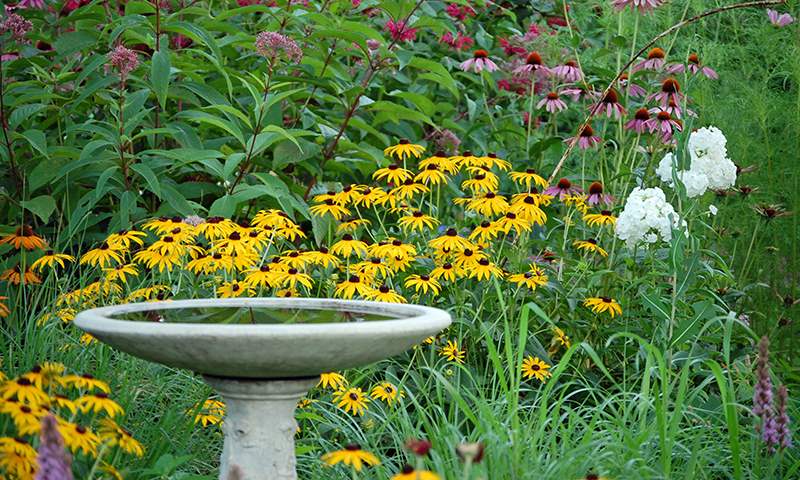
Black-eyed Susans are hardy, drought-tolerant perennials that bloom from mid-summer to early fall. Their bright yellow petals provide a reliable nectar source for bees and butterflies when other flowers may be scarce. These plants are easy to grow from seed and self-sow readily, creating naturalized drifts that look beautiful in meadow-style gardens. They also provide seeds for songbirds in the autumn.
Native Plant Shopping Guide
Finding the right indigenous species can be challenging, as availability varies by region. Many local nurseries specialize in native species, but online retailers offer a wider selection for those without access to local garden centers. When shopping, look for plants that are "nursery propagated" rather than "wild collected" to ensure sustainability.


As an Amazon Associate, we may earn from qualifying purchases.
Investing in these indigenous species creates a resilient ecosystem that supports biodiversity. By providing food and habitat, you help maintain the balance of your local environment. The effort required to grow these plants is minimal compared to the ecological benefits they provide. Consider starting with just a few species and expanding your garden over time.
Native shrubs and trees for birds
Woody plants form the backbone of a wildlife-friendly garden. While perennials provide seasonal bursts of color and nectar, indigenous shrubs and trees offer the structural shelter and consistent food sources that birds need to survive and raise young. These plants have evolved with local bird populations for thousands of years, meaning they provide the specific berries, seeds, and insects that birds rely on for energy and protein.
When selecting woody natives, prioritize species that offer multiple benefits. A single shrub can provide nesting cover in spring, berries in late summer, and seeds in winter. This layered approach ensures your garden supports birds year-round, rather than just during peak blooming seasons.
Key Native Shrubs and Trees
American Beautyberry (Callicarpa americana)
This shrub is a late-season powerhouse. In early fall, clusters of bright violet berries ripen along the stems, providing a critical high-energy food source for migrating birds like thrushes and catbirds. The berries are often the last available fruit before winter, making them essential for birds building fat reserves for migration or overwintering.
Eastern Red Cedar (Juniperus virginiana)
Often misunderstood as an invasive weed, the Eastern Red Cedar is a vital native evergreen. Its dense foliage provides excellent shelter against harsh winter winds and predators. The female trees produce blue, berry-like cones that are a favorite food of cedar waxwings, robins, and quail. Planting these in groups creates a protective windbreak that serves dual purposes.
Serviceberry (Amelanchier arborea)
A small tree or large shrub that offers early spring flowers for pollinators and sweet, blueberry-like berries in early summer. The berries are quickly devoured by over 40 species of birds, including robins, thrushes, and bluebirds. Its autumn foliage also adds vibrant color to the landscape, making it a versatile choice for smaller gardens.
Oak Trees (Quercus species)
While not a shrub, the oak is the most important native tree for bird support. Oaks support more caterpillar species than any other native tree group, and caterpillars are the primary food source for baby birds. Species like the White Oak and Live Oak provide acorns for jays, woodpeckers, and squirrels, while their dense canopies offer nesting sites for a wide variety of birds.
Comparing Native Woody Plants for Birds
| Plant Name | Primary Bird Attraction | Sun Requirement | Wildlife Benefit |
|---|---|---|---|
| American Beautyberry | Berries (Fall) | Full Sun to Part Shade | Migration fuel, nesting cover |
| Eastern Red Cedar | Berries (Winter) | Full Sun | Winter shelter, year-round food |
| Serviceberry | Berries (Summer) | Full Sun to Part Shade | Early summer food, pollinators |
| Oak Trees | Caterpillars/Acorns | Full Sun | Baby bird food, nesting sites |
Choosing the Right Plants for Your Region
Not all native shrubs thrive in every climate. Consult a local native plant society or extension service to identify species that are truly native to your specific region. Planting regionally appropriate natives ensures better survival rates and stronger ecological connections. For example, the California Lilac (Ceanothus) is ideal for the West Coast, while the Witch Hazel (Hamamelis) is better suited for the Northeast.
By integrating these woody natives into your landscape, you create a resilient ecosystem that supports birds through every season. Focus on diversity in plant height, leaf type, and fruiting times to maximize the wildlife value of your garden.
Choose plants for your region
Selecting the right indigenous species starts with knowing your specific growing conditions. A plant that thrives in the Pacific Northwest may struggle in the dry heat of Arizona. To ensure your garden supports local wildlife effectively, you need to match species to your USDA hardiness zone and local ecosystem.
Check your hardiness zone
Your USDA hardiness zone determines which plants can survive your winter lows. This number is the baseline for selecting perennials, shrubs, and trees that won't freeze out. You can find your zone using the USDA Plant Hardiness Zone Map. Once you know your zone, filter plant lists to only include species rated for that range.
Match local soil and sun
Indigenous plants have evolved to handle the soil types and light conditions of their specific region. Sandy soil, clay, or loam each require different plant selections. Similarly, a full-sun prairie flower will not thrive in deep shade. Check your garden’s soil drainage and sunlight hours before buying.
Verify regional native status
Not all "native" plants are native to your exact area. A species native to the eastern US may not be native to the west. Use resources like the Native Plant Trust or local extension offices to verify if a plant is native to your county or watershed. This ensures the plants you buy support local pollinators and birds rather than introducing non-local genetics.
Use the USDA Plant Hardiness Zone Map to determine your zone. This number dictates which perennials and shrubs can survive your winter lows.
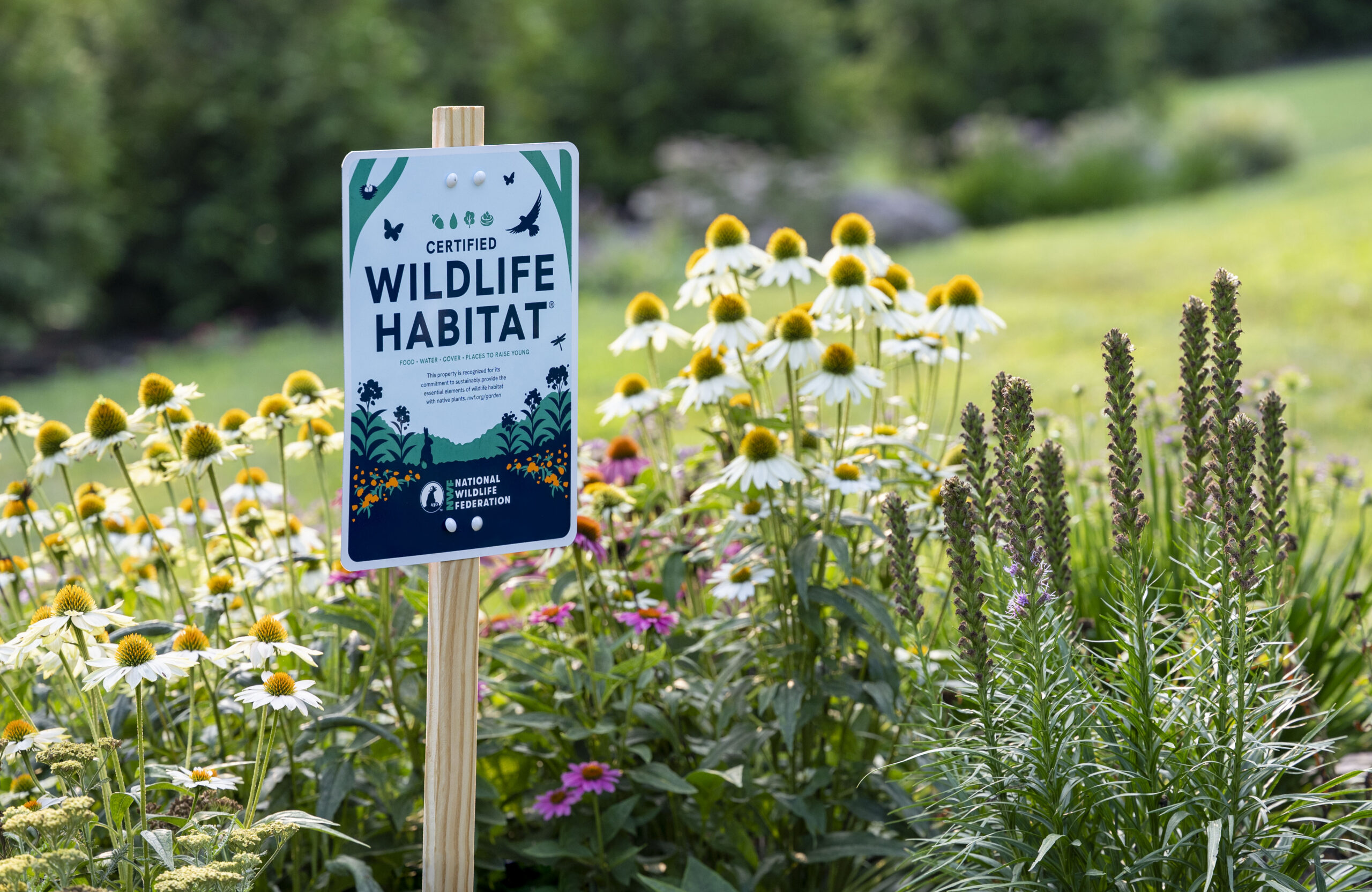
Indigenous plants are adapted to local conditions. Test your soil’s drainage and map out which areas get full sun versus shade to match plant requirements.
Ensure the plants are native to your specific county or region, not just your state. This supports local pollinators and birds that have evolved with these species.
No comments yet. Be the first to share your thoughts!