

Gardens for a warmer world
Our gardens are getting hotter. It isn't a distant threat; it's changing how we grow things. We need plants that handle heatwaves and long dry spells without collapsing. Native species are the best tool we have for keeping a yard alive when the weather turns harsh.
Native plants, those evolved alongside the local environment, are naturally better equipped to handle these changing conditions. They've already adapted to the region's rainfall patterns, temperature swings, and soil types. This inherent resilience makes them far more likely to survive and flourish than non-native species struggling to adjust.
I'm looking at plant choices for 2026, though climate models change as we get more data. The trend is clear: more drought and weirder weather across the US. These picks work now, but they're specifically chosen for the higher baseline temperatures we expect in a few years.
This isn’t about predicting the future with certainty, but about proactively preparing our gardens for the most likely scenarios and building landscapes that can adapt and endure. It’s about working with nature, not against it. We’ll explore plants that are already demonstrating resilience and offer practical strategies for creating sustainable, beautiful gardens that can weather the storms—both literal and figurative.
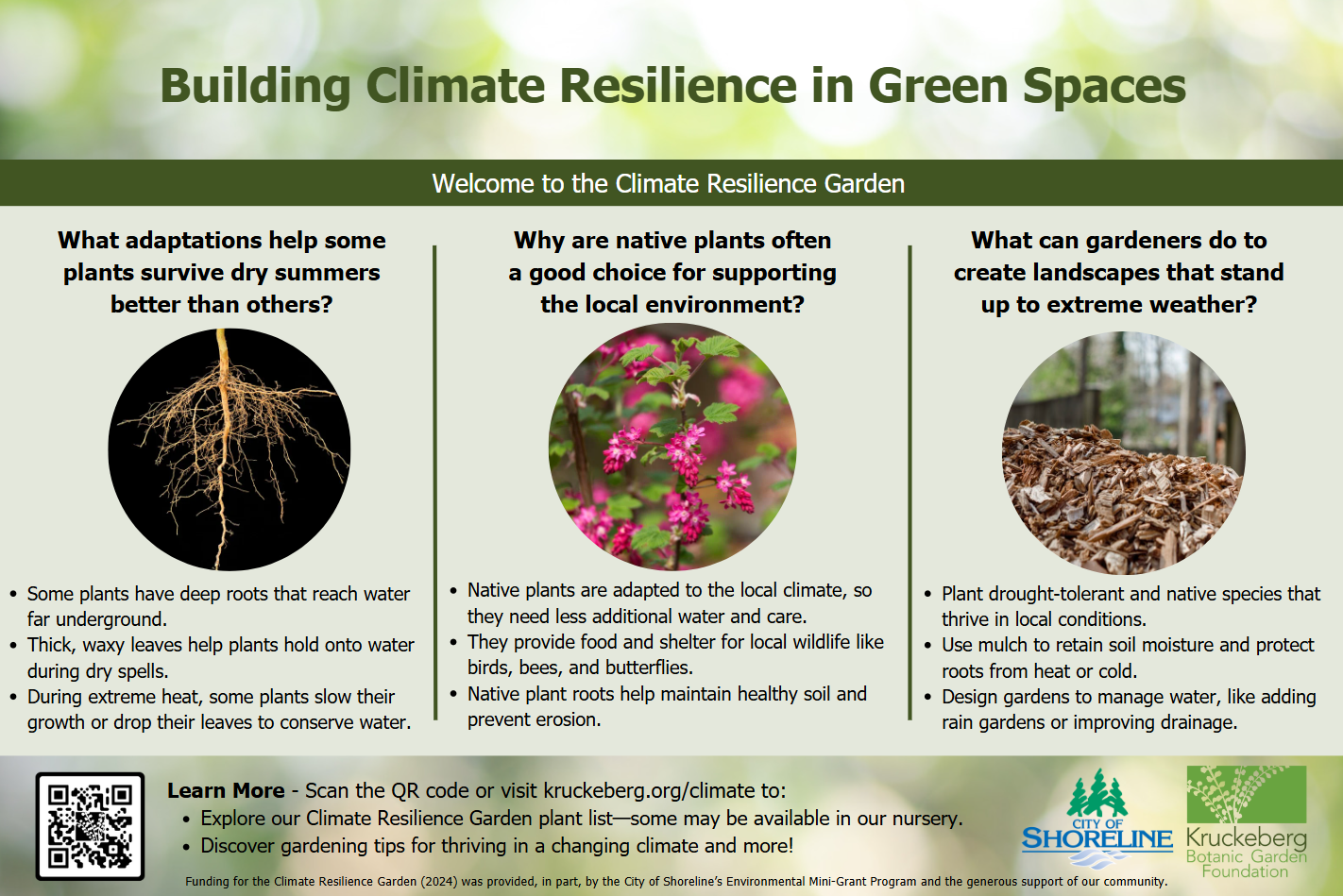
How plants survive heat
The term 'drought tolerant' is often thrown around, but it's a simple label for a complex set of adaptations. True resilience goes far beyond simply surviving without water for a few days. It encompasses a variety of mechanisms that allow plants to thrive even with limited resources.
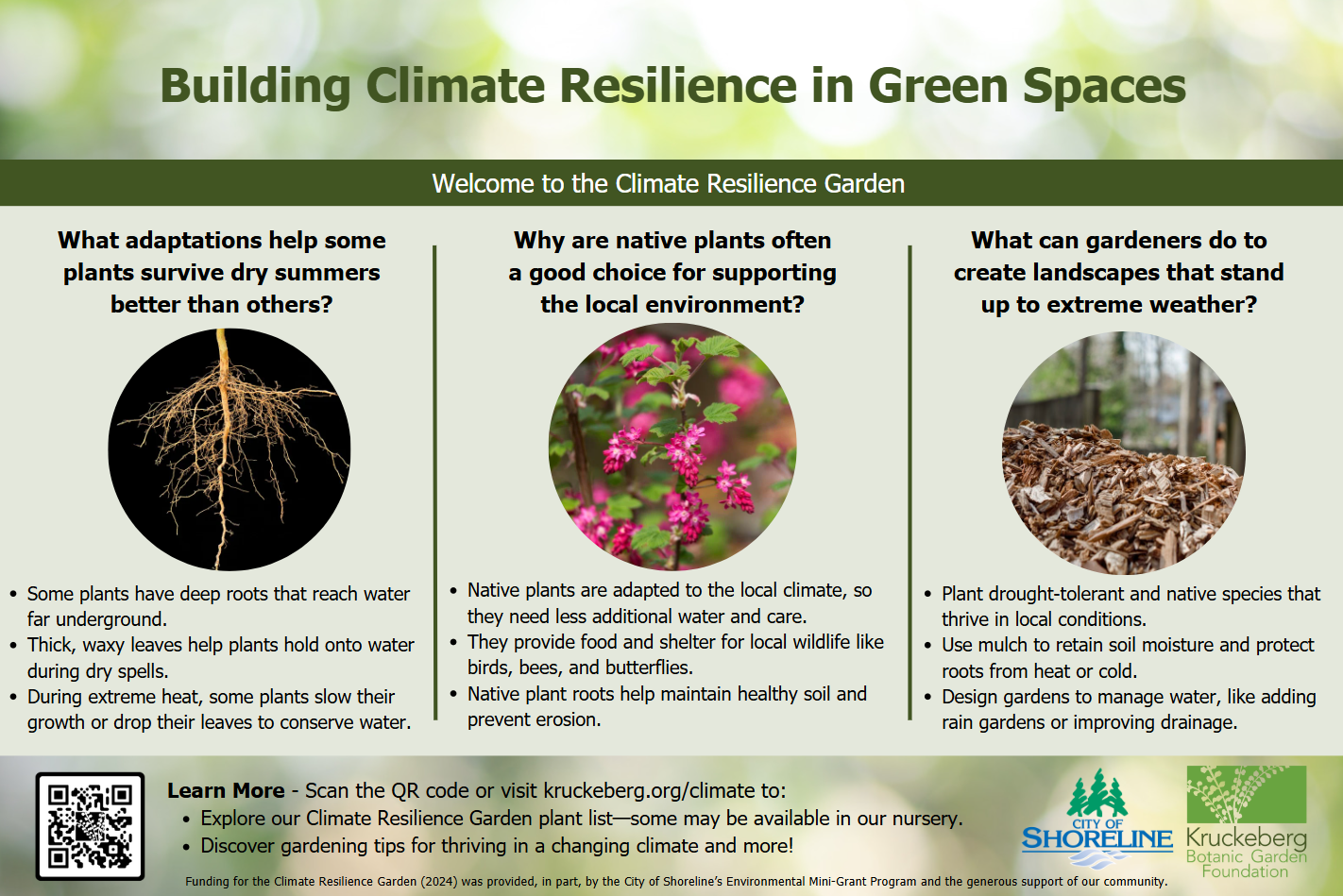
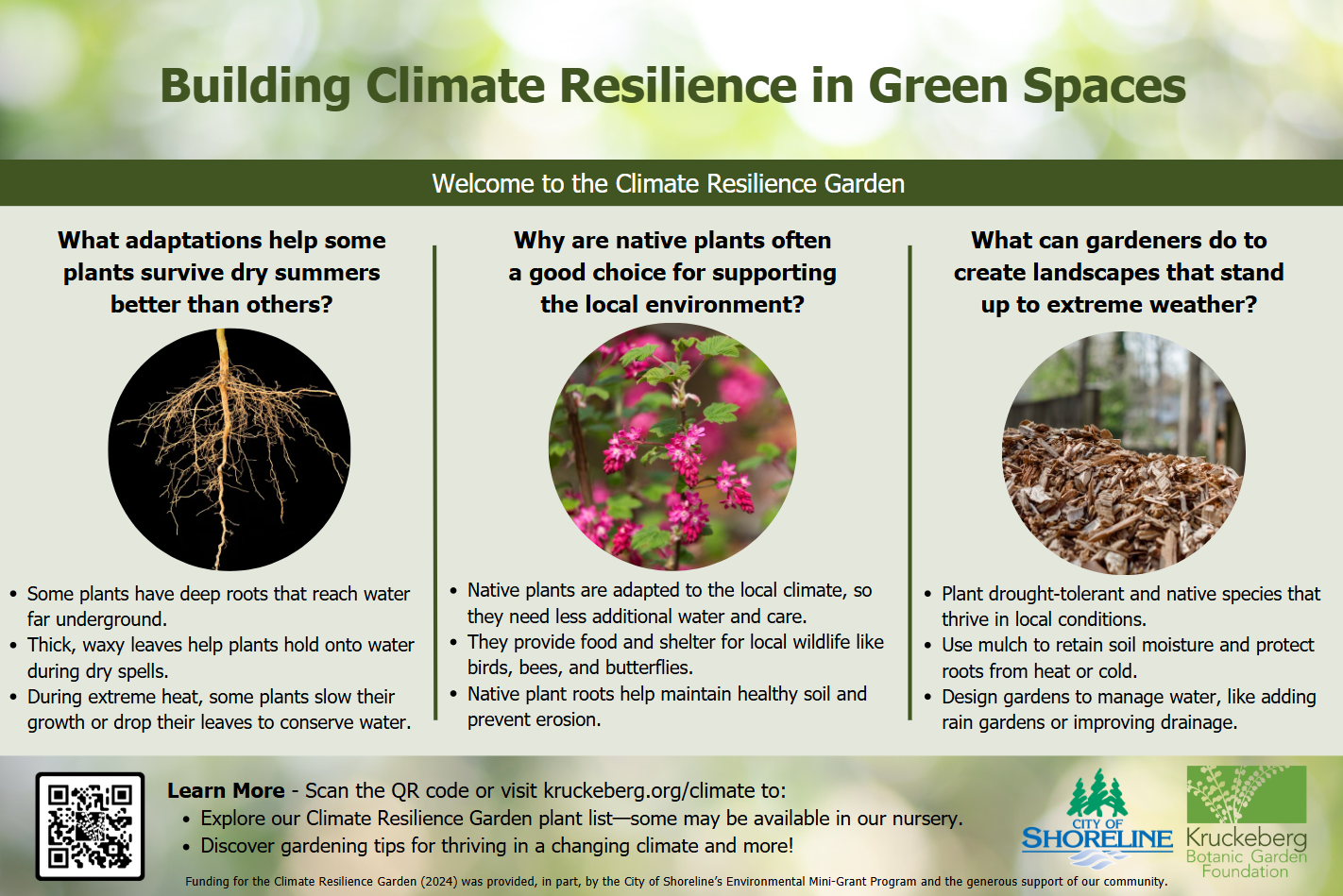
Consider root systems. Some plants, like certain prairie grasses, develop incredibly deep roots – reaching several feet down to tap into underground water sources. Others, like the California Buckeye (Aesculus californica), store water in their bulbous roots. These aren't just surviving; they're actively seeking and storing resources.
Leaf adaptations are also crucial. Waxy coatings on leaves, like those found on many sedums, reduce water loss through transpiration. Smaller leaves, or leaves that curl up during dry periods, minimize surface area exposed to the sun and wind. Some plants even have fuzzy leaves that trap moisture. These are all strategies to conserve precious water.
Resilience isn’t just about surviving without water, but thriving with less. It’s about a plant’s ability to maintain growth, produce flowers and seeds, and support wildlife even under stressful conditions. A truly resilient plant isn’t just holding on; it’s living.
- Deep roots like those on prairie grasses reach several feet down to find hidden water.
- Water Storage: Storing water in roots, stems, or leaves.
- Leaf Adaptations: Reducing water loss through transpiration.
- Heat Tolerance: Maintaining function at higher temperatures.
Climate-Resilient Traits in Native Plants
| Plant Species | Plant Trait | Resilience Mechanism | Benefit to Garden Ecosystem |
|---|---|---|---|
| Butterfly Milkweed ( *Asclepias tuberosa* ) | Deep Taproot | Access to deeper, more stable soil moisture | Supports monarch butterflies and other pollinators; drought tolerance. |
| New England Aster (*Symphyotrichum novae-angliae*) | Fibrous Root System | Efficient uptake of available water; soil stabilization | Late-season nectar source for pollinators; supports biodiversity. |
| Little Bluestem (*Schizachyrium scoparium*) | C4 Photosynthesis | Increased water-use efficiency, especially in warmer temperatures | Provides winter interest and habitat for birds and insects; drought tolerant. |
| Wild Bergamot (*Monarda fistulosa*) | Aromatic Leaves | Reduced transpiration rates due to oil glands; deters some herbivores | Attracts bees, butterflies, and hummingbirds; medicinal properties. |
| Switchgrass (*Panicum virgatum*) | Rhizomatous Growth | Spreads underground, allowing for recovery after disturbance; enhances soil health | Provides habitat and food for wildlife; erosion control. |
| Red Osier Dogwood (*Cornus sericea*) | Flexible Stems | Resistant to breakage from heavy snow or ice; adapts to varying conditions | Provides food and cover for birds and mammals; stabilizes streambanks. |
| Purple Coneflower (*Echinacea purpurea*) | Rough Leaf Surface | Reduces water loss through transpiration; increased sun protection | Attracts pollinators and seed-eating birds; medicinal properties. |
Illustrative comparison based on the article research brief. Verify current pricing, limits, and product details in the official docs before relying on it.
12 native plants for 2026
These twelve plants handle heat well and feed local birds and bugs. Remember that USDA zones are just a starting point; a south-facing wall or a low spot in your yard will change how these grow. Check with a local nursery before you dig.
I've focused on plants showing current resilience, meaning they're already performing well in areas experiencing increased drought stress. These aren’t just guesses about the future; they’re observations of what’s working now. I'll note the hardiness zones as defined by the USDA Plant Hardiness Map.
Butterfly Milkweed (Asclepias tuberosa): Zones 3-9. Full sun, well-drained soil. Once established, extremely drought tolerant. A crucial host plant for Monarch butterflies. Prefers drier conditions and doesn’t require rich soil.
Blue Grama (Bouteloua gracilis): Zones 3-9. Full sun, adaptable to various soil types. Highly drought tolerant and provides excellent forage for wildlife. Its distinctive eyelash-like seed heads add visual interest.
New England Aster (Symphyotrichum novae-angliae): Zones 3-8. Full sun to partial shade, moist but well-drained soil. Attracts late-season pollinators. While it prefers some moisture, it can tolerate drier conditions once established.
Little Bluestem (Schizachyrium scoparium): Zones 3-9. Full sun, well-drained soil. A beautiful native grass that turns a stunning reddish-bronze in the fall. Exceptionally drought tolerant and provides habitat for birds and insects.
Eastern Redbud (Cercis canadensis): Zones 4-9. Full sun to partial shade, well-drained soil. Beautiful spring blooms and attractive heart-shaped leaves. Relatively drought tolerant once established.
American Plum (Prunus americana): Zones 3-8. Full sun, well-drained soil. Provides early spring flowers and edible plums. Drought tolerant and attracts pollinators.
Wild Bergamot (Monarda fistulosa): Zones 3-9. Full sun, well-drained soil. Attracts bees, butterflies, and hummingbirds. Drought tolerant and has fragrant foliage.
Purple Coneflower (Echinacea purpurea): Zones 3-9. Full sun, well-drained soil. A classic native perennial that attracts pollinators and seed-eating birds. Highly drought tolerant.
Chinkapin Oak (Quercus muehlenbergii): Zones 3-8. Full sun, adaptable to various soil types. A long-lived oak tree that is exceptionally drought tolerant. Provides valuable habitat for wildlife.
Wax Myrtle (Morella cerifera): Zones 7-10. Full sun to partial shade, adaptable to various soil types. A versatile shrub that is highly drought tolerant and provides berries for birds. It's also useful for creating privacy screens.
Texas Sage (Leucophyllum frutescens): Zones 8-10. Full sun, well-drained soil. Extremely drought tolerant and blooms profusely after rainfall. Attracts pollinators.
California Poppy (Eschscholzia californica): Zones 6-10. Full sun, well-drained soil. A vibrant wildflower that self-seeds readily. Highly drought tolerant and attracts pollinators.
Catching and keeping water
Choosing the right plants is only half the battle. How you design your garden is equally important for maximizing water conservation and resilience. The goal is to capture rainwater where it falls and prevent it from running off, allowing it to soak into the soil and recharge groundwater.
Rain gardens are a fantastic way to achieve this. These shallow depressions are planted with native plants that can tolerate both wet and dry conditions. They act like sponges, absorbing rainwater and filtering out pollutants. Swales, which are gently sloping channels, can also be used to direct water flow and slow runoff.
Berms, or raised mounds of soil, can be strategically placed to capture water and create microclimates. Mulching with native materials like wood chips or shredded leaves is another essential practice. Mulch helps retain moisture in the soil, suppress weeds, and improve soil health.
Hydrozoning, or grouping plants with similar water needs, is a crucial design principle. Place drought-tolerant plants in drier areas and plants that prefer more moisture in lower-lying areas. This ensures that each plant receives the appropriate amount of water without wasting resources. A well-designed garden isn’t just aesthetically pleasing; it’s a functional ecosystem that works with the environment.
- Rain gardens use shallow dips to catch runoff so water soaks in rather than hitting the storm drain.
- Swales: Gently sloping channels to slow runoff.
- Berms: Raised mounds to capture water.
- Mulching: Using native materials to retain moisture.
Supporting Pollinators & Wildlife in a Changing Climate
Climate change is disrupting the delicate balance of ecosystems, impacting pollinators and other wildlife in significant ways. Altered migration patterns, mismatches in bloom times, and increased stress from extreme weather events are all contributing to declines in populations.
Native plants play a vital role in supporting these creatures. They provide essential habitat, food sources, and nesting sites. By planting a diverse range of native species, you can create a resilient ecosystem that can withstand changing conditions. The plants we discussed earlier, like Butterfly Milkweed and Wild Bergamot, are particularly valuable for pollinators.
Providing water sources is also crucial. Bird baths, shallow dishes of water with pebbles for insects to land on, and small ponds can all help wildlife stay hydrated during dry periods. Ensure these water sources are kept clean and refreshed regularly.
While the exact impacts of climate change on specific species are difficult to predict, focusing on creating a diverse and resilient habitat is the best approach. By providing food, water, and shelter, you can help wildlife adapt to the challenges ahead.
- Plant a diversity of native species.
- Provide clean water sources (bird baths, ponds).
- Create habitat with shrubs and trees.
- Avoid pesticide use.
Resilient Native Plant Choices
- New England Aster (Symphyotrichum novae-angliae) - A late-blooming perennial providing crucial fall nectar for migrating pollinators, and tolerates a range of soil conditions.
- Butterfly Milkweed (Asclepias tuberosa) - Essential for Monarch butterflies, this drought-tolerant plant thrives in full sun and well-drained soil. It offers vibrant orange blooms.
- Little Bluestem (Schizachyrium scoparium) - A beautiful native grass that provides winter interest and shelter for birds. Highly adaptable and drought-resistant.
- Wild Bergamot (Monarda fistulosa) - Attracts bees, butterflies, and hummingbirds with its fragrant lavender flowers. Prefers full sun to partial shade and well-drained soil.
- Eastern Redbud (Cercis canadensis) - A small tree with stunning pink spring blooms, providing early nectar for pollinators. Adaptable to various soil types.
- Black-Eyed Susan (Rudbeckia hirta) - A cheerful and easy-to-grow perennial that attracts butterflies and bees. Tolerates drought and poor soil conditions.
- Oak Trees (Quercus spp.) - Keystone species supporting hundreds of insect species, providing food and shelter. Choose species native to your region.
The soil is the foundation
Healthy soil is the cornerstone of a resilient garden. It's not just about providing nutrients for plants; it's about creating a living ecosystem that supports plant health and water retention. Soil is where most of the action happens, even if it’s unseen.
Adding compost and other organic matter to the soil improves its structure, increases its water-holding capacity, and provides essential nutrients. Compost acts like a sponge, absorbing and retaining moisture that would otherwise be lost to runoff.
No-till gardening practices are also beneficial. Tilling disrupts the soil structure, damages beneficial microorganisms, and releases carbon into the atmosphere. By avoiding tilling, you can maintain the soil's natural structure and improve its ability to retain water and support plant life.
It's easy to focus on the plants, but the soil is the foundation of everything. Investing in soil health is the most effective way to build a resilient and sustainable garden.
Regional Considerations & Local Resources
Climate change impacts vary significantly from region to region. What works in the Southwest won't necessarily work in the Northeast. It’s essential to consider your local climate and soil conditions when selecting plants and designing your garden.
Consult local native plant societies and nurseries for recommendations specific to your area. These organizations have a deep understanding of the local ecosystem and can provide valuable advice. The Native Plant Society () is a great starting point.
Wild Ones () is another excellent resource, offering information on native plant landscaping and habitat restoration. Local nurseries specializing in native plants can also provide expert guidance.
This article is intended as a starting point. Local knowledge is crucial for creating a truly resilient and sustainable garden. Don’t be afraid to experiment and learn from your experiences.
What is your biggest challenge when creating a climate-resilient garden?
As more gardeners look to build drought-resistant wildlife gardens with native plants, we want to hear from you. What obstacle do you find most difficult to overcome? Vote below and share your experience in the comments!
No comments yet. Be the first to share your thoughts!