

Beyond Green Grass: Why Climate-Resilient Gardens Are Essential Now
We're seeing changes in our weather patterns, and frankly, the old rules of gardening just don't apply like they used to. The increasing frequency of droughts, more intense heat waves, and sudden, heavy rainfall events are pushing traditional landscapes to their limits. A perfectly manicured lawn might look nice, but it demands a lot of water and often struggles to survive even a short dry spell. Climate-resilient gardening isn’t about abandoning beauty; it’s about working with nature, not against it.
This approach moves beyond simply conserving water, though that’s certainly a part of it. It's about building gardens that can withstand these changes – gardens that are diverse, adaptable, and capable of supporting themselves through challenging conditions. I think people often underestimate how interconnected everything is. A healthy garden isn't just a collection of plants; it's a small ecosystem.
And it’s not just about us. Traditional landscapes often offer limited support for local wildlife. Climate-resilient gardens, on the other hand, can become havens for pollinators, birds, and other creatures struggling to adapt to a changing world. By choosing the right plants and creating diverse habitats, we can actively contribute to biodiversity and ecological health. It’s a responsibility we all share.
The goal, really, is to shift our mindset. We need to see our gardens not as static displays, but as dynamic, evolving systems. Systems that can absorb shocks, recover from stress, and continue to thrive, even in the face of uncertainty. This isn’t a trend; it’s a necessity.
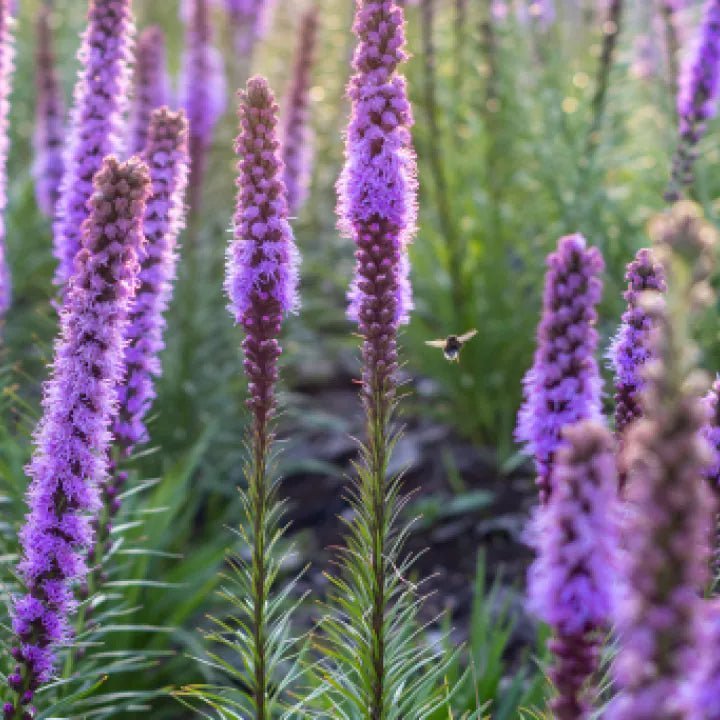
Understanding Your Microclimate: A Gardener’s First Step
Before you even think about plants, you need to understand your garden’s specific microclimate. It’s easy to assume conditions are uniform across your yard, but that’s rarely the case. Factors like sun exposure, wind patterns, soil type, and drainage all create variations that impact what will grow successfully.
Start by observing how much direct sunlight different areas receive throughout the day. A south-facing wall will be much warmer and drier than a north-facing one. Pay attention to wind patterns – are there areas sheltered from the wind, or are they constantly exposed? These areas will have different moisture levels and temperature fluctuations. Knowing this can help you position plants for optimal growth.
Soil type matters just as much. Sandy soil drains quickly, while clay soil retains water. Understanding your soil’s composition will influence your plant choices and whether you need to amend it with organic matter. Existing drainage patterns will also dictate where water collects and where it runs off. Even a small slope can make a big difference.
I’ve seen too many people struggle because they didn’t take the time to map out these microclimates. A simple sketch of your yard, noting these factors, can save you a lot of time, money, and frustration. Remember, even within a small space, there can be surprisingly different conditions.
- Sun Exposure: Track hours of direct sunlight in different areas.
- Wind Patterns: Identify sheltered and exposed areas.
- Soil Type: Determine if your soil is sandy, clay, loamy, etc.
- Drainage: Observe where water collects and runs off.
Drought-Tolerant Plant Selection: Beyond the Cactus
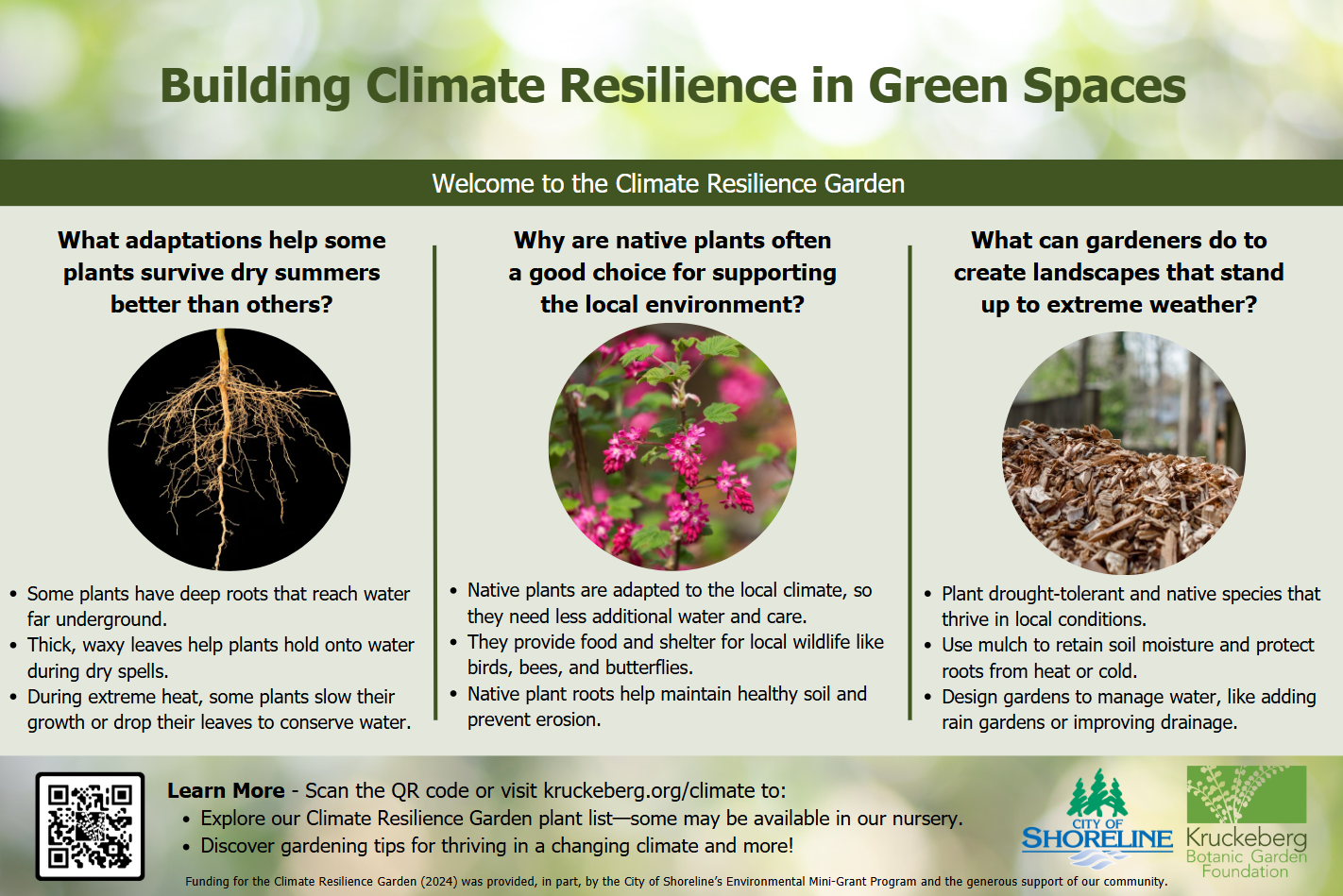
Let’s dispel a myth right away: drought-tolerant gardening isn’t just about cacti and succulents. While those plants certainly have their place, there’s a huge range of beautiful and functional plants that thrive in dry conditions. The key is to focus on native and adapted species – plants that have evolved to survive with limited water.
Native plants are valuable because they’re already adapted to your local climate and soil. They provide the habitat and food sources native wildlife need. Proven Winners offers a good selection of native options, and their website is a great resource for finding plants suited to your region. Consider plants like coneflowers (Echinacea), black-eyed Susans (Rudbeckia), and little bluestem grass (Schizachyrium scoparium).
When selecting plants, think about their function in your garden. Groundcover plants like creeping thyme can help suppress weeds and retain moisture. Shrubs like potentilla or shrub dogwood provide structure and attract birds. Trees like honey locust or oak offer shade and support a wide range of wildlife. Perennials like lavender and Russian sage offer beautiful blooms and are incredibly drought-tolerant.
Here are a few examples categorized by function: For groundcover, try sedum varieties or creeping thyme. Shrubs like butterfly bush and potentilla work well, while honey locust and oak trees provide height. Perennials like lavender and Russian sage offer reliable color. Remember to research the specific water needs of each plant and group them accordingly.
- Coneflowers (Echinacea): Attracts pollinators, prefers full sun.
- Black-Eyed Susans (Rudbeckia): Bright, cheerful blooms, adaptable to various soils.
- Little Bluestem Grass (Schizachyrium scoparium): Native ornamental grass, provides winter interest.
Drought-Tolerant Plants for Wildlife
- Lavender (Lavandula spp.) - Northeast & West Coast US. Water Needs: Low. Wildlife Benefit: Bees, Butterflies. Sun Exposure: Full Sun. Known for its fragrant blooms and attracting pollinators.
- California Poppy (Eschscholzia californica) - Southwest US & Pacific Northwest. Water Needs: Low. Wildlife Benefit: Bees. Sun Exposure: Full Sun. A vibrant native annual that thrives in dry conditions.
- Yarrow (Achillea millefolium) - Widely adaptable across US. Water Needs: Low. Wildlife Benefit: Butterflies, Bees. Sun Exposure: Full Sun. A hardy perennial with fern-like foliage and clusters of flowers.
- Sedum (Stonecrop) (Sedum spp.) - Adaptable across US. Water Needs: Low. Wildlife Benefit: Bees, Butterflies. Sun Exposure: Full Sun. Succulent perennials offering late-season blooms for pollinators.
- Coneflower (Echinacea purpurea) - Central & Eastern US. Water Needs: Medium-Low. Wildlife Benefit: Birds, Bees, Butterflies. Sun Exposure: Full Sun. A popular perennial attracting a variety of wildlife with its seed heads.
- Texas Sage (Leucophyllum frutescens) - Southwest US. Water Needs: Low. Wildlife Benefit: Bees, Butterflies. Sun Exposure: Full Sun. A shrub known for its silvery foliage and blooms after rainfall.
- Blue Fescue (Festuca glauca) - Adaptable across US. Water Needs: Low. Wildlife Benefit: Birds (seeds). Sun Exposure: Full Sun - Partial Shade. An ornamental grass providing texture and winter interest.
Water-Wise Gardening Techniques: Making Every Drop Count
Choosing drought-tolerant plants is only half the battle. You also need to employ water-wise gardening techniques to maximize efficiency and minimize waste. Efficient irrigation is the most important part. Drip irrigation and soaker hoses deliver water directly to the roots, reducing evaporation and runoff. Avoid overhead sprinklers, which lose a significant amount of water to the air.
Rainwater harvesting is another excellent option. Collecting rainwater in barrels or cisterns provides a free and sustainable source of water for your garden. Mulching is also incredibly effective. A layer of organic mulch (wood chips, straw, shredded leaves) helps retain moisture in the soil, suppress weeds, and regulate soil temperature. I always recommend a generous layer – at least 2-3 inches.
Grouping plants with similar water needs – a practice called hydrozoning – is a smart way to optimize irrigation. Place drought-tolerant plants together and plants that require more water in a separate area. This allows you to water each zone appropriately, avoiding overwatering some plants and underwatering others.
Perhaps the single most impactful change you can make is reducing your lawn area. Lawns require a lot of water, fertilizer, and maintenance. Replacing lawn with drought-tolerant groundcovers, native plantings, or permeable pathways can significantly reduce your water consumption and create a more sustainable landscape. It is a big shift that pays off in lower utility bills and less weekend work.
- Drip Irrigation/Soaker Hoses: Deliver water directly to roots.
- Rainwater Harvesting: Collect and store rainwater for later use.
- Mulching: Retain moisture, suppress weeds, regulate soil temperature.
- Hydrozoning: Group plants with similar water needs.
Creating Wildlife Habitats in a Changing Climate
Climate change poses a significant threat to wildlife, making it even more important to create gardens that provide essential habitat. The University of Maryland Extension offers excellent resources on creating wildlife-friendly gardens. You need to provide food, water, and shelter.
Native plants are the foundation of a wildlife-friendly garden. They provide the food sources that native insects, birds, and other animals have evolved to rely on. Consider planting a variety of flowering plants to attract pollinators like bees and butterflies. Seed-producing plants provide food for birds during the fall and winter.
Water sources are also crucial. A bird bath, a small pond, or even a shallow dish of water can provide a lifeline for wildlife, especially during dry periods. Shelter can be provided by trees, shrubs, and brush piles. Creating a layered habitat – with groundcover, shrubs, and trees – offers more diverse opportunities for wildlife to find food and shelter.
Think about the entire ecosystem. Providing nesting sites for birds, host plants for butterflies (like milkweed for monarch butterflies), and overwintering habitat for insects will all contribute to a thriving wildlife population. It’s about creating a resilient ecosystem that can support a diversity of life.
Soil Health: The Foundation of Resilience
Healthy soil is the cornerstone of a climate-resilient garden. Soil rich in organic matter holds more water, improves drainage, and provides essential nutrients for plants. This increased resilience allows plants to better withstand drought, heat, and other stresses.
Adding organic matter to your soil is the single most important thing you can do to improve its health. Compost, leaf mold, and well-rotted manure are all excellent sources of organic matter. Incorporate these amendments into your soil before planting and top-dress regularly throughout the growing season. I've found that compost tea can also give plants a boost.
No-till gardening and cover cropping are two additional techniques that can improve soil health. No-till gardening minimizes soil disturbance, preserving the soil structure and beneficial microorganisms. Cover cropping involves planting fast-growing crops to protect the soil, add organic matter, and suppress weeds.
I'm often surprised by how much people overlook the importance of soil. It's the foundation of everything. A healthy garden starts below ground, and investing in soil health is the best investment you can make.
Adapting to Future Challenges: Long-Term Planning
Climate change is an ongoing process, and your garden will need to adapt over time. Regular monitoring is essential. Observe your plants for signs of stress, such as wilting leaves or stunted growth. Adjust your irrigation practices as needed, and be prepared to introduce new plants as climate conditions change.
Don't be afraid to experiment. Try different plants and techniques to see what works best in your garden. Keep a garden journal to track your observations and results. This will help you learn from your successes and failures, and make informed decisions in the future. Sharing experiences with other gardeners is invaluable.
It’s also important to anticipate increased pest and disease pressure. Warmer temperatures and changing rainfall patterns can create favorable conditions for certain pests and diseases. Be proactive in monitoring your plants and implementing preventative measures, such as using organic pest control methods and choosing disease-resistant varieties.
This isn’t a one-time project; it’s an ongoing process of learning and adaptation. Embrace the challenge and view your garden as a living laboratory. The more we learn, the better equipped we’ll be to create resilient and sustainable landscapes.
Resources for Climate-Resilient Gardening
To continue your journey towards a climate-resilient garden, here are some valuable resources. The University of Maryland Extension (https://extension.umd.edu/) offers a wealth of information on gardening in a changing climate, including regional guides and best practices.
Proven Winners (https://www.provenwinners.com/) provides a comprehensive plant database with detailed information on plant characteristics, water needs, and wildlife benefits. They also offer resources on climate-resilient gardening techniques.
Joe Gardener’s website (https://joegardener.com/) features a podcast and blog with expert advice on organic gardening and climate-resilient practices. Joe Lamp’l interviews leading experts and shares practical tips for creating a sustainable garden.
These resources, along with local nurseries and gardening clubs, can provide the knowledge and support you need to create a beautiful and resilient garden that thrives in a changing world.
Swap turfgrass for drought-tolerant thyme and save water this summer. #EcoGardening #PlantSmart https://t.co/XXGCMgGryB
— Ray Galvez (@RayGalvez1) April 12, 2026
No comments yet. Be the first to share your thoughts!