

Why native plants drive sustainable gardening
Sustainable gardening is about working with the land rather than against it. The core idea is simple: choose plants that belong in your region, and let nature handle the heavy lifting. When you select native species, you are building a garden that fits seamlessly into the local ecosystem.
Native plants have evolved alongside local pollinators, birds, and soil microbes for thousands of years. This deep-rooted connection means they are naturally resistant to regional pests and diseases. You will likely find yourself using far fewer chemical pesticides and fertilizers, which protects local waterways and soil health. It is a shift from constant maintenance to observing a balanced, living system.
One of the most immediate benefits is water conservation. Once established, native plants are adapted to local rainfall patterns. They do not require the constant deep watering that exotic ornamentals often demand. This reduces your water bill and preserves a critical resource, especially in areas prone to drought.
The result is a garden that supports wildlife while requiring less of your time and energy. By planting natives, you create a habitat that feeds bees, butterflies, and birds, turning your yard into a sanctuary. It is a practical, beautiful way to garden responsibly.
Best native plants for pollinators
Creating a garden that supports bees and butterflies starts with choosing the right native species. Sustainable gardening isn't just about avoiding chemicals; it's about providing the specific habitats and food sources that local pollinators need to thrive. By planting species that have evolved together over centuries, you create a resilient ecosystem that requires less maintenance and offers more biological value than exotic ornamentals.
When selecting plants, think of your garden as a buffet designed for local wildlife. Different pollinators have different preferences for flower shape, color, and blooming time. A successful pollinator garden includes a mix of early, mid, and late-season bloomers to ensure a continuous food supply from spring through fall. This approach not only helps bees and butterflies but also supports birds and other beneficial insects that rely on these plants for shelter and nesting sites.
The following live native plants are widely available and proven to attract pollinators. These selections are chosen for their hardiness, ease of care, and high value to local ecosystems.


As an Amazon Associate, we may earn from qualifying purchases.
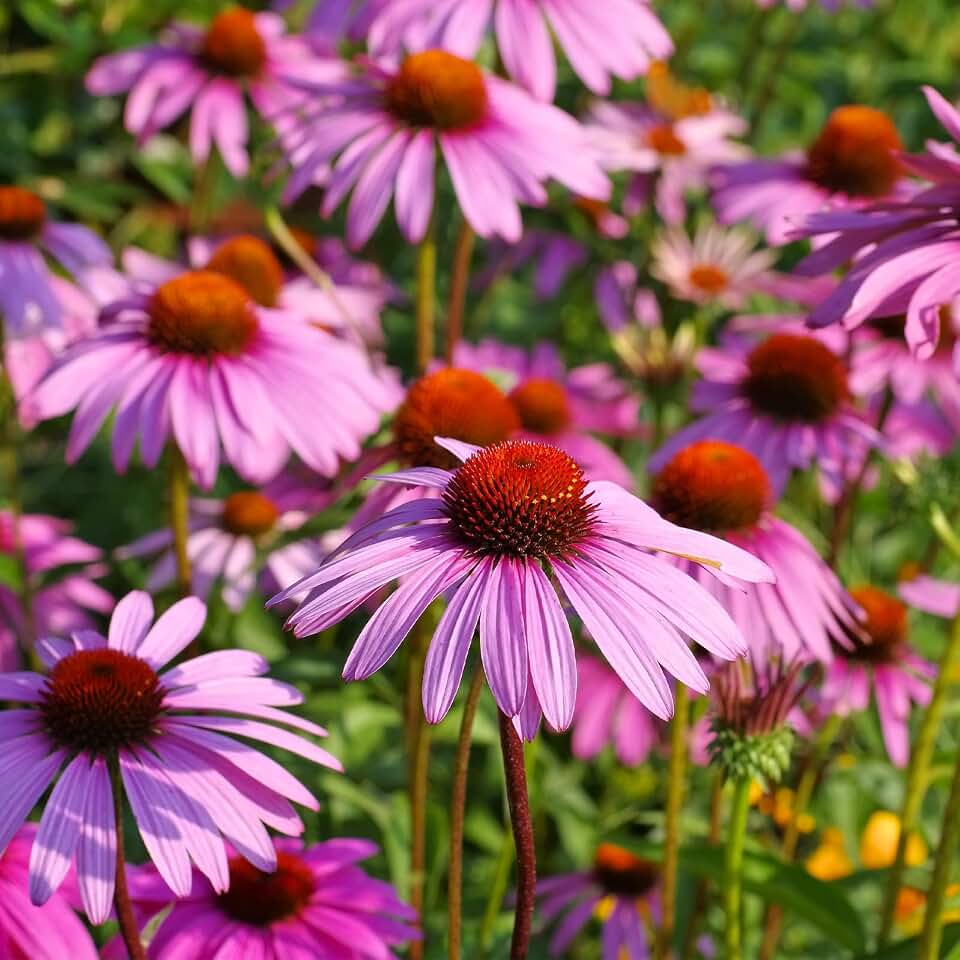
Purple Coneflower is a staple in sustainable gardens, offering a landing pad for bees and a seed head for birds. Black-eyed Susans are tough perennials that bloom all summer long, providing steady nectar. Bee Balm, with its tubular flowers, is a magnet for hummingbirds and long-tongued bees. Together, these plants form the backbone of a wildlife-friendly space that looks beautiful and works hard for nature.
Top picks for a bird-friendly garden
Native shrubs and trees form the structural backbone of a sustainable wildlife garden. Unlike ornamental exotics, these plants have co-evolved with local bird populations, providing the specific berries, seeds, and dense foliage that backyard birds need to survive and thrive. By prioritizing these species, you create a self-sustaining ecosystem that reduces the need for supplemental feeding and chemical interventions.
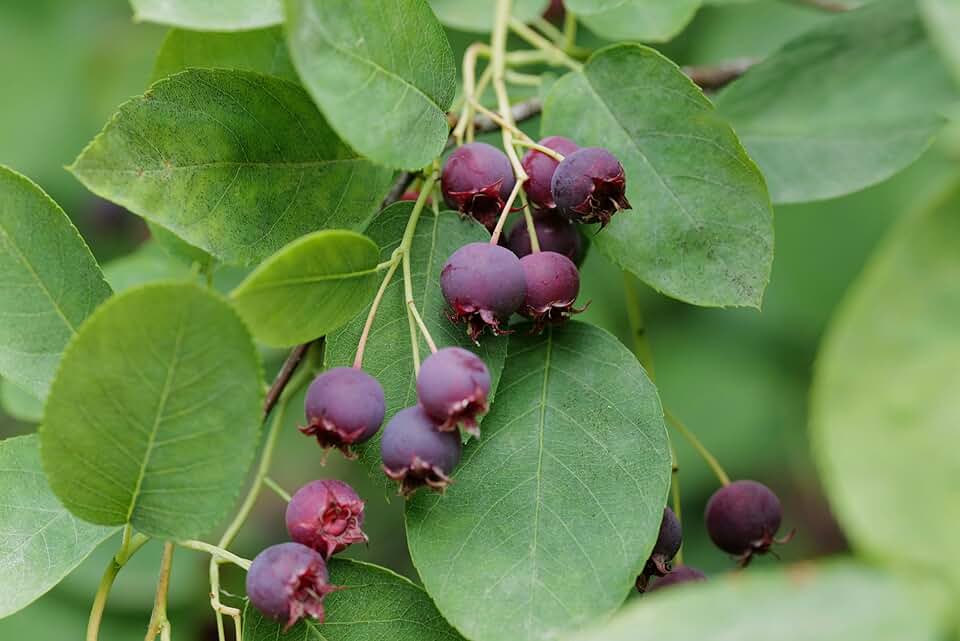
Start with berry-producing shrubs like American Beautyberry or Winterberry Holly. These plants offer critical food sources during late summer and winter when natural supplies dwindle. For taller structure and nesting cover, consider dogwood or serviceberry trees. Their branching patterns provide ideal shelter for small songbirds, while their fruits attract a wider variety of species, from thrushes to finches.
Planting these natives supports the broader food web. The leaves host caterpillars, which are the primary food source for nesting birds raising their young. This natural cycle reinforces sustainable gardening practices by building soil health and supporting pollinators alongside avian visitors.


As an Amazon Associate, we may earn from qualifying purchases.
Tools for soil health and water conservation
Building a sustainable wildlife garden starts with the ground beneath your feet. Healthy soil acts like a sponge, holding moisture during dry spells and filtering rainwater before it reaches local waterways. Pairing good soil practices with efficient watering methods reduces the need for constant maintenance while creating a resilient habitat for native plants.
Compost and mulch
Compost is the best way to feed your soil naturally. You can make your own using fallen leaves and grass clippings, which are free and readily available. This organic matter improves soil structure and helps plants withstand drought. Mulch works alongside compost to lock in moisture and suppress weeds. A thick layer of wood chips or shredded leaves around the base of your native plants keeps the soil cool and reduces evaporation.
Irrigation efficiency
Water conservation is critical for sustainable gardening. Drip irrigation delivers water directly to the root zone, minimizing waste from evaporation or runoff. Soaker hoses are another affordable option that slowly seep water into the soil. These systems are especially useful during the first growing season when native plants are establishing their root systems. By watering deeply and less frequently, you encourage deeper roots that are more resilient to heat.
Comparing sustainable gardening tools
The table below compares common tools for soil health and water conservation to help you choose the right setup for your garden.
| Tool | Primary Benefit | Best For | Cost |
|---|---|---|---|
| DIY Compost Bin | Recycles yard waste into nutrient-rich soil | Home gardeners with yard waste | Low |
| Wood Chip Mulch | Retains soil moisture and suppresses weeds | Perennial beds and shrubs | Low |
| Drip Irrigation Kit | Delivers water directly to roots efficiently | Vegetable patches and new plantings | Medium |
| Soaker Hose | Slowly seeps water along garden rows | Raised beds and long rows | Low |
Start your sustainable garden with these steps
Building a sustainable garden doesn't require a degree in botany or a massive budget. It begins with understanding your space and choosing plants that belong there. By focusing on native species, you create a low-maintenance ecosystem that supports local wildlife while reducing your water and chemical footprint. Here is a practical workflow to get you started.
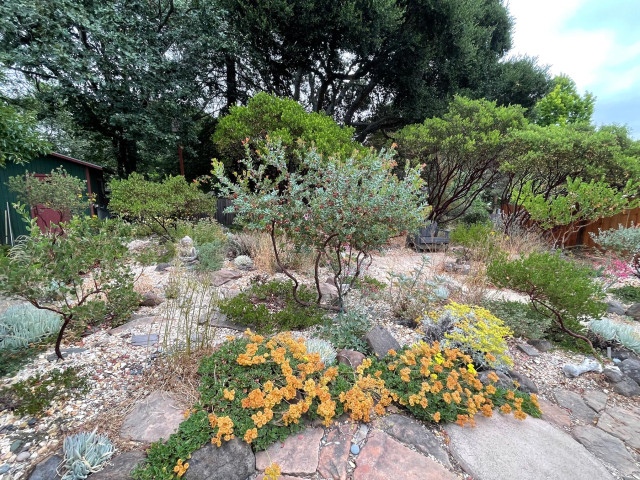
Before buying anything, spend a week observing your yard. Note which areas get full sun, partial shade, or full shade throughout the day. Check your soil texture by squeezing a handful of damp dirt; if it forms a tight ball, you have clay, while crumbly soil indicates good drainage. This simple audit prevents you from planting shade-lovers in sunny spots or vice versa, saving time and plant life.
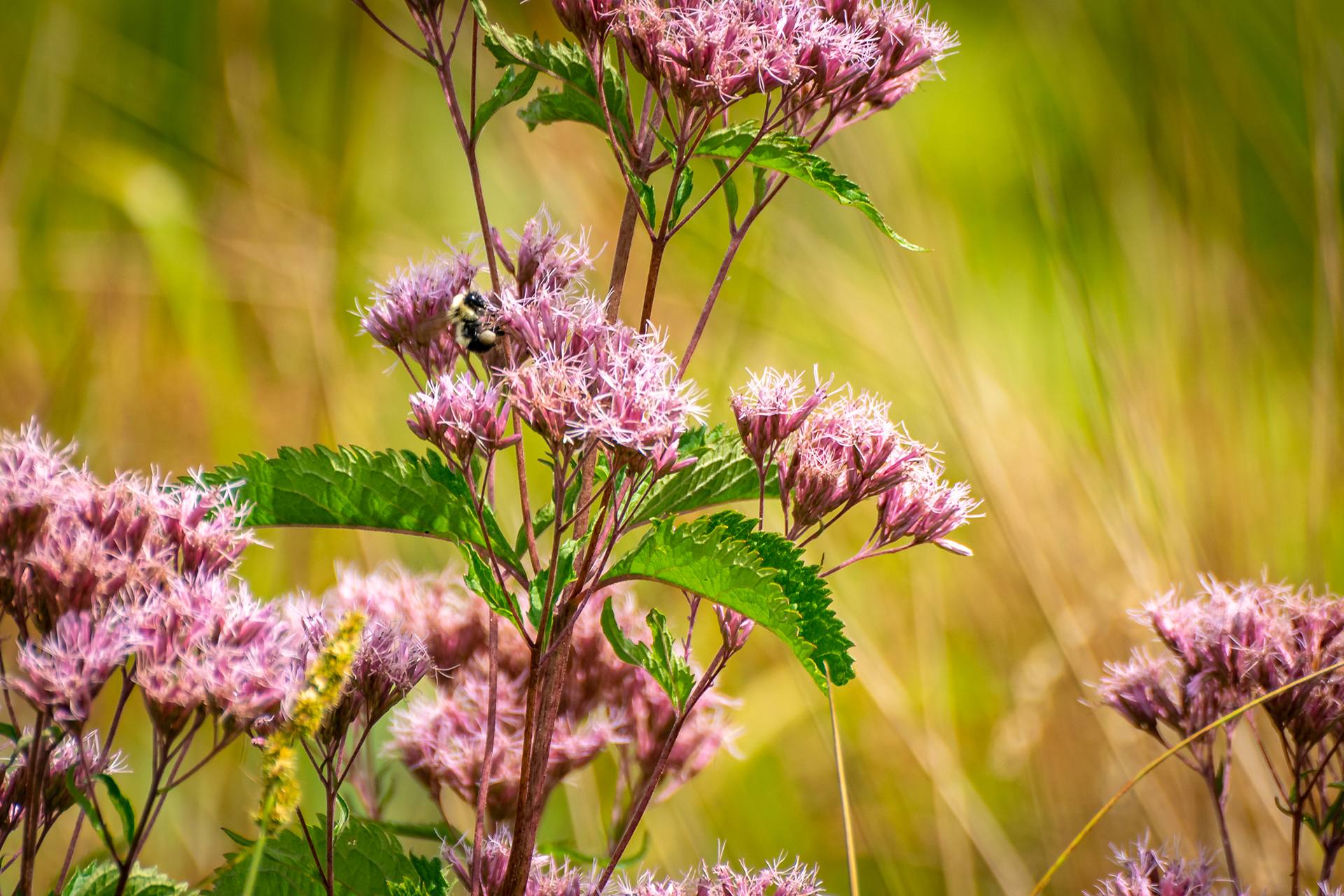
Select plants that are indigenous to your specific region. Native species have evolved to thrive in your local climate and soil conditions, meaning they require less water and no fertilizers once established. Look for a mix of flowering perennials, shrubs, and trees to provide year-round structure and food sources for pollinators and birds. Avoid invasive ornamentals that can choke out local ecosystems.
Skip the synthetic fertilizers and herbicides. Instead, enrich your soil by adding organic matter like compost or leaf mold. This improves soil structure, retains moisture, and feeds beneficial microbes. As the Chicago Botanic Garden notes, sustainable gardeners minimize outside inputs by using materials gathered from their own homes or local sources. A healthy soil foundation is the most critical step in reducing long-term maintenance.
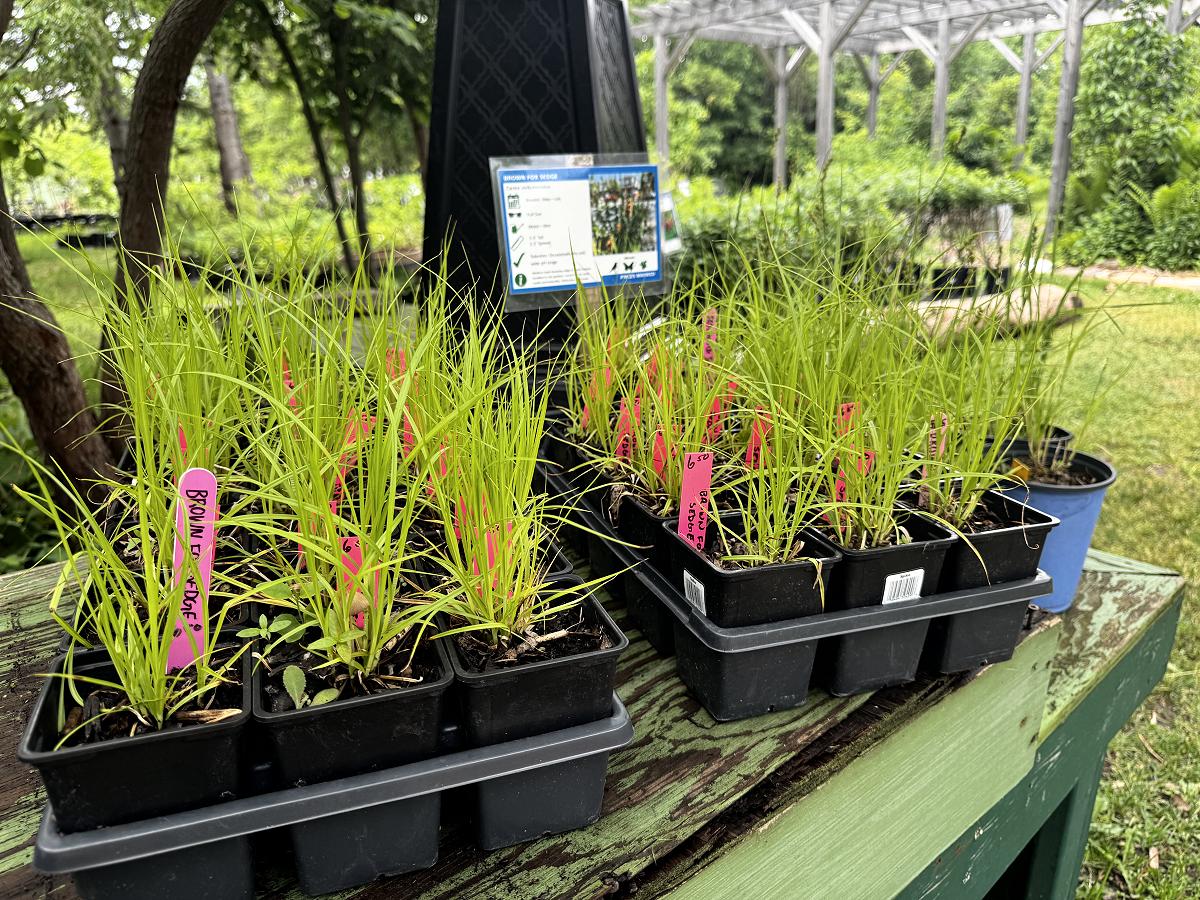
Plant during the cooler months of spring or fall to reduce transplant shock. Space your plants according to their mature size to allow for air circulation and growth. Once planted, apply a thick layer of organic mulch around the base of each plant. Mulch suppresses weeds, retains soil moisture, and slowly breaks down to add nutrients, creating a self-sustaining loop that keeps your garden healthy with minimal effort.


As an Amazon Associate, we may earn from qualifying purchases.
By following this sequence, you build a garden that works with nature rather than against it. The initial effort pays off in a resilient, beautiful landscape that requires less watering, weeding, and chemical intervention over time.
Common questions about native plants
Many gardeners worry that supporting local wildlife means sacrificing a tidy lawn. In reality, sustainable gardening with native species often requires less water, fewer chemicals, and minimal upkeep once established. These plants are adapted to your local climate, meaning they thrive with natural rainfall and resist regional pests without intervention.
You might also wonder if native plants actually attract wildlife or just look nice. While aesthetics matter, the primary goal is ecological function. Native flowers provide specific nectar and pollen sources, while native shrubs and trees offer shelter and host plants for caterpillars. This creates a food web that supports birds, bees, and butterflies more effectively than exotic ornamentals.
Climate zones can seem confusing, but most nurseries clearly label hardiness zones. Selecting plants rated for your specific USDA zone ensures they survive winter and flourish in summer. When shopping for live plants, look for those labeled "native" rather than "regional hybrids" to guarantee they support local insect populations. Pairing these plants with simple tools like a rain barrel or compost bin completes your sustainable setup.
No comments yet. Be the first to share your thoughts!