

Why native plants matter for local wildlife
Native plants are the foundation of a healthy local ecosystem, but their importance goes far beyond simple aesthetics. When you choose plants that evolved in your specific region, you are restoring the food web that local pollinators and birds rely on. Non-native ornamental plants often look attractive, but they provide little to no nutritional value for local wildlife.
The connection is most critical for birds. Most songbird species feed their young exclusively on caterpillars. A single nest of chickadees requires thousands of caterpillars to survive the summer. Native oak trees, for example, support hundreds of caterpillar species, while non-native trees might support only a handful. Without these native plants, the primary food source for baby birds simply disappears.
This ecological relationship is not just theoretical; it is a measurable driver of biodiversity. Research consistently shows that gardens with a high percentage of native species host significantly more insect life, which in turn supports healthier bird populations.
For pollinators like bees and butterflies, native plants offer the right nectar and pollen profiles at the right times of year. Their flowers are often better adapted to local pollinator mouthparts and flight patterns. By planting species like milkweed for monarchs or goldenrod for late-season bees, you provide reliable resources that non-native exotics cannot match.
The National Wildlife Federation and the National Audubon Society both emphasize that creating habitat starts with the ground up. Choosing the right native plants for your zip code is the most effective way to support local wildlife. As we explore the best options for 2026, keep in mind that the most impactful choices are those specific to your local ecosystem.
Top native plants for attracting pollinators
Choosing the right native plants is the most effective way to support local bees, butterflies, and hummingbirds. Unlike exotic ornamentals, native species have co-evolved with local wildlife, providing the specific nectar profiles, pollen densities, and host foliage that pollinators need to survive. When you plant species adapted to your region, you reduce maintenance while creating a reliable food source that supports the entire local ecosystem.
The following plants are widely recognized for their high value to pollinators. They are selected for their ability to bloom across different seasons, ensuring a continuous food supply from early spring through late fall. Each plant serves a specific role, whether as a nectar source for adult bees or a host plant for butterfly caterpillars.
Coneflower (Echinacea purpurea)
Coneflowers are a staple in pollinator gardens because they produce abundant, open-faced flowers that are easy for bees and butterflies to land on. The central cone provides a platform for a wide variety of insects, while the nectar attracts hummingbirds and large bees. These perennials are also drought-tolerant once established, making them a low-maintenance choice for gardeners looking to support local wildlife without constant watering.
Bee Balm (Monarda didyma)
Bee balm, also known as wild bergamot, is a magnet for hummingbirds and long-tongued bees. Its tubular flowers are perfectly shaped for hummingbird beaks, while the flat clusters of blooms attract a wide range of pollinators. This plant thrives in moist soil and partial shade, making it an excellent choice for filling in shaded areas of your garden where other sun-lovers might struggle.
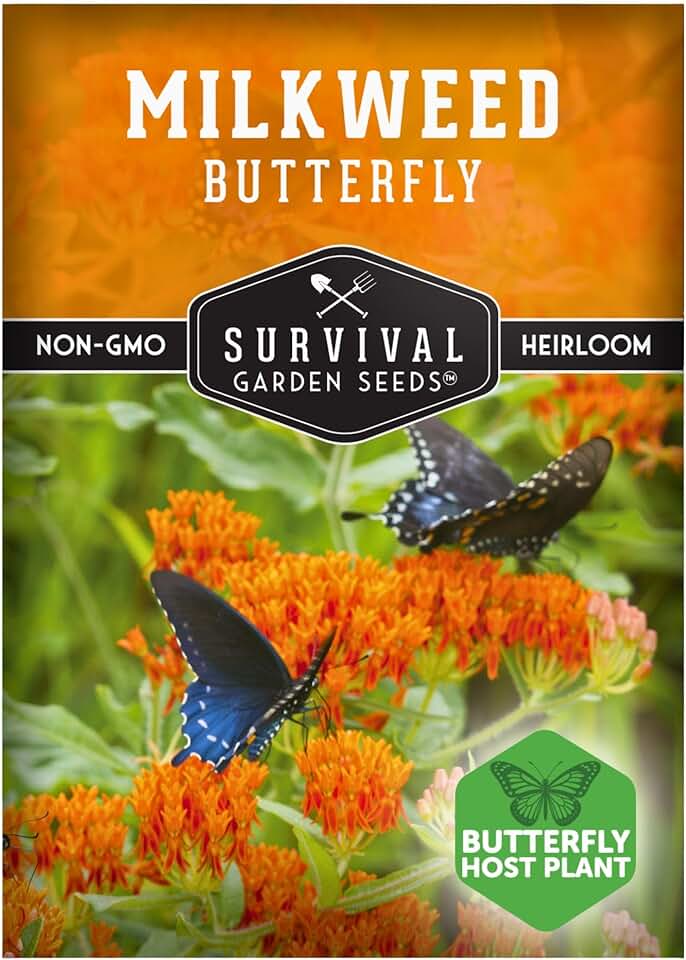
Milkweed (Asclepias spp.)
Milkweed is the only host plant for monarch butterfly caterpillars, making it essential for their survival. Beyond supporting monarchs, the flowers provide rich nectar for bees, butterflies, and other beneficial insects. There are many native varieties suited to different regions, so choosing the right species for your local ecosystem is critical for maximizing its impact on local pollinator populations.
Goldenrod (Solidago spp.)
Goldenrod is often misunderstood as a cause of hay fever, but it is actually one of the most important late-season nectar sources for migrating butterflies and bees. It blooms in late summer and fall, providing crucial energy for pollinators preparing for winter or migration. Planting goldenrod ensures that your garden supports wildlife even when other flowers have finished blooming.



As an Amazon Associate, we may earn from qualifying purchases.
Best native plants for bird-friendly gardens
Building a garden that supports local bird populations requires selecting species that provide three specific resources: food, shelter, and nesting sites. While general landscaping often prioritizes visual symmetry, a bird-friendly garden functions like a pantry and a safe house. Native plants are the best choice because local birds have co-evolved with them, meaning their seeds, berries, and insects are perfectly suited to regional diets.
Berry-producing shrubs
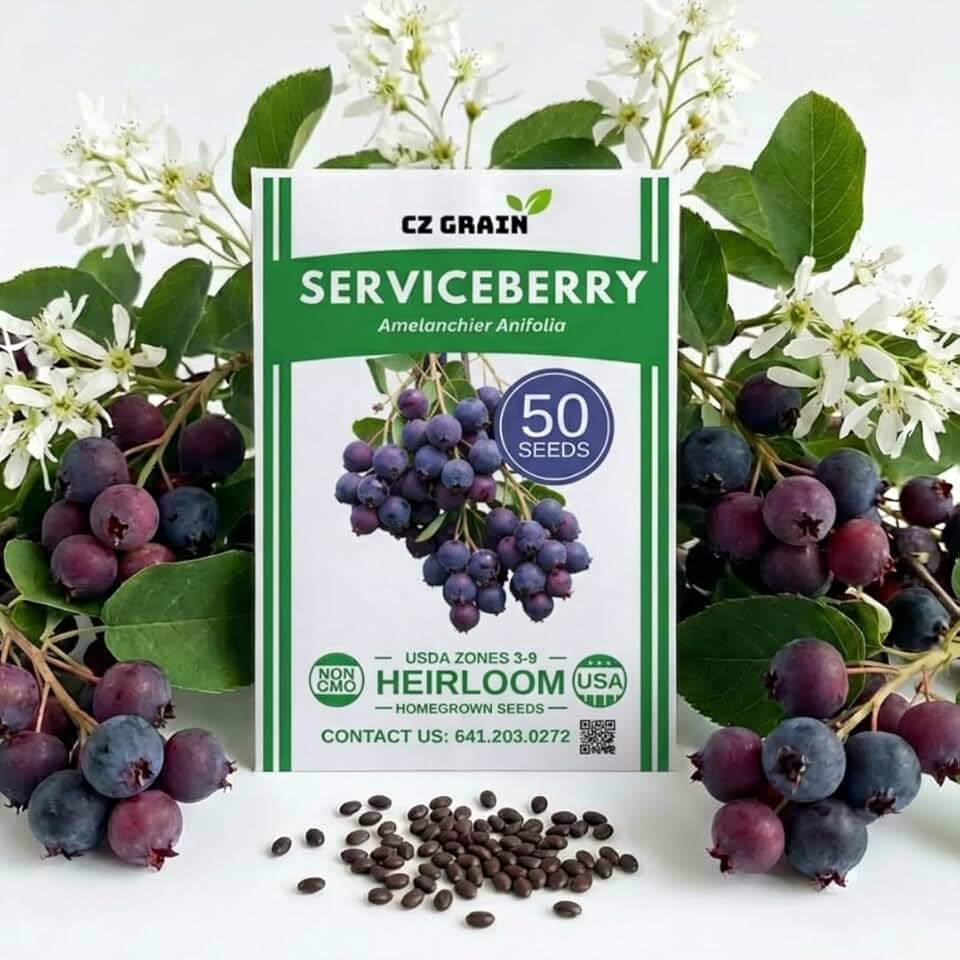
Shrubs are the backbone of a bird-friendly landscape. They offer dense cover for protection from predators and produce high-energy berries that fuel migration and winter survival. Serviceberry (Amelanchier) is a standout for early spring, offering white blossoms and sweet berries that attract robins, catbirds, and thrushes. For later in the season, native dogwoods (Cornus) provide crucial late-summer and fall fruit for migrating songbirds. These shrubs thrive in partial sun and well-drained soil, making them versatile additions to most backyards.
Seed-bearing perennials and grasses
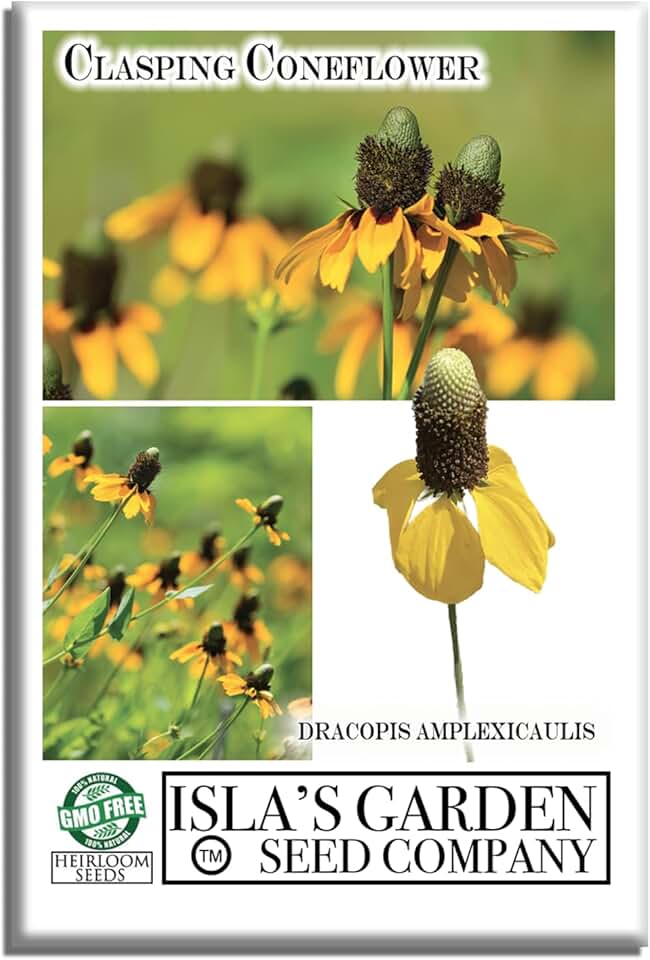
Leaving seed heads on perennials through the winter is one of the best ways to feed finches, sparrows, and chickadees. Coneflower (Echinacea) and Black-eyed Susan (Rudbeckia) are reliable choices that bloom in summer and provide dry seeds for months. Native switchgrass (Panicum virgatum) adds vertical structure and shelter, while its seeds are a favorite of goldfinches. Allowing these plants to stand tall through winter rather than cutting them back in fall creates a continuous food source when other options are scarce.
Nesting-friendly trees
Mature trees provide the structural complexity birds need for nesting and roosting. Oak trees (Quercus) are often called "king of the trees" for wildlife because they support hundreds of caterpillar species, which are essential protein for feeding nestlings. For smaller yards, native dogwood or serviceberry trees offer layered canopies that provide safe perches. These trees also drop acorns or fruits that sustain birds year-round. Planting even one mature native tree can significantly increase bird diversity in your immediate area.
How to choose the right plants
The most important factor in selecting native plants is your specific region. A plant native to the Pacific Northwest may not thrive in the Southeast, and birds in your area are adapted to local species. Use resources like the National Audubon Society’s native plant database to find species verified for your zip code. Once you identify suitable plants, prioritize buying from reputable native plant nurseries that grow stock without harmful pesticides. This ensures the plants are healthy and safe for the wildlife you intend to attract.

As an Amazon Associate, we may earn from qualifying purchases.
How to choose native plants for your region
The term "native" is not a universal label; it is strictly geographic. A plant native to the Pacific Northwest may struggle in the clay soils of the Southeast or the arid heat of Arizona. To support local pollinators and birds effectively, you must select species that have co-evolved with your specific ecosystem.
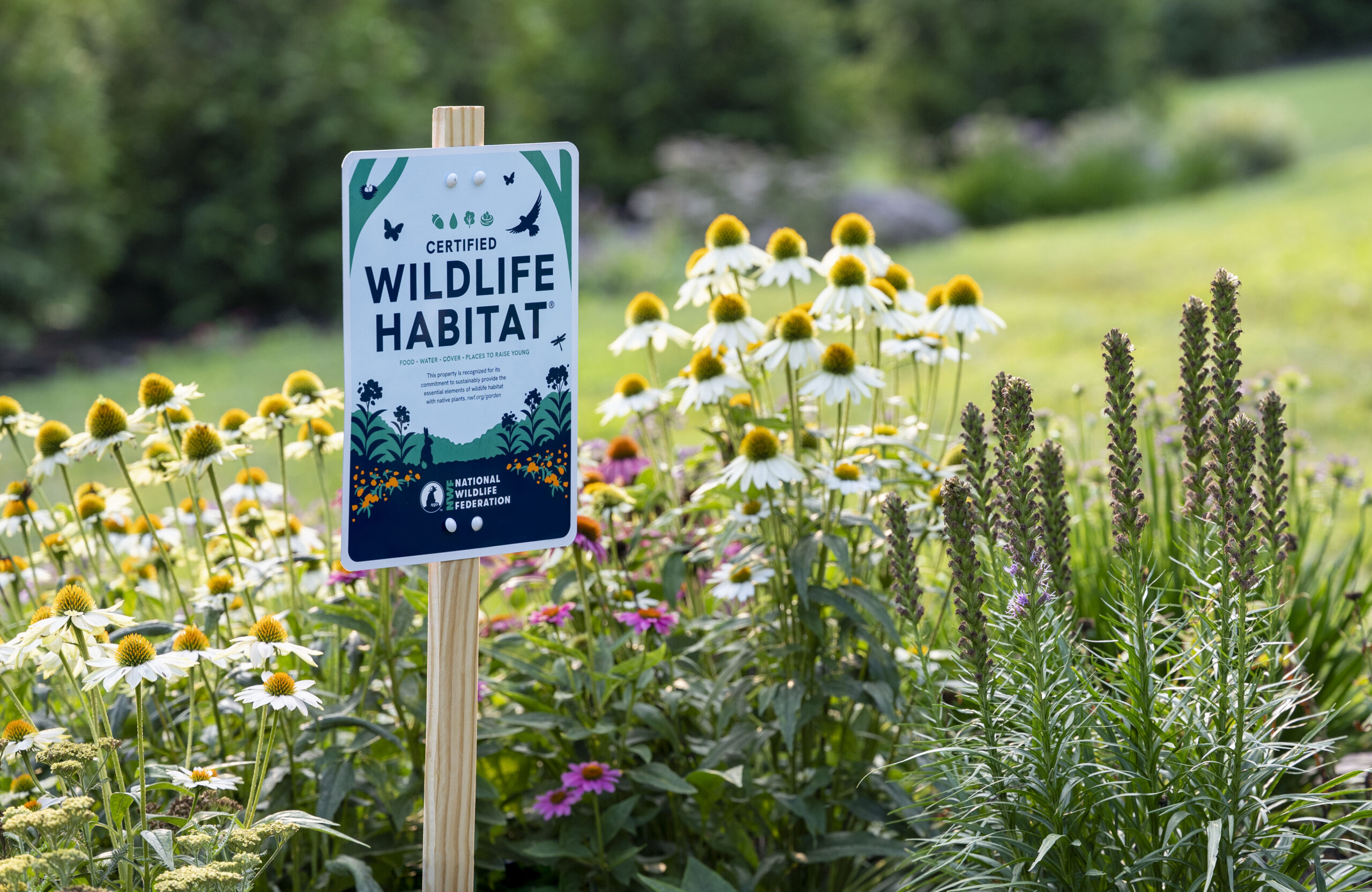
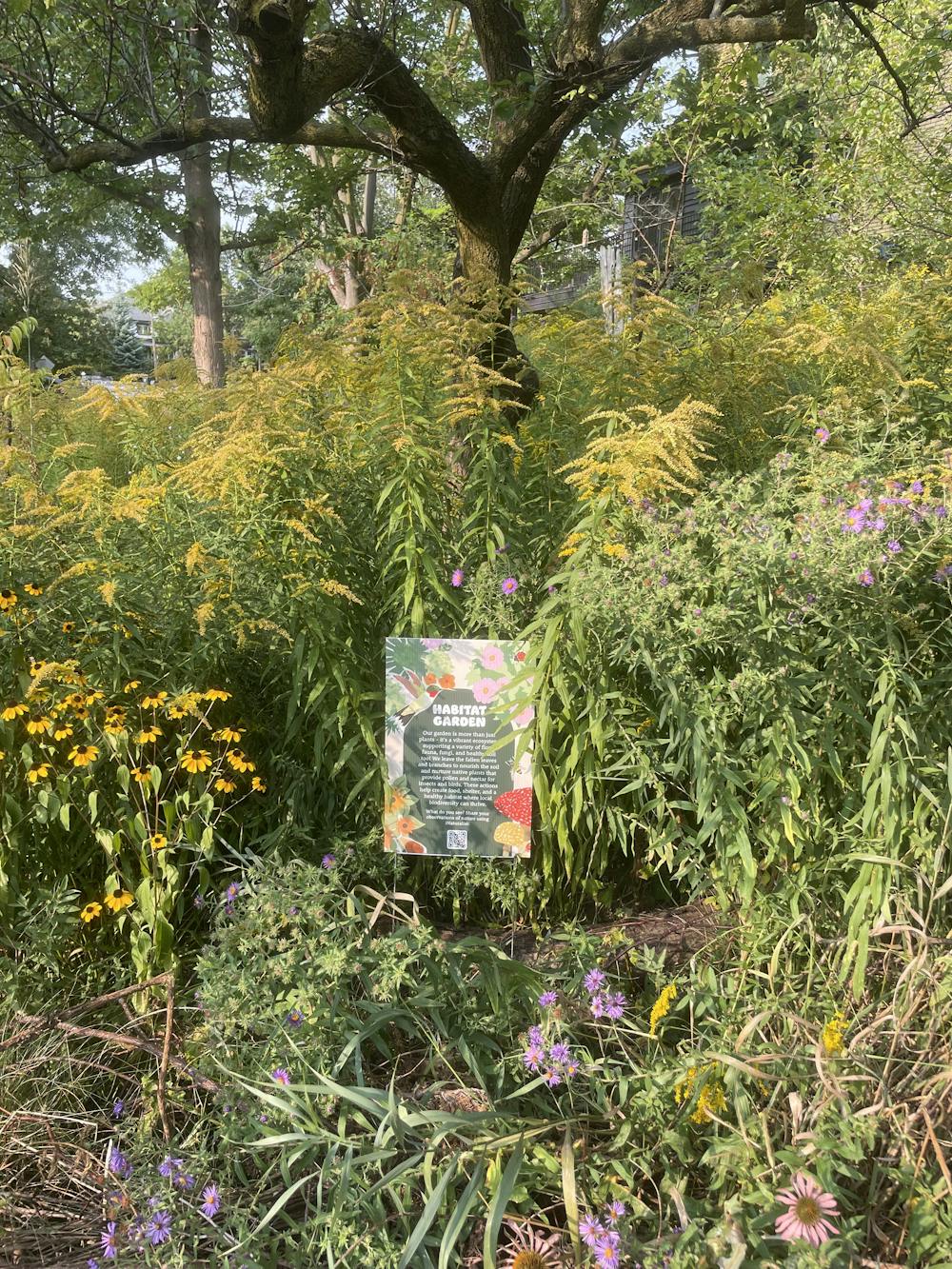
Once you have identified the correct species for your zone and soil, you can move to selection. Focus on plants that provide both nectar for pollinators and seeds or berries for birds. This dual-purpose approach maximizes the ecological value of your garden while reducing the need for supplemental feeding.
| Criteria | Benefit |
|---|---|
| Local Hardiness Zone | Ensures winter survival without extra protection |
| Soil Drainage Match | Prevents root rot and reduces watering needs |
| Regional Native Status | Supports local pollinator life cycles |
Common mistakes when planting native species
Native plants are hardy, but they still need a proper start. One of the most frequent errors is treating them like standard garden varieties. Overwatering is a common culprit; natives like Echinacea and Borago prefer dry spells between waterings. Root rot from soggy soil kills more native seedlings than drought does.
Spacing also matters. Many gardeners crowd plants too tightly, thinking they will fill in faster. This restricts air circulation and invites fungal diseases. Check the mature spread on the plant tag and give each species room to breathe.
Finally, avoid non-local cultivars. A purple coneflower bred for double blooms may look nice, but it often lacks the pollen and nectar pollinators need. Stick to straight-species natives from reputable regional nurseries to ensure your garden truly supports local wildlife.
Frequently asked questions about native plants
Which native plants are best for my specific region? Native plant suitability depends entirely on your local climate and soil conditions. Resources like the Utah Native Plant Society or the Native Plant Database allow you to search by zip code or region to find species that thrive in your specific area. Using plants adapted to your local ecosystem ensures they survive with minimal intervention while supporting local wildlife.
How do I find native plants for pollinators and birds? Start by identifying which pollinators and bird species are native to your area, then select plants that provide their preferred nectar, seeds, or nesting habitats. The National Audubon Society offers guides to help you choose plants that support local bird populations. Focusing on regional species creates a reliable food source that migratory and resident wildlife have evolved to depend on.
Are native plants difficult to maintain? Once established, native plants typically require less water, fertilizer, and pest control than non-native ornamentals. Because they are adapted to your local environment, they are generally more resilient to drought and local pests. Initial establishment may require regular watering, but long-term maintenance is often lower than that of exotic garden varieties.
No comments yet. Be the first to share your thoughts!