
Why Monarchs Need Our Help: A Pollinator in Peril
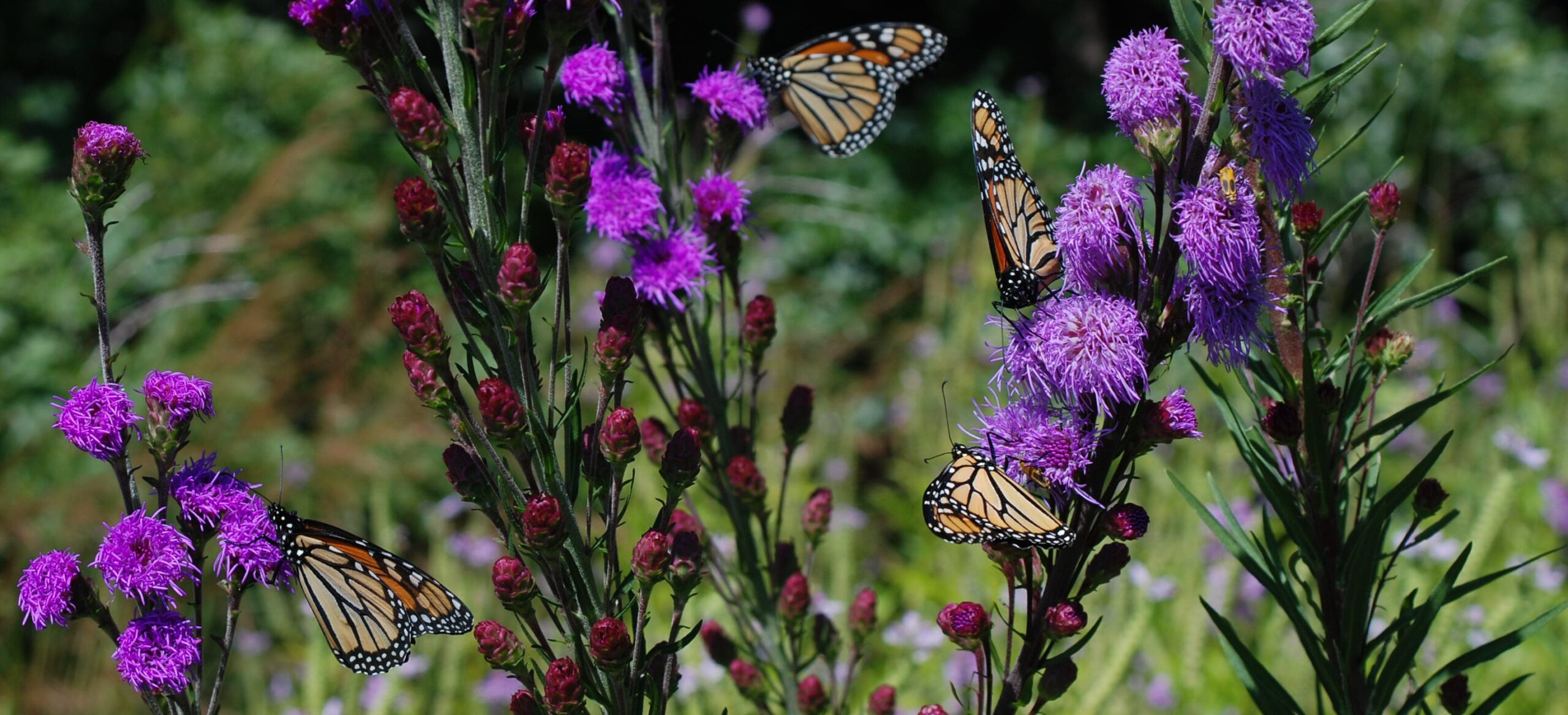
The monarch butterfly, a creature of incredible beauty and resilience, is facing a steep decline. Over the past two decades, the eastern monarch population has decreased by more than 80%, a truly alarming statistic. This isn't just about losing a pretty insect; it’s a signal of broader environmental problems. Habitat loss due to development and agriculture, the increasing use of pesticides, and the impacts of a changing climate all contribute to this crisis.
Monarchs undertake an extraordinary multi-generational migration, traveling thousands of miles from Canada and the US to overwintering grounds in Mexico. This journey is becoming increasingly perilous. The loss of milkweed, the sole food source for monarch caterpillars, along their migratory routes is a major factor. Without sufficient milkweed, caterpillars can’t develop into healthy butterflies, and the entire migration is threatened.
It can feel overwhelming to confront such a large-scale problem. But there’s reason for hope. Even small actions, like planting a pollinator garden, can collectively make a significant difference. You can turn a backyard into a functional ecosystem. Small patches of native flowers provide the fuel monarchs need to reach Mexico.
The situation is serious, but not hopeless. The monarch’s story is a call to action, and a reminder that we all have a role to play in protecting these magnificent creatures. We can choose to be part of the solution, one native plant at a time. It's a chance to actively participate in pollinator recovery, and to experience the joy of a garden teeming with life.
Understanding Native Plants: Beyond 'Bee-Friendly'
When we talk about plants that 'attract pollinators,' it’s easy to fall into the trap of thinking any flowering plant will do. But that’s simply not true. Native plants are the foundation of a healthy ecosystem, and they offer benefits that non-native ornamentals just can’t match. A native plant is one that has evolved and adapted to a specific region over a long period of time.
The relationship between native insects and native plants is one of co-evolution. Over millennia, insects have developed specialized adaptations to feed on – and pollinate – specific plants. Non-native plants often lack the chemical compounds that native insects need for nourishment, or their flower structures may be inaccessible. This means they offer little to no nutritional value, even if they provide some visual appeal.
Certain native plants are considered keystone species, meaning they support a disproportionately large number of other species. For monarchs, milkweed is the ultimate keystone plant. But beyond milkweed, plants like goldenrod and asters provide vital nectar sources for a wide range of pollinators. Understanding these keystone relationships is critical for effective pollinator gardening.
The definition of 'native' depends on your geography. What’s native to Florida won’t be native to Montana. Always research which plants are native to your specific region. The Indiana Native Plant Society (indiananativeplants.org) is a great resource for determining appropriate plants for the Midwest, and similar organizations exist throughout the country.
- Native Plant: A plant that has evolved and adapted to a specific region.
- Keystone Species: A plant that supports a disproportionately large number of other species.
- Co-evolution: The process by which two species evolve in response to each other.
Common Misconceptions About Native Plants
- Myth: Native plants are just weeds. Fact: Native plants are species that have evolved naturally in a specific region over a long period. They aren't weeds; they’re ecologically adapted to local conditions and play a vital role in supporting local ecosystems. Many have beautiful blooms and interesting textures.
- Myth: Native plants are hard to find. Fact: While not always as readily available as non-native ornamentals at big box stores, native plants are increasingly available at native plant nurseries, conservation organization plant sales, and increasingly, through online retailers specializing in native species. Resources like the Native Plant Trust can help locate sources.
- Myth: Native plants don't look as 'pretty' as ornamentals. Fact: Beauty is subjective! Native plants offer a diverse range of colors, forms, and textures. Many boast stunning blooms and interesting foliage. Furthermore, their beauty lies in their ecological function – attracting pollinators and supporting wildlife – which adds another dimension to their appeal.
- Myth: Native plants require more maintenance. Fact: Once established, many native plants are actually *less* demanding than non-native species. They are adapted to the local climate and soil conditions, requiring less watering, fertilizing, and pest control. The Lady Bird Johnson Wildflower Center (https://www.wildflower.org/) offers extensive information on care.
- Myth: It's too late to make a difference with native plants. Fact: Every new native plant contributes to pollinator recovery and ecosystem health. Even a small garden or container planting can provide valuable habitat. Increasing native plant coverage, even incrementally, is a positive step.
The Milkweed Foundation: Essential Host Plants
Milkweed is absolutely essential for monarch butterflies. It's the only plant that monarch caterpillars will eat. Without milkweed, there are no monarchs. Period. But not all milkweed species are created equal, and choosing the right one for your region is important. Common milkweed (Asclepias syriaca) is widely distributed, but can spread aggressively. Butterfly weed (Asclepias tuberosa) is a more manageable option, with bright orange flowers.
Swamp milkweed (Asclepias incarnata) prefers moist soils and is a good choice for rain gardens. Whorled milkweed (Asclepias verticillata) is another great option that tolerates a variety of conditions. Consider planting a mix of milkweed species to provide a longer bloom time and cater to different monarch preferences. Each species offers slightly different benefits, and a diversity of plants is always more resilient.
Milkweed contains cardiac glycosides, which are toxic to many animals. However, monarchs have evolved to tolerate these compounds, and actually sequester them in their bodies, making them toxic to predators. This is a clever defense mechanism! While milkweed isn’t generally considered highly toxic to pets, it’s best to prevent them from consuming large quantities of it. A nibble is unlikely to cause serious harm, but excessive ingestion could lead to digestive upset.
Growing conditions vary by species. Common milkweed thrives in full sun and well-drained soil, while swamp milkweed prefers full sun and consistently moist conditions. Butterfly weed is drought-tolerant and prefers drier soils. Understanding the specific needs of each species will increase your success rate. I've found that amending the soil with compost at planting time gives the milkweed a good start.
Milkweed Species Comparison for Monarch Support
| Scientific Name | Common Name | Hardiness Zone | Sun Exposure | Soil Moisture | Flower Color | Caterpillar Host Suitability (1-5) |
|---|---|---|---|---|---|---|
| Asclepias syriaca | Common Milkweed | 3-9 | Full Sun | Moist to Dry | Pinkish-purple | 5 |
| Asclepias tuberosa | Butterfly Weed | 3-9 | Full Sun | Well-drained | Bright Orange | 4 |
| Asclepias incarnata | Swamp Milkweed | 3-9 | Full Sun to Partial Shade | Moist to Wet | Pink | 4 |
| Asclepias speciosa | Showy Milkweed | 3-10 | Full Sun | Well-drained | Pinkish-lavender | 4 |
| Asclepias viridis | Green Milkweed | 3-8 | Full Sun to Partial Shade | Moist | Greenish-white | 3 |
Illustrative comparison based on the article research brief. Verify current pricing, limits, and product details in the official docs before relying on it.
Beyond Milkweed: 10 Nectar Plants for Adult Monarchs
Caterpillars need the leaves, but adult monarchs require high-energy nectar to power their migration. Providing a diversity of nectar plants with staggered bloom times will ensure a continuous food source throughout the growing season. Here are ten excellent choices:
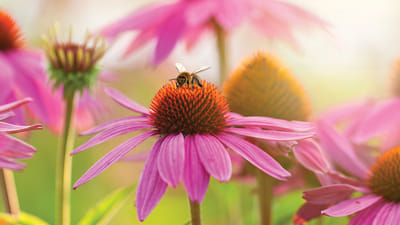
Purple Coneflowers (Echinacea purpurea) are a classic choice, with their daisy-like flowers and long bloom period. They are relatively drought-tolerant and attract a wide range of pollinators. Asters (Symphyotrichum spp.) bloom in the fall, providing a late-season nectar source when other flowers are fading. Goldenrod (Solidago spp.) is often unfairly blamed for allergies, but it’s a fantastic nectar plant that supports dozens of insect species.
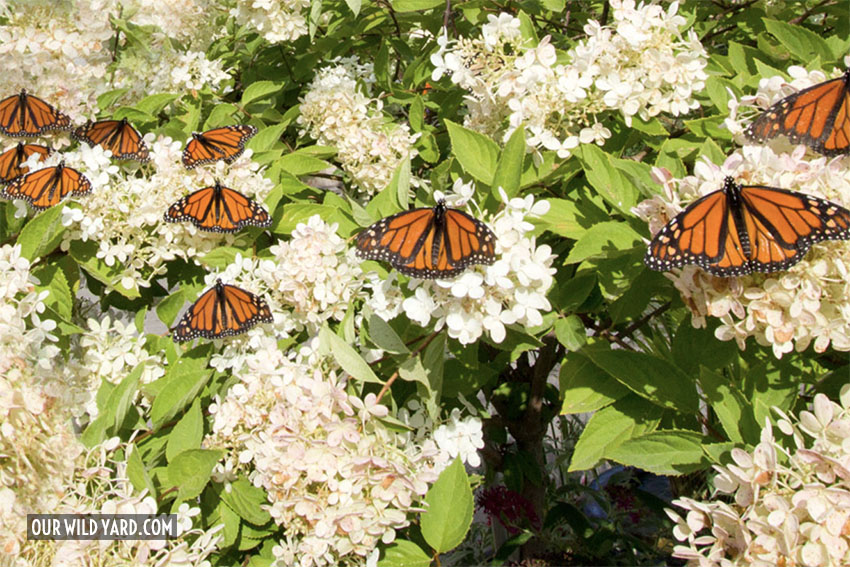
Joe-Pye Weed (Eutrochium purpureum) is a tall, stately plant that attracts butterflies from afar. Bee Balm (Monarda spp.) is another butterfly magnet, with its vibrant red flowers. Blazing Star (Liatris spp.) adds vertical interest to the garden and provides a long-lasting nectar source. Black-Eyed Susans (Rudbeckia hirta) are cheerful and easy to grow, while Mountain Mint (Pycnanthemum spp.) is a favorite of bees and butterflies alike.
Ironweed (Vernonia spp.) is a tall, purple-flowered plant that blooms in late summer. Sunflowers (Helianthus annuus) provide both nectar and seeds for birds. These plants aren’t just beneficial for monarchs; they support a whole host of other pollinators, including bees, hummingbirds, and moths. I've noticed a significant increase in pollinator activity in my garden since I started incorporating these plants.
Consider planting these nectar sources in clumps, rather than scattering them individually. This makes it easier for pollinators to find them. Also, avoid cultivars that have been bred for double flowers, as these often lack nectar or pollen. A youtube video from Pollinator Partnership (https://www.youtube.com/watch?v=1J0KqTjWv1A) offers excellent visual advice on selecting nectar plants.
Regional Considerations: Tailoring Your Garden to Your Zone
Remember, "native" is a geographically specific term. A plant native to New England isn't necessarily native to California. What might thrive in one region could be invasive in another. It’s crucial to choose plants that are appropriate for your climate and ecosystem. The U.S. is divided into distinct ecoregions. A plant that thrives in the humid Southeast will likely fail in the high deserts of the West.ese regions for native plant selection:
Northeast: Focus on plants like New England aster, milkweed varieties adapted to colder climates, and Joe-Pye weed. Southeast: Consider plants like passionflower vine (a larval host for certain butterflies), swamp milkweed, and various types of goldenrod. Midwest: Common milkweed, prairie blazing star, and purple coneflower are excellent choices. Southwest: Desert milkweed, penstemon, and agave are well-suited to arid conditions.
West Coast: California milkweed, California aster, and lupine are great options. It’s essential to check with your local native plant society or nursery to determine which plants are best for your specific area. They can provide guidance on which species are most beneficial to local pollinators and which ones to avoid. The U.S. Fish and Wildlife Service has a native plant list available at fws.gov as a starting point.
Finding a reputable native plant nursery is also important. These nurseries typically specialize in locally sourced plants and can offer expert advice. Avoid nurseries that sell cultivars of native plants, as these may have reduced benefits for pollinators. A little research upfront will save you time and effort in the long run, and ensure that your garden is truly beneficial to local ecosystems.
Creating a Pollinator Habitat: Design and Maintenance
Designing a pollinator-friendly garden goes beyond simply planting native plants. It’s about creating a habitat that provides food, water, and shelter for pollinators. Consider providing a shallow dish of water with stones for pollinators to land on and drink safely. Avoid using pesticides, herbicides, and other chemicals that can harm pollinators.
Leave some areas of your garden "wild’ – don"t be afraid to let some leaves accumulate or allow some plants to go to seed. These areas provide important overwintering habitat for insects. Layering plants – combining groundcovers, shrubs, and trees – creates a more complex and resilient habitat. This mimics the natural structure of a forest or meadow.
Invasive plants can outcompete native plants and disrupt the ecosystem. Regularly monitor your garden for invasive species and remove them promptly. Hand-pulling is often the most effective method, but be sure to dispose of the plants properly to prevent them from spreading. A checklist for creating a pollinator garden might include: 1) Plant a diversity of native plants. 2) Provide a water source. 3) Avoid pesticides. 4) Leave some areas wild. 5) Remove invasive plants.
Don’t underestimate the power of observation. Spend time in your garden, watching the pollinators that visit and learning their preferences. This will help you refine your garden design and create an even more welcoming habitat. I've learned so much just by observing the interactions between pollinators and plants in my own garden.
Supporting Pollinator Recovery: What Else Can You Do?
Supporting pollinator recovery extends beyond the boundaries of your garden. Advocate for pollinator-friendly policies in your community, such as reduced pesticide use in public spaces. Encourage your local government to plant native plants in parks and along roadsides. Support organizations that are dedicated to pollinator conservation.
Participate in citizen science projects, such as monarch butterfly tagging or pollinator surveys. These projects provide valuable data that can help scientists track pollinator populations and understand their needs. The Journey North project (https://www.journeynorth.org/) is a great resource for finding citizen science opportunities.
Spread the word about the importance of pollinators to your friends, family, and neighbors. Educate them about the threats they face and the simple steps they can take to help. Even small actions, when multiplied across a community, can have a significant impact. Consider starting a local pollinator gardening club or organizing a workshop on native plants.
While I’m not certain about the specifics of local policy changes, focusing on raising awareness and supporting conservation organizations feels like a productive path forward. Every effort, no matter how small, contributes to a larger movement. The more people who understand the importance of pollinators, the better chance we have of securing their future.
Resources and Further Learning
To continue your journey into pollinator gardening, here are some valuable resources. The USDA Forest Service Native Gardening guide (fs.usda.gov) provides comprehensive information on selecting and planting native plants. The U.S. Fish & Wildlife Service native plant list (fws.gov) offers a starting point for finding native plants in your region.
Regional native plant societies are excellent sources of local expertise and plant recommendations. Reputable gardening websites, such as the Lady Bird Johnson Wildflower Center (https://www.wildflower.org/), offer a wealth of information on native plants and pollinator gardening. A recent tweet from the Xerces Society (https://twitter.com/xercesociety/status/1769999398098528324) highlights their latest research on pollinator habitat restoration.
Join Mill Creek Alliance next Saturday, April 18th, to learn about native plants, rain gardens, and simple gardening practices to implement in your own garden!🌼
— Mill Creek Alliance (@MillCreekAlli) April 12, 2026
🔗Learn more and register now: https://t.co/Dp0TwhYpqN pic.twitter.com/t7Nkx6DIeN
No comments yet. Be the first to share your thoughts!