

Why native plants matter for wildlife
Sustainable gardening works with the local environment to support biodiversity. By choosing plants that evolved in your specific region, you provide the exact food sources and shelter that local pollinators and birds need. This approach reduces resource use while creating a resilient ecosystem.
Native species like milkweed, coneflower, and serviceberry have co-evolved with regional wildlife over thousands of years. These plants offer high-nutrient seeds and nectar that non-native ornamentals often lack. For example, monarch caterpillars can only eat milkweed, while many songbirds rely on the insects that feed on native leaves to raise their young. This biological connection is the foundation of a resilient garden.
The practice also reduces the need for chemical inputs. Native plants are adapted to local soil and climate conditions, meaning they require less water, fertilizer, and pesticides. This creates a healthier environment for beneficial insects and birds, turning your garden into a sanctuary rather than a sterile display.
Top native plants for pollinators
Supporting local ecosystems begins with selecting plant species that provide the specific nectar and pollen structures that bees, butterflies, and other pollinators rely on. By integrating these species into your sustainable gardening routine, you create a resilient habitat that requires less water and fewer chemical inputs than non-native alternatives.
Purple Coneflower (Echinacea purpurea)
Purple coneflower is a staple in sustainable gardening for its ability to attract a wide variety of pollinators, particularly bees and butterflies. Its prominent central cone offers an easy landing pad for insects, while the surrounding petals provide accessible nectar. This perennial is drought-tolerant once established, making it an ideal choice for low-maintenance gardens that support biodiversity.
Bee Balm (Monarda didyma)
Bee balm, also known as wild bergamot, is renowned for its tubular flowers that are perfectly shaped for hummingbirds and long-tongued bees. The plant’s vibrant red, pink, or purple blooms provide a continuous food source throughout the summer. Its aromatic foliage can also help deter certain pests naturally, reducing the need for synthetic pesticides in your sustainable garden.
Black-eyed Susan (Rudbeckia hirta)
Black-eyed Susan is a hardy perennial that thrives in poor soil conditions, making it a forgiving option for beginner gardeners focused on sustainability. Its bright yellow petals and dark centers are magnets for goldfinches and bees alike. Allowing the seed heads to remain on the plant into winter provides crucial food for birds and overwintering insects.
Milkweed (Asclepias spp.)
Milkweed is the essential host plant for monarch butterfly caterpillars, making it a critical component of any pollinator-friendly garden. Different species of milkweed suit various climates, from the common swamp milkweed to the drought-resistant butterfly weed. Planting milkweed ensures that monarchs have the necessary resources to complete their life cycle, supporting one of nature’s most remarkable migrations.


As an Amazon Associate, we may earn from qualifying purchases.
Best native plants for birds
Sustainable gardening means creating a habitat where local wildlife thrives without relying on chemical inputs or imported species. Native plants offer the specific seeds, berries, and insects that birds need to survive and raise their young. Unlike exotic ornamentals, these plants require less water and maintenance while providing essential shelter and food sources.
Serviceberry (Amelanchier arborea)
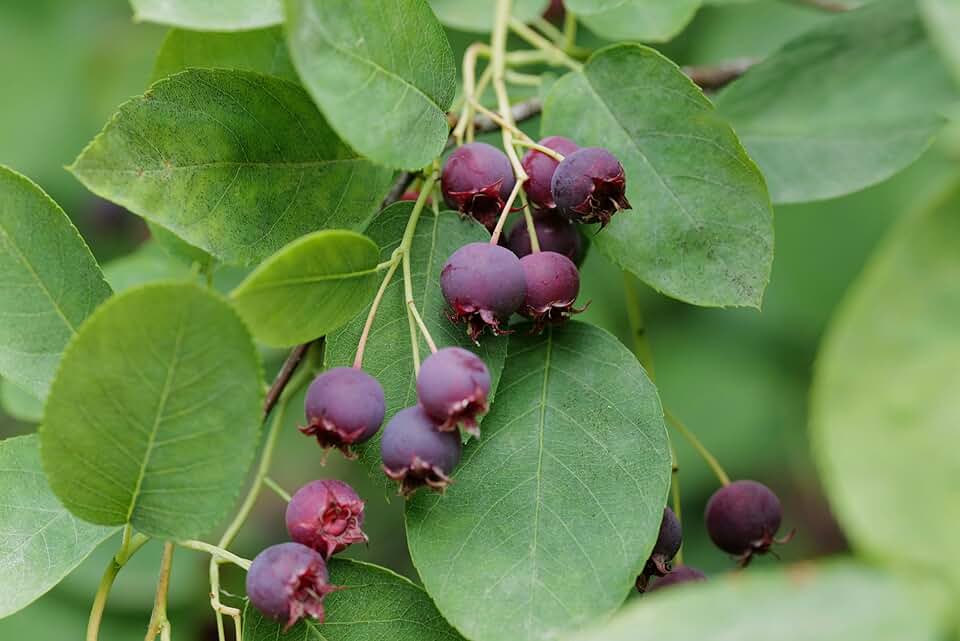
Serviceberry is a small tree or large shrub that offers four seasons of interest for birds. In spring, its white flowers attract early pollinators, but by early summer, the edible berries ripen. These fruits are a favorite of robins, thrushes, and bluebirds, who eat them directly from the branches. The tree also provides dense cover for nesting. Its fall foliage adds color before the leaves drop, leaving seeds for ground-feeding birds like juncos and sparrows to forage.
Winterberry (Ilex verticillata)
Winterberry holly is a deciduous holly that keeps its bright red berries long after the leaves have fallen. This makes it a critical winter food source when other options are scarce. Birds such as cedar waxwings, robins, and cardinals rely on these persistent berries to get through cold snaps. It requires a male pollinator nearby to produce fruit and prefers moist, acidic soil. Planting it near windows allows you to watch birds feeding safely indoors.
Coneflower (Echinacea purpurea)
While known for attracting butterflies, coneflowers are equally valuable for birds. After the flowers fade, the large, seed-filled cones remain standing through winter. Goldfinches are particularly fond of these seeds, often hanging upside down to extract them. Leaving the dead heads on the plants through the colder months ensures a reliable food supply. In spring, you can cut them back to make room for new growth.
Dogwood (Cornus spp.)
Native dogwoods produce clusters of small, nutrient-dense berries that ripen in late summer and early fall. These berries are a staple for over 40 bird species, including thrushes, catbirds, and woodpeckers. The branching structure of dogwoods also offers excellent nesting sites. Some species, like the Pacific dogwood, have large leaves that provide shade and cooling shelter for birds during hot summer days.
Getting Started with Native Seeds and Saplings
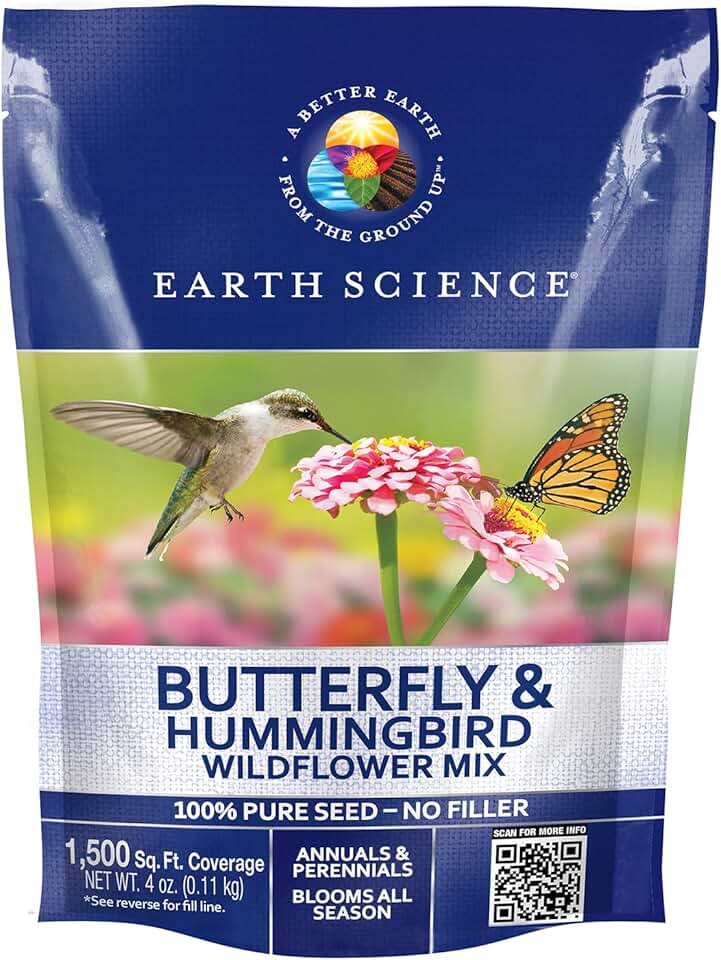
Establishing a bird-friendly garden starts with selecting the right plants for your region. You can begin with seeds for hardy perennials like coneflowers or purchase young saplings for trees and shrubs like serviceberry and dogwood. Using native plants reduces the need for fertilizers and pesticides, aligning with sustainable gardening principles. Look for local nurseries that specialize in region-specific stock to ensure genetic integrity and ecological benefit.

As an Amazon Associate, we may earn from qualifying purchases.
How to choose plants for your zone
Selecting the right native plants is the first step in effective sustainable gardening. Plants that are naturally adapted to your region’s climate and soil require less water, fewer fertilizers, and minimal maintenance. Choosing species that thrive in your specific USDA hardiness zone ensures they can withstand local temperature extremes without extra intervention.
Start by identifying your USDA hardiness zone. This number reflects the average annual extreme minimum winter temperature in your area. For example, a zone 5 plant will struggle in zone 7’s warmer winters, while a zone 9 species may not survive a zone 4 freeze. Use your zip code to find your exact zone on the USDA Plant Hardiness Zone Map. This baseline determines which plants have the best chance of surviving your winters.
Once you know your zone, assess your soil and sun conditions. Native plants are adapted to local soil types, whether clay, sand, or loam. Check if your garden bed is full sun, part shade, or full shade. Matching these conditions to the plant’s natural habitat increases its resilience. For instance, purple coneflower thrives in full sun and well-drained soil, while foam flower prefers shade and moist conditions.
Here is a quick checklist to guide your selection:
- Check your USDA hardiness zone.
- Test your soil type and drainage.
- Note the sun exposure in your garden bed.
- Verify the plant’s native range includes your area.
Choosing plants that fit these criteria creates a resilient garden that supports local pollinators and birds while reducing your environmental footprint.
Sustainable gardening tips for new plantings
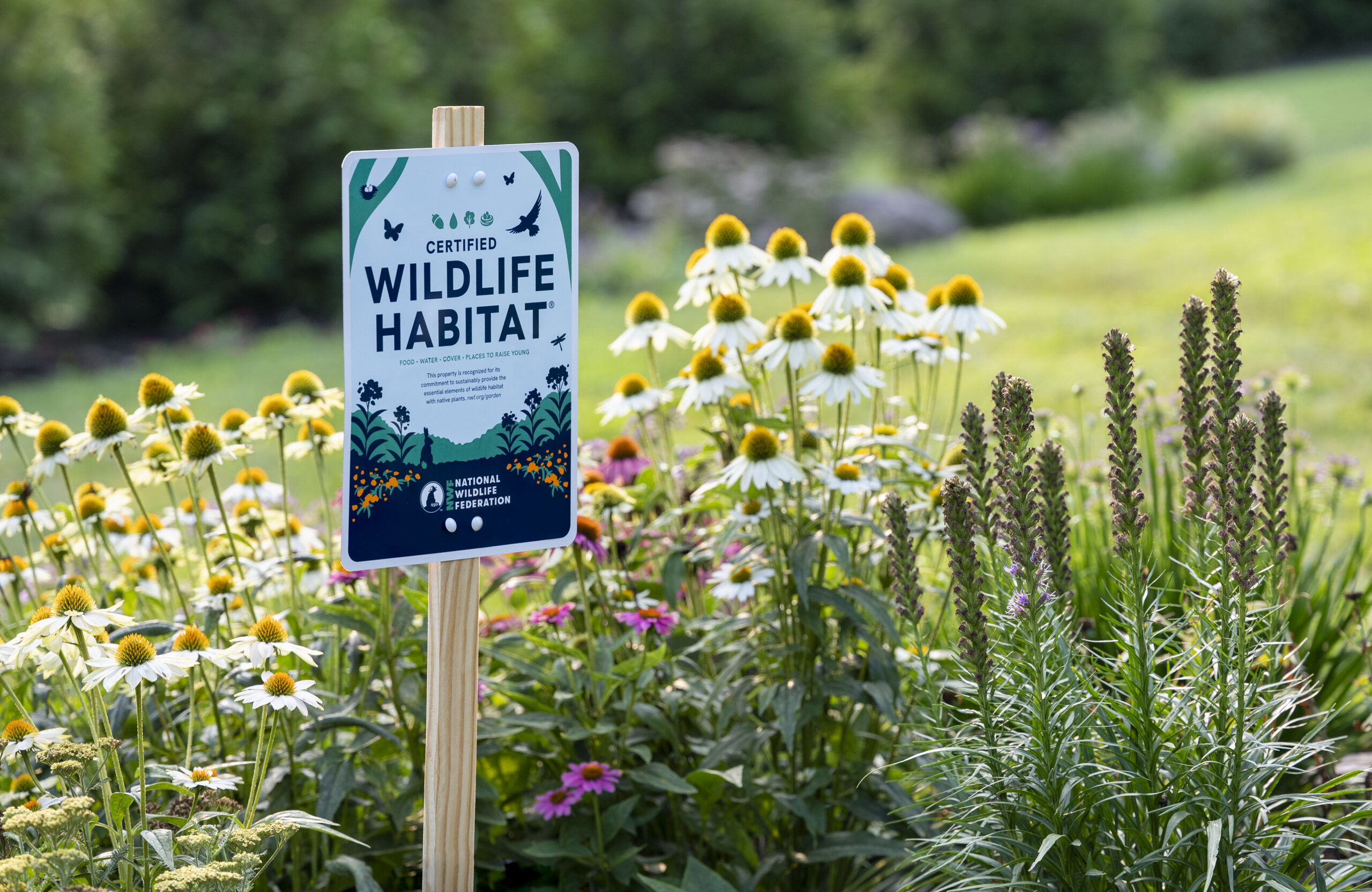
Sustainable gardening is less about strict rules and more about working with the local ecosystem. When introducing native plants, the goal is to help them establish roots with minimal intervention. This approach reduces water waste, eliminates harmful chemicals, and builds soil health naturally. By focusing on these three pillars, you create a resilient garden that supports pollinators and birds without draining your resources.
New native plants need consistent moisture for the first growing season to develop deep root systems. After that, most species thrive on rainfall alone. Water deeply but infrequently to encourage roots to grow downward. Avoid daily sprinkling, which keeps roots shallow and makes plants vulnerable to drought. Mulch around the base to retain moisture and suppress weeds.
Native plants are adapted to local pests and soil conditions. Introducing chemical pesticides harms the very pollinators and birds you want to attract. Instead, use integrated pest management: encourage beneficial insects like ladybugs and lacewings by planting diverse species. Healthy soil, built through composting, provides the nutrients plants need without synthetic additives.
Compost is the foundation of sustainable gardening. It improves soil structure, retains water, and feeds beneficial microbes. Apply a layer of compost around your new plantings each spring. This reduces the need for bagged fertilizers and closes the nutrient loop in your garden. You can make your own from kitchen scraps and yard waste, or buy locally sourced options.
To see how these practices compare to conventional methods, consider the resource differences.
| Practice | Sustainable Approach | Conventional Approach |
|---|---|---|
| Watering | Deep, infrequent watering after establishment | |
| Watering | Frequent, shallow sprinkling | |
| Pest Control | Beneficial insects and plant diversity | |
| Pest Control | Synthetic pesticides and herbicides | |
| Soil Health | Compost and organic matter | |
| Soil Health | Synthetic fertilizers |
Building a garden that gives back to the environment starts with these simple, low-impact choices. By prioritizing native species and natural maintenance, you create a habitat that thrives on its own terms.
Frequently asked questions about native plants
What is sustainable gardening?
Sustainable gardening focuses on creating an environmentally friendly garden that doesn't deplete natural resources or harm local ecosystems. Practices like No Mow May help pollinators and wildflowers thrive, while using homemade compost reduces waste and enriches the soil naturally.
Do native plants attract more pollinators and birds?
Yes. Native plants provide the best food and shelter sources for native bees, butterflies, and songbirds. Unlike exotic ornamentals, many native species produce nectar and pollen that local insects can easily access. Their seeds and berries provide essential calories for migratory birds. Planting species like coneflowers, milkweed, or serviceberry directly supports the local food web.
Are native plants difficult to maintain?
Native plants are generally low-maintenance because they are adapted to your local climate and soil conditions. Once established, they typically require less water, fertilizer, and pesticide than non-native species. They are also more resistant to local pests and diseases, reducing the need for chemical interventions.
Can I grow native plants in containers?
Many native species are compact and well-suited for containers, window boxes, or small urban gardens. Dwarf varieties of native asters, sedums, or creeping phlox work beautifully in pots. Even small balconies can support pollinators with native herbs like wild bergamot or native mints.
When is the best time to plant native species?
Spring and early fall are typically the best times to plant most native perennials and shrubs. Spring planting gives plants the entire growing season to establish roots before winter. Fall planting allows the root system to develop during the cooler months, leading to stronger growth in spring. Avoid planting in the heat of summer unless you can provide consistent watering.
No comments yet. Be the first to share your thoughts!