

Plan your sustainable garden layout
Build a Wildlife-Friendly Garden with Native Plants works best as a clear sequence: define the constraint, compare the realistic options, test the tradeoff, and choose the path with the fewest hidden costs. That order keeps the advice usable instead of decorative. After each step, pause long enough to check whether the recommendation still fits the reader's actual situation. If it depends on perfect timing, unusual access, or a best-case budget, include a simpler fallback.
The simplest way to use this section is to write down the real constraint first, compare each option against it, and choose the path that still works outside ideal conditions.
Prepare the soil with compost
Healthy soil is the foundation of a wildlife-friendly garden. Native plants thrive in organic matter that retains moisture and supports beneficial microbes. Using compost instead of chemical fertilizers builds this foundation naturally, creating a resilient environment for local pollinators and birds.
Add organic matter to the planting bed
Start by clearing weeds and debris from your planting area. Spread a 2-3 inch layer of finished compost or well-rotted manure over the soil surface. This layer acts as a nutrient reservoir, slowly releasing nitrogen and phosphorus as plants grow. Avoid synthetic alternatives that can harm soil biology and runoff into local waterways.
Work compost into the topsoil
Use a garden fork or tiller to mix the compost into the top 6-8 inches of soil. Turn the earth gently to avoid damaging existing soil structure or bringing dormant weed seeds to the surface. The goal is to integrate the organic matter evenly, creating a loose, aerated medium that allows native roots to penetrate easily.
Moisture and settle the bed
Water the prepared bed thoroughly to settle the soil and activate the compost microbes. Let the bed rest for a few days before planting. This settling period ensures the soil is firm enough to support plant roots while remaining loose enough for drainage. A well-prepared bed reduces transplant shock and helps native plants establish quickly.
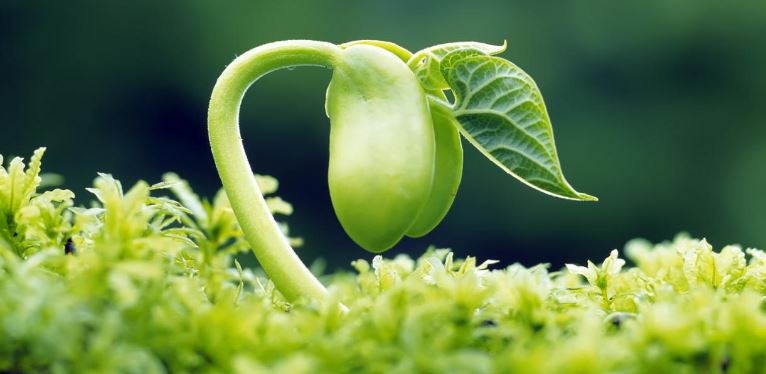
Remove all weeds, rocks, and debris. Rake the surface smooth to create a clean slate for your new native plants.
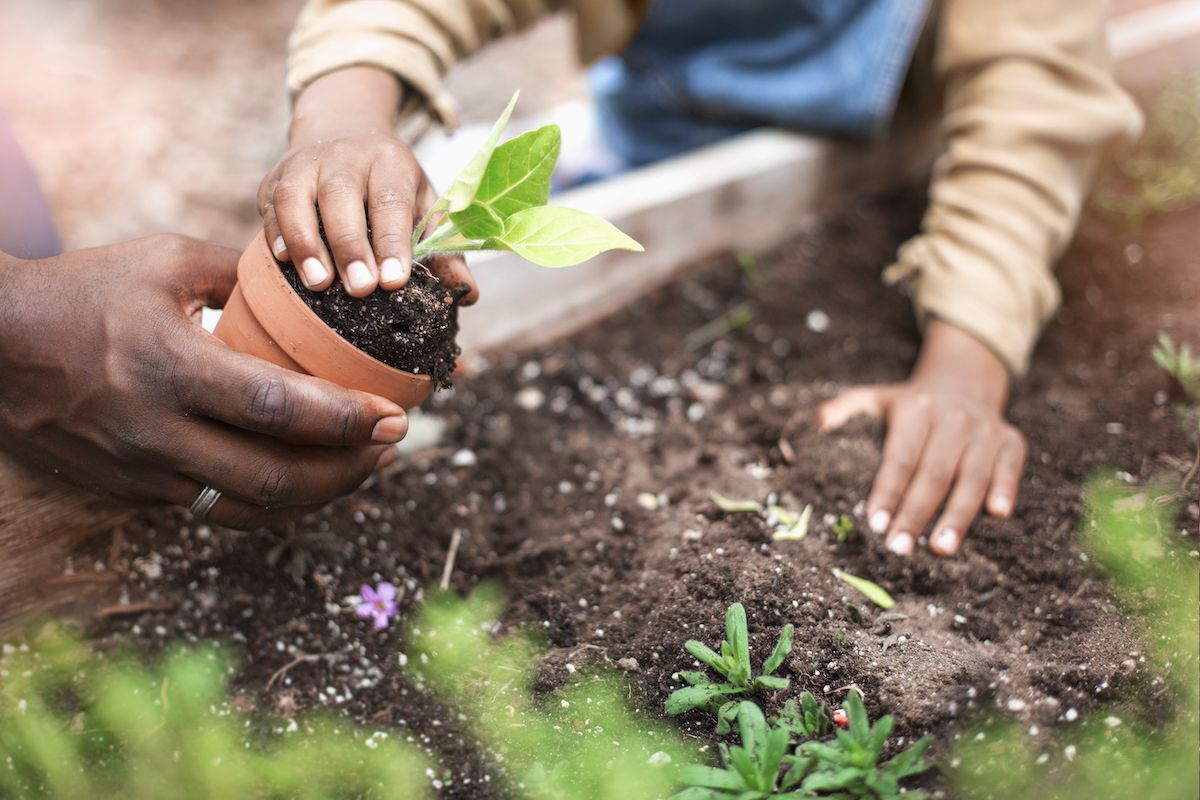
Apply a 2-3 inch layer of compost. Spread it uniformly across the planting area to ensure consistent nutrient availability.
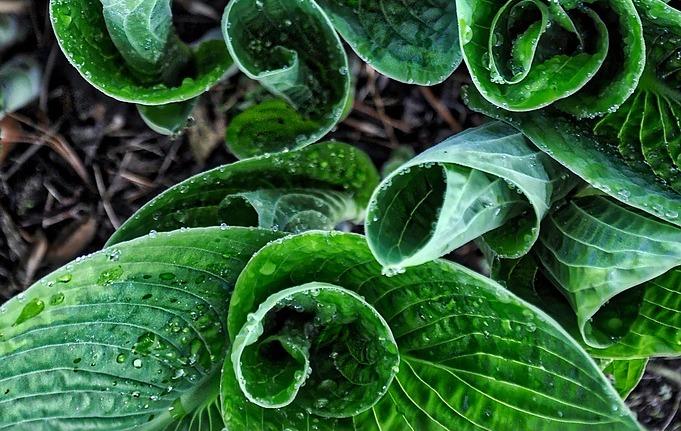
Use a fork to incorporate the compost into the top 6-8 inches of soil. Avoid over-tilling to preserve soil structure.
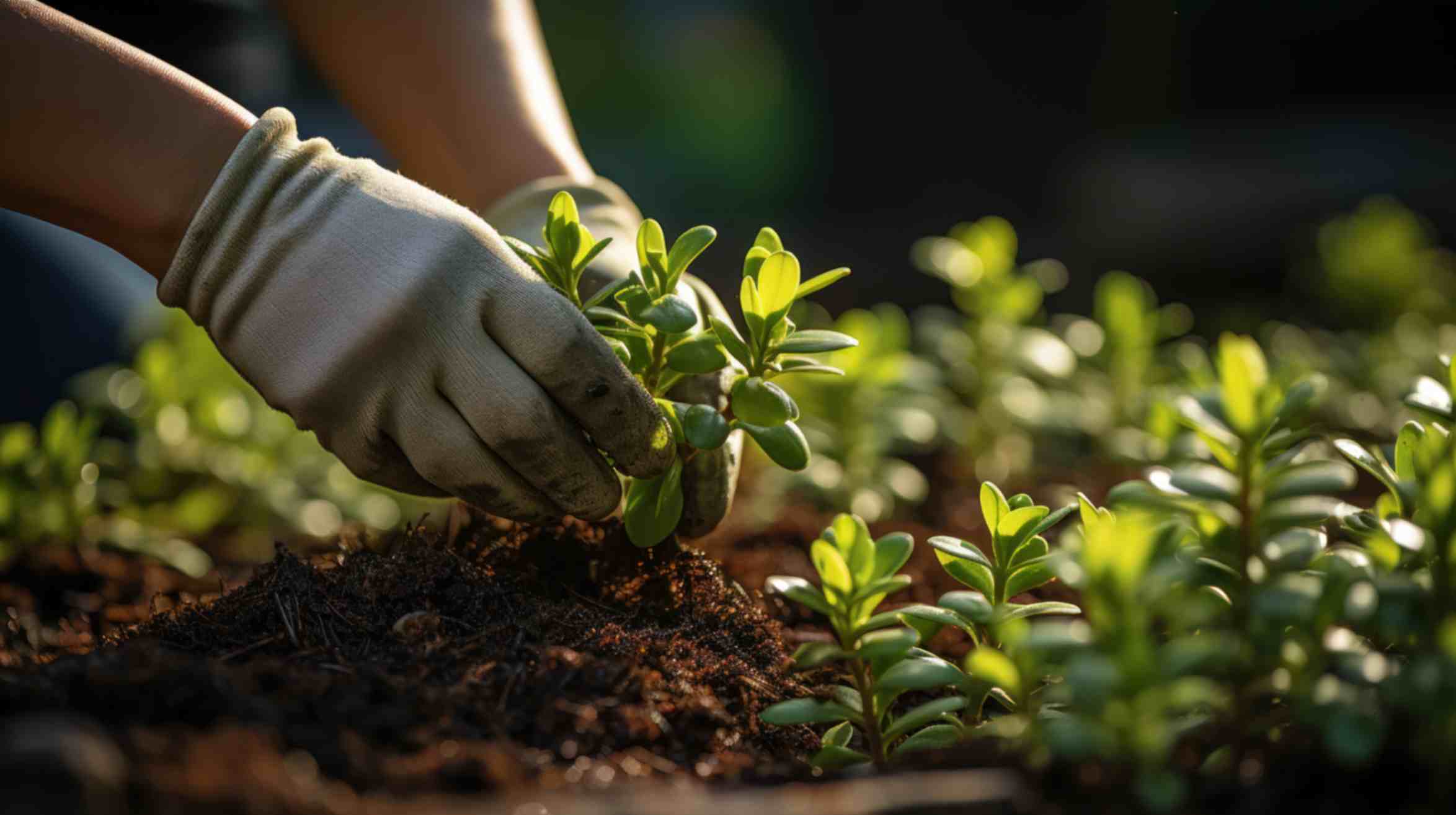
Water the bed deeply to settle the soil. Let it rest for a few days before planting to allow microbes to activate.
Plant native species for pollinators
Choosing native flowers is the most direct way to support local bees, butterflies, and hummingbirds. Native plants have co-evolved with local insects, providing the specific nectar, pollen, and host foliage they need to survive. Unlike many non-native ornamentals, which may offer little nutritional value or lack the right bloom shapes, native species fit seamlessly into the local food web.
When selecting plants, prioritize varieties that bloom at different times of the season. This ensures a continuous food source from early spring through late fall. Aim for a mix of heights and colors to create visual interest while maximizing pollinator access. Grouping plants in clusters of three or more makes them easier for pollinators to spot from a distance, increasing the likelihood of visits.
Here are three reliable native options to start your pollinator garden:
Purple Coneflower (Echinacea purpurea) This hardy perennial blooms from mid-summer to early fall, providing crucial late-season nectar. Its prominent central cone is a favorite landing pad for bees and butterflies. It thrives in full sun and well-drained soil, making it a low-maintenance addition to any garden bed.
Bee Balm (Monarda fistulosa) Also known as wild bergamot, this plant produces tubular flowers that are perfect for long-tongued bees and hummingbirds. It spreads readily, so plant it where it can naturalize. Bee balm prefers moist soil and partial shade, offering a cool contrast to sunnier parts of the garden.
Milkweed (Asclepias spp.) Milkweed is the essential host plant for monarch butterfly caterpillars. Without it, monarch populations cannot recover. Choose a variety suited to your region, such as common milkweed or swamp milkweed, and plant it in a sunny spot. While it can be aggressive, its ecological value is unmatched.
Add water sources and bird habitat
Water and shelter are the final pieces of the puzzle for a wildlife-friendly garden. Birds and small mammals need reliable drinking spots and safe places to hide from predators or harsh weather. By adding these elements, you turn a patch of native plants into a functioning ecosystem that supports local biodiversity throughout the year.
Place a birdbath in a quiet, visible spot near native shrubs. Birds need shallow water to bathe and drink safely. Keep the water depth between one and two inches. Add smooth stones or a textured mat to the bottom so small birds have secure footing. Clean the bath weekly to prevent disease transmission.
For amphibians and insects, dig a shallow depression and line it with a pond liner. Plant marginal species like sedges or rushes around the edges to blend it into the landscape. This creates a self-sustaining water source that requires less maintenance than a formal pond and supports a wider range of wildlife.
Stack fallen branches, twigs, and leaves in a corner of your garden. Leave gaps in the center to allow small mammals like rabbits or hedgehogs to nest. This brush pile provides critical winter shelter and breeding grounds for insects that birds later feed to their young. It also helps recycle nutrients back into the soil.
If you have space, leave a dead tree stump or a standing dead branch ( snag) in a safe location. These structures are essential for cavity-nesting birds like woodpeckers and bluebirds. They also house beetles and other invertebrates, providing a steady food source for insect-eating birds throughout the seasons.
These additions work together to create a resilient habitat. The water sources attract birds for drinking and bathing, while the structural habitat offers protection from predators and extreme weather. This combination ensures your garden remains a valuable refuge for native wildlife long after the initial planting is complete.
Maintain the garden without chemicals
Sustainable gardening relies on building a resilient ecosystem rather than fighting nature. The goal is to create a balanced environment where native plants thrive with minimal intervention, reducing the need for synthetic fertilizers and pesticides. By focusing on soil health and plant diversity, you support the wildlife that naturally regulates pests and pollinates your garden.
Seasonal maintenance routine
Start by observing your garden’s needs throughout the year. In spring, remove dead foliage to reduce overwintering pests, but leave some hollow stems for native bees. Apply a thin layer of compost to refresh the soil without overwhelming it with nutrients. Water deeply but infrequently, targeting the roots of trees and shrubs first, then herbaceous plants, to encourage deep root growth and drought tolerance.
In summer, monitor for invasive weeds and remove them by hand before they seed. Mulch around plants to retain moisture and suppress weeds, keeping the mulch a few inches away from plant stems to prevent rot. Check for signs of pest damage, but remember that some insect feeding is normal and necessary for birds and other wildlife.
Natural pest management
Instead of reaching for chemical sprays, use integrated pest management techniques. Encourage beneficial insects like ladybugs and lacewings by planting nectar-rich flowers such as yarrow and dill. These predators naturally control aphids and other soft-bodied pests. If an infestation becomes severe, try spraying affected plants with a strong jet of water to dislodge pests or using insecticidal soap as a last resort.
Avoid broad-spectrum pesticides, which harm beneficial insects and can poison birds and small mammals. Instead, embrace a slightly messy garden. A certain amount of leaf litter and fallen branches provides essential habitat for pollinators and soil organisms.
-
Remove dead foliage in early spring
-
Apply thin compost layer in spring
-
Water deeply and infrequently
-
Hand-pull invasive weeds
-
Mulch around plant bases
-
Encourage beneficial insects with nectar sources
For more insights on sustainable practices, see the New York Botanical Garden’s guide on sustainable gardening. You can also watch this YouTube video on sustainable gardening principles to reinforce your understanding.
Common Questions About Native Plant Gardens
Starting a wildlife-friendly garden often raises practical concerns. Homeowners frequently worry about maintenance levels, local regulations, and the actual impact on biodiversity. Addressing these questions helps clarify that native gardening is a manageable, low-input approach to creating resilient outdoor spaces.
No comments yet. Be the first to share your thoughts!