

Map your garden's existing features
Before buying plants, understand your canvas. Mapping existing features reveals sun patterns, drainage issues, and established vegetation. This assessment prevents you from fighting your environment and helps you choose species that will actually survive.
Sketch a simple base plan
Grab graph paper or a free digital tool to draw your garden’s boundaries. Include permanent structures like fences, sheds, and paths. Mark mature trees and existing vegetation. This base plan serves as your foundation. You can layer additional data on top later, but you need the footprint first. This step gives you a tangible reference point for measuring sun exposure and soil conditions.
Track sun and shade patterns
Sunlight is the primary driver of plant health. Observe how light moves across your garden throughout the day. Mark areas that receive full sun (6+ hours), partial shade (3-6 hours), or deep shade (less than 3 hours). Note how seasons change these patterns; a spot that is sunny in summer might be shaded in winter due to leaf drop. This map helps you place sun-loving natives in the right zones and saves you from planting shade-tolerant species in scorched earth.
Test soil type and drainage
Soil determines what roots can handle. Dig a small hole, about a foot deep, and fill it with water. If it drains within an hour, you have good drainage. If it sits for days, you have clay or poor drainage. Take a handful of moist soil and rub it between your fingers. Sandy soil feels gritty, clay feels slick and sticky, and loam feels crumbly and rich. Knowing your soil type allows you to select plants that match your native earth or plan for amendments like compost to improve texture.
Identify existing native vegetation
Not everything in your garden needs to go. Many native plants are already growing in your space, often as "weeds." Identify these plants by their leaves, flowers, or growth habit. Native species are already adapted to your local climate and soil, making them low-maintenance powerhouses for wildlife. Keep plants that provide food or shelter, such as milkweed for butterflies or berry-producing shrubs for birds. Removing them unnecessarily disrupts the existing ecosystem you are trying to build.
Plant native species for year-round food
Selecting native plants is the most direct way to build a reliable food web. Native species have co-evolved with local pollinators and birds, offering the specific nectar, pollen, seeds, and berries they need to survive. Unlike exotic ornamentals, which often lack nutritional value or have sterile flowers, native plants support the full lifecycle of insects and provide consistent energy sources for wildlife.
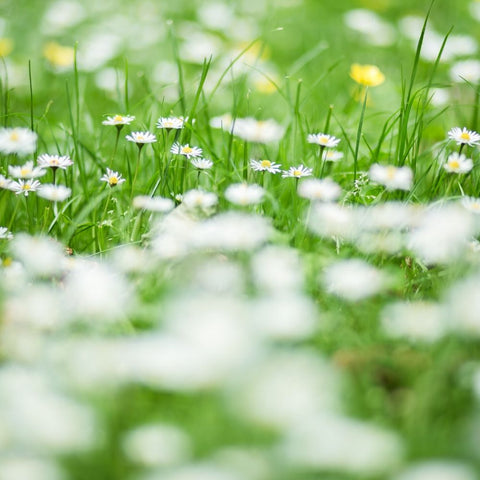
Aim for density. The UK Wildlife Trusts notes that the most wildlife-friendly gardens are those full of plants, with little or no ground showing. This dense planting creates a layered habitat where insects can hide and birds can forage safely. Even small spaces like patios can support this through containers of nectar-rich annuals and berry-bearing shrubs, ensuring that every square foot contributes to the food supply.
To sustain wildlife across all seasons, you need a staggered bloom and fruit cycle. Spring bulbs and early-flowering perennials provide crucial nectar for emerging bees. Summer brings nectar-rich flowers for butterflies and beetles, while late-season natives like echinacea and sedum offer seeds for finches and other seed-eating birds in autumn and winter. Berry-producing shrubs such as hawthorn or rowan serve as essential winter stores when other food sources are scarce.
Install water sources and cover
Water and shelter are the first priorities for any wildlife garden. Without reliable hydration and safe hiding spots, plants alone cannot sustain local populations. Install these elements early so insects and birds have immediate access to resources as you finish planting.
Provide shallow water
Most wildlife, from bees to songbirds, cannot swim in deep containers. Create shallow water sources using shallow stone dishes, saucers, or birdbaths. Fill them with water and place flat stones or pebbles inside to give insects and small animals a safe place to land without drowning.
- Choose a shallow dish or stone basin.
- Place it in a sunny, quiet corner away from high foot traffic.
- Fill with fresh water and arrange stones for landing.
- Refill daily to prevent mosquitoes and keep water clean.
Build dense cover
Wildlife needs protection from predators and harsh weather. Plant dense shrubs, native grasses, or brush piles to create thick cover. These areas provide nesting sites for birds and hiding spots for small mammals. Group plants closely together to maximize ground coverage and create a continuous shield.
- Select native shrubs or ornamental grasses.
- Plant them in clusters to form dense thickets.
- Leave leaf litter or small brush piles in corners.
- Avoid trimming back all vegetation in winter to preserve habitat.
Position for safety
Place water sources and cover near each other to create a complete habitat zone. Animals are more likely to visit if they can drink and hide in the same area. Avoid placing these features near windows or busy pathways to reduce stress on visiting wildlife.
Adopt wildlife-friendly maintenance habits
How you tend your garden determines whether it supports local ecosystems or pushes them away. Switching to sustainable maintenance practices creates a reliable food web and safe shelter for native species. This approach relies on leaving natural debris in place, recycling nutrients through compost, and avoiding synthetic chemicals that harm beneficial insects.
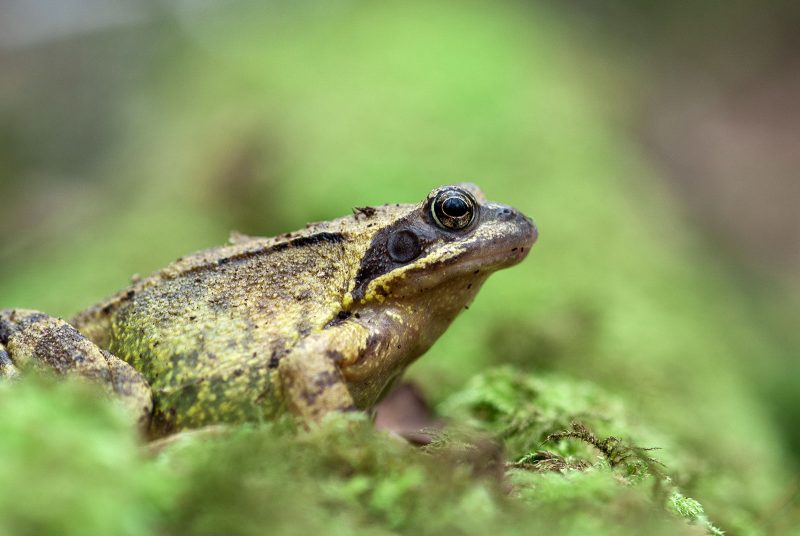
Instead of raking every autumn leaf, leave piles in quiet corners or under shrubs. This leaf litter acts as a winter blanket for hedgehogs and a nursery for moth caterpillars. Leaving dead wood logs or branches also provides essential habitat for beetles and fungi that break down organic matter naturally.
Composting turns kitchen scraps and garden waste into nutrient-rich soil without synthetic fertilizers. The heat generated during decomposition attracts ground beetles and other predators that help control pest populations. A well-managed compost heap becomes a living ecosystem in itself, supporting worms, springtails, and microorganisms that keep your soil healthy.
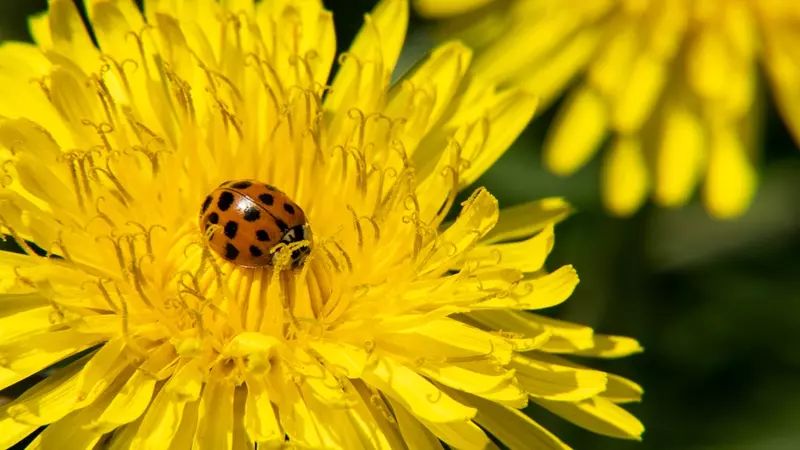
Chemical pesticides often kill beneficial insects like bees, ladybugs, and lacewings alongside the pests you want to remove. These chemicals can persist in the soil and water, disrupting the entire food chain. Opt for mechanical weed removal or encourage natural predators by planting diverse flora that attracts these helpful insects.
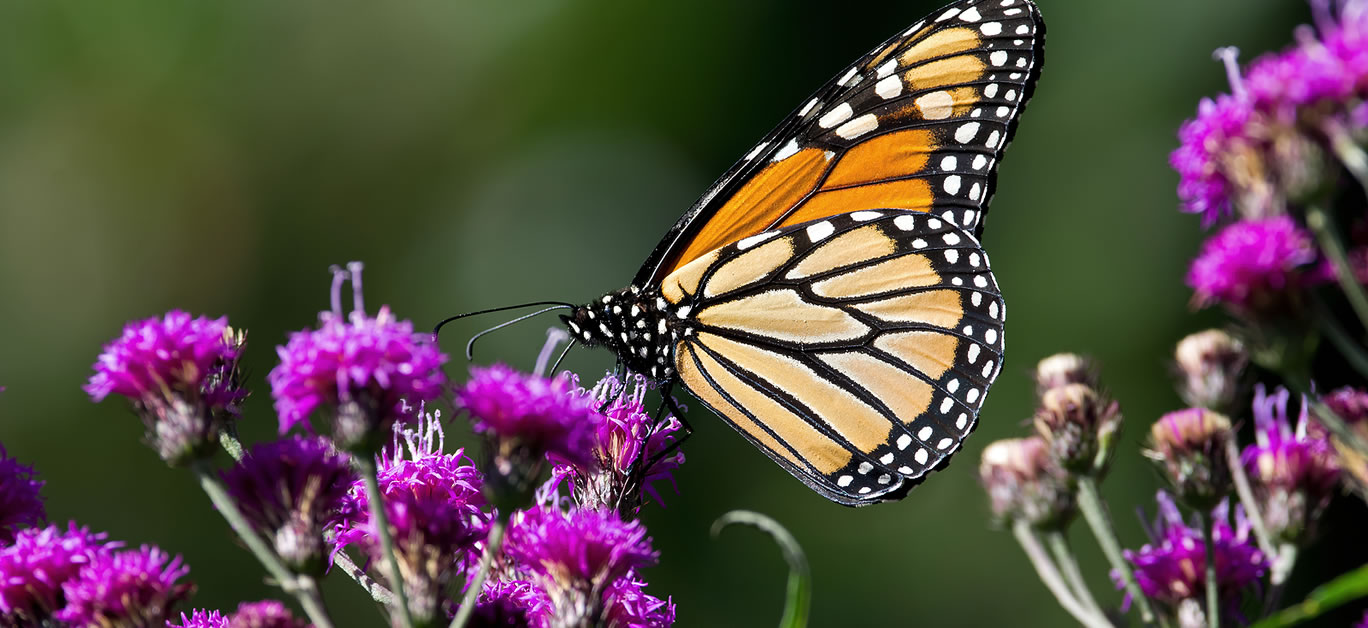
Designate at least one area of your garden to remain unmowed and unpruned for long periods. These wild patches allow native grasses and wildflowers to establish deep root systems and set seed. This structural complexity provides hiding spots for small mammals, nesting sites for ground-nesting bees, and foraging grounds for birds.
These habits reduce your garden's environmental footprint while increasing biodiversity. By letting nature take the lead in decomposition and pest control, you create a resilient landscape that requires less intervention over time. The result is a garden that feels alive, with constant movement and activity from the creatures that call it home.
Watch your wildlife garden come alive
Building a wildlife-friendly garden is a slow craft. The first season often feels quiet as plants establish their roots and soil biology wakes up. Resist the urge to over-tend or prune too aggressively. Nature needs time to find its rhythm.
By year two, you will see the difference. Native perennials spread, creating dense cover for ground-nesting bees and small mammals. Leave the leaf litter in autumn; it is not mess, it is shelter for overwintering butterflies and amphibians. This patience pays off as the ecosystem stabilizes.
Birds and pollinators arrive as food sources become reliable. You might spot a hummingbird moth visiting your bee balm or hear a chickadee foraging in your brush pile. These visitors are the true measure of success. They indicate that your garden has become a functioning habitat, not just a collection of pretty flowers.
Keep a simple journal. Note which plants attract the most activity and which areas stay dry or damp. This observation helps you tweak your design for next year. Over time, the garden becomes self-sustaining, requiring less water and fewer inputs as the native plants adapt to your specific microclimate.
Wildlife garden setup checklist
Before you plant, run through this sequence to ensure your wildlife-friendly garden has the necessary structure, resources, and safety measures. This checklist aligns with best practices from the Royal Horticultural Society and the National Wildlife Federation.
- Map your space: Sketch a base plan identifying existing vegetation and sun patterns. Note which native plants are already present and where they provide cover.
- Layer your planting: Aim for dense ground cover. As the Wildlife Trusts note, gardens with little bare soil support more species. Include shrubs, perennials, and groundcovers.
- Select native species: Prioritize plants that co-evolved with local insects and birds. Native oaks, wildflowers, and berry-producing shrubs are foundational.
- Add water sources: Install a shallow birdbath or a small pond with gentle slopes. Ensure there are stones for insects to land on and escape if needed.
- Create shelter: Leave a pile of logs, leaves, or branches in a quiet corner. These provide essential overwintering spots for hedgehogs, frogs, and beneficial insects.
- Eliminate chemicals: Commit to organic gardening. Avoid pesticides and synthetic fertilizers, which harm the insects your garden relies on.
- Provide food year-round: Choose plants that bloom or fruit across seasons. This ensures a steady supply of nectar and seeds for pollinators and birds.
Common questions about wildlife gardens
A wildlife garden is a space designed to support local biodiversity through dense planting and natural structures. The primary goal is to provide shelter, food, and water for various species, from insects to birds.
What is a wildlife-friendly garden?
A wildlife-friendly garden is dense with native plant species, leaving little bare ground exposed. This coverage provides essential shelter and shade for creatures of all sizes. Instead of manicured lawns, these spaces prioritize layers of vegetation that mimic natural habitats.
Do wildlife gardens look messy?
Wildlife gardens can be tidy and intentional while still supporting nature. You can maintain clean edges and clear paths while allowing plants to grow naturally within borders. The key is managing growth rather than eliminating it entirely.
What plants attract the most wildlife?
Native flowering plants and berry-bearing shrubs are the most effective at attracting local fauna. Choose species that bloom at different times to provide continuous nectar and food sources. Herbs like marjoram and chives also spread easily and support pollinators.
No comments yet. Be the first to share your thoughts!