

Sustainable gardening budget
Sustainable gardening isn’t a luxury add-on; it’s a shift in how you spend. The upfront cost of native plants and organic soil amendments often exceeds conventional nursery stock, but the tradeoff is lower maintenance and reduced input costs over time. You’re paying for resilience now to save on water, fertilizer, and replacement plants later.
Start by prioritizing perennials over annuals. Native perennials establish deep root systems that stabilize soil and retain moisture, reducing the need for irrigation. While individual plants may cost $10–$25, they return for years. Annuals, by contrast, cost $3–$8 each and must be replanted every season, creating a recurring expense that adds up quickly.
Compost and mulch are your most cost-effective tools. A single cubic yard of compost can improve soil structure for a large bed, reducing the need for synthetic fertilizers. Mulch suppresses weeds and retains moisture, cutting down on watering time and herbicide use. Look for local sources or make your own from yard waste to keep costs near zero.
Avoid expensive “eco-friendly” branded products. Many premium soils and pesticides carry a markup without offering superior environmental benefits. Stick to basic organic compost, wood chips, and native plants from reputable local nurseries. These items deliver the same ecological impact at a fraction of the price.


As an Amazon Associate, we may earn from qualifying purchases.
Shortlist real options
Building a wildlife-friendly backyard doesn't require exotic imports or expensive hardscaping. The most effective sustainable gardens rely on native plants that have evolved alongside local pollinators and birds. These species require less water, no synthetic fertilizers, and provide essential habitat structures. By choosing plants adapted to your specific USDA hardiness zone, you reduce maintenance while supporting biodiversity.
The following comparison highlights four robust native options that excel in wildlife support and sustainability. Each plant offers distinct advantages for soil health, pollinator attraction, and low-water resilience. Use this table to match plant characteristics with your garden's light conditions and soil type.
| Plant | Wildlife Support | Water Needs | Soil Type |
|---|---|---|---|
| Purple Coneflower | Bees, butterflies, birds | Low to moderate | Well-drained, clay tolerant |
| Milkweed | Monarch caterpillars, generalists | Low to moderate | Most types, prefers sun |
| Oak Trees | Hundreds of caterpillar species | Moderate (established) | Deep, well-drained |
| Native Grasses | Ground-nesting birds, insects | Very low | Poor to moderate, sandy |
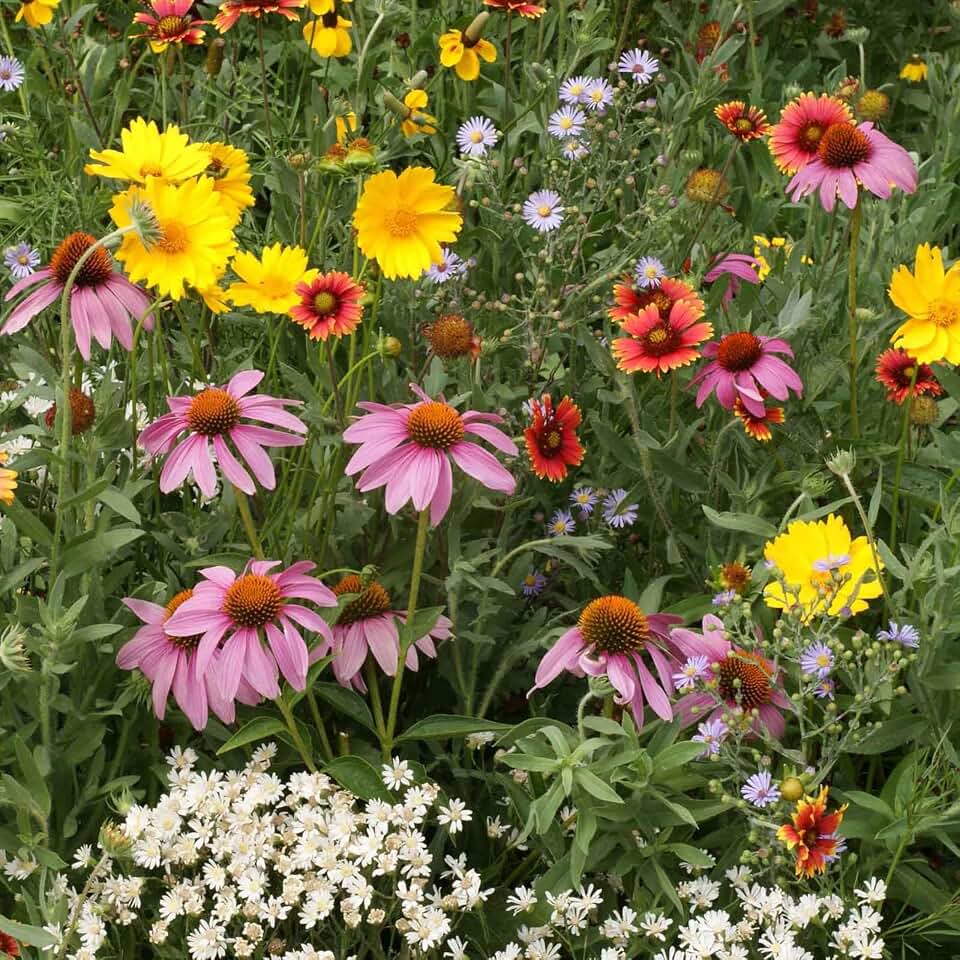
Purple Coneflower (Echinacea purpurea) is a staple for pollinator gardens. Its central cone provides landing pads for bees and seeds that goldfinches love in winter. It thrives in full sun and tolerates dry spells once established, making it ideal for low-water landscapes.
Milkweed (Asclepias spp.) is non-negotiable for monarch butterflies. Without it, monarch populations cannot reproduce. Plant it in sunny spots with well-draining soil. Note that some species spread aggressively; choose clump-forming varieties like Swamp Milkweed for tighter control.
Oak trees (Quercus spp.) are wildlife powerhouses. A single oak species can support over 500 types of caterpillars, which feed songbirds. They also produce acorns for deer and squirrels. While they require space, their long-term ecological impact far outweighs their maintenance needs.
Native grasses like Switchgrass or Little Bluestem provide crucial winter structure. Their hollow stems offer shelter for overwintering insects, and their seed heads feed birds. They are incredibly drought-tolerant and prevent soil erosion, making them excellent for slopes or problem areas.
Inspect the expensive parts
Building a wildlife-friendly garden often starts with excitement, but a few costly mistakes can derail your ecosystem before it takes root. Instead of guessing, treat your landscape like a system with high-stress points. These are the areas where poor planning leads to the biggest financial losses, from dead plants to ruined hardscaping.
1. Check soil composition before planting
Native plants are adapted to local conditions, but they still need a baseline of healthy soil. Testing your soil’s pH and drainage is far cheaper than replacing a batch of expensive shrubs that failed to thrive. If your soil is heavy clay or overly sandy, amend it with organic matter rather than forcing plants that require different conditions. This step prevents the silent killer of native gardens: slow decline due to nutrient mismatch.
2. Verify water access and drainage
Water is the most expensive resource in landscaping, both in cost and labor. Inspect your yard’s natural drainage patterns during a heavy rain. If water pools in low spots, you need to install French drains or rain gardens before planting perennials. Ensure your irrigation zones are set up correctly; overwatering native species can lead to root rot, while underwatering stresses them during their first critical year. A simple soaker hose system often saves money and water compared to sprinklers.
3. Audit hardscape materials
Hardscaping—paths, patios, and retaining walls—accounts for a large portion of your budget. Cheap materials can crack under freeze-thaw cycles or shift when roots grow nearby. Inspect the base preparation for any existing structures. If you are adding new stone or wood, ensure it is rated for outdoor use and local climate conditions. Poorly installed hardscape can lift plant roots or block water flow, creating expensive repairs down the line.
4. Evaluate plant spacing and sun exposure
Overcrowding is a common error that leads to disease and weak growth. Measure the mature width of your native plants, not just their size in the pot. Place sun-loving species like coneflowers in full sun and shade-tolerant ferns in lower-light areas. Misplacing plants leads to wasted money on replacements and a garden that looks patchy. Use a sun tracker app to map light changes throughout the seasons to ensure long-term viability.
5. Inspect pest and disease resistance
Before buying, check the health of the plants at the nursery. Look for signs of pests like aphids or fungal spots on the undersides of leaves. Choosing resistant varieties reduces the need for chemical interventions, which can harm the wildlife you are trying to attract. Healthy plants from reputable sources save money on treatments and replacements. Avoid plants that look stressed or yellowed, as they will likely struggle in your yard.


As an Amazon Associate, we may earn from qualifying purchases.
Plan for ownership costs
Buying a native plant is the easy part. The real cost comes from the first two years of establishment. Most nurseries sell perennials in one-gallon pots for $10 to $25, but that price tag doesn't include the water, soil amendments, or time required to keep them alive. If you underestimate these ongoing expenses, a "cheap" starter plant can become an expensive failure.
The Hidden Costs of Establishment
Native plants are adapted to local conditions, but they still need help getting started. During the first growing season, you must water deeply once or twice a week. This isn't just a hobbyist tip; it's a financial reality. If you live in an area with high water rates, this can add $50 to $100 to your initial investment. Additionally, most natives benefit from a layer of mulch to retain moisture and suppress weeds. A single bag of mulch costs $5 to $8, and you'll need several per planting bed.
When "Cheap" Stops Being Cheap
The biggest trap is buying small, underdeveloped plants to save money upfront. A $5 sapling might take three years to reach its full size, during which time it competes aggressively with weeds and requires constant weeding and watering. In contrast, a $25 gallon-sized plant establishes faster, reduces weed pressure, and often blooms in its first year. The extra upfront cost is usually recovered in labor and water savings within the second season.
Tools That Lower Long-Term Costs
Investing in the right tools now prevents costly mistakes later. A quality soil probe helps you check moisture levels without guesswork, saving water and plant health. A sharp pair of pruning shears ensures clean cuts that heal faster, reducing disease risk. These small tools pay for themselves by extending the life of your plants and reducing the need for replacements.


As an Amazon Associate, we may earn from qualifying purchases.
Sustainable gardening: what to check next
Before you start replacing turf with native perennials, it helps to clear up what sustainable gardening actually means in practice. It isn’t just about planting flowers; it’s about creating a system that recycles its own resources. This approach minimizes the need for outside inputs like synthetic fertilizers, pesticides, and constant watering.
The goal is to let the garden support itself. By focusing on soil health and native plant adaptations, you reduce runoff and carbon emissions while providing habitat for local wildlife.
No comments yet. Be the first to share your thoughts!