
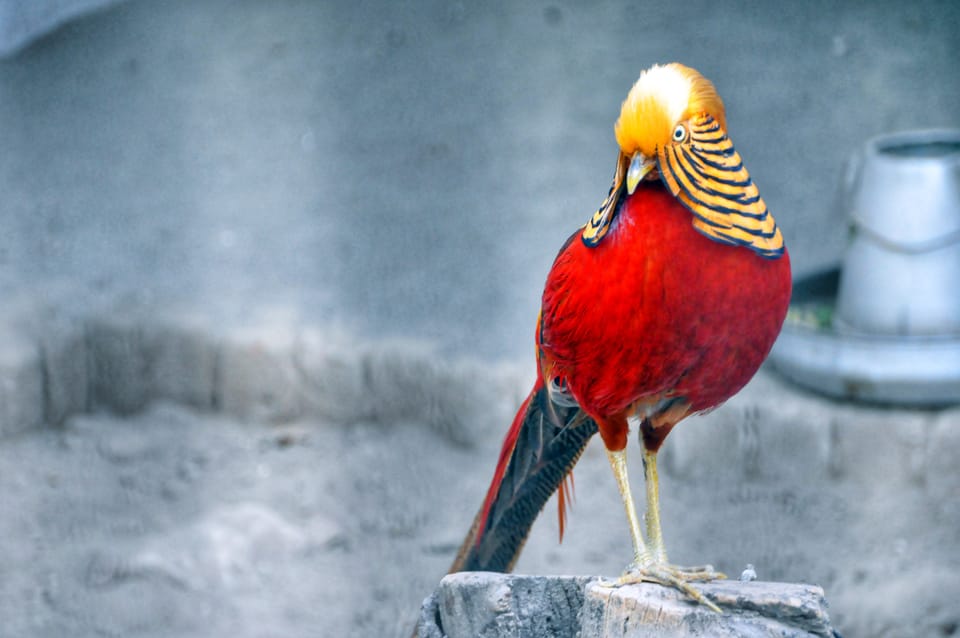

Welcome to the Bird's Paradise: Your Garden 🌳🐦
Imagine a symphony of birdsong greeting you each morning, an enchanting spectacle of feathered friends flitting from branch to branch right in your backyard. Can you see it? This is the power of shrubs in attracting birds to your garden. Beyond their aesthetic appeal, these hardy plants serve as a lifeline for many bird species, providing food, shelter, and nesting sites. But how do you choose the right shrubs to create this bird paradise? How do you promote a thriving local ecosystem while practicing sustainable gardening?
Whether you're dreaming of attracting a variety of avian species with native plants, or you're keen on inviting pollinators like bees with bird-friendly shrubs, this comprehensive guide is your roadmap. Together, let's explore the world of bird attracting plants, garden shrubs for wildlife, and sustainable bird-friendly gardening practices. Ready to embark on this journey to create an avian oasis? Let's take flight!
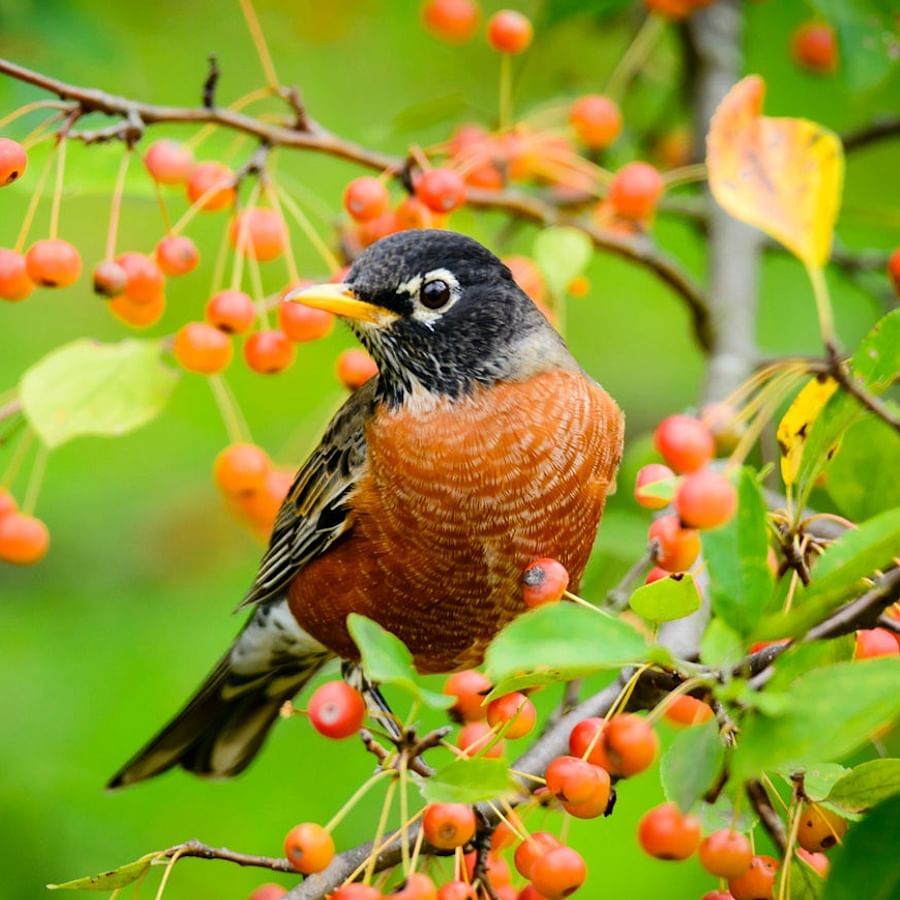
Feathered Friends: The Ecological Perks of Attracting Birds 🌍🐦
Why are birds so crucial to our gardens, you may wonder? Well, aside from their delightful songs and vibrant colors that add life to our green spaces, birds play a significant role in maintaining the health of our gardens. They are nature's pest control, ridding your garden of unwanted insects, while their foraging habits help in the essential task of seed dispersal, aiding in the proliferation of many bird and bee-friendly plants. Plus, their waste serves as a natural fertilizer, enriching the soil for your hummingbird attracting plants and insect friendly shrubs. In essence, by attracting birds to your garden, you are fostering a robust, dynamic ecosystem that thrives in balance and harmony.
Now that we understand the ecological benefits of having birds in our garden, let's take a closer look at this through a video explanation.
Now that we have a better understanding of the ecological role of birds in gardens, let's move on to choosing the right shrubs for your garden. This will not only enhance the aesthetic appeal of your garden but also attract a variety of birds, thereby promoting a vibrant ecosystem.
Picking the Perfect Perch: Choosing Shrubs for Your Feathered Visitors 🌳🐦
When it comes to attracting birds to your garden, not all shrubs are created equal. The right selection can transform your green space into a bustling bird haven, while the wrong one might leave you with a serene but bird-less landscape. So, what should you consider when choosing your shrubs?
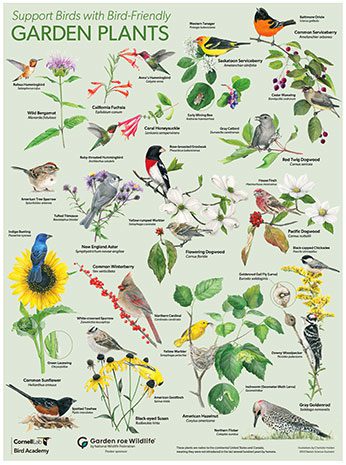
Firstly, consider the bird species you're looking to attract. Are you hoping to see hummingbirds flitting about? Then plants that attract hummingbirds should be on your list. Secondly, think about your local climate. What shrubs will thrive in your area? Native plants for birds are often a safe bet. Lastly, remember that birds have preferences too! Some are drawn to berry-laden branches, while others prefer insect-friendly shrubs. Ready to dive deeper? Check out our FAQ on attracting a variety of birds to your garden.
Let's find the best shrubs for your garden to attract birds. Please fill out the information below:
Learn more about 🌿 Create a Beautiful and Sustainable Garden with Garden Gentle 🌻 or discover other Garden Gentle calculators.
Remember, the success of attracting birds depends not only on the selection of shrubs but also on their proper planting and maintenance. Refer to our guide below for best practices.
Bird Magnet: Top Shrubs to Turn Your Garden into a Bird Sanctuary 🌳🐦
The Top Bird-Attracting Shrubs for Your Garden
- Holly (Ilex): Known for its glossy leaves and bright red berries, Holly is a bird favorite, especially in winter when food sources are scarce.
- Juniper (Juniperus): Offering shelter and juicy berries, Juniper shrubs attract a variety of birds, including thrushes, waxwings, and sparrows.
- Serviceberry (Amelanchier): These shrubs produce sweet, nutritious berries in early summer that are loved by many bird species.
- Flowering Dogwood (Cornus florida): The vibrant red fruits of this shrub are a major attraction for birds like robins, cardinals, and bluebirds.
- Elderberry (Sambucus): Offering clusters of dark berries, Elderberry shrubs are a top choice for attracting a wide range of bird species.
- Viburnum: With its dense foliage for shelter and clusters of berries, Viburnum is a great choice for any bird-friendly garden.
- Firethorn (Pyracantha): This shrub is adorned with bright orange berries in the fall and winter, providing both food and visual interest for birds.
- Bayberry (Myrica): Known for its aromatic leaves and waxy berries, Bayberry is a preferred choice for many songbirds.
- Black Chokeberry (Aronia melanocarpa): This shrub offers nutritious black berries in late summer and fall, attracting a variety of birds.
- Eastern Redbud (Cercis canadensis): With its vibrant pink flowers and seed pods, the Eastern Redbud is a favorite of many bird species, including finches and cardinals.
From Seed to Sanctuary: Planting & Caring for Your Bird-Friendly Shrubs 🌱🌳
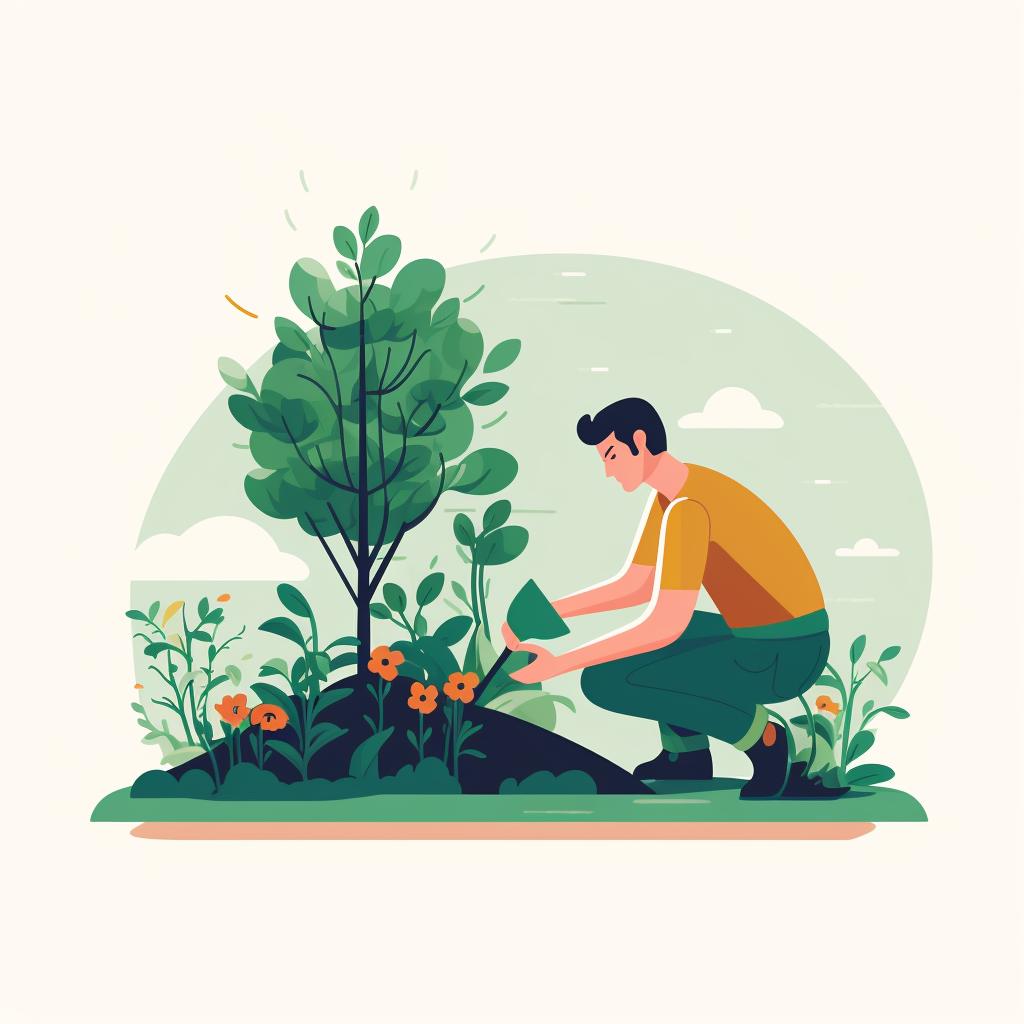
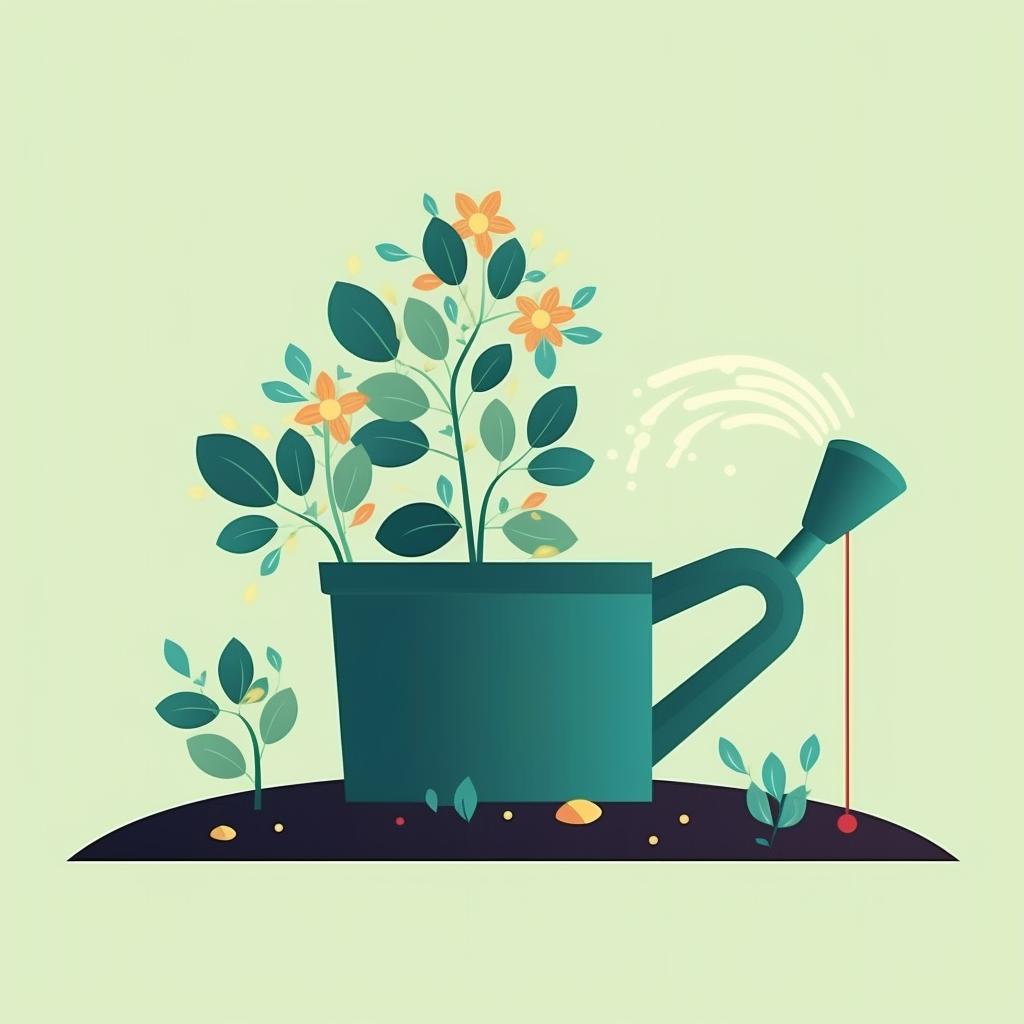
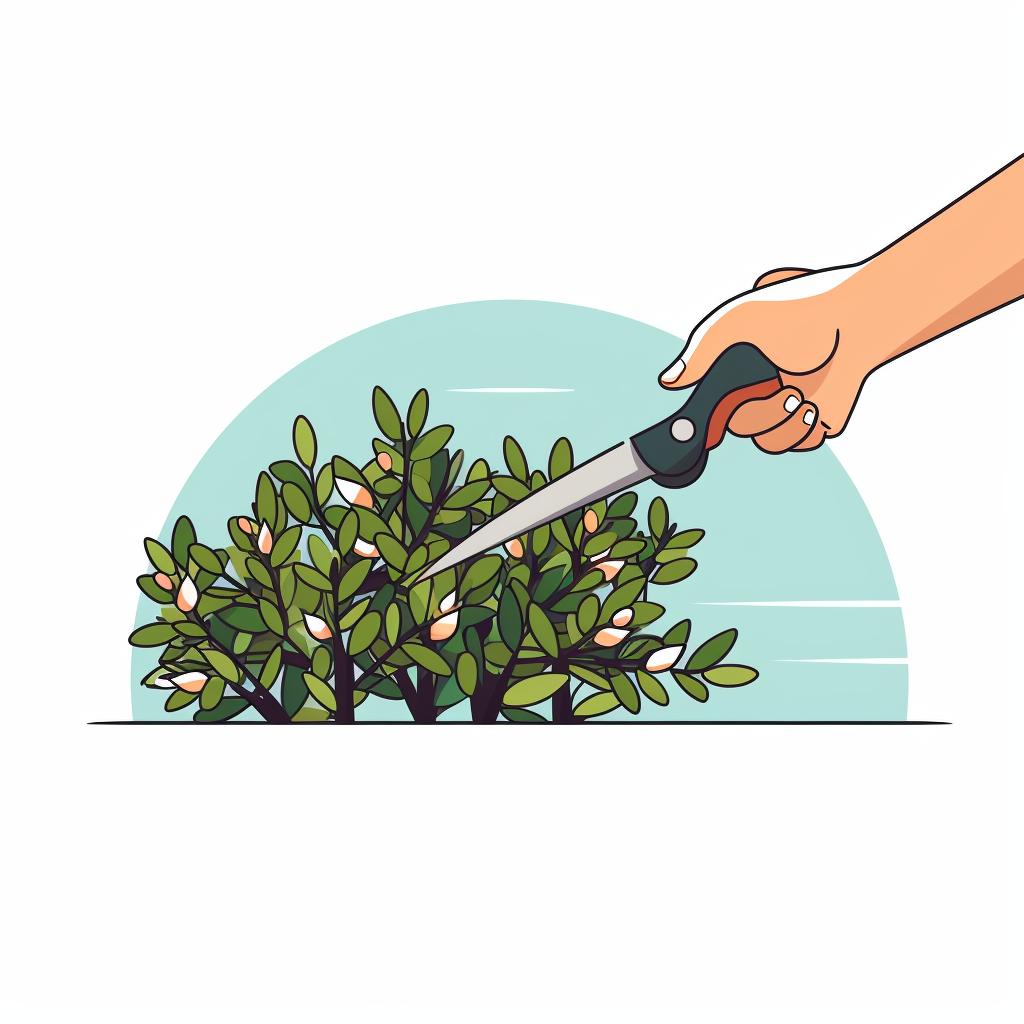
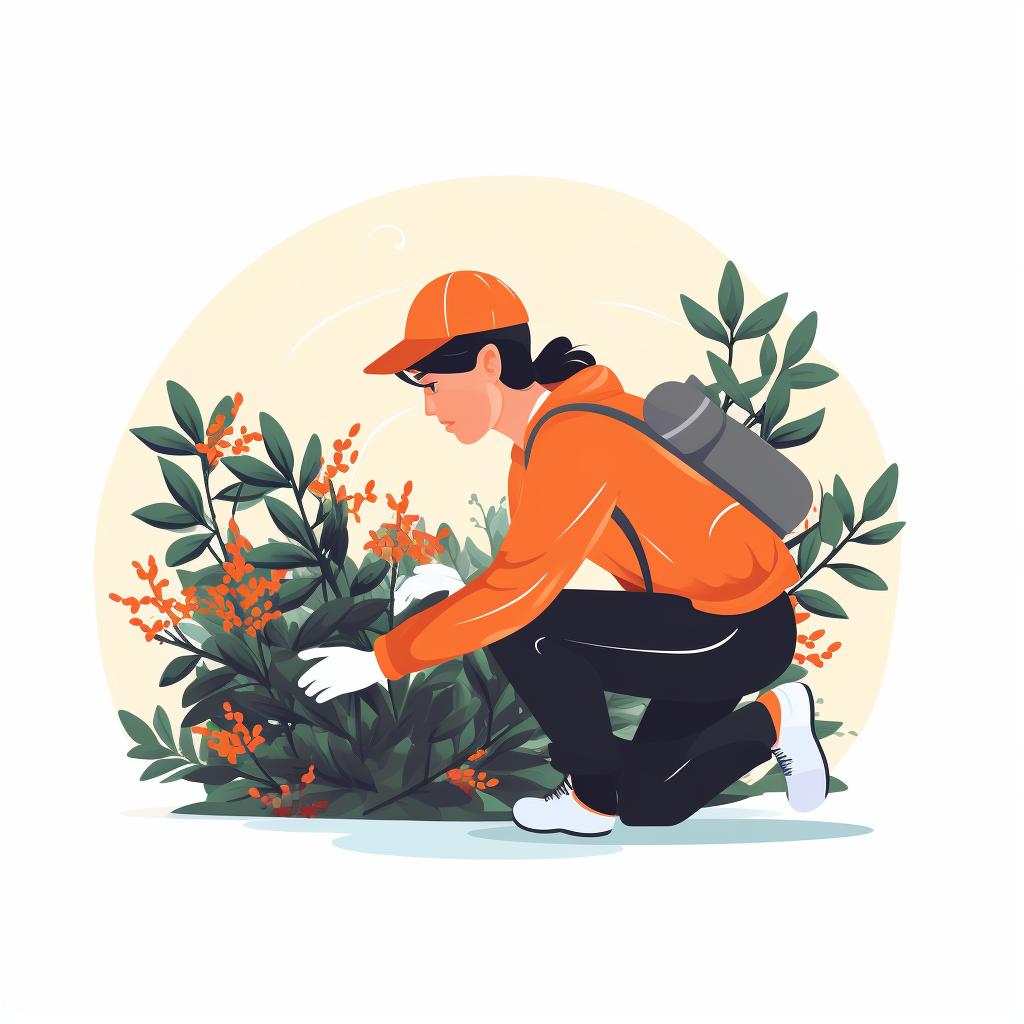
Now that we've explored the top shrubs that attract birds, let's delve into how to plant and care for these shrubs to create a bird-friendly garden.
Planting & Caring for Bird-Friendly Shrubs: A Step-by-Step Guide

Learn more about 🌱 Planting & Caring for Bird-Friendly Shrubs: A Step-by-Step Guide 🐦 or discover other Garden Gentle guides.
With these steps, you're well on your way to creating a bird-friendly garden. But you may still have questions. Let's address some common queries about bird-friendly gardening.
Busting Myths: Your FAQs About Bird-Friendly Gardening Answered 🧐🐦
Before we delve into the world of bird-friendly gardening communities, let's address some common queries that garden enthusiasts often have:
Now that we've answered some common questions, why not join a bird-friendly garden community? Share your experiences, learn from others, and contribute to promoting local ecosystems.
Join the Flock: Become Part of the Bird-Friendly Garden Community 🤗🐦
Our journey through the verdant world of bird-friendly shrubs has been filled with delightful discoveries and insightful tips. Now, it's your turn to take flight and make your garden a haven for our feathered friends. Wondering where to start? How about joining the growing community of bird-friendly gardeners online? It's a hive of inspiration, shared experiences, and knowledgeable advice. Imagine, not only attracting birds to your garden but also bees, butterflies, and other beneficial insects! And if you're curious about how to make your space even more eco-friendly, explore sustainable garden design ideas. Why not flutter over to the community planting guide for tips on rallying your neighbors to this worthy cause? Remember, every plant makes a difference, every bird sings a unique song, and every gardener has a story to tell. What will yours be?
As we encourage you to join online communities and share your experiences, let's take a look at one of our follower's bird-friendly gardens.
As you can see, Dawn's garden showcases the beauty of Viburnum x burkwoodii, a shrub that not only attracts birds but also adds a captivating fragrance to the garden. What will your bird-friendly garden look like?
No comments yet. Be the first to share your thoughts!